



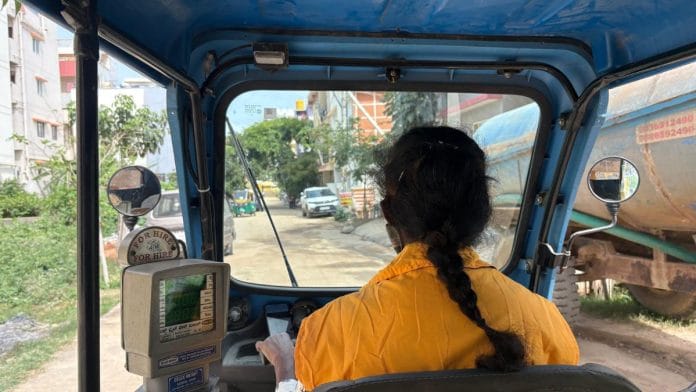
Bengaluru: Every morning at 7 am, Reshma, a 56-year-old cancer survivor, loads several oversized white delivery sacks onto her electric rickshaw and sets off through the streets of Bengaluru. She has been working as an Amazon delivery associate for the past five years.
The left side of her face is permanently stretched after surgeons reconstructed it using skin and bone taken from her thigh during cancer surgery. One of her eyes bulges and waters constantly. She cannot raise one arm. Yet she climbs staircases, waits outside house gates and carries parcels door to door because there is no other income keeping her household afloat.
“People tell me, ‘If you can’t climb upstairs, why are you doing this job?’,” she said, adjusting the cloth mask that covered half her face as she sorted through the parcels.
For Reshma, the delivery bag is the only thing standing between her family and another month of unpaid bills. Across the country, many older workers tell a similar story.
India’s platform economy is often described through numbers. Millions of young workers, billions of deliveries, rapid growth in e-commerce and ride-hailing. The promise of the gig economy is flexibility. Companies speak of independence, entrepreneurship and the ability to earn on one’s own terms. But on the streets of Bengaluru, another reality is taking shape. A growing number of people doing app-based work are men and women in their fifties, sixties and beyond who have either entered or remained in the gig economy because they cannot afford to stop working.
Rising living costs, debt, healthcare expenses, family responsibilities and the absence of adequate retirement security have turned delivery bags and autorickshaws into lifelines long after most expect to retire.
A cancer survivor delivering parcels. An autorickshaw driver who fought schools over children’s right to education. A 66-year-old Uber driver paying off debt taken during the pandemic. Their stories reveal a side of India’s platform economy shaped by years of debt, illness, financial insecurity and responsibilities that remain largely invisible to the people using these platforms.
“Even today, many drivers and delivery workers in their sixties are on the road because they simply cannot afford to retire. They have no pension from the government, and the companies they work for don’t provide any retirement security. If they had been able to save enough, they would not still be working 12 to 14 hours a day. But they have rent to pay, food to buy and medicines to afford. Many suffer from diabetes and high blood pressure, yet they continue working because stopping is not an option,” said Inayat Ali, vice-president of the Indian Federation of App-Based Transport Workers.
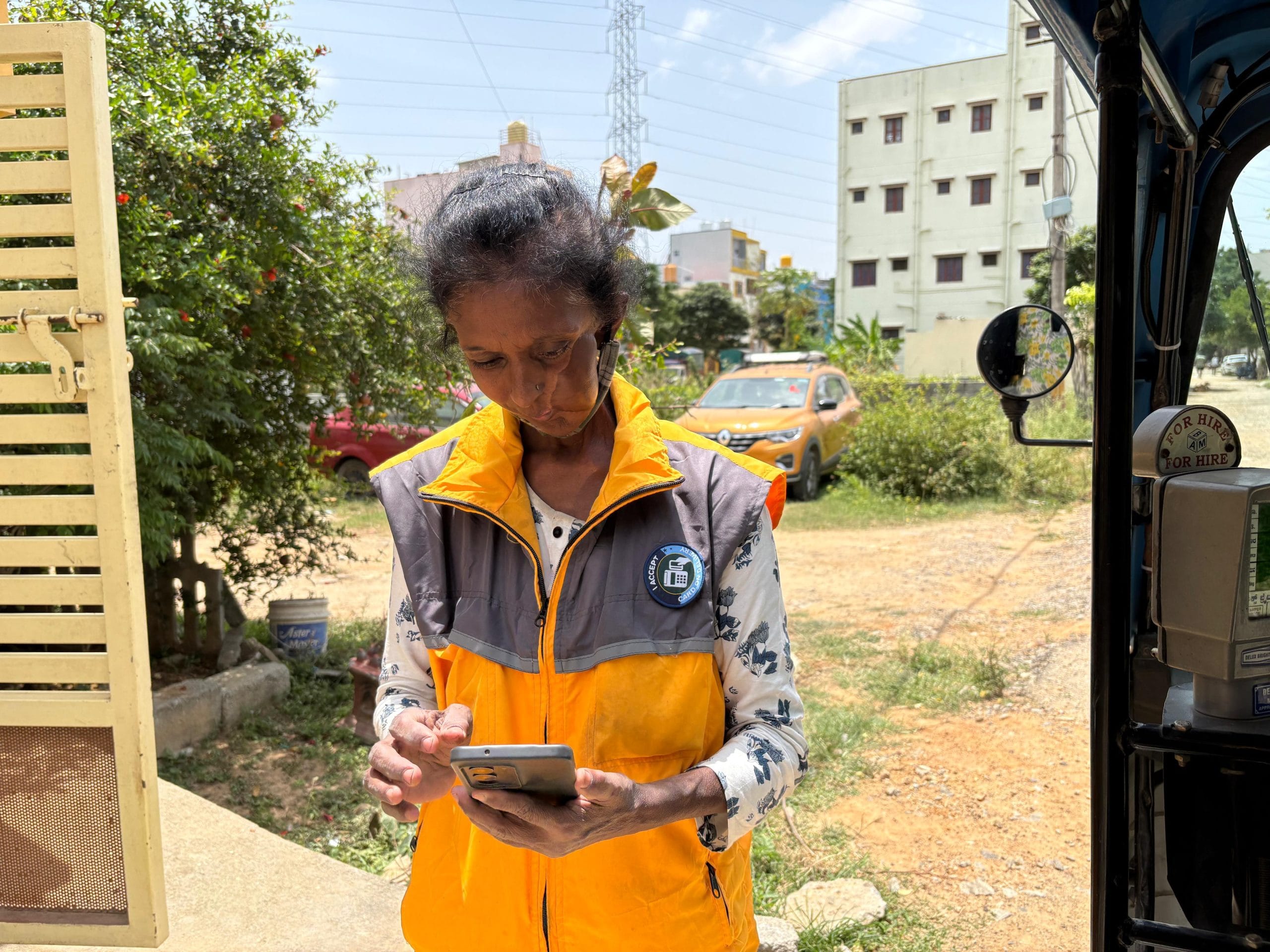
Before leaving, Reshma unlocked her phone to check the next delivery. Instead, a shopping app opened by mistake. She stared at the screen for a moment, unsure what to do. With a few quick taps, the app disappeared, and the delivery screen returned. “My daughter taught me how to use the phone for deliveries. Apart from that, I don’t really know how to use it,” she smiled sheepishly.
Rebuilding a life after cancer
Before the delivery job, Reshma stitched shirts for garment factories from her home and earned nearly Rs 1,000 a day. It was enough to keep the household running and the bills paid.
The pandemic changed everything. Garment factories shut, tailoring orders stopped coming in, and the work she had relied on for years vanished. Left with no choice, she joined an Amazon delivery vendor and has been carrying parcels across Bengaluru ever since.
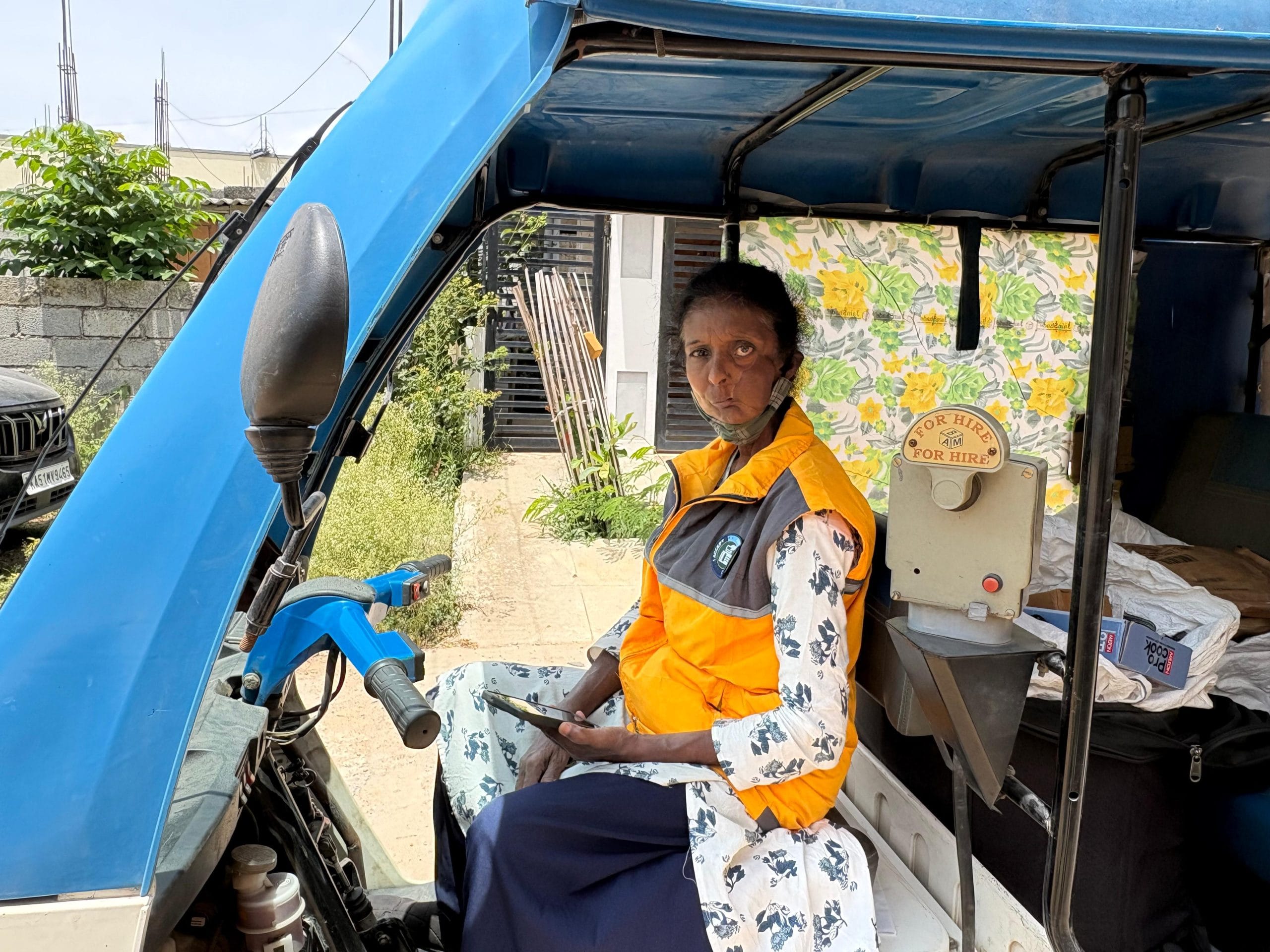
Her life had already been shattered once. In 2014, her son suffered kidney failure. For seven months, he remained in hospital while the family borrowed money and sought help from anyone willing to lend.
“We spent nearly Rs 7 lakh trying to save my son. We did everything we could. After seven months in the hospital, we brought him home. We couldn’t save him,” she said.
A year later, she was diagnosed with mouth cancer. In May 2016, surgeons reconstructed part of her face using skin and bone from her thigh.
Today, she earns about Rs 700 a day. The amount used to be Rs 730, she said, before it was reduced by the vendor. Her daughter works at a car showroom and earns around Rs 15,000 a month. Reshma has also borrowed nearly Rs 7-8 lakh from microfinance companies to keep the household running and to prepare for her daughter’s marriage.
“I took a loan to buy gold earrings for my daughter’s wedding. I even got her a gold chain because all her friends wear one. Now I may have to return them because I can no longer keep up with the interest payments,” said Reshma.
She said her husband contributes little to the household. She said that after she had managed to save Rs 10,000, he took the money and spent it on alcohol. He has struggled with alcohol dependence ever since their son’s death and has been unemployed.
Reshma’s frustration surfaced repeatedly as she spoke. She said he spends most of his time at home while the responsibility of paying the rent, repaying loans and keeping the household running falls almost entirely on her and her daughter.
“I work so hard just to earn enough for one meal, and this is what happens,” she said.
Yet she continues to work every day. Some customers refuse to answer calls and later complain that the parcel was delayed. Others ask her to climb several floors despite her condition. Many stare at the scar on her face and her frail frame before taking their packages. But she remembers the rare kindness too.
“Once, a woman stopped me, looked at me and gave me Rs 500. She said, ‘Please eat something.’ I have never forgotten that,” said Reshma.
Also read: In Bangladesh too, a demand for education minister’s resignation. Here’s why
A life spent supporting others
Most people spend their twenties and thirties building a life of their own. But C Suresh Kumar, spent his youth building everyone else’s.
The 61-year-old moved from Kolar to Bengaluru in 1993 and bought an autorickshaw, hoping it would provide a stable livelihood. More than three decades later, he is still behind the wheel, even as Bengaluru has transformed into India’s technology capital and autorickshaws have evolved from two-stroke engines to LPG, CNG and now electric models.
Much has changed around him. His financial insecurity has not.
The family pays Rs 9,000 every month in rent, and the autorickshaw remains its only source of income.
“Earlier, we earned Rs 500 or Rs 600 a day and somehow managed. Today we may earn more, but rent, education and every other expense has also increased. Life has become much more expensive,” said Kumar.
Long before he became known as an autorickshaw union leader, he was the eldest son trying to keep his family together.
As a teenager, he worked in his family’s arrack business while continuing his studies. Then his father died, leaving behind not only a grieving family but also debt that creditors soon arrived to claim.
Kumar said people began turning up at their doorstep demanding repayment of lakhs of rupees. He had to take over the family business and was determined to clear every loan his father had left behind.
But the debt was only the beginning.
Three of his younger sisters were still studying. Their school and college fees had to be paid. Their weddings had to be arranged. Even after they were married, Kumar continued supporting them, helping two of them and their husbands establish themselves in Bengaluru.
Every rupee he earned escaped him before it ever reached his pocket.
It was nearly seven in the evening when Kumar pulled his autorickshaw to the side of the road near JP Nagar to wait for another passenger. He eased himself out of the driver’s seat, stretched his back and stood silently for a few seconds before rubbing both knees with the palms of his hands. A booking request notification flashed on his phone. With an audible sigh, he climbed into the driver’s seat and started the engine.
“After ten or eleven hours of driving, your body doesn’t listen anymore,” he said.
But he keeps going. Passengers bargain over fares after the ride is over. Some keep him waiting only to cancel at the last minute. Others complain about delays caused by the city’s traffic, even though they can see the congestion themselves.
“After my father’s death, everything became my responsibility. My sisters were still studying. There were loans to repay and marriages to arrange. I had to look after the entire family,” he said.
Years passed before Kumar realised he had postponed his own life. It was his friends who finally pointed it out. They asked him why he had spent years thinking about everyone else’s future without ever thinking about his own.
By then, he was over 40. Only then did he get married.
Those years of sacrifice also shaped the way he viewed education.
In 2014, when his elder daughter was admitted to a private school under the Right to Education Act, the school demanded additional money for uniforms and books.
Kumar refused to pay.
Instead, he immersed himself in government circulars, attended meetings organised by Child Rights Trust and learnt the law himself. His fight soon grew beyond his own family. Parents from across Bengaluru began calling him for help. Autorickshaw drivers displayed banners explaining RTE admissions and carried Kumar’s phone number for families seeking advice.
His campaign eventually led to his arrest.
“The school association got me arrested. I spent two days in jail. But the entire media stood with me. After that, thousands of parents came to me asking for help because they realised the schools could not legally demand that money,” he said.
Also read: Goa in Rains tourism campaign now includes bans, lifeguards, FIRs
The burden never ends
Today, Kumar heads one of Bengaluru’s oldest drivers’ unions: the Autorickshaw Drivers Union.
His phone rarely stays silent. Between rides, drivers call about accidents, disputes with passengers, police fines, or problems with app-based aggregators.
One driver called him to tell him that an app-based driver in Bengaluru had died by suicide after allegedly being unable to repay a loan taken from a microfinance company.
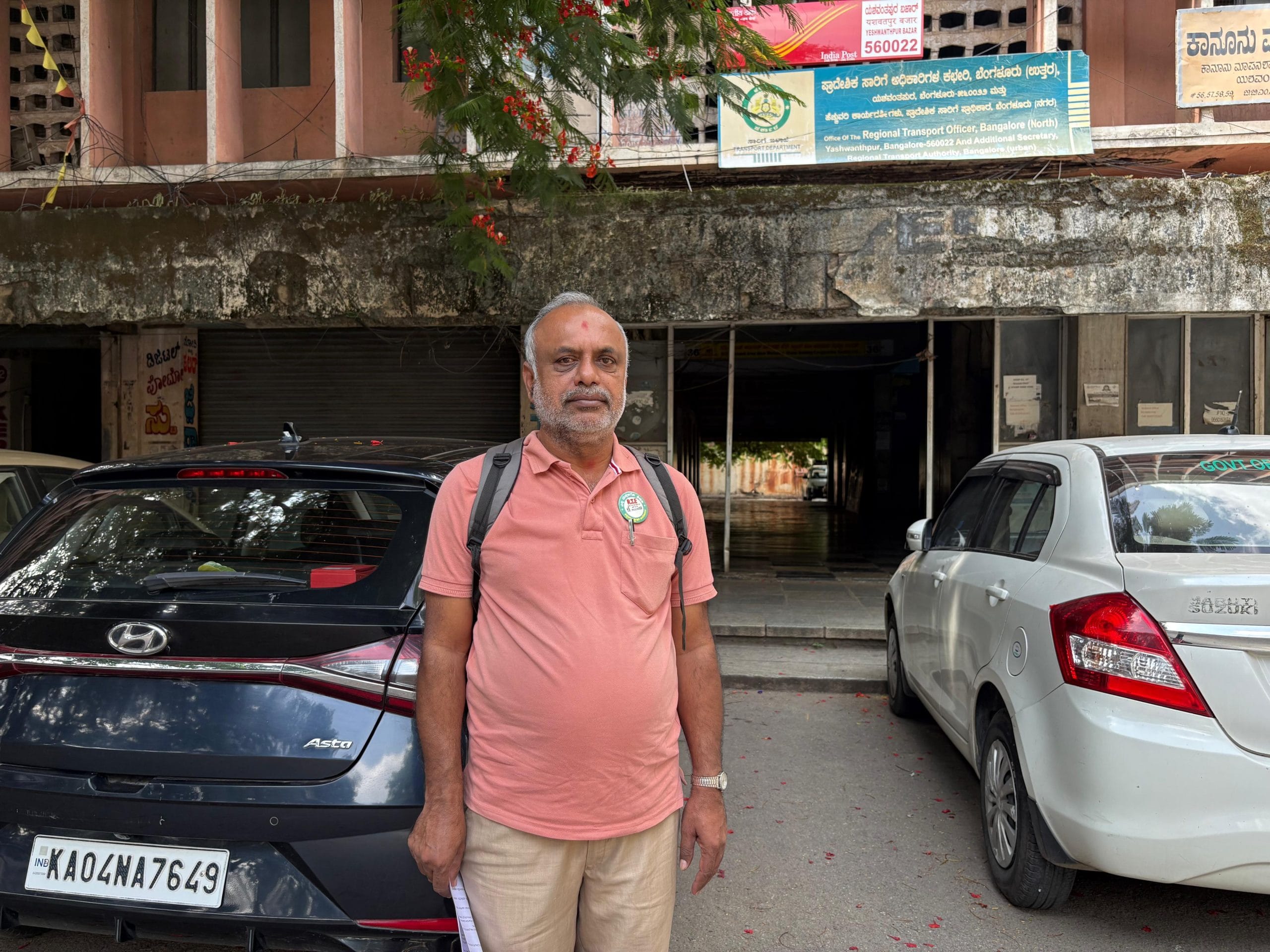
Becoming union president, he said, has only widened the circle of people who depend on him.
“Earlier, I was responsible only for my own family. Now I also have responsibility for the families of the drivers who made me president of the union. Whenever they have a problem, they come to me. I have to keep going,” said Kumar.
Yet his own responsibilities have hardly become lighter.
His elder daughter, who scored 91 per cent in Class 12, is now pursuing a Bachelor of Computer Applications. His younger child received the National Means-cum-Merit Scholarship, but their education, household expenses, rent and healthcare continue to depend on a single autorickshaw.
Responsibility is what keeps all three of these workers on the road.
For Reshma, every parcel she delivers goes towards loan repayments and saving for her daughter’s marriage. Even after cancer surgery, the death of her son and losing her husband to alcohol, stopping work was never an option.
For Ranga Swami, responsibility took the form of debt.
When lockdown emptied Bengaluru’s roads, his income disappeared almost overnight. To survive, he mortgaged the autorickshaw he had already paid for and borrowed Rs 1.5 lakh from a microfinance company.
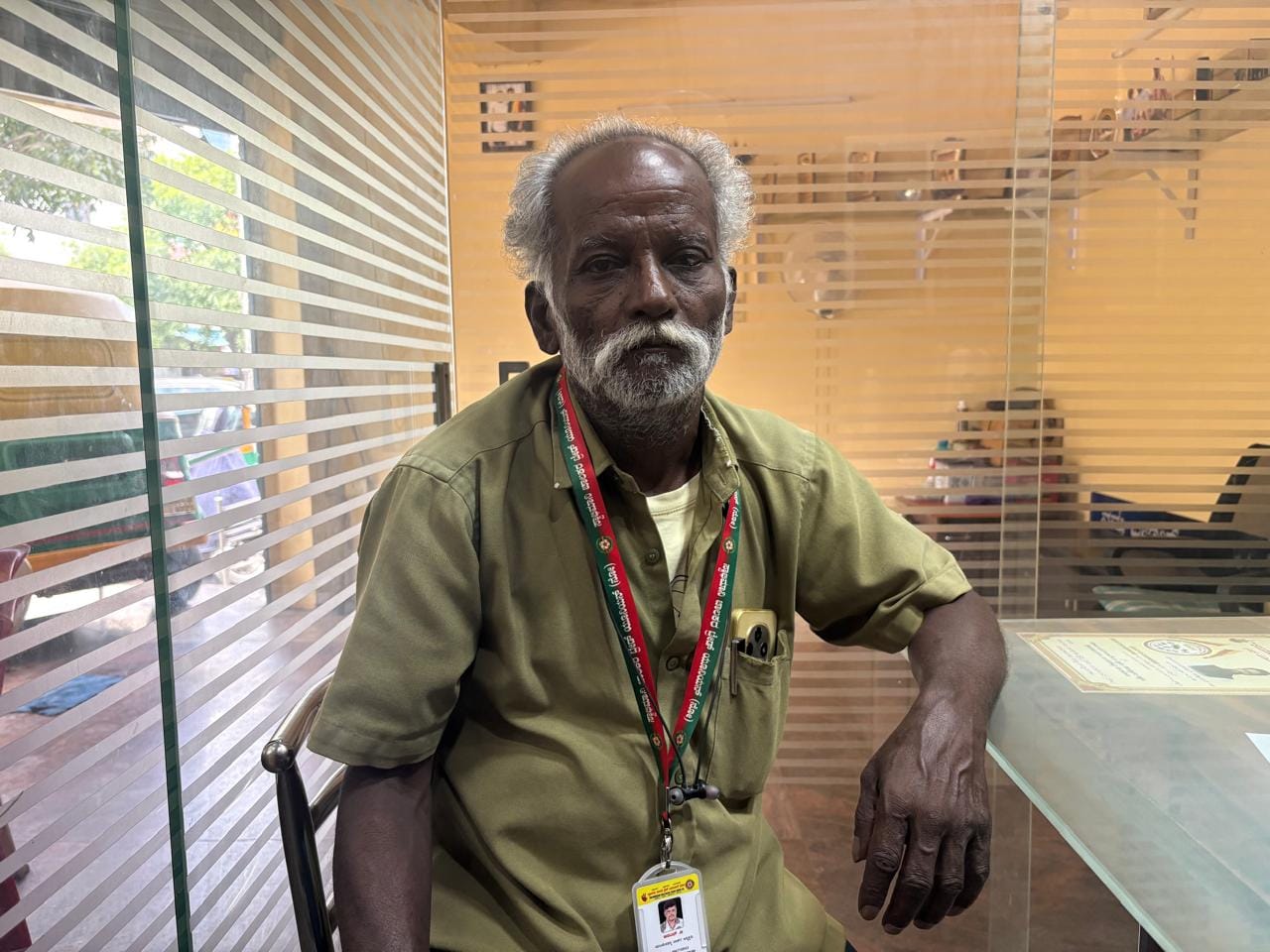
Years later, the debt still haunts him. Every month, he pays Rs 7,500 in EMIs before he can think about food, rent or medicines. His wife, who has high blood pressure, continues to work as a domestic worker.
Many parents look forward to retirement once their children begin earning. But for Kumar, Ranga, and Reshma, retirement remains a distant dream.
“Most people retire when they know their children can stand on their own feet. I never had that luck,” he said.
Also read: Harappan dead can tell many stories. Only a few are studying their cemeteries
The economy of survival
At 66, Swami still spends up to 12 hours a day navigating Bengaluru’s traffic, driving an autorickshaw for Uber.
Owning an autorickshaw once felt like security.
Today, after fuel costs, commissions, maintenance expenses and loan repayments, he is left with barely Rs 10,000 to Rs 12,000 a month.
He lives with his wife in a one-room sheet-roofed house on the outskirts of the city, where they pay Rs 3,500 in monthly rent. Their children are married, but the couple still sends money home whenever they can to support their ageing parents in the village.
His story reflects the reality of many older drivers working through app-based platforms. The earnings shown on aggregator apps bear little resemblance to what gig workers actually take home.
Sitting beside Ranga, Ali opened an earnings statement on his phone. It showed gross earnings of nearly Rs 40,000, but the amount transferred to the driver’s bank account is just Rs 21,000.
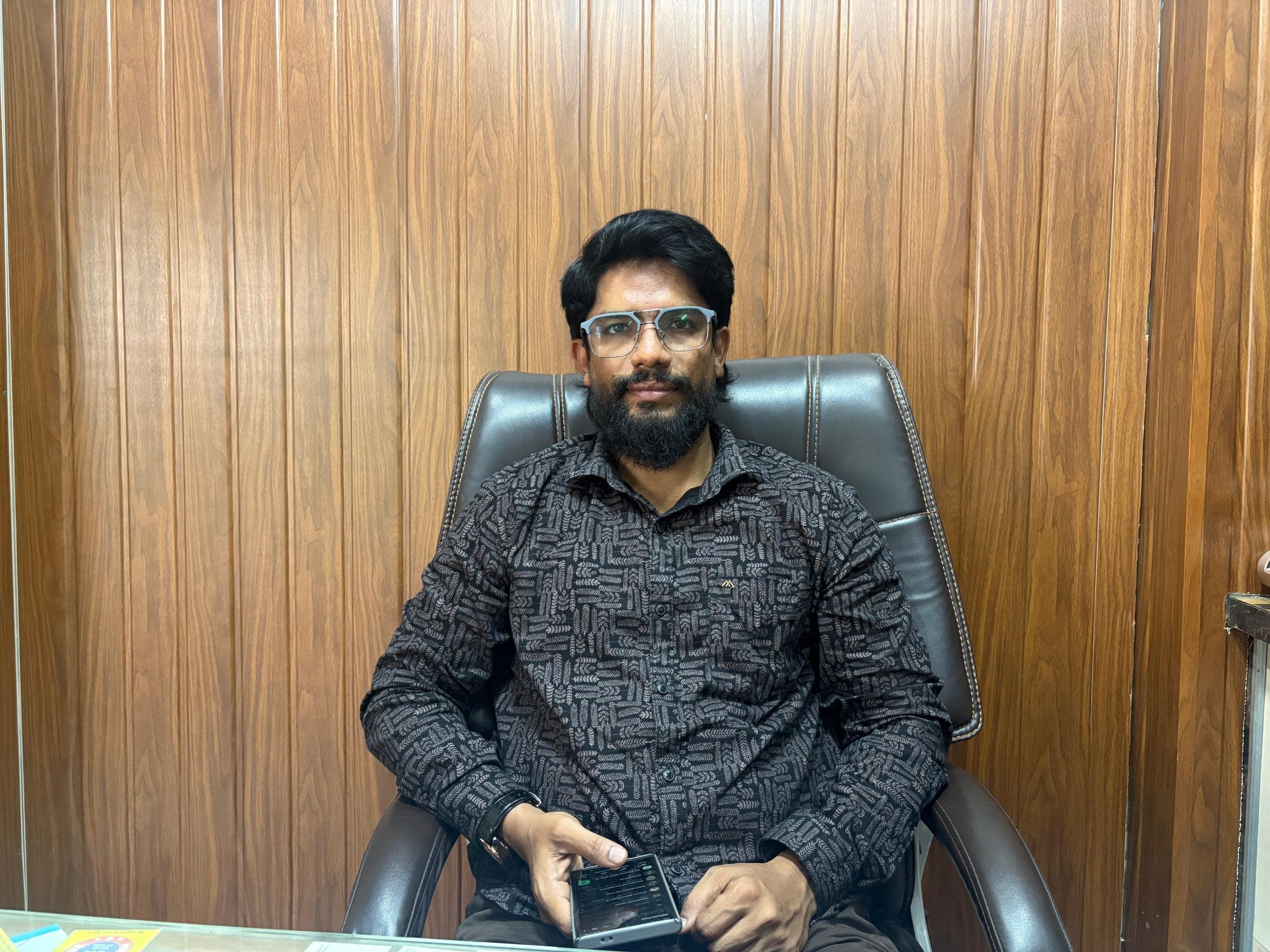
“When an aggregator tells you a driver has earned Rs 50,000, that is not what reaches him. First comes the commission. Then fuel. Then insurance. Then maintenance. Then the vehicle instalment. After paying for everything, what finally comes into his pocket is around Rs 10,000,” said Ali.
He said most drivers have been unable to save enough over the years, and had they been able to, they would not still be working 12 to 14 hours a day in their sixties. Many suffer from diabetes and high blood pressure, yet they continue working because stopping is not an option.
Also read: What SIR in Delhi’s Shaheen Bagh looks like. Hunting for documents, avoiding rumours
Growing old on the app
India’s gig economy is no longer a small corner of the labour market.
Government estimates suggest around 12 million Indians now earn their living through gig and platform work, and that number is projected to rise over the coming decade. Gig workers now account for over 2 per cent of India’s total workforce, according to the Economic Survey.
Just last week, a 56-year-old man, who had spent 14 years working in the administration department of an insurance company, turned to gig work as a Porter delivery partner after a mass layoff in 2023. He couldn’t find another stable job because of his age and health, and now he spends his day waiting for delivery requests.
His story went viral because it spoke of the experiences of many older workers across India’s cities who find themselves pushed into the gig economy.
For younger workers, gig work can be a temporary source of income or a flexible career choice. But with many older workers, it has become a last resort.
Former factory workers. Small business owners. Office employees who lost their jobs. Men and women who imagined they would eventually take rest, only to find themselves working longer hours than ever before.
“These platforms offered them work. They did not offer the security that usually comes with growing old,” said Ali.
Their journeys into gig work could not have been more different. Reshma was pushed there after illness and the collapse of her tailoring business during the pandemic. Kumar never really left the road because family responsibilities never ended. Ranga stayed because debt left him with little choice.
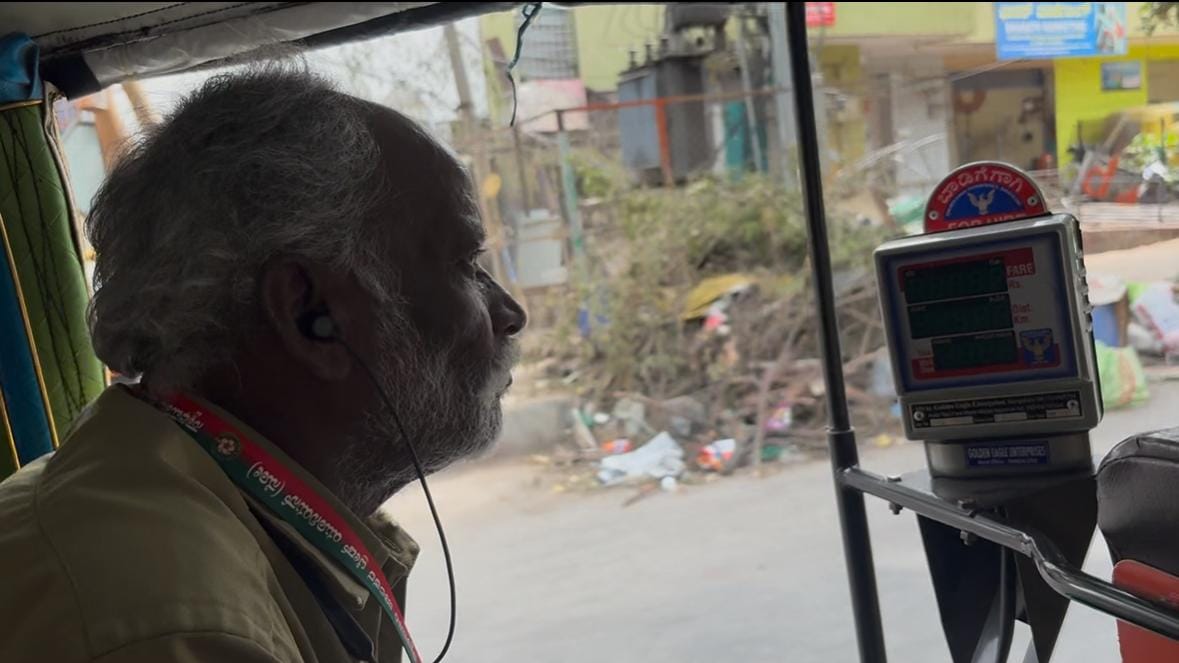
It was well past lunchtime, but Ranga had eaten nothing. Three cups of tea were all he had consumed since morning. Eating, he said, takes time and money. But there was another reason too. Many of his teeth are missing, and he feels self-conscious eating in public because food sometimes slips from his mouth. So he skips lunch altogether and keeps driving.
(Edited by Janaki Pande)
Sakshi: Thank you for the in-depth article. Your writing highlights a major problem with sensitivity and empathy.
We celebrate youth and talk endlessly about start-ups, Viksit Bharat, and being Vishwagurus (whatever that means), while leaving so many behind. To experience this level of financial insecurity after a lifetime of working is a damning testament to the failure of our politics.