





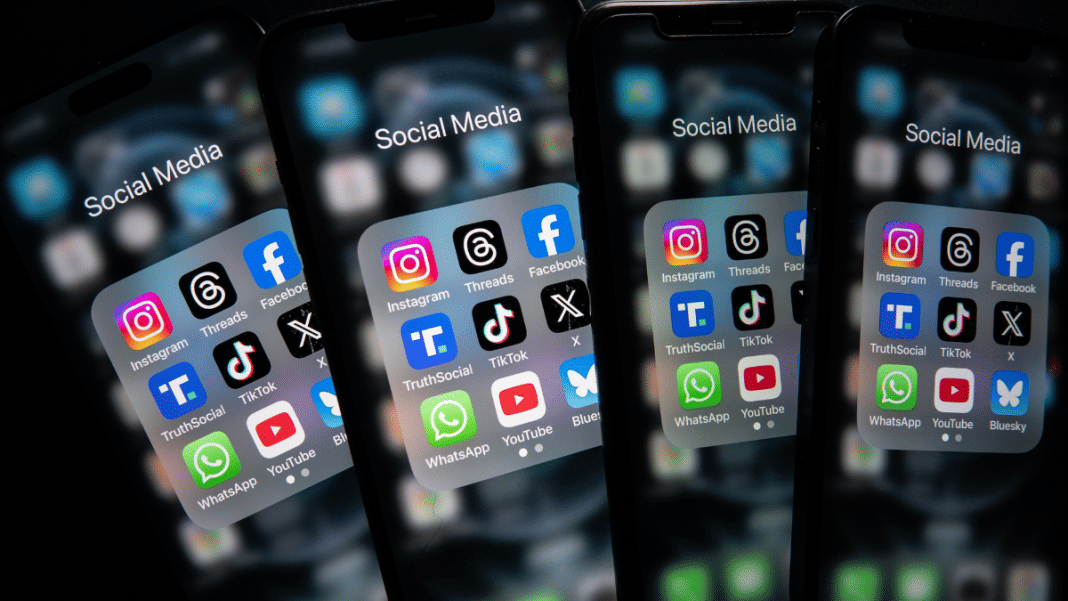


Social media is a big part of our daily lives. Apps like Instagram, X and YouTube are used by millions of people to share their thoughts and ideas. It feels like everyone now has a chance to speak and express themselves. But we must ask: does social media really help everyone be heard, or does it just create too much noise?
On one hand, social media makes it easy for people to share their opinions. Earlier, only newspapers, TV channels, or large media companies could share news with many people. Now, anyone with a phone and Internet connection can post content online. This helps many people, especially those who were not heard before, to share their views.
Important topics like mental health, climate change and equality are talked about more because of social media. So, it can be helpful and powerful in various aspects.
There are problems too, however. Every day, a huge number of posts are shared online. Because of this, it becomes hard to know what is true and what is false. Many times, posts that have shock or emotional value get more attention, even if they are incorrect or misleading. This can spread wrong information rapidly, creating false accusations which may be alarming.
Another problem is that not everyone is heard equally. People who have more followers like influencers or celebrities get more attention. Regular people may not be noticed even if they have good ideas. This means popularity becomes more important than truth. People tend to use popularity as something to differentiate people and classify one.
Social media can also make people post just to get likes. Instead of being honest, they may follow trends or copy others. This makes conversations less real. Some people also post negative or hurtful comments because they feel safe online. This tends to also create various disagreements between one another.
Still, social media is not all bad. It is just a tool. It depends on how we use it. It can help people learn, connect, and create change if used in the right way.
To make social media better, both users and companies must act responsibly. People should think before they share anything and check if it is true. They should respect other opinions.
Social media companies should try to reduce false information and minimise biases. Schools can also teach students how to use social media wisely.
In conclusion, social media does give people a voice, but it can also create noise. It depends on us how we use it. If we use it carefully, it can be a strong and positive tool.
Sanvi Goel is a student of Genesis Global School. Views are personal.
Also Read: From novels to reels: Are we storytelling or just scrolling?