





Digital culture is the way the people create, communicate and express themselves through technology, and it has made creativity available at the tap of a screen, but in the process, this ease drowns out the crafts of traditional art passed on throughout centuries and generations. We live in an era where anyone, anywhere, at any age can create content that reaches the world overnight, all from the comfort of their home.
This freedom of expressing oneʼs creativity has made art accessible to a great extent, but is it necessarily for the better?
Social media platforms, like TikTok, Instagram, and YouTube have created entirely new art forms such as edits, short films, memes, and entire three-hour-long stories adapted to a form that the average Gen Z finds appealing and entertaining. Online fandoms have created communities where people write fiction and create illustrations of their characters, reaching audiences that appreciate their works.
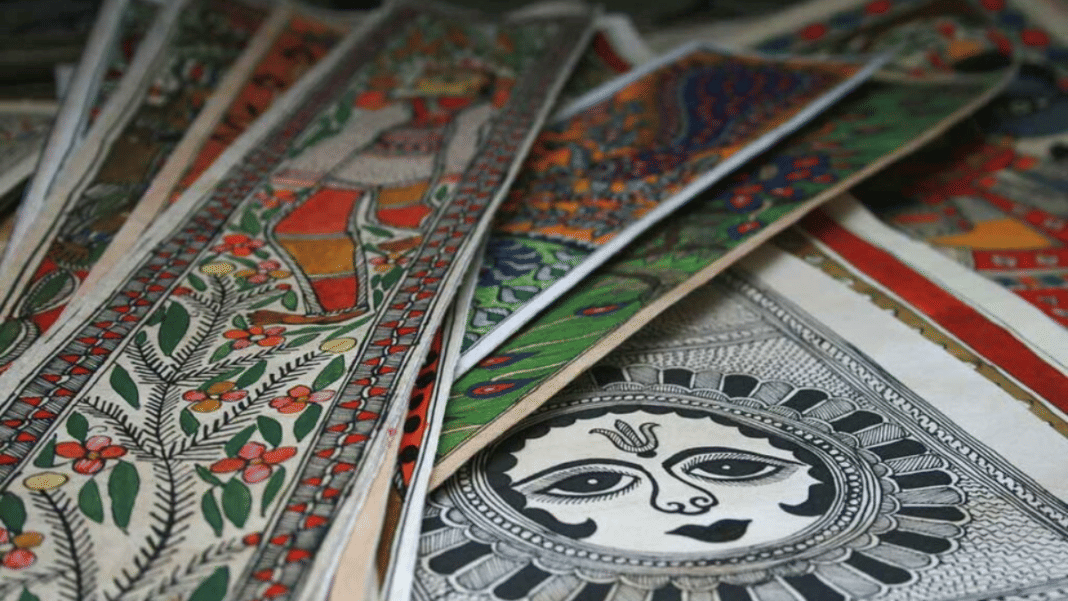
Platforms like Bandlab have made music composition easier, and AI composers have made it effortless, making the need for formal music training obsolete. This is also applicable to art such as Madhubani, Warli, Kalamkarli and more.
Digitisation is reshaping how these art forms are made, and the need for artistic skills decreases day by day.
But every gain comes with a loss. Traditional art forms, such as Madhubani paintings, classical music, classical dance forms like Kathak, traditional weaving using handlooms, and street theatre hold centuries of culture and techniques that digital culture simply cannot capture.
UNESCO has raised awareness about how indigenous and folk art forms globally are fading, with digital culture being a key reason. When was the last time any of us got off of our devices long enough to truly experience something connected to our roots?
The problem is not digital culture itself, but the excessive use and dependency that weakens our connection to our cultural roots. Digital culture without the traditional art forms is like a body without a soul, carrying no memory of where it came from.
The solution is not to abandon digital culture, but to use it in a better way. Edits can be made on anything, even things like Kathak performances using classical Indian music. Research shows that children exposed to both traditional and digital art forms develop stronger creative thinking. This proves our theory that the two do not have to compete, but can complement each other.
Schools should incorporate a blend of digital and tradition into their curriculums, ensuring students value and understand both. Social media companies should also take responsibility, dedicating spaces that promote folk, classical and indigenous art alongside trending content, making them discoverable to young audiences. NGOs should fund and support traditional artists, starting courses to teach them to others.
Digital culture is a double-edged sword, it may have made our lives easier and simpler, but it weakens our connection to our roots. It is our responsibility to use this sword sensibly.
Avyukt Aggarwal is a student of Genesis Global School, Noida. Views are personal.