


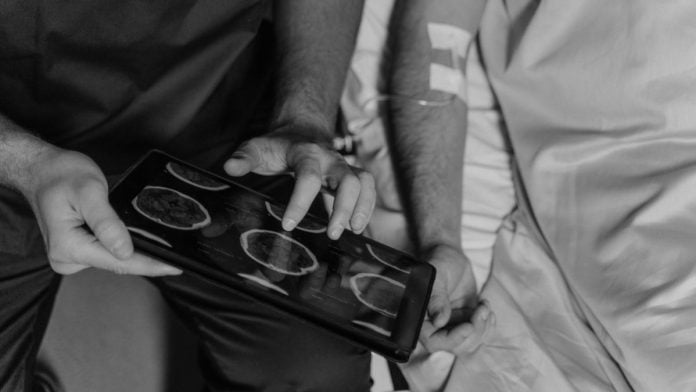
New Delhi: Scientists have found that a higher dose of radiation to the brain during early years can increase a child’s risk of developing a brain tumor. While medical imagining is often essential, they highlight the importance of using ionizing radiation, such as CT scans, only when absolutely required.
The study, published in Jama Network on 19 November by a team of researchers from UC Davis and UC San Francisco, included over 3.7 million children in the US and in Ontario, Canada. The team investigated the effects of ionizing radiation in diagnostic tests such as X-rays, CT scans, PET scans, and other procedures.
While many of these tests are used to detect illnesses such as cancer, they are also useful when monitoring conditions or guiding probes in medical procedures. Among children, the head is the most commonly imaged part of the body and scanning it means exposing the child to higher radiation dose compared to other types of scans.
“The study found that the risk of a brain tumor remains small in children exposed to ionizing radiation from medical imaging; however, risk increases with higher radiation exposure,” lead author Diana Miglioretti, a UC Davis Health professor, said in a statement.
Also read: Fossil fuels vanish from COP31’s latest climate deal draft
Brain tumors
Brain tumors are the second most common cancers in children, and the leading cause of cancer death among them. To see if they were indeed linked to radiation exposure, scientists followed nearly 3.7 million children for an average of 12.3 years from their birth. They collected and analysed their electronic medical records to assess how much radiation they had been exposed to.
“We were able to follow this very large group of children from birth and estimate radiation dose to the brain from multiple types of imaging. This allowed us to quantify relative and absolute brain tumor risk across the range of exposure levels encountered in current clinical practice in the US and Canada,” Miglioretti said.
Among the participants, over 1,500 were diagnosed with brain tumors, of which 55.7 per cent were in males and two-thirds were diagnosed between the ages of two and 10. The study classified nearly 82 per cent of the tumors as “aggressive”.
The study found that even one head CT scan could lead to a 1.8-fold increased risk of a brain tumor. This translated to nearly eight more brain tumours per 10,000 children. Researchers estimated the broader risks of medical imaging and concluded that nearly 10.1 per cent of brain tumors in children are linked to radiation.
“Our findings do not mean that parents should avoid getting their children medically necessary imaging. These examinations can be lifesaving. The message is that every examination using ionizing radiation should be clinically justified and performed using techniques that keep radiation dose as low as reasonably achievable while still obtaining the information needed for care,” Miglioretti added.