





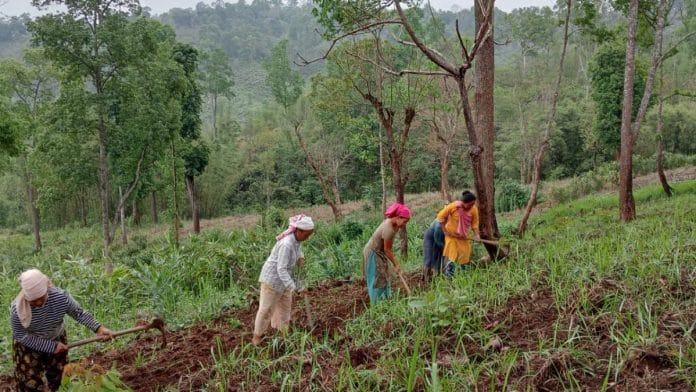


Umpanai, Karbi Anglong: Gloris Kropi begins her day at 5 am. By the time most of Umpanai village wakes up, the 63-year-old is already on the slopes, one among dozens of women working long hours cultivating pineapple and ginger in the hills hidden deep inside Assam’s largest district, Karbi Anglong.
Her husband, a retired school teacher, and her son want her to stop.
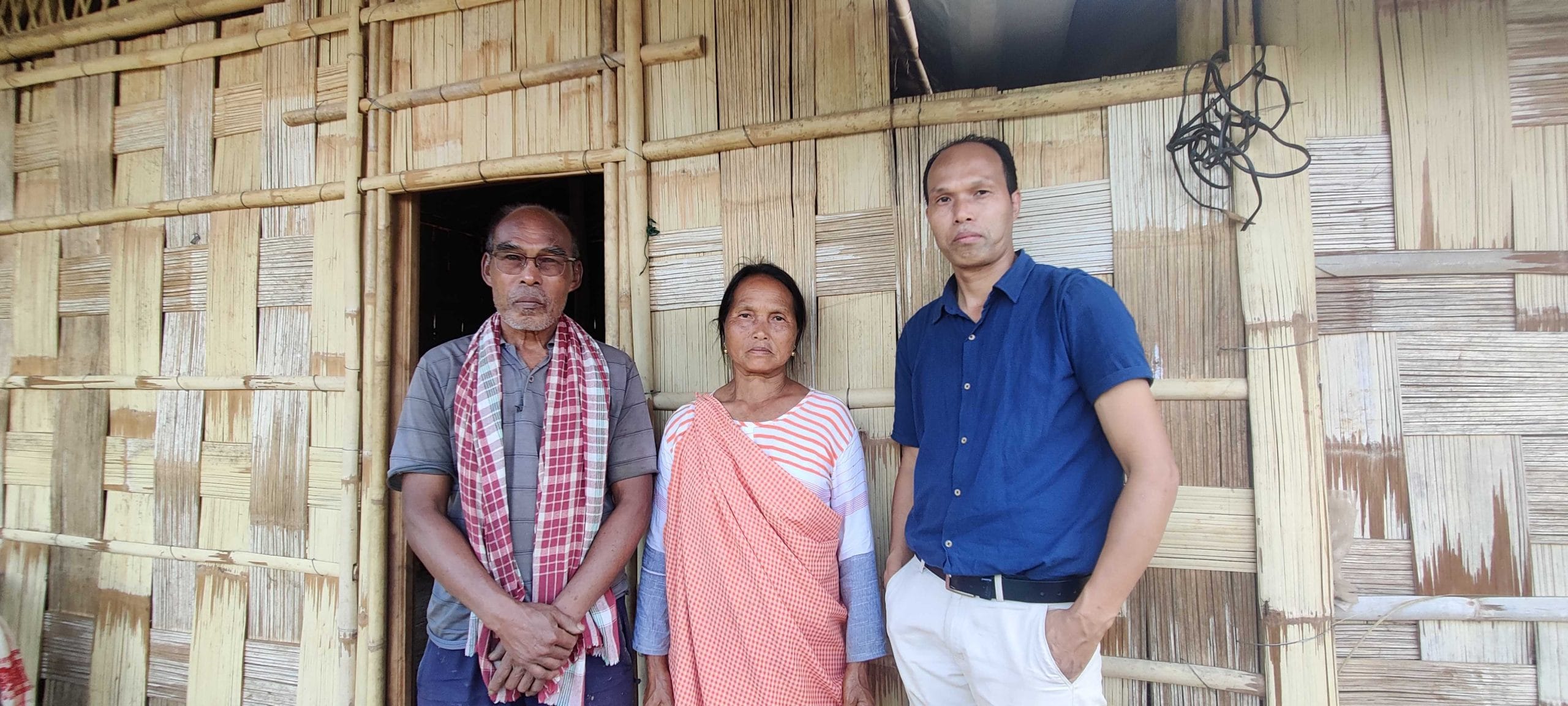
“She can’t stop now. She has done this for decades,” her son Zolverin Singnar said. “If she stays at home, she gets bored.”
In Umpanai, women have always been central to farming. They sow, harvest, carry produce, clear fields and manage domestic work simultaneously. Yet for years, many remained outside the actual business of agriculture — pricing, negotiations and market access were largely controlled elsewhere.
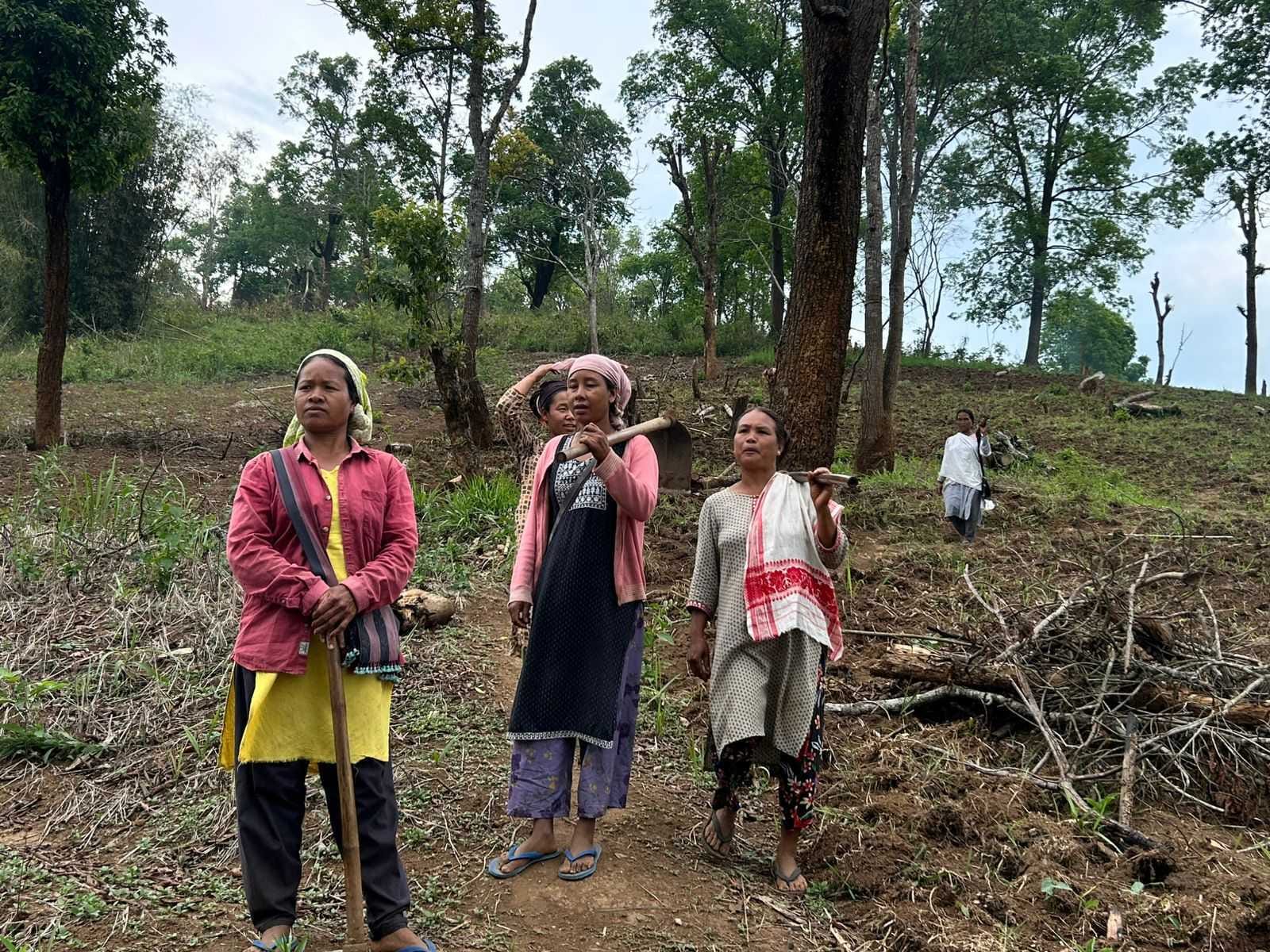
Things started looking up last year after the mountain village was adopted by Guwahati-based import-export company ADGA-EXIM, founded by siblings Gaurav and Drishti Medhi.
“The buyer didn’t negotiate with her. The price wasn’t set with her in the room,” said Drishti, 29, describing the older agricultural system that women farmers operated within. “She produced the value, and the margin went elsewhere.”
The company is trying to bring 300 women farmers like Kropi into formal supply chains by connecting remote villages directly to domestic and international markets, reducing dependence on middlemen and introducing women to digital and market systems they were previously excluded from.
Women constitute over 42 per cent of India’s agricultural workforce, according to government estimates, yet remain largely invisible in conversations around ownership, pricing and trade. In Umpanai, women make up around 60 per cent of farmers.
“Women will be inspired to maintain quality standards by this initiative,” said Manju Rani Gogoi, joint director in Assam’s Industries, Commerce and Public Enterprises Department. “Their efforts will transform raw commodity sellers into branded exporters.”

Assam’s ‘Wakanda’
For decades, farmers in regions like Karbi Anglong remained dependent on middlemen who controlled procurement and transportation networks. Limited connectivity and lack of direct access to buyers often meant produce left villages at low prices while profits accumulated elsewhere.
ADGA-EXIM said it now determines pricing after studying domestic and international market rates and logistics costs to create what it calls a more transparent procurement system.
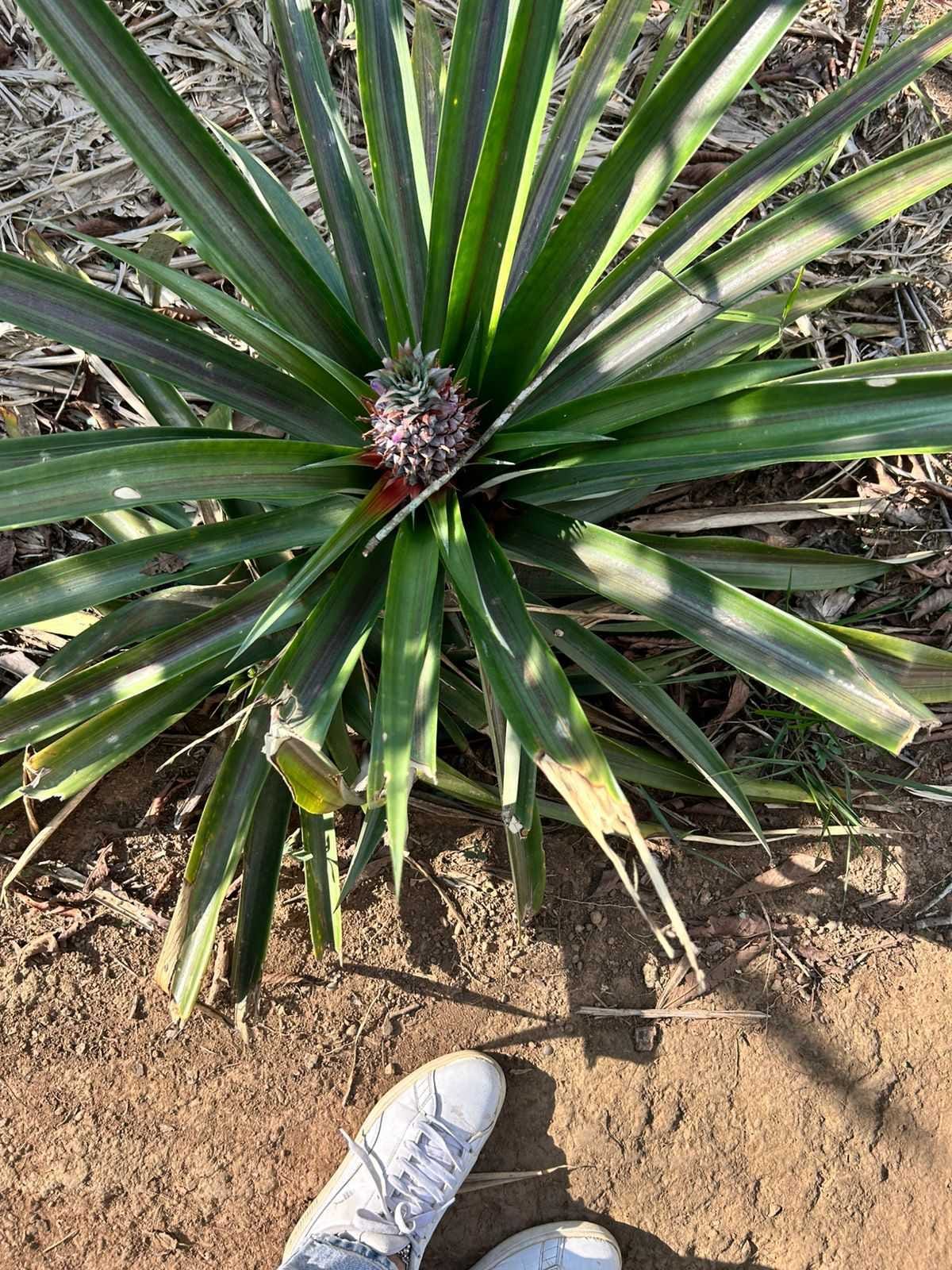
The company currently exports raw agricultural produce like pineapple and ginger while building plans around household-level manufacturing clusters and entrepreneurship models for villagers.
The major disadvantage women faced, Drishti said, was because the system itself was built around informal middlemen networks.
“The dependency was built into the architecture of the system,” she said.
ADGA-EXIM’s goal is to convert women’s labour into tangible financial outcomes for them.
“Northeast is largely matriarchal. Women have always been at the forefront of agriculture, of weaving, of running households and small trades simultaneously,” Drishti said. “We were never coming in to ‘give’ women agency they didn’t already have.”
At present, the company is focused on raw produce exports based on domestic and international demand. Its next phase involves creating cluster-based micro manufacturing units inside households, allowing villagers to become small entrepreneurs.
For ADGA-EXIM co-founder Gaurav Medhi, the work is also about changing how the Northeast is perceived. Working in Umpanai, he said, reminded him of Wakanda, the fictional African nation from Marvel’s Black Panther — hidden behind mountains, insulated from exploitation and deeply connected to its resources and community systems.
“Wakanda protected its resources and culture behind an invisible shield. Similarly, villages like Umpanai are naturally protected by the mountains surrounding them,” Gaurav, 33, said.
The company’s Women in Agritech Initiative (WAI), being run with Georgia’s Business and Technology University and supported by the Indian Embassy in Georgia, currently focuses on villages in Assam and Nagaland.
Also read: Bihar made 6 Musahar women bus drivers. A man supervises them, of course
Before sunrise
Every morning, Gloris Kropi sweeps the house, prepares breakfast for the family and gathers her farming tools before beginning the 40-minute walk uphill to the fields she has worked in for over four decades.
The crops changed over the years, but the money rarely did. The middlemen menace persisted.
For over three decades, farming has dictated the lives of Umpanai’s women farmers. Many women like Kropi continued farming well beyond what would conventionally be considered retirement age. Her family has offered her Rs 5,000 per month to retire from farming. But Kropi is defiant.
“Women work much harder in farming,” Kropi said after a 12-hour shift in a pineapple field. “It’s like muscle memory now,” she added. “Even if I wanted to, I couldn’t stop.”
The winding roads leading to Umpanai are still under construction. The deeper one moves into Karbi Anglong, the more the landscape closes in — mountains swallowing network signals, forests thickening around roads and construction machinery suddenly appearing on deserted patches.
The village is spotless, has hibiscus blossoms lining every road, and a local Presbyterian church serves as the central point. Karbi is the largest indigenous tribe in the village.
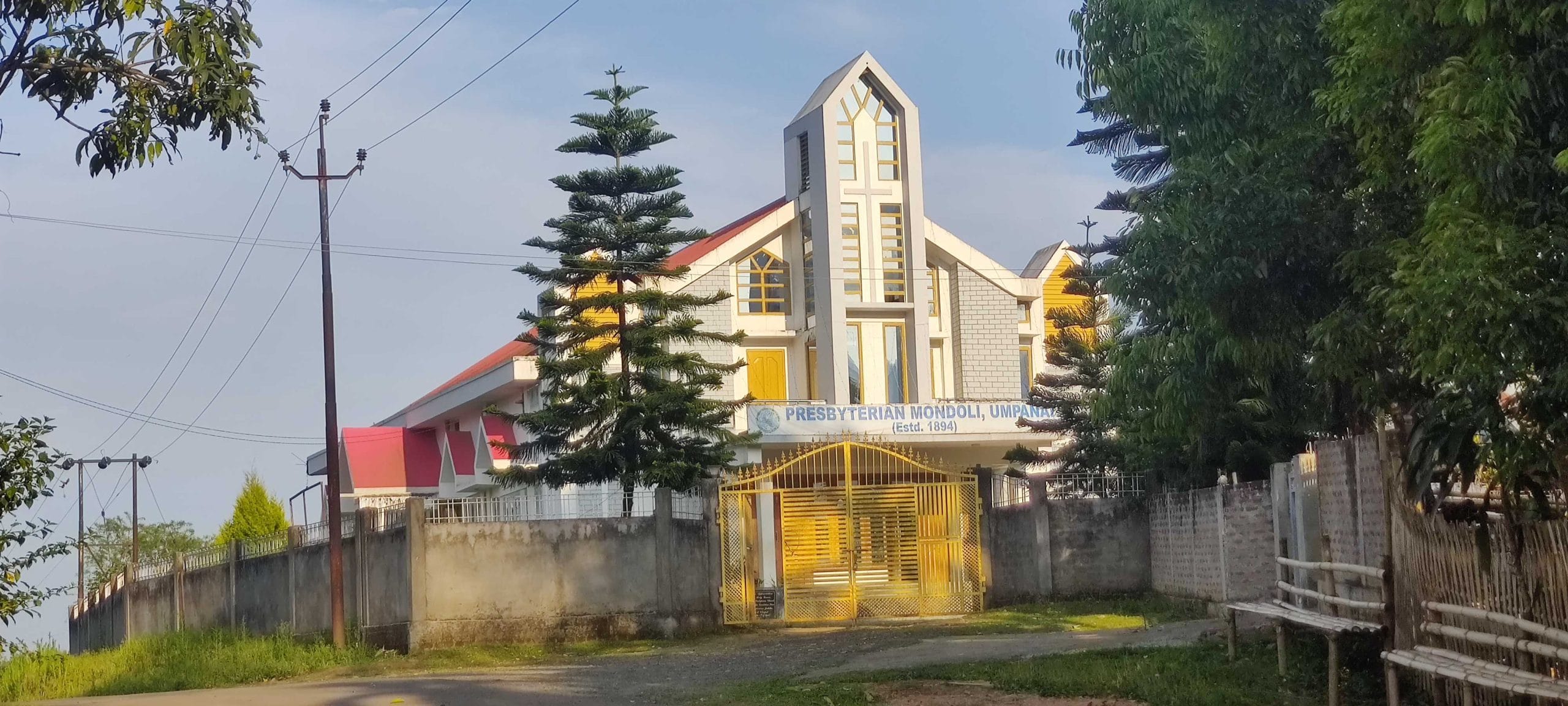
Unemployment remains one of the biggest concerns for younger residents, many of whom leave for towns and cities in search of work. The ones who remain run small grocery shops or eateries and those who return are now trying to rethink what the village can become: an agricultural hub, a tourism destination and a locally-driven economic ecosystem.
School principal Zolverin could have chosen a better life elsewhere, but he returned a few years ago.
“I used to get Rs 30,000 per month at my last job. That is a lot of money but I wanted to come back and do something for our 1,700 residents,” Zolverin, 38, said. “It is the responsibility of the local people who go outside to return and do something for the village.”
Zolverin is now trying to set up a cliff-top resort overlooking the village and hopes that people will come visit after roads and streetlights are operational.
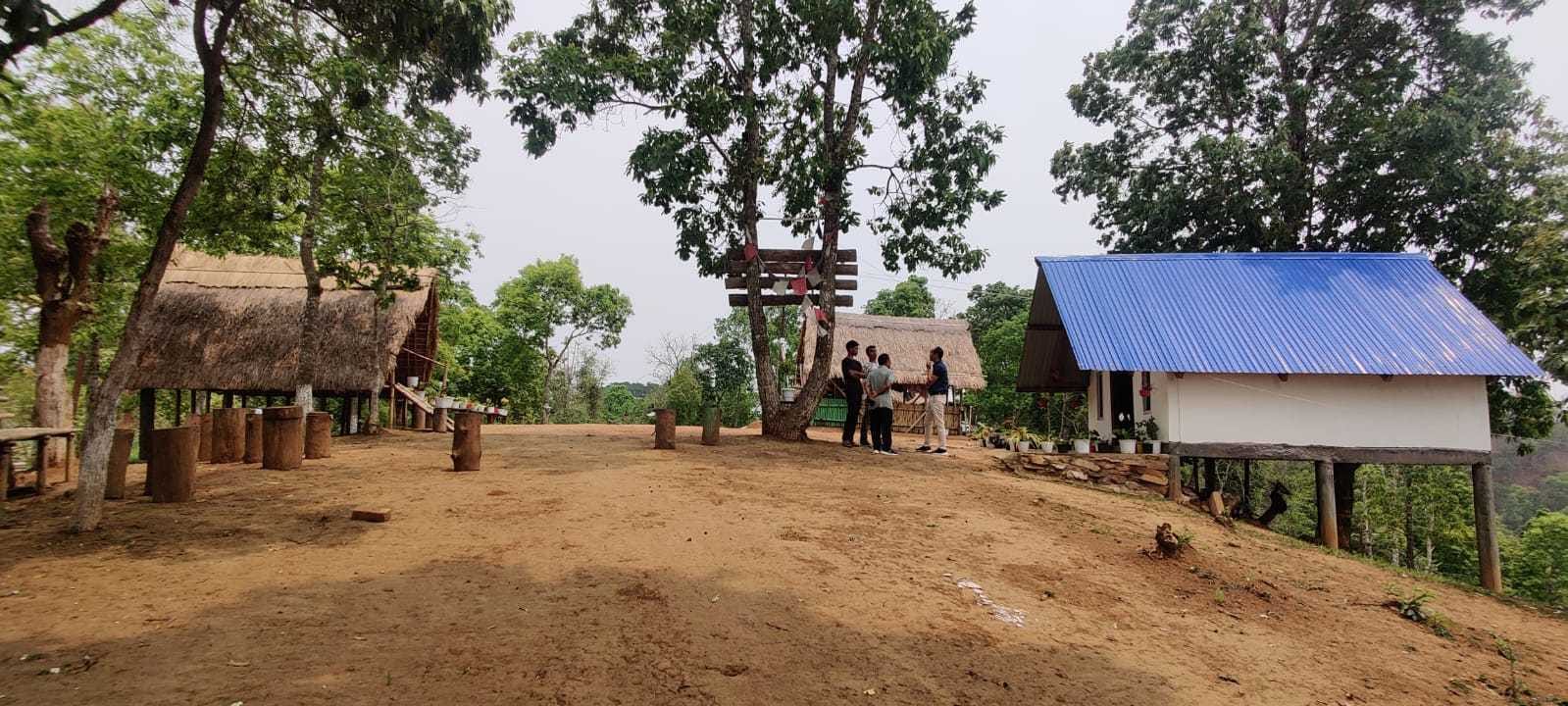
“It will be a very different experience,” he said. “Away from phones, chaos and the city even if for a few days. Umpanai will stay with you for life.”
Infrastructure, however, remains a major hurdle.
Road conditions worsen significantly during monsoons, making transportation difficult and sometimes cutting off access entirely. Communication barriers with elderly villagers and lack of institutional support also slowed early operations.
But with roads set to be completed this year and market access expanding, villagers and entrepreneurs alike believe places like Umpanai may finally be entering wider economic networks without entirely losing their identity.
“During our initial feasibility visits, we honestly did not imagine we would be able to start operations there,” the siblings said. But a closer look changed that assessment.
“What we realised was that these communities already had systems, discipline and sustainable practices in place,” Gaurav said. “What they lacked was market access.”
ADGA-EXIM has adopted another village in Nagaland called Sitimi, and the project will be based on the Umpanai model.
(Edited by Ratan Priya)