


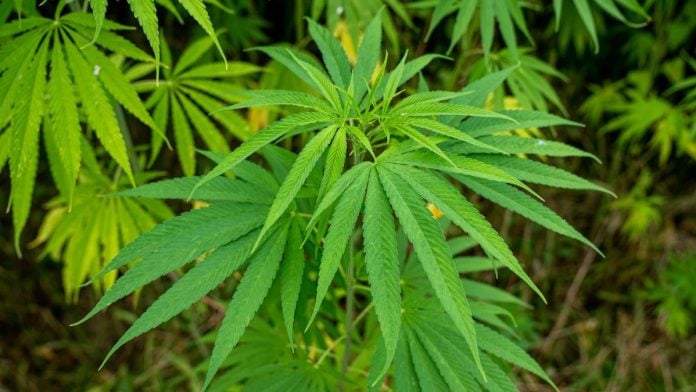
New Delhi: Scientists found nearly 1,000 cannabis seeds at an ancient burial site in southern Siberia. Traces of the chemical and plant were also found in human hair preserved at the site, suggesting that nearly 2,800 years ago, ancient humans could have consumed the drug as a part of burial rituals.
“These data add to the growing global repertoire of archaeological evidence for ancient people using plants as mind-altering or mood-altering drugs. Early cannabis use thus emerges not simply as a pharmacological curiosity but as an indication of how ancient societies experimented with and ritualized the psychoactive qualities of the botanical world,” the authors said in a statement.
The findings were published in Science on 5 November by a team of international scientists led by Gino Caspari, an archaeologist at the University of Bern in Switzerland. The team was studying the Tunnug 1 burial mound in southern Siberia, a tomb that is likely to have belonged to a wealthy family, a part of the horse-riding Scythian people who lived in Eurasia.
“The findings suggest that the plant was used for its psychoactive qualities across Eurasia, where specific wild populations might have had naturally higher active compound levels,” read the study.
Also read: Human noise pollution is harming 80% of species studied, find scientists
Ancient cannabis seeds
Once researchers discovered the cannabis seeds, they used radiocarbon dating to trace their age to the early 8th century BC. The discovery of the plant was not enough to prove that it had been used as a drug — to make that link, researchers used a well-preserved sample of hair.
Using mass spectrometry, which identifies the chemicals in a particular substance, they found traces of cannabinol in the hair sample. This is a compound that is created when THC, the main intoxicating compound in cannabis, breaks down over time. Researchers are yet to determine if the cannabis was smoked or whether the Scythians had another way of consuming the drug.
“The seeds show that cannabis played an important role in the rituals surrounding the burial. This study is particularly insightful because it combines the analysis of plant remains with molecular traces in the human body,” Caspari said. “We have already begun sequencing some of the plant samples. DNA preservation is excellent in this case. This will help us learn more about the history of the domestication and spread of this crop soon.”
The discovery has also allowed scientists to make several speculations. The remains of sacrificed horses and human bones suggest that maybe the drug was given to people who were to be sacrificed, to calm them before the ritual. Much of these speculations are only theories.