



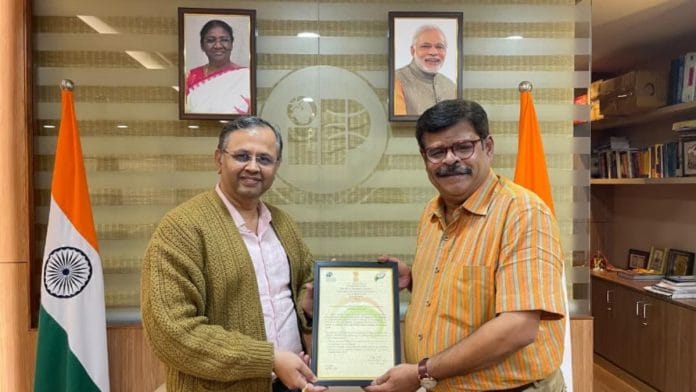
New Delhi: Fourteen years after a new copyright law gave screenwriters a legal claim to royalties when their work was used beyond the cinema hall, the cheque arrived. All the way from Chile. The next in line is Uruguay.
But before the money can reach writers, they have to join the newly formed, ambitious copyright society, the Screenwriters Rights Association of India (SRAI). And not all of them want to.
That is the current headache of Vinod Ranganath, the CEO of the society. Widely remembered for Swabhimaan, the Mahesh Bhatt-helmed afternoon daily soap that became one of Doordarshan’s most remembered shows of the 1990s, Ranganath’s work these days is less about writing scenes and more about building systems for writers.
“I’m the only person working. I’ve stopped my writing career of 33 years, and I’m setting this up,” he told ThePrint.
His is largely an invisible, often thankless, fight. But in a film industry infamous for only paying its big stars handsomely and neglecting all other cogs in the wheel, Ranganath’s battle is a long time coming. It seeks to end the invisibility of the movie script writer. The demand itself is not new: writers’ groups and senior screenwriters had pushed for royalty rights around the 2012 Copyright Amendment. The SRAI was formed in 2013, but its registration as a copyright society came only in December 2024.
There was no registered copyright society dedicated to screenwriters prior to SRAI, and that absence was the central reason why the royalty framework remained ineffective for so long.
—Anamika Jha, media and entertainment lawyer
For decades, Indian screenwriters were paid once for a film or show, even if that work later travelled to television, streaming platforms, overseas markets, or reruns. The 2012 Copyright Act Amendment changed that somewhat. SRAI’s registration as a copyright society on 30 December 2024 gave them, for the first time, a collective body that can negotiate tariffs, collect royalties, receive money from foreign copyright societies, and distribute it to writers and their legal heirs.
A part of this system has already started moving. Copyright societies in Uruguay, France, and Australia have sent SRAI lists of Indian films and shows watched in those countries, along with records of possible royalties attached to them.
These lists have now turned a legal breakthrough into quite a bit of paperwork.
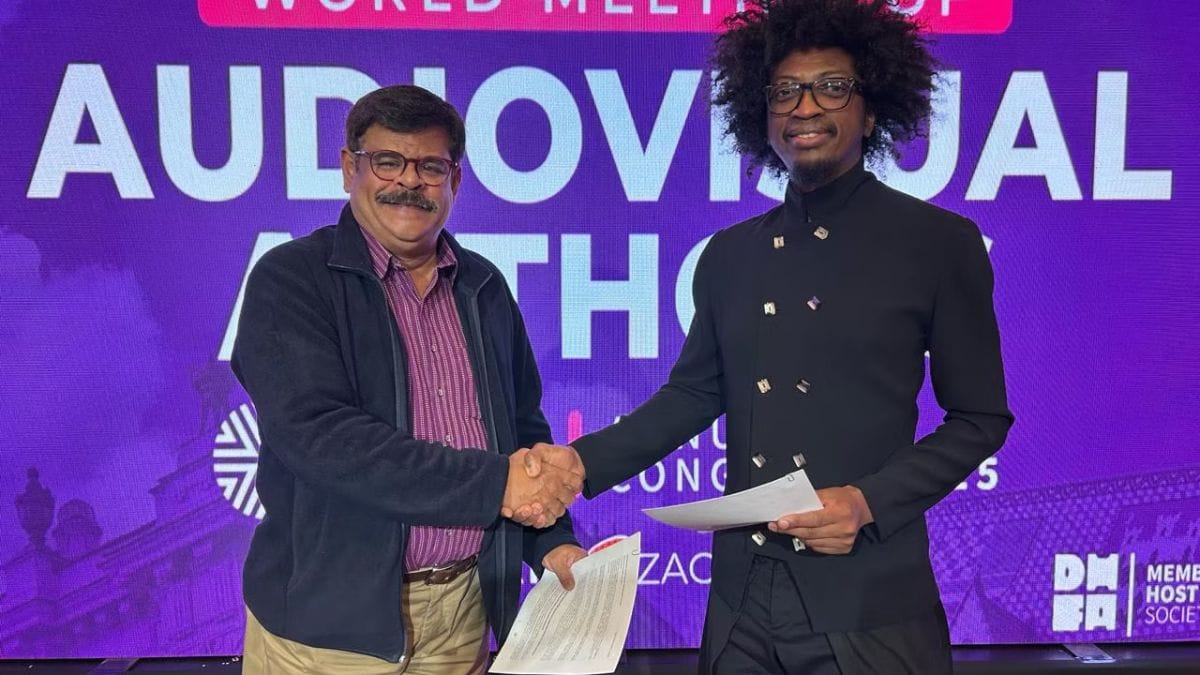
The writer building the system
For Ranganath, it all begins with one question: How many members can he enlist? That is his first steep climb. Ironically, the group of people he is fighting for have been the hardest to woo.
SRAI currently has around 680 members. From the lists already received from foreign societies, Ranganath estimates that around 500-600 writers and 10 legal heirs who may be entitled to royalties are still not members.
To become a member, a writer has to pay a one-time fee of about Rs 6,600, which includes GST, e-KYC, e-signing, and deed-related costs. For a society trying to convince writers that royalties are finally real, even that amount has become part of the hesitation.
Some are asking how much they will get before they even register.
“The question is not ‘How much will I get’. The fact is that you are going to get a bonus for work you have done, when it is monetised in other mediums. The importance of that is something which people are not able to understand or they are not able to believe,” Ranganath said.
It is a strange position for a copyright society to be in: the first royalty payment has arrived, but Ranganath still has to convince some writers that the system is real enough to enter.
For him, this is where the legal victory turns into daily labour. The copyright society is still in its nascent stage, but it is already dealing with foreign societies, membership forms, title lists, legal heirs, credits, and claims.
Each list means days of work before SRAI can even receive the money. A title has to be identified. The writer credit has to be checked. If a film has separate story, screenplay, and dialogue writers, the share has to be worked out. If the writer is dead, the heir has to be traced. But all of this is immaterial unless the writer or legal heir becomes a member. Without that membership, SRAI is not entitled to claim or receive the royalty on their behalf.
“This entire business is all about data. Collecting data, verifying data, processing it through various protocols. It’s a whole lot of number-punching,” he said.
The foreign lists show the scale of the afterlife Indian films and shows already have. But for SRAI, they also show the scale of the gap.
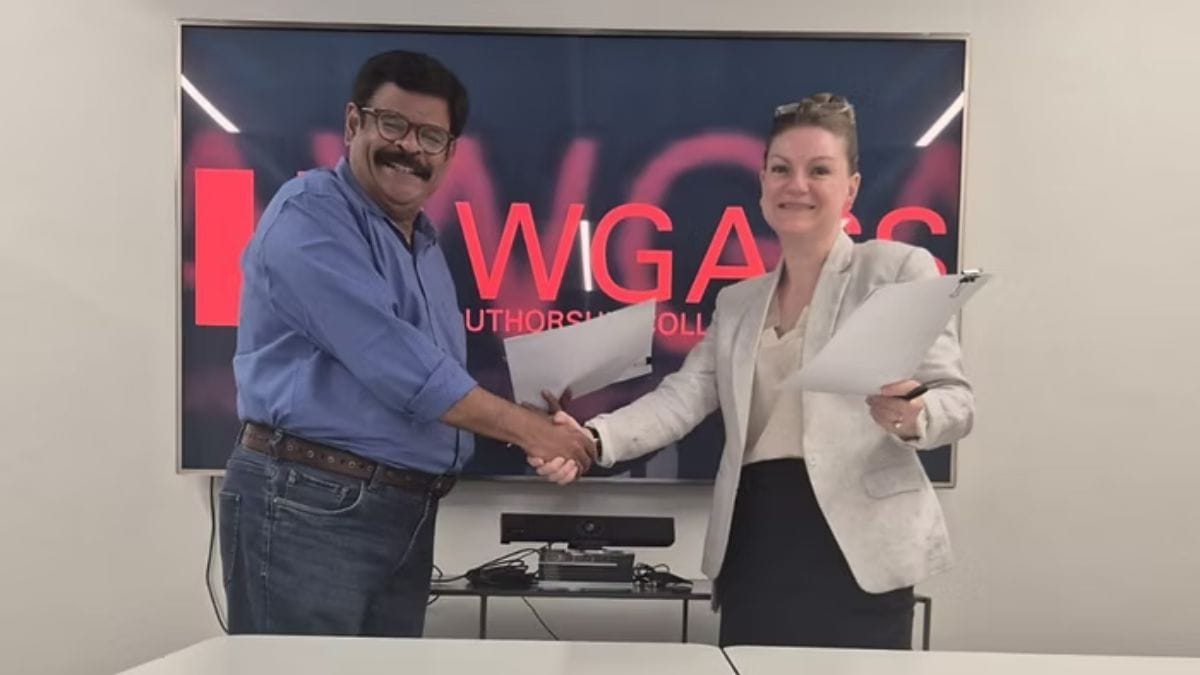
The Chile list has 11 titles. The one from France has about 100 titles, Uruguay about 6,000 titles, Australia+NZ, about 40.
That is why Ranganath’s first fight is not in court or across a negotiating table. It is with records, membership forms, credits, and calls to writers who may have money waiting for them, but have not yet signed up.
And the calls are only one part of the battle. SRAI also has to make the Indian market accept that screenwriting royalties are now part of the cost of using films and shows.
Also read: Does PM-WANI need a reset? India’s public Wi-Fi is everywhere and nowhere
From legal right to working system
The way the music industry functions in Indian films shows one functioning template for how Ranganath can remodel the writing industry. The Indian Performing Right Society (IPRS), which represents lyricists, composers, and music publishers, has made licensing a key part of the business of using songs, lyrics, and compositions, since its registration as a copyright society in 2018.
Broadcasters, streaming platforms, event organisers, and other users now pay royalties as part of the cost of using music. And the money is flowing in. The numbers tell a story of success.
According to IPRS’s 2022-23 annual report, its revenue grew from Rs 45.7 crore in 2017-18 to Rs 313.8 crore in 2021-22, and then to Rs 564 crore in FY2022-23.
SRAI is asking for the same principle to apply to stories, screenplays, and dialogues. If a film, television show, or streaming title continues to earn through broadcast, streaming, or other commercial use, the writer cannot be cut out of that revenue chain.
Anamika Jha, a media and entertainment lawyer and founder of Attorney for Creators, said the issue after 2012 was institutional, not legal.
“There was no registered copyright society dedicated to screenwriters prior to SRAI, and that absence was the central reason why the royalty framework remained ineffective for so long,” she said.
In India, SRAI now has to deal with end users: the companies or establishments that commercially use the work. These include producers, broadcasters, OTT platforms, and movie channels, among others.
How the money moves
Once the principle is accepted, the next question is what actually attracts royalty. For films, Ranganath said, the line is the box office. Theatrical earnings do not attract royalties for screenwriters. The claim begins when the same film is used beyond the cinema hall.
“Statutorily, the money made out of the box office doesn’t attract [royalty]. The moment [a film] gets licensed to Netflix or Amazon, then on that licensing fee, SRAI can charge a royalty,” Ranganath said.
The same principle would apply when a film is broadcast on television or streamed on a platform. Television and OTT shows enter the system differently because they are made for broadcast or streaming in the first place. There, SRAI’s task is to connect revenue, usage, and credits.
If a broadcaster, platform, or other end user pays SRAI a royalty pool, the society has to break that amount down title by title. It must:
- Identify the film or show that was used
- Verify the credited story, screenplay, and dialogue writers
- Determine whether those writers are SRAI members
- If a writer has died, establish whether the legal heir has joined the society
For television channels, the calculation would depend on advertising receipts and television rating points. For streaming platforms, it would depend on viewership data. The more granular the data, the more accurately SRAI can divide the pool.
“Based on the viewership data, we have created a formula by which the money gets distributed as per the viewership of the film or the OTT show,” Ranganath said.
Foreign royalties move through another route. SRAI has signed bilateral agreements with 10 foreign copyright societies, including bodies in France, Italy, Australia-New Zealand, Chile, Uruguay, Argentina, and South Korea. Those societies can collect or identify royalties in their territories and route them to SRAI. The Indian society, in turn, can claim and distribute that money only for writers or legal heirs who are its members.
This is the machine SRAI is trying to build: licences, title-wise data, verified credits, membership records, and distribution. But for domestic royalties, the machine cannot begin to work unless Indian end users agree to pay into it. That is where SRAI has run into resistance.
Also read: Parvati Valley built a music, rave and drug economy. Now it doesn’t know where it’s headed
The industry still has to come to the table
India is late to a system that exists elsewhere in different forms. In the US, the residuals system of the Writers Guild of America compensates credited writers when their work is reused. In France, writers and directors are represented by the Société des Auteurs et Compositeurs Dramatiques, an authors’ rights society founded in 1777. Uruguay, Chile, and Colombia have recognised remuneration rights for audiovisual creators, including screenwriters and directors, according to the International Confederation of Societies of Authors and Composers.
In India, the fight starts with getting end users to engage at all.
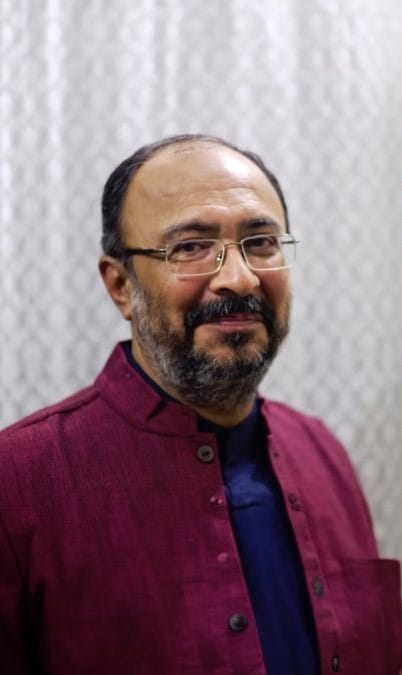
SRAI chairperson Anjum Rajabali has framed that resistance against what happens in other markets where global streamers already pay writers. In 2025, he called the differential treatment of Indian screenwriters ‘modern-day colonialism’. Global companies that pay royalties elsewhere haven’t answered SRAI’s call to establish the same practice in India.
“If they deserve those rights, so do we. The same companies that give them residuals, mandated by law, are resisting royalties to us, again mandated by law,” he said.
As Ranganath sees it, the resistance by Indian end users is not unusual for a system being asked to absorb a new cost. SRAI’s published tariff, he said, is not the final negotiated rate. It is the starting point.
SRAI approached JioHotstar in July 2025 and met Sony representatives in September 2025. According to him, neither company has so far agreed to enter royalty negotiations with the society.
ThePrint reached out to Sony Pictures Networks India and JioHotstar to independently confirm Ranganath’s account. No response had been received at the time of publication.
“We are willing to listen to them; we will put across our points of view,” Ranganath said. “We are reasonable people, as are they. We can always come to a common mean.”
For that to happen, the end users must sit across the table with SRAI.
A trickle will always happen even to the films that are not so successful. But for films that are successful, it is a windfall for everybody concerned. So why shouldn’t the writer be part of it?
—R Balki, filmmaker and director on the SRAI board
If negotiations fail, the law still gives end users a route to contest the tariff. Jha said the Copyright Act allows a user who considers the rate unreasonable to seek a review before the Commercial Court.
“Importantly, the law does not permit a user to avoid payment merely because a dispute has been initiated. Royalty payments must continue during the pendency of the challenge,” she added.
If an end user refuses to take a licence or pay royalties altogether, SRAI can pursue remedies under the Copyright Act, including infringement action, injunctions, and damages, Jha noted.
While end users have yet to engage, the reason for their hesitation is not hard to understand. SRAI’s claims change the economics of doing business. For writers, though, the first payments are about a larger principle.
It’s about more than the payout
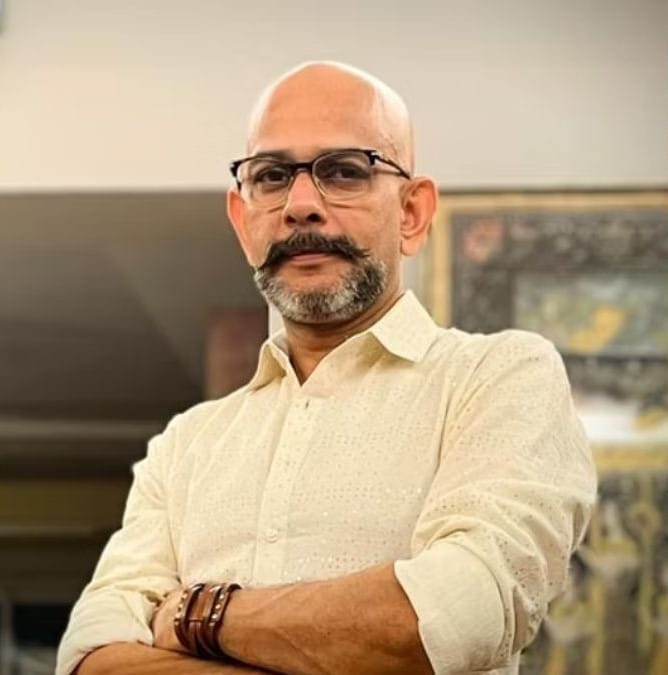
The first royalty writer-director and director of the board of SRAI, Vijay Krishna Acharya received was not from India. Years ago, a UK-based organisation got in touch with him because it had collected £257 for him for the telecast of Guru, the 2007 Mani Ratnam film he wrote, on German television. The amount was modest, the principle was not.
For Acharya, it was proof that a system somewhere had traced the film back to its writer.
“Every time that film is going to be seen—and films are seen and their rights sold every five years, every three years, every 10 years—why should the writers be left out of it?” he asked.
He spoke to another invisibility screenwriters know too well. They may understand exactly which scene made an audience clap, or which line stayed with viewers, but the industry doesn’t treat that memory as an economic claim.
R Balki, director of the SRAI Board, writer-director and filmmaker, framed it as a matter of creative ownership. When a writer’s work is used across different mediums and revenue streams, the writer should “earn a bit of it, however small”, he said. In his view, that is the worldwide system for creative work, so the entertainment industry should not be different.
“A trickle will always happen even to the films that are not so successful. But for films that are successful, it is a windfall for everybody concerned. So why shouldn’t the writer be part of it?” he asked.
Also read: How Mehrauli went from cheap real estate & haunted houses to Delhi elite’s hottest party spot
From ‘Swabhimaan’ to SRAI
The principle is why Ranganath’s work at SRAI is personal. Before he became the person chasing writers to fill membership forms and prodding companies to come to the table, he was a writer who had seen Indian television change around him.
Ranganath became a full-time writer in January 1993—the Doordarshan years of Indian television. Two years later, he was writing Swabhimaan. The show aired in 1995, ran into hundreds of episodes, and remains the credit most closely attached to his name.
“I have written a lot of other well-known shows, hit shows, and eight films, but somehow the tag of being the writer of Swabhimaan persists,” he said.
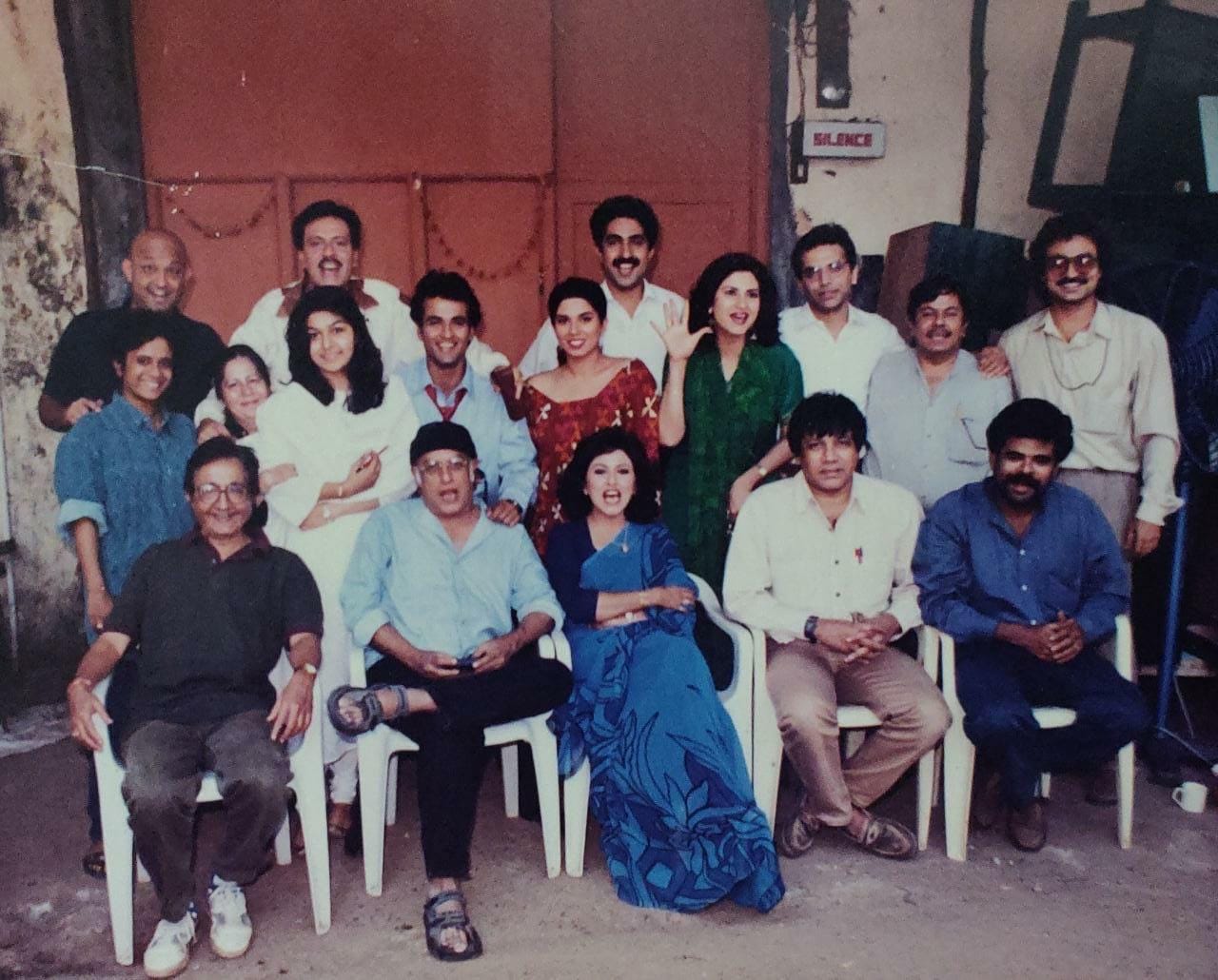
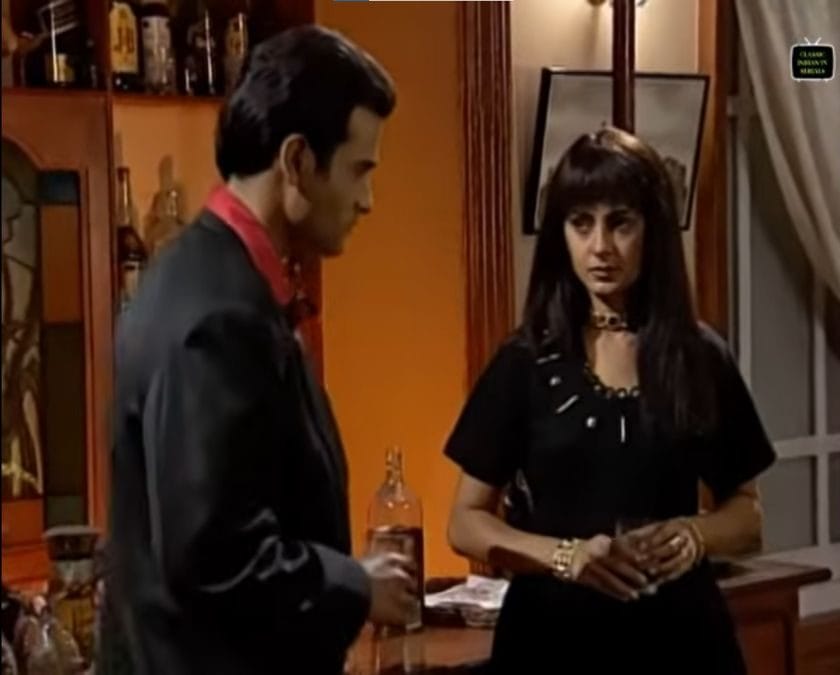
The numbers behind that tag were punishing. Ranganath said he wrote 800 episodes of Swabhimaan and the first 200 episodes of Itihaas (1996), Ekta Kapoor’s early Doordarshan show. He wrote without assistants or a writers’ room, and in long hand because he could not afford a computer in 1995. Beyond these series, his television credits include Kittie Party (2002), Jassi Jaisi Koi Nahi (2003), Sarkarr (2005), and Kituu Sabb Jaantii Hai (2005).
Those were the years in which television writing could still feel direct. Swabhimaan brought letters from women who felt empowered by the show. The work had reach, memorability, and cultural force.
But reach did not mean security. Until the early 2000s, writers were largely paid on time. That began to change as private broadcasters expanded, programming multiplied, and television became a volume business with longer, more tangled payment cycles. Ranganath said he insisted on contracts, payment terms, and credit wherever he could. But the profession still meant delayed payments, uncertain credit, and the humiliation of chasing money already owed.
“It is very humiliating that after having worked so hard, the accountant doesn’t pick up my call. Why do I have to beg for my money?” he said.
The question stayed with him. In 2008, after a progressive writers’ group linked to Rajabali swept the SWA elections, Ranganath became part of the dispute settlement committee. He ran it until 2019, mediating disputes over credit, copyright infringement, and payments.
Those disputes were not yet about royalties. But they were about the same fault line: what a writer could prove, what a writer could claim, and how weak that claim became once the work had moved out of the writer’s hands.
At SWA, the complaints came after the damage had been done. A writer had not been credited. A payment had not arrived. A producer or channel had stopped responding. The association could mediate, push, write letters, and create pressure, but the writer was still fighting from the outside.
SRAI gives Ranganath a different instrument. As a copyright society, it is meant to help writers retain a copyright-backed royalty claim when their work is used again. Its promise is not that every cheque will be large. It is that the writer’s claim does not vanish after the first contract, the first payment, or the first broadcast.
That is why the Chile cheque matters to him. The list includes films made decades ago, such as Mera Naam Joker (1970), Gol Maal (1979), Laawaris (1981) and Paar (1984). They are now part of the first international royalty payment meant for Indian screenwriters. It is not only money arriving from another country. It is the first proof that the system Ranganath is trying to build can make the writer a stakeholder in the economic afterlife of the work they create.
(Edited by Prasanna Bachchhav)
Deep and meaningful coverage of an Important topic for Indian screenwriters.