



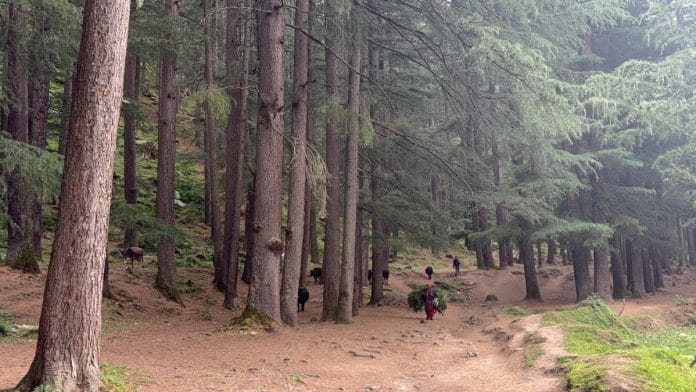
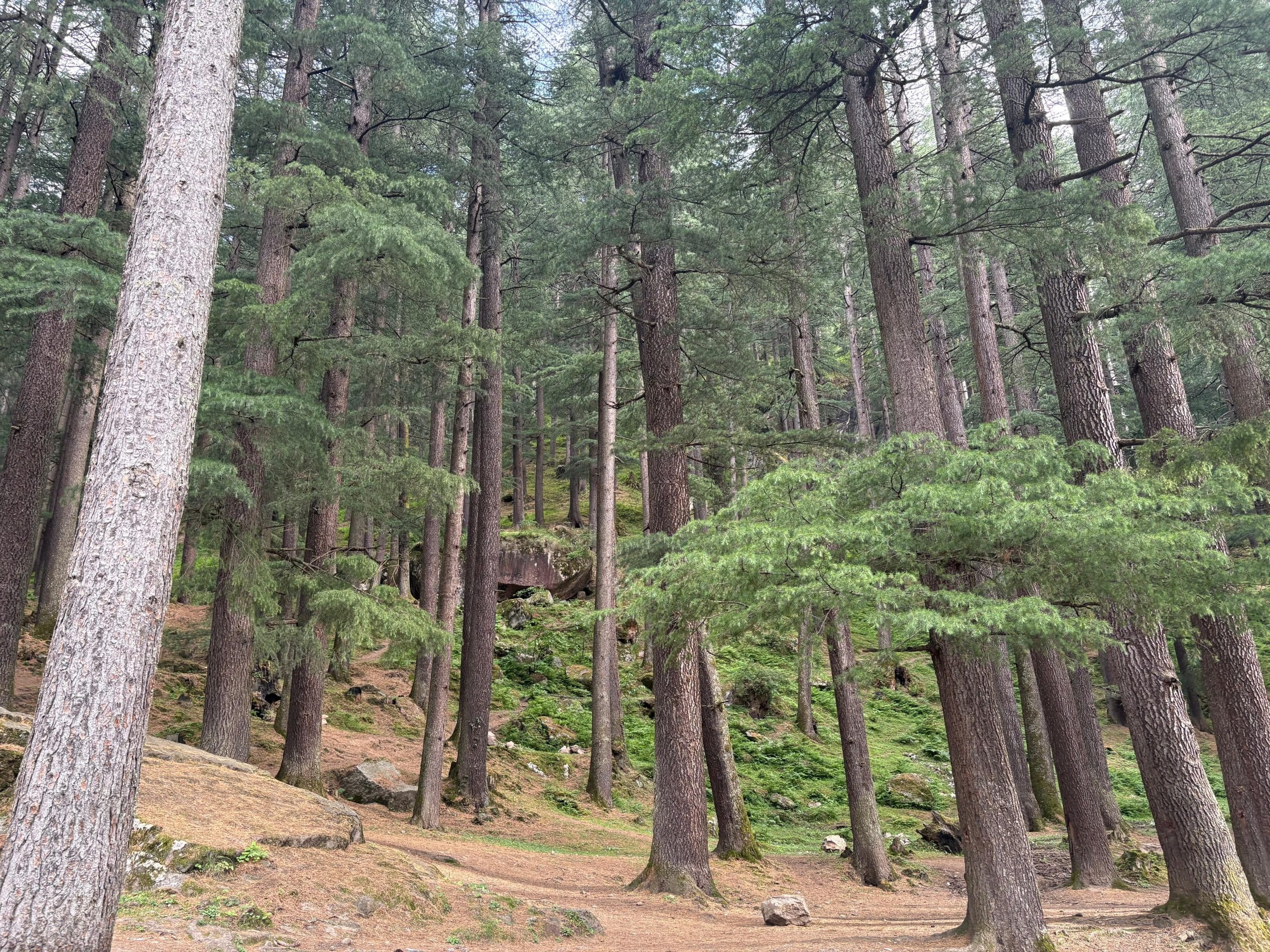
Parvati Valley: During the summer months, the Fairy Forest above Pulga village in Himachal Pradesh’s Parvati Valley becomes a gathering place for young Israeli travellers, many in their early twenties, who arrive in India after completing their mandatory military service. They spend long afternoons beneath the deodar trees. Some spend hours in conversation; others read, meditate, smoke marijuana, or simply lie back, watching the afternoon light soften through the deodars.
“We come here after our military service to slow down, meet people, attend music festivals and experience the mountains,” said a young Israeli traveller, lounging in a hammock with friends. “Our parents and older relatives came to Kasol before us, so in a way it’s a tradition.”
From a distance, it all seems idyllic. But the tranquility is deceptive.
Kasol, once a carefree Himalayan pit stop for backpackers, now finds itself at a crossroads. It is becoming increasingly synonymous with all-things-wrong that often accompany hippie tourism. It has evolved into a place associated with music, rave parties, and a visible and edgy drug and party economy. Foreign tourists create exclusive, impenetrable enclaves, as Indian tourists flock to Kasol to follow their trail and get a taste of the same experience – mountains, music and marijuana.
After the recent death of Russian psytrance and dark electronic DJ DashAlien Dazura, the fragile peace has shattered. In the last couple of years, many foreign travellers have moved deeper into the valley, seeking higher-altitude villages such as Pulga, Kalga, and Tosh.
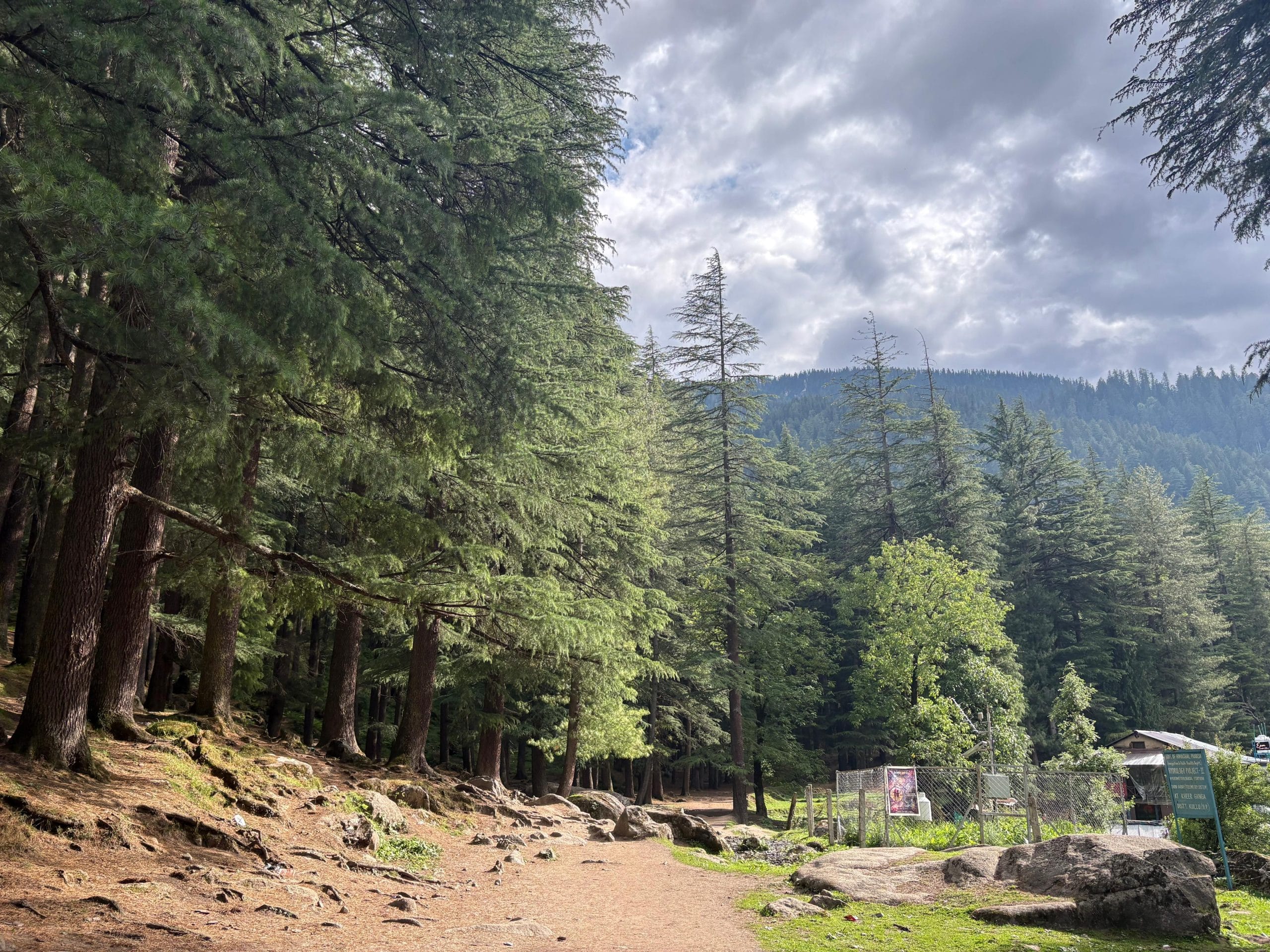
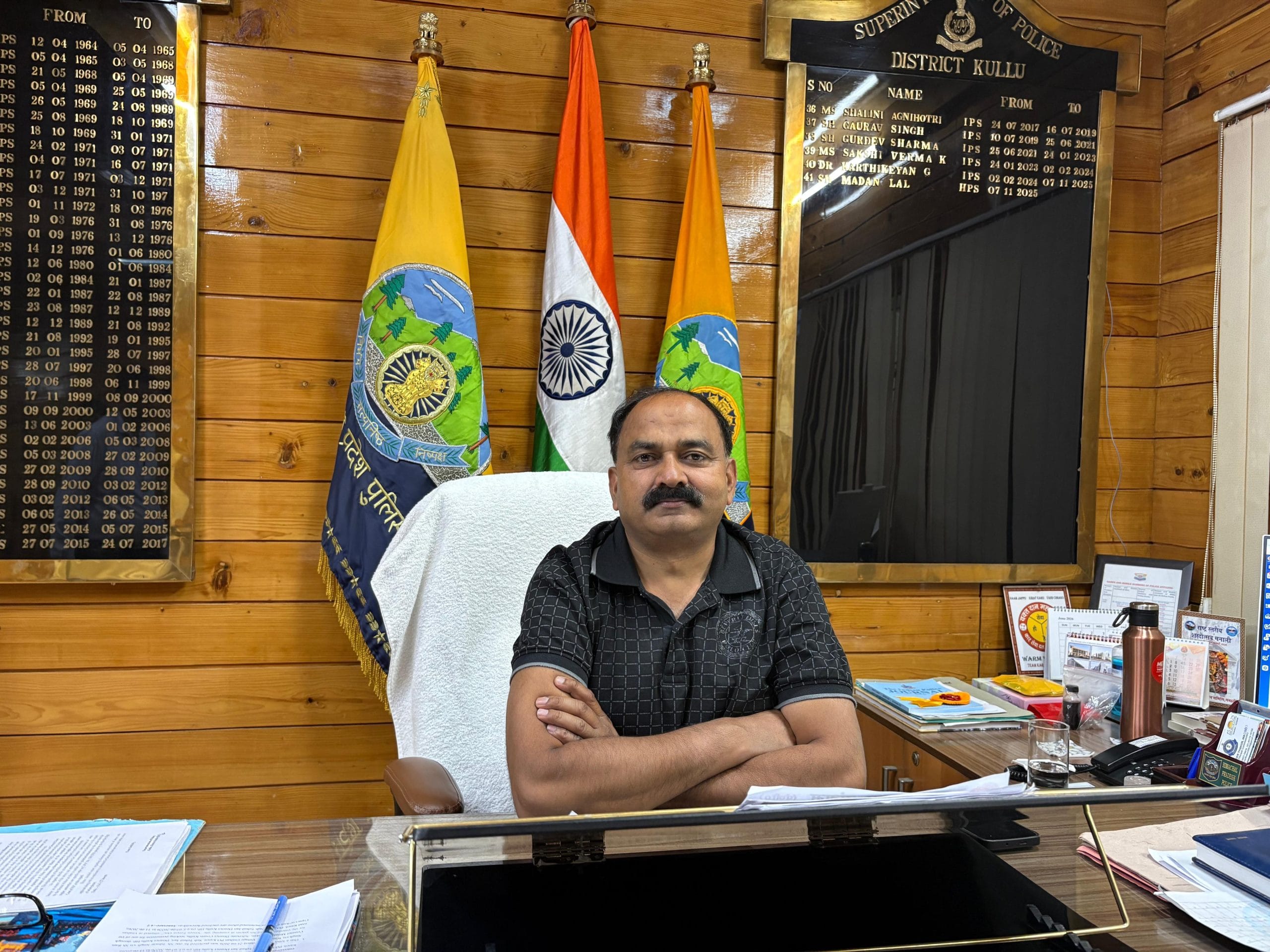
Police, residents and local business owners said the death exposed the fragile balance between tourism that supports livelihoods and a culture of excess damaging the region’s reputation. While the post-mortem report is awaited, Kullu Superintendent of Police Madan Lal said that investigators recovered antidepressants and other mental health medications from Dazura’s room in Kasol.
Parvati Valley has repeatedly appeared in news reports linked to drug abuse, overdose deaths and alleged narco-tourism. Headlines such as “Narco-tourism in Himachal’s Kasol: Take action, HC tells state govt” and “Drug Overdose? 2 from Punjab abandon woman’s body at hotel in Kasol, flee” have long pointed to trouble.
Cannabis cultivation and the production of charas have long been associated with the identity of Parvati Valley. But a more troubling shift has occurred over the last decade with the arrival of synthetic drugs and chitta, the street name for heroin.
Several residents argued that the drugs are brought into the valley, circulated and consumed largely by outsiders, while others acknowledged that local networks have also gotten involved as tourism expanded. In the last three years, the police registered 6,246 cases under the Narcotic Drugs and Psychotropic Substances (NDPS) Act and made more than 1,200 arrests in drug-related cases.
The valley’s only de-addiction centre serving much of the region is located in Bhuntar. Satyavrat Vaidya, who heads the rural addiction treatment facility in Kullu, said demand for treatment services has risen dramatically.
“We had only 46 walk-in patients in all of 2016. Today, we see more than 3,000 walk-ins every year,” he said. “And 80 per cent of the patients are from Himachal Pradesh.”
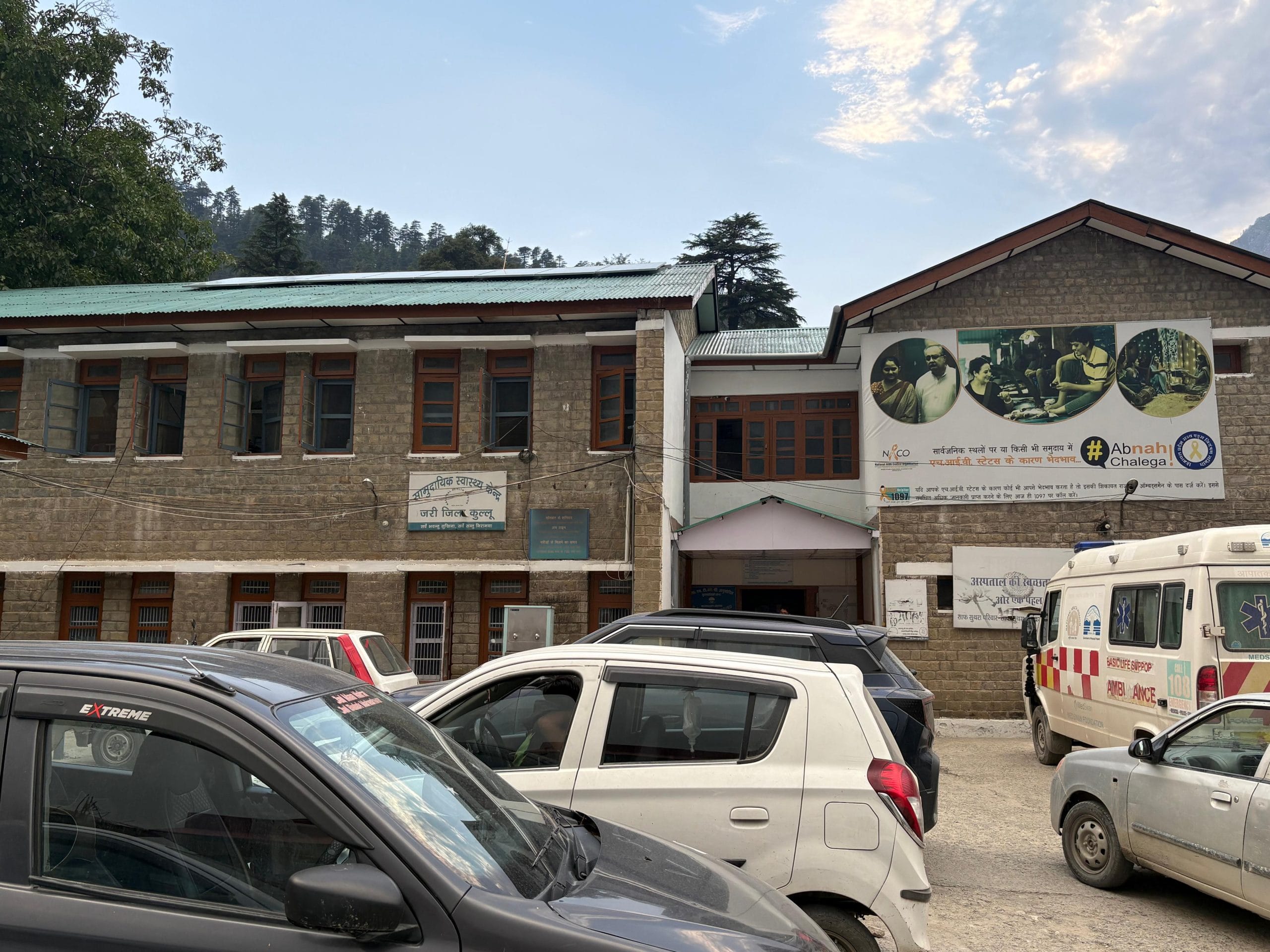
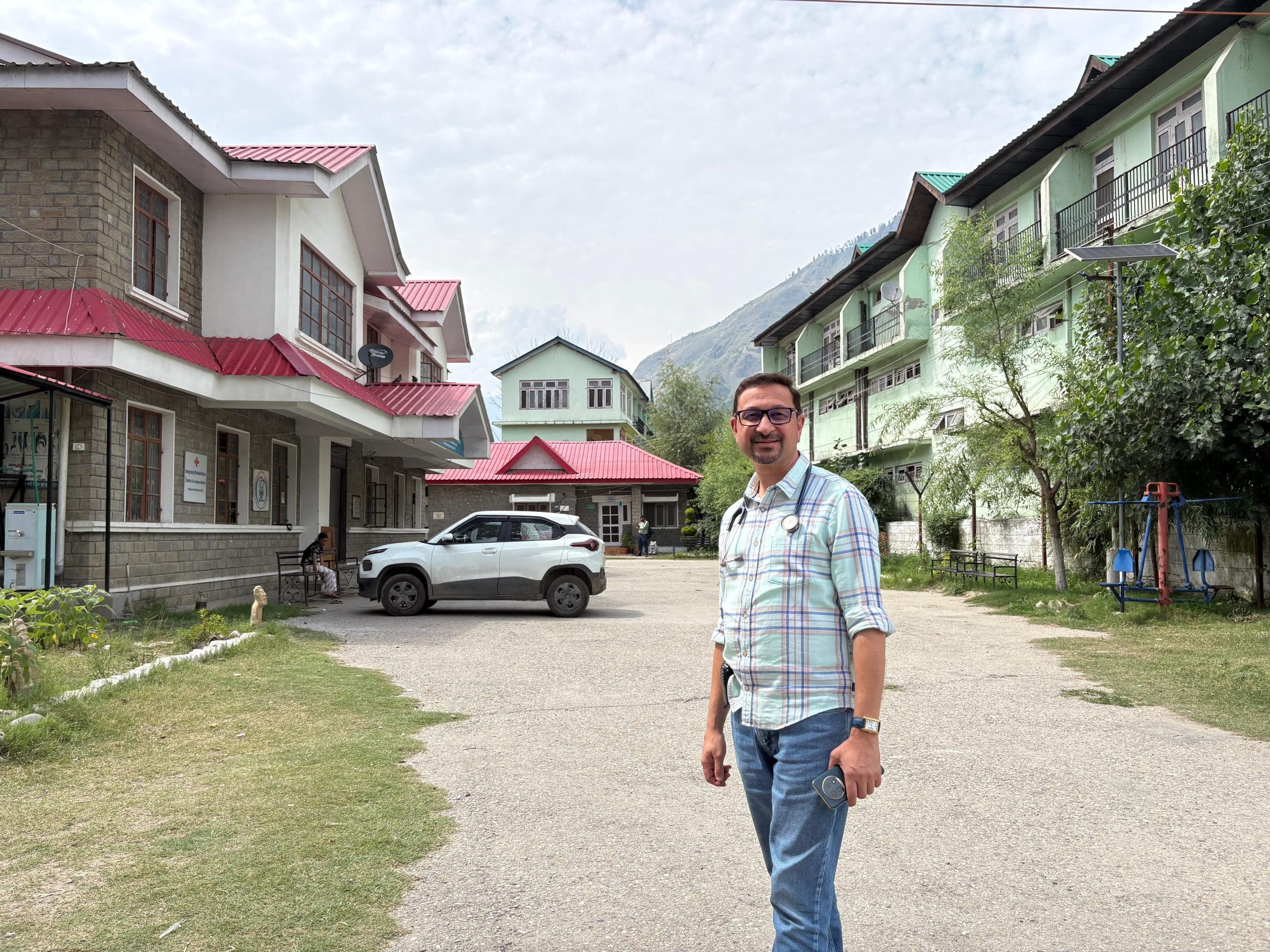
While opinions differ on who bears responsibility, the surge in addiction cases and the growing availability of drugs have deepened concerns about the valley’s evolving drug culture.
Following the death of DJ Dazura, police have intensified surveillance, increased checks on key routes and tightened scrutiny of music events that were once a regular feature of the region’s tourism calendar.
“About 75 per cent or more of the people attending these rave parties are Israelis. Residents rarely attend them, and most Indian attendees come from states such as Delhi and parts of South India,” said the Kullu SP. “For now, we have set up checkpoints at multiple locations, particularly along border routes. We are also not granting permission for any parties at the moment.”
A valley remade by Israeli travellers
Long before social media turned Parvati Valley into a travel hotspot, Israeli backpackers were among the most visible foreign visitors, drawn by the mountains, the freedom of the landscape and the valley’s slower rhythm of life.
Tourism has since become one of the valley’s economic lifelines. Kullu district received more than 3.5 million tourists in 2024, including over 13,000 foreign visitors, according to state tourism data. As Himachal Pradesh’s most visited district, Kullu remains the centre of the Parvati Valley tourism economy, with Kasol emerging as one of its most recognisable destinations for backpackers, hikers and long-term travellers.
Yet the same tourism that brought money, cultural exchange and new opportunities has also transformed the region in ways many residents now struggle to recognise. Kasol is grappling with a dilemma: how does a place preserve its slow, unhurried character while dealing with the pressures of mass tourism?
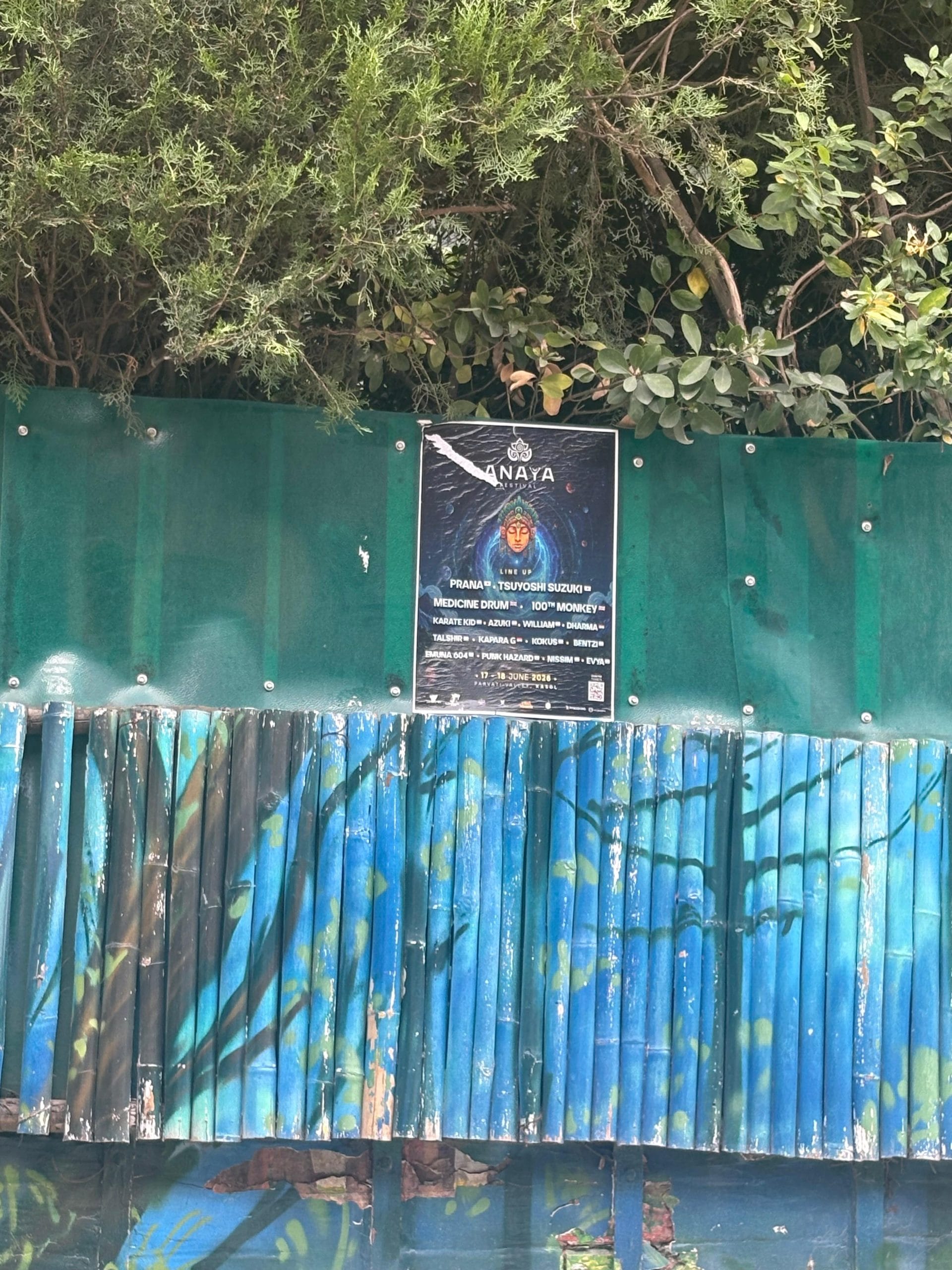
For many residents and business owners, however, the story of tourism is not simply one of disruption. Israeli travellers played a significant role in shaping the valley’s modern tourism ecosystem. As visitors stayed for weeks or even months, villagers opened homestays, cafes and travel businesses to meet growing demand. Travellers found an escape; local communities found new sources of income.
Despite sharing the same landscape, interactions between Israeli and Indian tourists often remained limited. Most Israeli tourists prefer to socialise within their own groups, creating parallel social worlds that rarely overlap.
Their influence can be heard in everyday conversations. Years of interacting with Israeli travellers have left their mark on the way many locals speak. Some have picked up Hebrew words and phrases such as “Shalom” (hello), “Ma nishma?” (how are you?) and “Toda” (thank you), while a few have become fluent in the language. Others have unconsciously adapted their English through years of conversations with foreign travellers. Some local drivers say their way of speaking even changes depending on who they are talking to—with Israeli travellers, they shift into a familiar accent; with Russian visitors, their pronunciation shifts again.
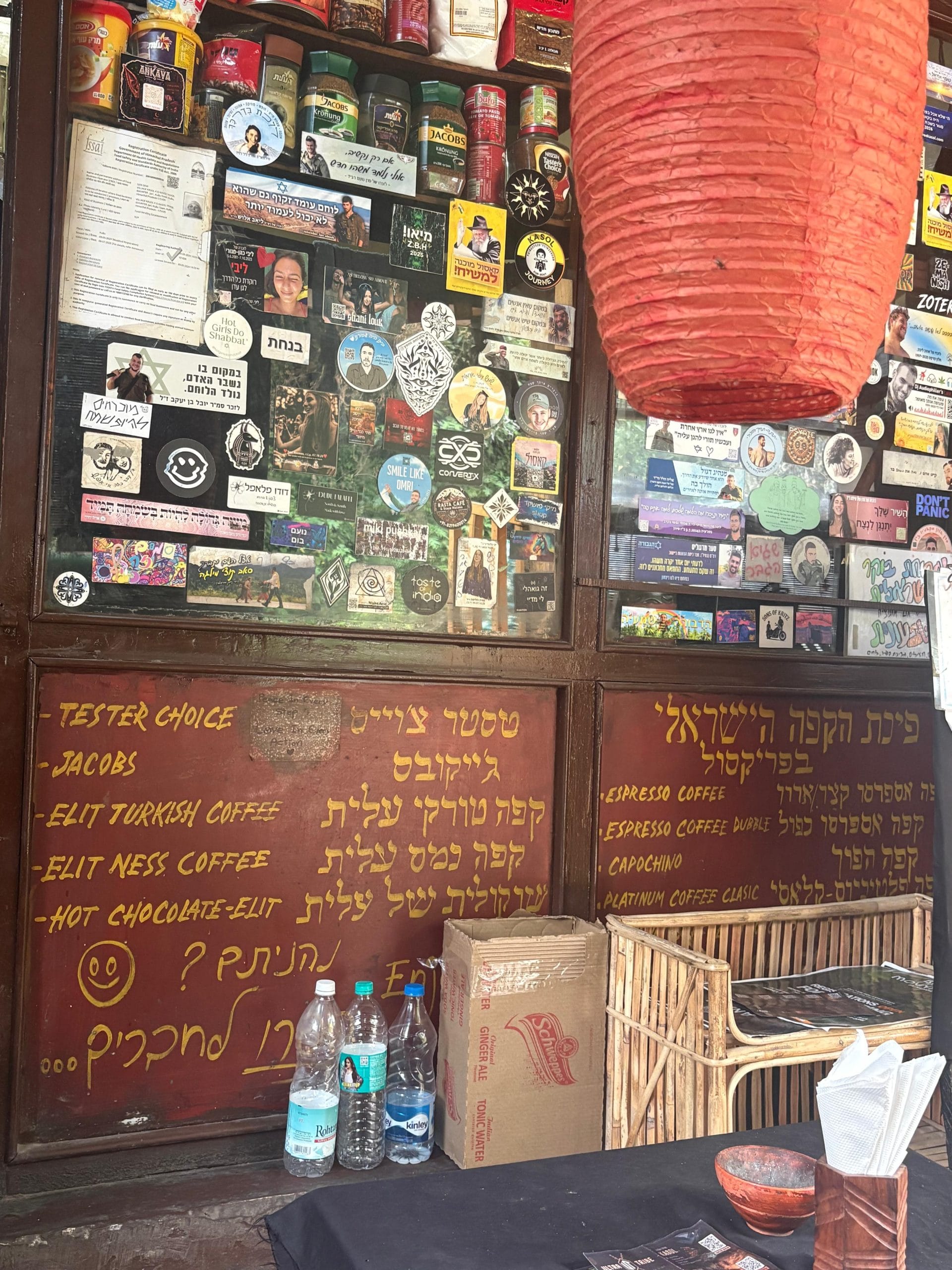
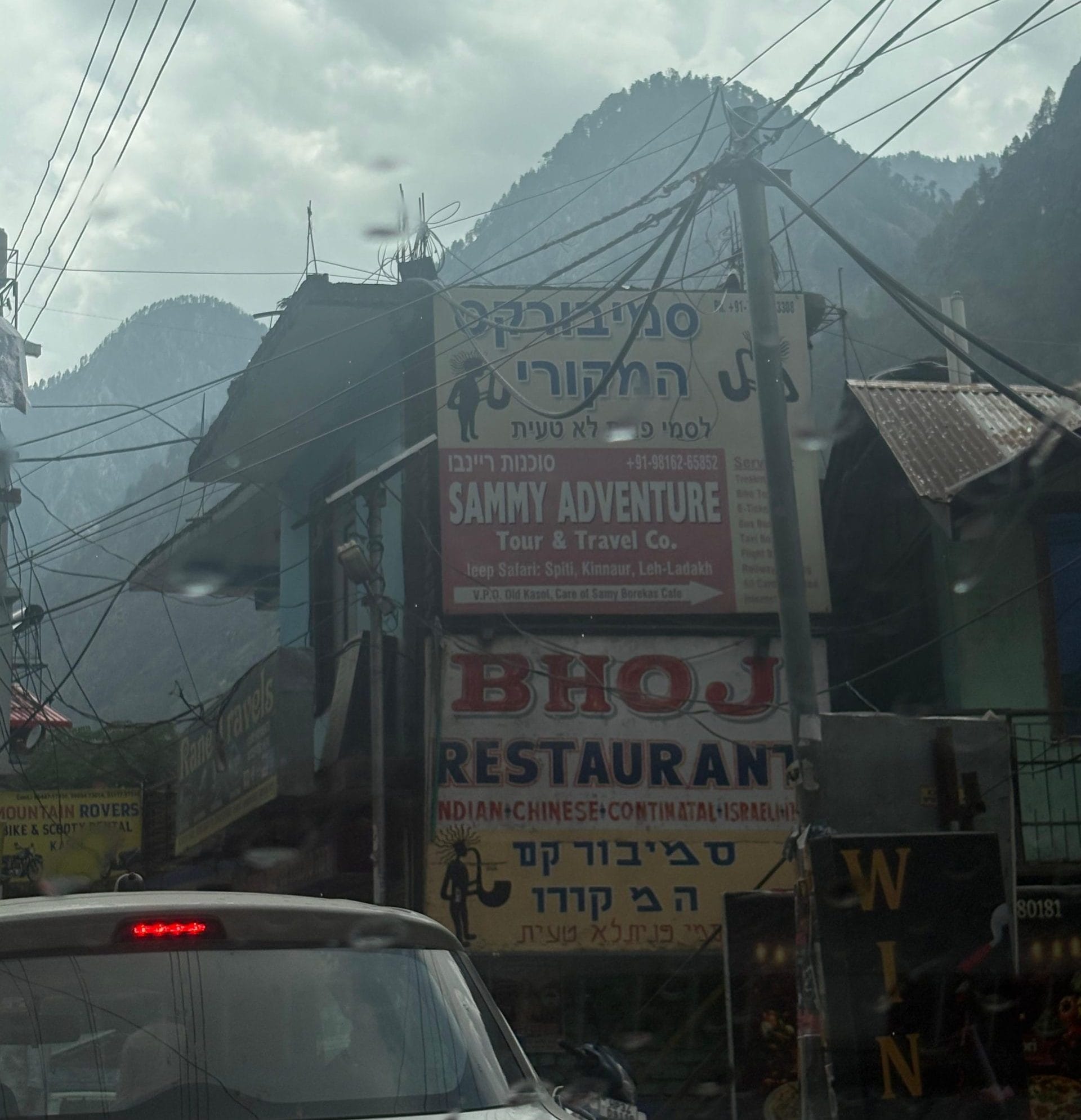
The cultural exchange extended beyond language. It spawned a thriving local industry, too. The tourism boom created opportunities for young people to enter hospitality, event management and, increasingly, music production. Today, the valley is home to a small but growing community of artists and DJs influenced by global electronic music figures such as Mano Le Tough, Argy and ARTBAT.
In previous years, some cafes faced allegations of giving preference to Israeli customers over Indian visitors, prompting complaints and police inquiries. Cafe menus feature dishes such as Israeli breakfast and Jerusalem mix, while local shops stock loose-fitting clothing and accessories inspired by the backpacker and hippie aesthetic.
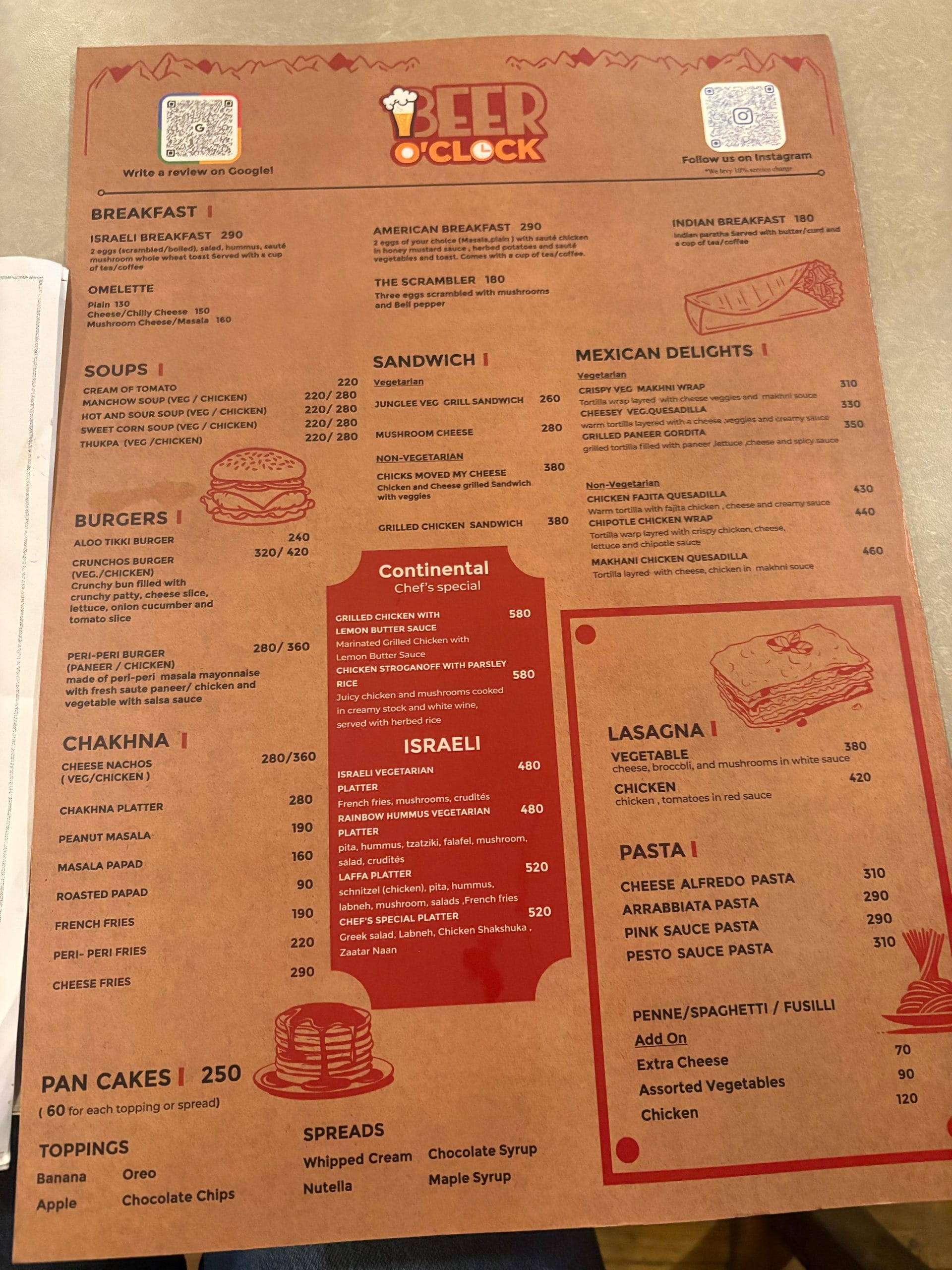
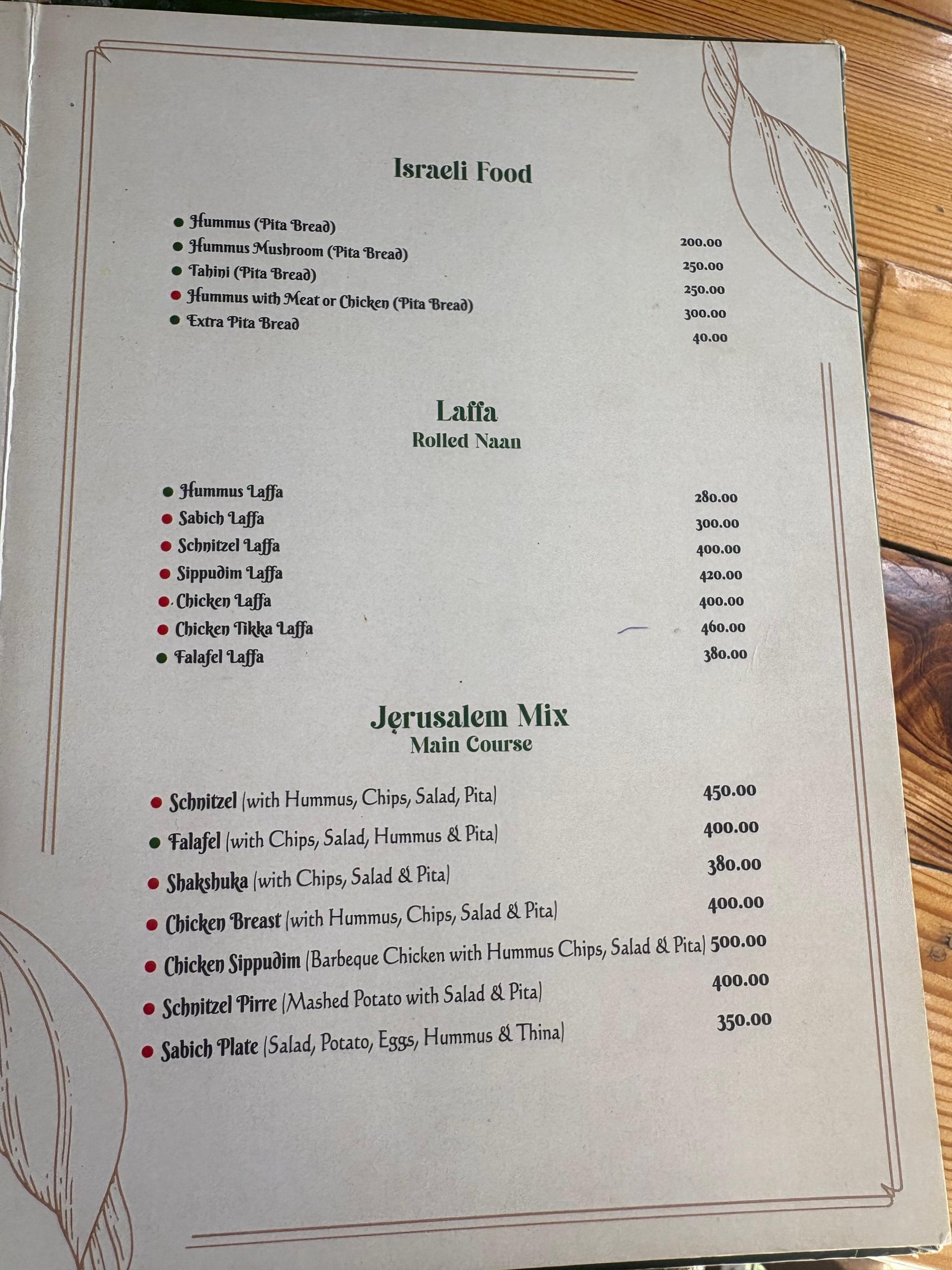
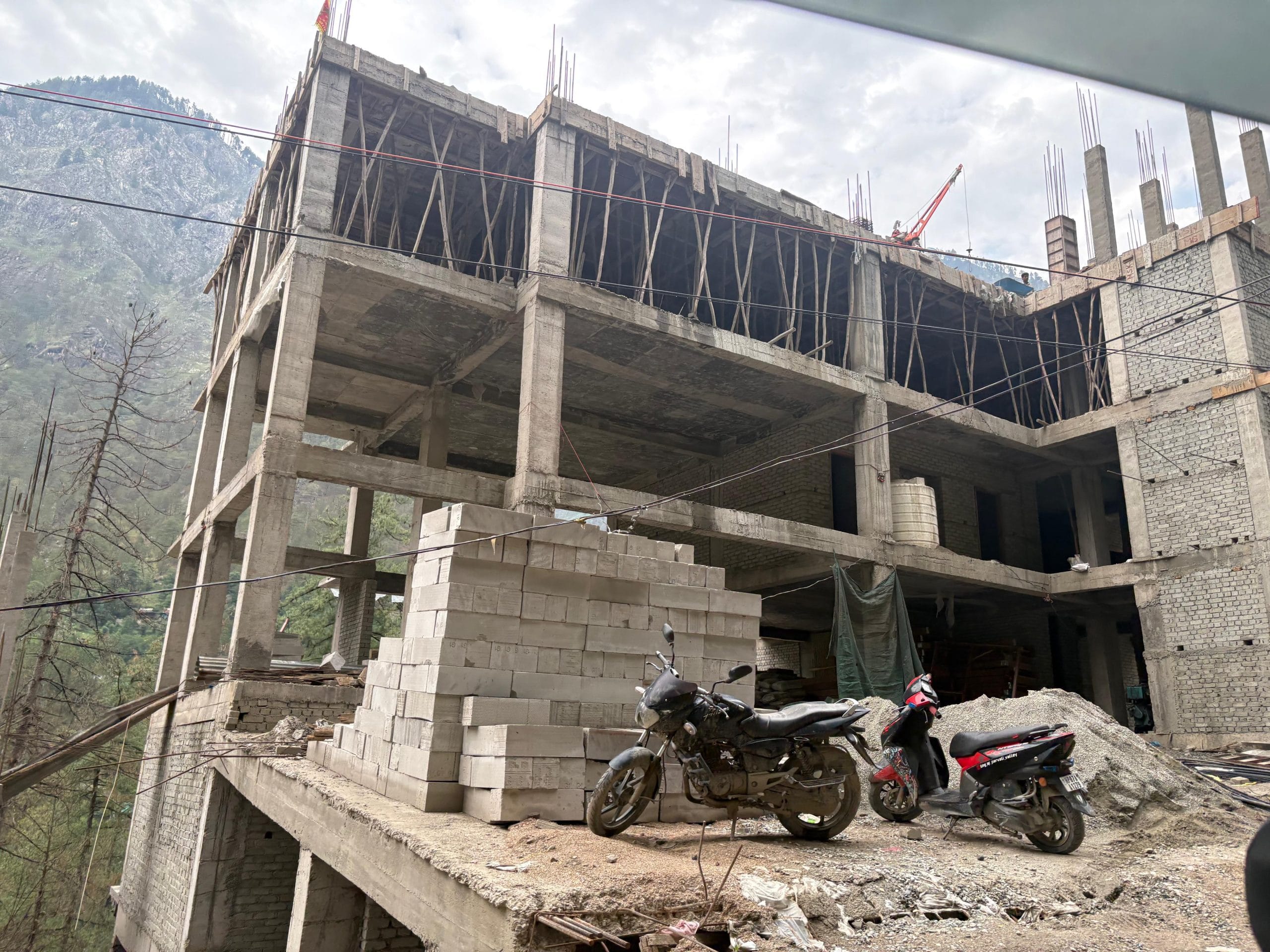
Today, many residents say Kasol is struggling under the weight of its own popularity. Traffic congestion, busy roads, Volvo buses, relentless construction, waste management problems and a constant flow of visitors have altered the character of the village.
Within days of the Russian DJ’s death, residents were confronted with another crime involving a Nigerian woman who was allegedly raped and killed.
“Mujhe toh lagta hai Kasol ek din banjar ho jayega (I feel Kasol will become barren one day),” said a local transport operator in his late thirties who moved from West Bengal decades ago. “There are more tourists, more hotels and more businesses than ever before. But the peace that people came looking for is disappearing.”
The frustrations are particularly visible among people whose livelihoods depended on the valley’s party economy. Some argued that increased scrutiny of music events following the death of DJ Dazura has affected even those attempting to organise events legally.
“I want the Israelis to leave from here. They have spoiled the atmosphere. If we went to Israel and did the same thing there, they would put us in jail,” said Dinesh Kumar, 38, a local party organiser. “Ever since DJ DashAlien Dazura’s death, other organisers have also stopped getting permissions. Because of this, I have suffered a loss of around Rs 25 lakh. Even those who want to work honestly are no longer able to do their work.”
The making of ‘Mini Israel’
Kasol earned its popular nickname – “Mini Israel” – over decades of migration, tourism and cultural exchange. The label came from the imprint Israeli travellers left on the village’s cafes, food, language and everyday life.
One evening, a cafe owner in Kasol played Israeli singer-songwriter Pe’er Tasi for his Israeli guests. Two Israeli women sitting nearby immediately recognised the music, started singing along and began making reels. The owner, sitting on a sofa and moving to the beat, laughed and said, “Bhai, this year I have learned Hebrew.”
The Israeli connection with Kasol took shape in the late 1970s and 1980s, when young Israelis started arriving in Parvati Valley as part of a wider post-military travel tradition. After completing their mandatory military service, many travelled abroad in search of a break from the discipline and intensity of army life.
“People think they come here only to relax, but they are actually very disciplined. If they decide they have to play volleyball every day, they will do it without skipping. They follow routines, like learning new things, and stay focused even while travelling,” said Zameer Bharadwaj, a homestay manager who moved from Delhi and has been living in Kasol for the past 12 years.
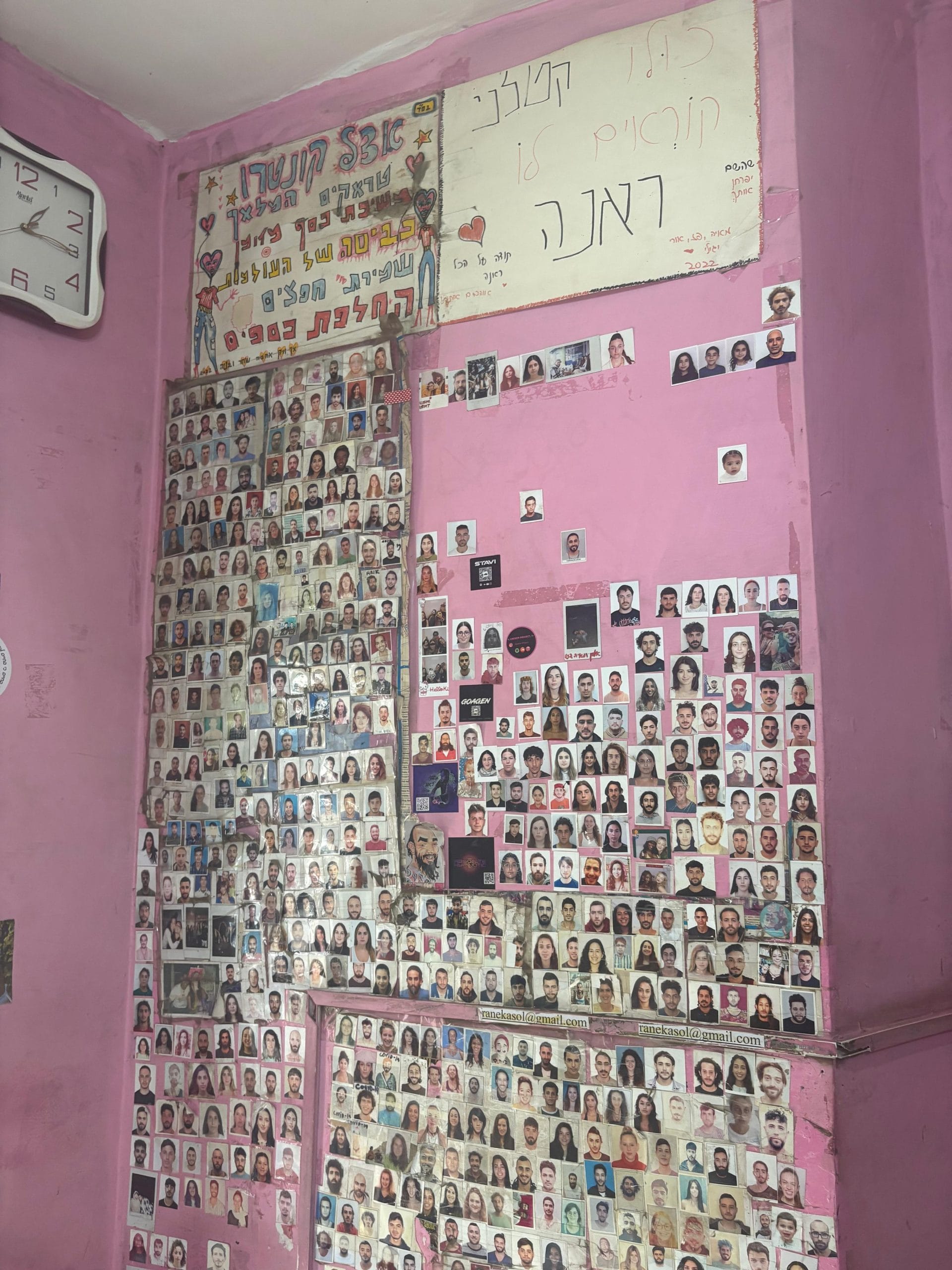
The mountains of Himachal provided an escape that matched their search for freedom—affordable long stays, a break after military service, the growing “Hummus Trail” of Israeli backpackers, and the valley’s reputation for cannabis.
“My aunt came here 40 years ago. I saw her photos from Kasol, so visiting this place feels like a tradition in our family,” said an Israeli traveller in his mid-twenties, sitting in the Fairy Forest above Pulga village. “We travel to different countries, and India is one of them, but Kasol holds a special place.”
He said he first visited Kasol three years after completing his military service. Sitting with a group of friends beneath the deodar trees, he explained that the connection with places like Kasol is often passed down through generations.
“In Israel, it has almost become a ritual. We visit the places our seniors, friends and family members travelled to after their military service,” another member of the group added.
But not everyone came to the forest looking for parties or company. Some disappeared into their heads—strumming guitars, listening to music, reading, or sitting beneath the deodars for hours.
One Israeli traveller said he often came to sit in silence and meditate.
“This is how I heal from my past,” he said.
For many young Israelis, travelling is not only about seeing new places; it is also about finding moments of peace away from the past realities.
Kasol gradually became a stop on this backpacker route in the late 1990s. It began with word of mouth and grew over the years as travellers returned, brought friends along and helped create a small network of cafes, guesthouses and community spaces such as the Chabad House.
But despite years of interaction, some local people say there are visible boundaries between the two communities. Residents have complained that they are not allowed inside the Chabad House, a Jewish community and outreach centre in the valley, and that they are sometimes asked to speak with people only from outside the premises.
The distance has also created curiosity and speculation. Some have developed their own theories about what happens inside, including assumptions about food practices and whether beef is consumed there.
Who runs the drug economy
Dhale Suman, 42, sarpanch of Sharani village and president of the Parvati Valley Adventure Tour Operators Association, has spent years navigating the valley’s most difficult terrain as part of rescue operations. He has searched for missing trekkers, entered deep gorges to recover bodies and carried the remains of young travellers back to their families.
He still remembers the four-day music festival he worked at near Grahan village last year. His team had been hired to set up tents for the event. What he saw inside left him concerned. He estimated that nearly 4,000 people attended the festival, with entry tickets costing around Rs 14,000.
“They had their own bouncers at the entrance. Indians were not allowed in,” Suman claimed. “When we went inside to set up the camps, I saw people openly consuming ketamine, cocaine, LSD and brown sugar. The music played all night. People kept dancing without sleeping.”
He alleged that gatherings of that scale could not operate without the knowledge of the authorities. He argued that while foreigners are often blamed for the valley’s party culture, the events are organised with the help of local residents or people who have been living in the region for years and could not be run by foreign visitors alone.
Suman has watched the valley transform for more than three decades. Kasol was once little more than a cluster of wooden houses surrounded by dense deodar forests.
“There was no hotel then. Foreign tourists stayed in villagers’ homes,” he recalled.
The valley began changing rapidly in the 1990s as travellers from Israel, Italy, Japan and several European countries started arriving in larger numbers. At first, local families hosted them in rooms built separately from their homes, respecting local customs and religious traditions. The visitors stayed for weeks, trekked through the mountains and became part of village life.
One of the earliest cultural flashpoints, Suman said, was the Rainbow Gathering in Kheerganga during the 1990s. The group created a separate space for themselves and organised gatherings that residents considered inappropriate for a religious site. After objections from villagers, particularly women, the matter reached the police and forest department, which eventually removed them from the area.
“When I ran a homestay in Tosh in 2002, we rented a room for Rs 30 a night,” he said. “Israelis stayed for 10 to 20 days at a stretch. They spent money in restaurants, and business was good.”
Foreign travellers, he said, also changed the way tourism operated in the valley. Residents learned restaurant management, hospitality and cafe culture from them, often travelling to Goa during the off-season to gain experience before bringing those ideas back home.
“Many of the restaurants and hotels you see today were inspired by what foreign travellers taught us,” he said.
After 2010, however, the character of tourism began to shift. Domestic tourism grew rapidly, room tariffs increased, and Indian travellers gradually replaced long-staying foreign backpackers.
“The room that we rented for Rs 30 was soon fetching Rs 300 because Indian tourists were willing to pay more,” he said.
Yet Suman rejects the idea that outsiders alone are responsible for the valley’s drug economy.
“People say foreigners ruined Parvati Valley, but that is not true,” he said. “The organisers are local people. The whole system is involved. Who turned Parvati Valley into a charas valley? Everyone knew what was happening. They knew where cannabis was being cultivated. They have been taking money from it for years.”

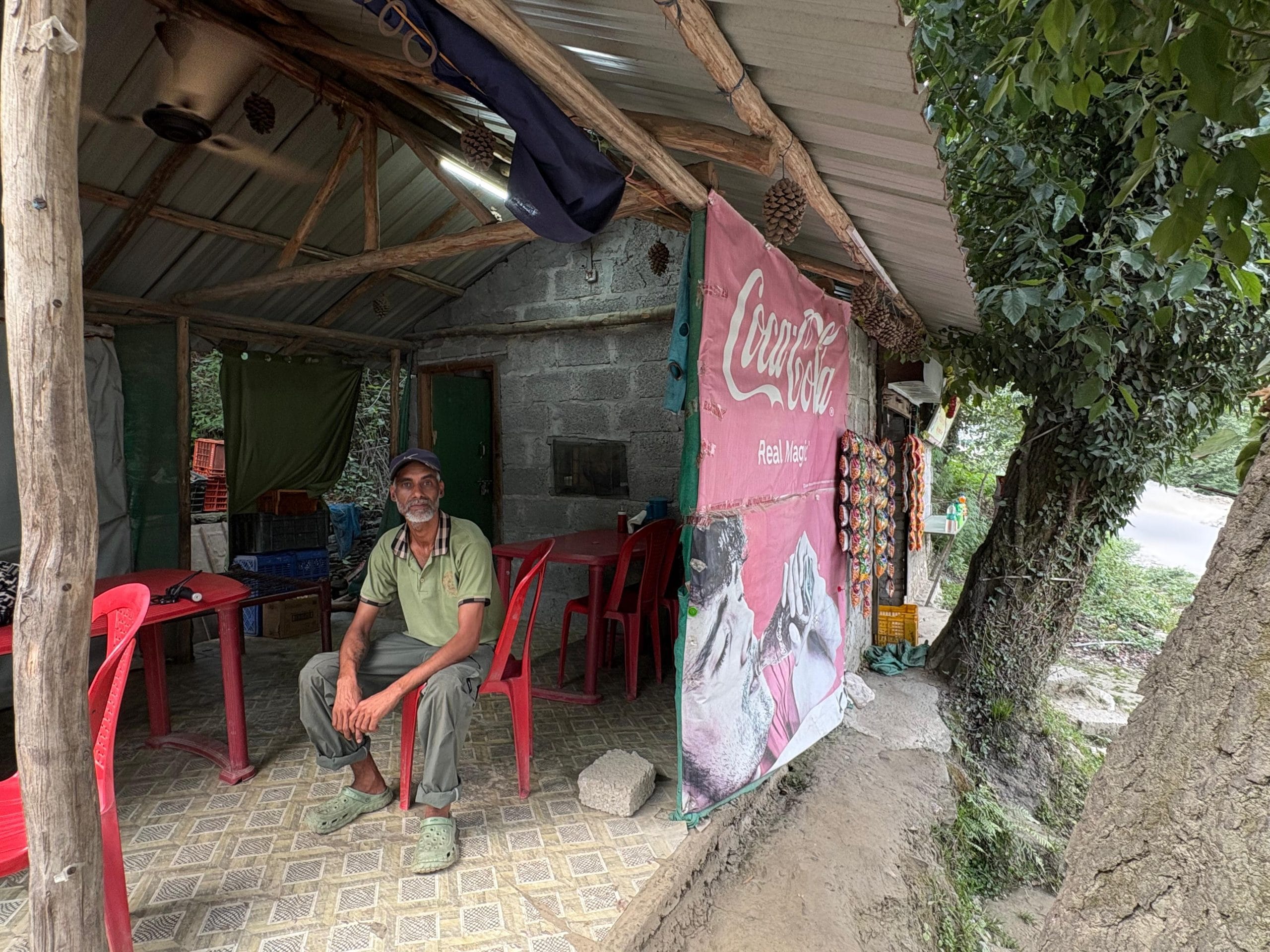
At the start of the trek to Pulga, a small roadside eatery serves tea, Maggi and momo to passing hikers. Its owner said most families now run homestays alongside apple orchards, and few worry about making ends meet.
But what worries him instead are the children.
“When children see these parties in the Fairy Forest and nearby areas, they come and ask us, ‘What is happening there?’” he said. “They are very young, and we don’t know how to keep them away from all this.”
Lal Singh, in his late 30s, arrived from Nepal when he was just 13. He started with small jobs, worked with homestays and slowly learned the business from the ground up. More than a decade ago, he took a property on lease and started Sony Cottage, which has since become one of Kasol’s well-known stays, particularly among Israeli travellers.
Over the years, Singh has watched generations of foreign backpackers pass through the valley. His own social media pages reflect the kind of relationship he built with many of them—travellers learning to play the flute, singing together, spending time with staff, and even helping around the kitchen and bar during busy days.
He admired their independence, discipline and approach to life.
“If they want to party on the weekend, they party fully, but during the week, they return to their work and routines,” he said.
But while he respects the culture they brought to the valley, Singh said he has also seen Kasol lose something along the way.
“Earlier, there was a different feeling here. Now everyone has money, but that old charm is missing. Greed has entered, competition has increased, and things have changed—not always for the better,” he said.
Crackdown on paper
Over the years, multiple investigations in the state have linked drug trafficking networks in other states to suppliers operating out of Kullu district. In one case in 2023, Ludhiana Police arrested a man from Kasol who was supplying Malana Cream and party drugs such as LSD and MDMA to local peddlers.
“The growing presence of chitta is a new and more dangerous phase in Himachal Pradesh’s drug problem. While cannabis is cultivated locally, heroin and synthetic drugs arrive through external supply networks,” said Kullu SP Madan Lal. “Synthetic narcotics have historically entered Himachal through networks operating from Delhi and other metropolitan centres, while chitta is increasingly being trafficked through Punjab.”
The consequences are becoming increasingly visible.
“The biggest concern is deaths due to drug overdose,” Suman said. “Many intoxicated youth venture into remote areas, fall from cliffs or go missing. By the time rescue teams reach them, it is often too late.”
Enforcement, however, is complicated by the valley’s terrain and its underground party circuit. While most music festivals obtain permission from the district administration and are monitored by the police, some gatherings continue to take place deep inside forests, mountain clearings and remote trekking trails, often beyond the reach of law enforcement.
Suman said that by the time officers reach these locations, the music has stopped, the crowds have dispersed, and organisers have disappeared.
Recognising the scale of the challenge, the government has expanded its anti-narcotics infrastructure in recent years. Police have identified three major trafficking areas – Kullu, Nurpur in Kangra district, and the Baddi-Barotiwala industrial belt. Nurpur was upgraded into a separate police district because of its strategic location on routes used for trafficking drugs from Punjab into Himachal Pradesh.
In 2023, the Kullu administration constituted an interdepartmental committee to inspect hotels and homestays operating in vulnerable areas.
Yet, not everyone is convinced these measures are enough. Enforcement remains inconsistent, and influential networks continue to operate despite periodic crackdowns.
“Everyone is involved—from police to politicians, and the money is distributed all the way up the chain—from junior police personnel to senior officers,” Suman alleged. “Last year, around 85 parties were organised across Parvati Valley. You can see the posters on the streets.
When the forest becomes the venue
Dinesh Kumar runs a party space at his POP homestay in Chalal village, a venue popular among Indian tourists. Parties have grown in scale since the 2000s, attracting thousands of visitors and creating an entirely different party ecosystem in the valley.
“Sometimes Israelis take a speaker, go into the forest and make their own party. There are no permissions, no public announcements. They just gather there,” he said.
He recalled attending one such unofficial forest gathering of around 50-60 people.
They thought we were from the police. They had their own speakers, their own group and their own arrangements,” he said.
According to Kumar, information about Israeli parties spreads quickly through informal social networks, allowing thousands of people to gather at short notice before dispersing again. Many visitors stay in quieter, isolated villages such as Pulga and Grahan while travelling to party venues across the valley.
For Kumar, the concern is not only about noise or drug use but about the wider impact on a valley where thousands of families depend on tourism.
“I want tourists to come. We need tourists. Everyone’s livelihood depends on tourism. But it has to happen in the right way. If these things continue, our valley’s name will be damaged, and everyone will suffer,” he said.
Kumar said local organisers like him have tried to create a more regulated party culture by holding events at designated venues, obtaining permissions and putting safety arrangements in place. But, he argued, large, unofficial gatherings deep into the forests and festivals such as Back to Mountains—which he said has an Israeli organiser and began in 2024, attracting international performers including a Russian DJ—have fuelled the perception that the entire tourism industry operates outside the rules.
The cannabis question
Himachal Pradesh has also attempted to reshape its approach to cannabis, moving from a largely punitive framework to one focused on regulation and controlled use. In 2023, the state government began examining the possibility of allowing regulated cannabis cultivation, forming a committee to study its economic and legal implications. This was followed by a resolution in the state assembly supporting controlled cultivation.
By 2025, the state cabinet approved a framework for the cultivation of cannabis for medicinal, scientific and industrial purposes. In 2026, amendments to the NDPS Rules created a legal pathway for licensing, cultivation, processing and transportation under strict government supervision.
Officials have repeatedly clarified that the move does not mean legalising recreational charas or hashish. Instead, cultivation will be restricted to approved low-THC varieties, monitored by law-enforcement agencies and overseen by agricultural institutions such as CSK Himachal Pradesh Agricultural University and Dr Yashwant Singh Parmar University of Horticulture and Forestry.
But beyond policy changes, the reality on the ground remains complicated for residents.
Tehal Singh, 60, pradhan of Kasol village, said the village has gradually become a transit point and the youth are now exposed to drugs such as chitta.
Sitting at a riverside cafe, he looked out towards the river.
“I don’t think much can be improved now — perhaps this is the age we are living in. Efforts are being made, but bringing real change will be difficult,” Singh said.
(Edited by Prashant Dixit)