





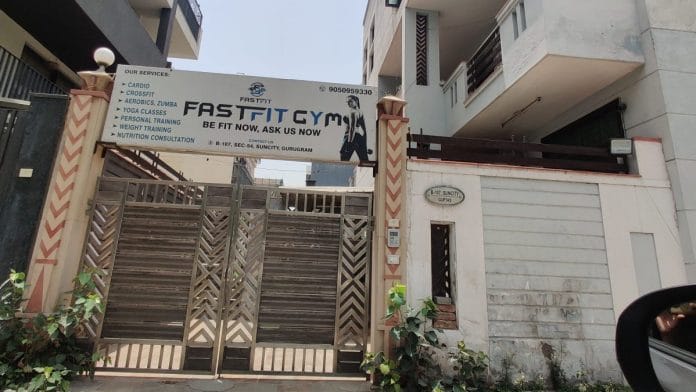

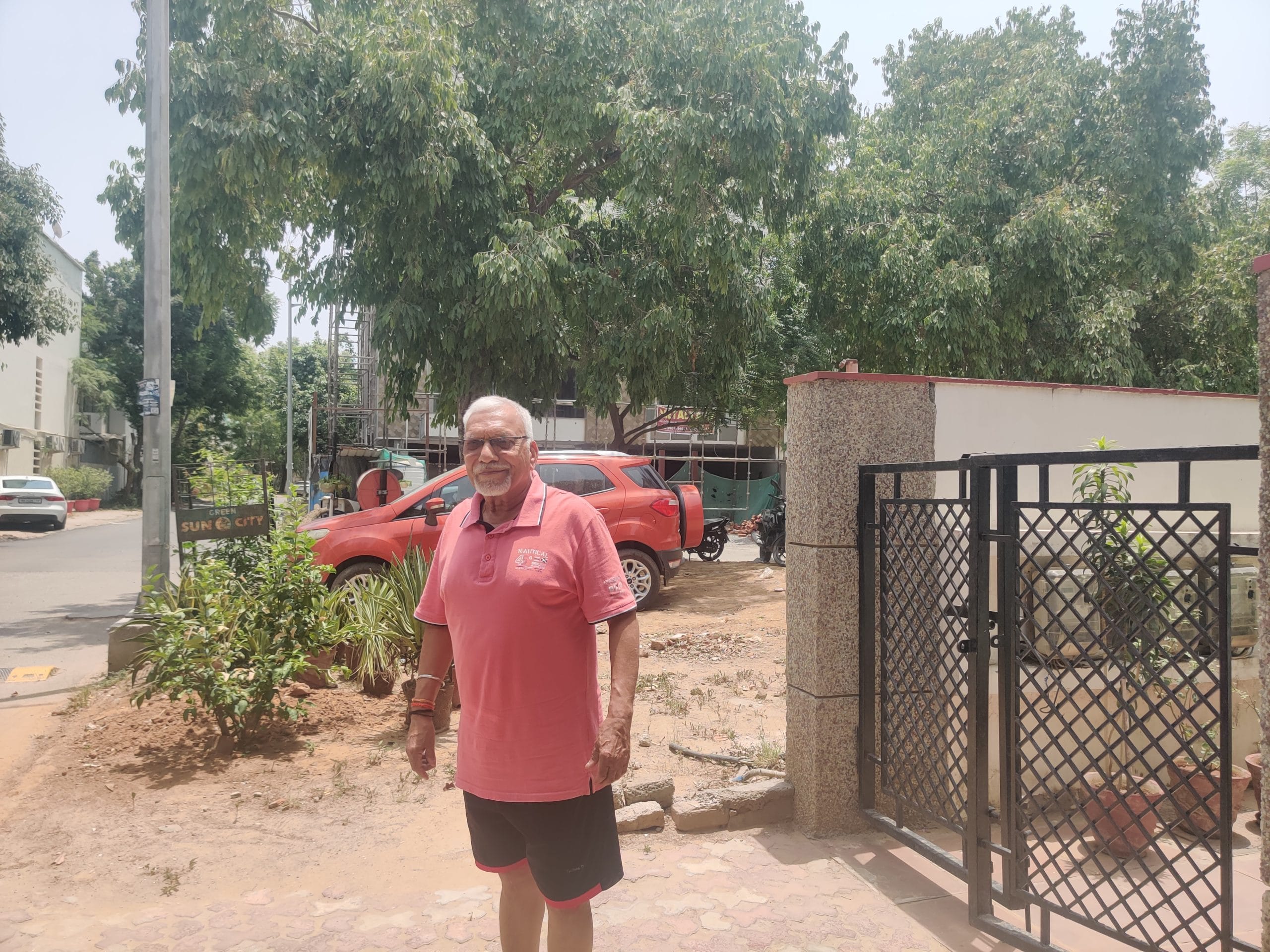
For 80-year-old retired Colonel Surinder Paul Saini, a morning walk in his own neighbourhood has become a constant bargain with traffic, noise and strangers—all linked to increased commercial activity in an otherwise residential area. After spending decades in his ground-floor house in SunCity Gurgaon Sector 54, Saini says the society he once knew has changed beyond recognition. A gym that opened beside his house last year plays loud music, and roads once used by residents are now crowded with cars, motorcycles and scooters belonging to people living in a nearby PG accommodations.
“You step out of your house, and all you see are new vehicles and people entering the society throughout the day,” said Saini. “There is a gym next to my house, a home office right in front of it and PG accommodations nearby. I can barely go for a walk because vehicles keep speeding through the lanes all the time.”
As frustration mounts, many residents have turned to their Resident Welfare Associations (RWAs) for help. Their complaints often land on the desks of RWA office-bearers, who find themselves at the centre of a problem they have little authority to resolve. With limited powers to intervene, the RWAs either conduct meetings between the concerned parties in an attempt to resolve disputes or forward complaints to the relevant government authorities.
“We receive calls, messages, and complaints almost every other day regarding these commercial activities but we do not have the authority to stop them. As their numbers grow, so do the complains of other residents and the difficulties we face in resolving them,” said Chitresh Dutta, joint secretary of the Suncity RWA.
RWAs are generally registered as societies, associations, or non-profit bodies under state laws. Their powers are limited to managing common amenities, enforcing society by-laws, and representing residents’ concerns. They do not possess statutory powers to approve, halt, regulate, or enforce decisions relating to development projects, land use, construction activities, or government-sanctioned works. While RWAs can represent residents’ concerns, submit objections, and seek action from the authorities, they cannot themselves issue binding orders or legally stop a development.
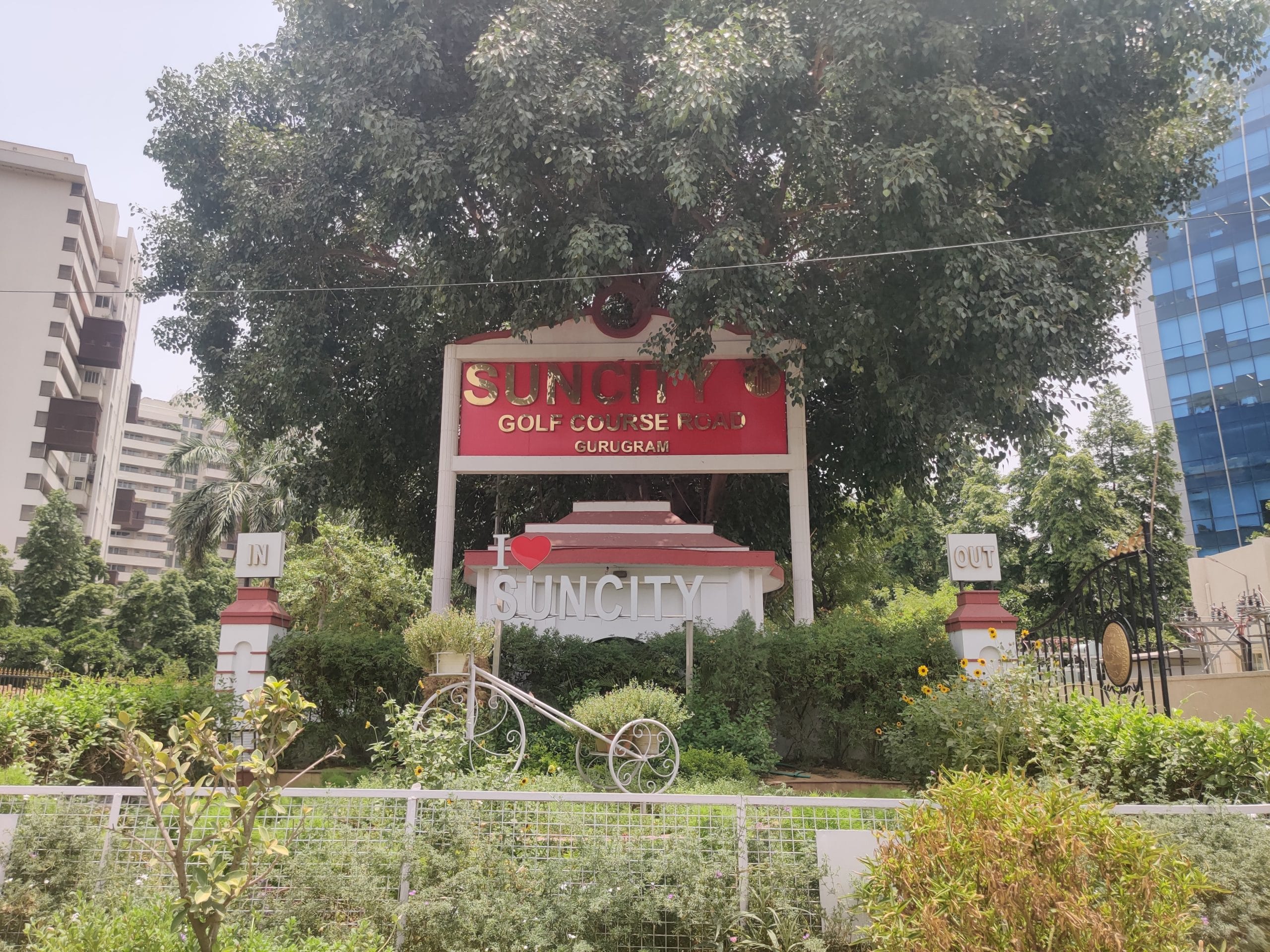
A small clinic, gym, beauty parlour, or online business operating from a flat often becomes the subject of heated debates within residential societies. Among the most common sources of complaints are paying guest (PG) accommodations, gyms, home kitchens, property dealers offices, home clinics and food delivery services operating within residential complexes. These businesses lead to a constant influx of outsiders, resulting in crowding, traffic, and security concerns. While many residents first approach RWAs with their complaints, others directly petition the Municipal Corporation, CM Window, and the Department of Town and Country Planning seeking action over the increasing number of commercial activities within gated societies.
As residential plots are increasingly used for high-intensity commercial activities such as PG accommodations, offices and other businesses, RWAs and residents say the resulting rise in population density is placing additional pressure on basic infrastructure, particularly water supply and electricity networks.
“Sealing and demolition drives against unauthorised commercial activities are ongoing. However, even after premises are sealed, some operators reopen businesses in the same space under a different setup, and tracking such violations can take time,” said an official from the District Town Planner’s office in Gurugram.
Also read: How Delhi’s ‘Viklang Basti’ lost everything in a fire and fought to get new wheelchairs
RWAs and their headache
When Yogita Mishra took over as secretary of Valley View Estate in Gurgaon last year, she expected her role to revolve around issuing notices, organising meetings and addressing routine maintenance concerns. Instead, a significant portion of her time is now spent handling complaints about small businesses operating from residential homes.
Over the past year, Mishra has witnessed a steady rise in home-based businesses, particularly bakeries, cloud kitchens and other food-related ventures. With these businesses has come a constant stream of delivery personnel entering the society throughout the day to collect and deliver orders.
Her phone frequently buzzes with messages and calls from residents complaining about delivery executives loitering in common areas, littering the premises or creating disturbances. Others raise concerns about commercial-grade equipment being used inside residential homes, alleging that it causes inconvenience and safety concerns for neighbouring families.
One such complaint reached Mishra on a recent evening. A resident objected to delivery personnel collecting bakery orders from a home-run business in the society, alleging that they used their phones on loudspeakers inside the lift and created a nuisance for other residents. What began as a minor grievance soon escalated into a heated argument between neighbours.
The matter was eventually taken up by the RWA, which organised a meeting involving all parties to resolve the dispute.
“We spoke to the resident who runs the bakery from home and requested them to ensure that delivery personnel do not use their phones on speaker mode inside common areas,” Mishra said. “We also assured the complainant that steps would be taken to prevent such incidents in the future.”
According to Mishra, most disputes involving home-based businesses are resolved through a phone call or a brief meeting. However, some cases become more complicated when residents are unwilling to compromise.
“Sometimes we end up apologising on others behalf and trying to convince residents over issues that are not directly our fault,” she said. “But the number of such complaints is only increasing.”
As complaints grew, the RWA began framing society-level guidelines to strike a balance between residents and business owners. These include restrictions on visitor access, designated timings for deliveries and rules governing the use of common facilities such as lifts.
In some instances, the RWA has had to hold multiple meetings before reaching a resolution. Mishra recalled one case involving a resident who was using a large commercial oven inside a residential unit.
“It was not just a dispute between two neighbours over noise or inconvenience. We felt it was a safety issue,” she said. “We intervened and requested the resident to stop using a commercial-grade oven that is typically meant for hotels and large establishments.”
At the same time, Mishra added that RWAs do not necessarily oppose residents earning a livelihood from home-based ventures.
“We do not stop people from running small businesses such as cloud kitchens, bakeries or tuition centres from their homes, especially when they do not cause major problems,” she said. “Many of these services are useful for residents and are an important source of income for families. Our role is to create a middle ground that works for everyone.”
Also read: A Kolkata road, a wrong Suhrawardy and a forgotten dynasty behind the surname
Next door businesses and complaints
Like many other residents, Saini has approached the Resident Welfare Association (RWA) several times regarding the growing number of businesses operating inside the society. Residents have repeatedly raised concerns in community WhatsApp groups about overcrowded entry gates, traffic congestion and security issues. However, they say the usual response is that the RWA has limited powers to intervene.
For resident Vishwa Singh, waiting for action was no longer an option. Instead of repeatedly posting complaints in WhatsApp groups, he began filing formal complaints with various government departments. His complaints highlighted alleged encroachments, illegal construction, sealed properties being reopened, and the conversion of residential units into PG accommodations, offices, gyms and other commercial establishments.
“I have been raising these issues with different authorities for the past two years but have received little response,” Singh said. “Even when officials conduct inspections, residents often feel that action is influenced by who holds more influence or connections. Both official action and RWA interventions appear selective.”
In recent months, however, the Municipal Corporation of Gurugram (MCG) and the Department of Town and Country Planning (DTCP) have intensified their drive against illegal encroachments and the commercial misuse of residential properties across the city.
In one major enforcement action in DLF Phase 3, authorities demolished an illegally operating large-scale PG facility running from a residential building. The action was part of a broader crackdown on unauthorised constructions and commercial activities in residential areas.
The demolition followed a writ petition filed nearly two years ago by the DLF Residents’ Welfare Association, which led to a court-directed survey of properties across the township.
“We are volunteers, not enforcement authorities,” said Rahul Chandola, president of the DLF Phase 1 RWA. “We do whatever is within our capacity whenever residents approach us with complaints. However, people often assume that RWAs are connected to or responsible for illegal activities taking place in the area.”
Another common violation identified by authorities involves Stilt+4 buildings. While these structures are approved to accommodate four families, many have allegedly been converted into multiple rooms or rental units to maximise occupancy.
“Permissions are granted for residential use, but many property owners later convert these premises into small commercial establishments without changing the land-use status in official records,” said a DTCP official. “We are conducting more physical inspections to identify such violations and take appropriate action.”
Finding a middle ground
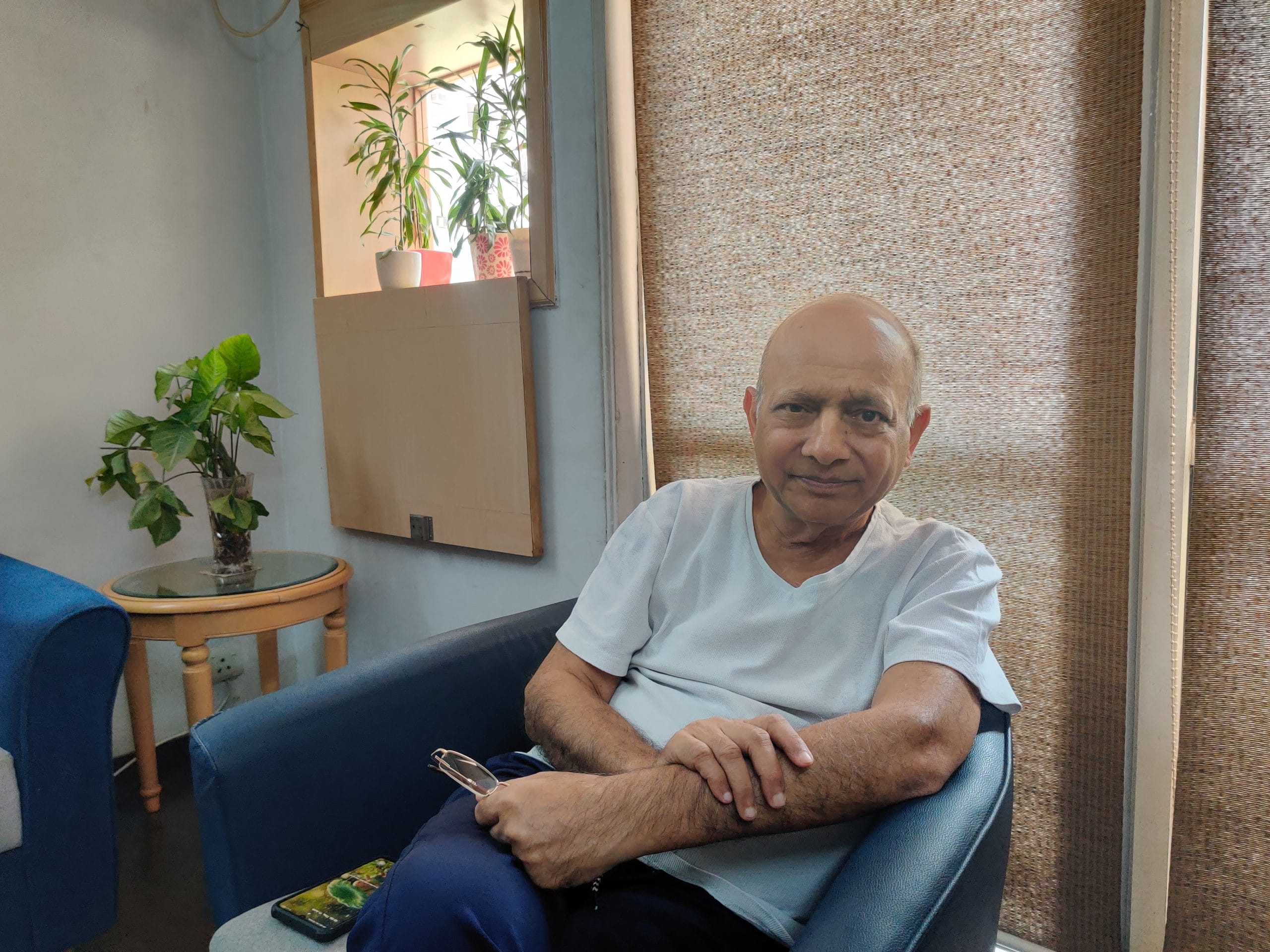
Sixty-five-year-old Ajay Jain, a resident of Wellington Estate in DLF City Phase 5, has spent several years serving as both president and secretary of the society’s Resident Welfare Association (RWA). Over the years, he has learned that managing disputes over home-based businesses is less about shutting them down and more about finding a middle ground that works for everyone.
Rather than viewing every business operating from a residential unit as a problem, Jain believes RWAs must focus on maintaining a balance between residents’ needs and concerns.
“We never allow residents to put up signboards advertising their parlours, tuition centres or other businesses inside the society, except for clinics,” said Jain. “We also ask business owners to keep their operations limited and minimize the number of outsiders entering the society to avoid crowding and noise.”
For Jain and many other RWA members, certain services such as grocery stores, clinics and home tuition centres are essential conveniences that can operate smoothly within residential communities if proper guidelines are followed.
“Imagine not having a grocery shop nearby and having to step outside every time you need milk or bread,” Jain said. “Similarly, having a doctor close to home is always helpful, especially for elderly residents.”
According to him, the key is to monitor what is happening within the society and intervene only when an activity begins affecting other residents.
Recalling one such instance, Jain spoke about a dance class and a beauty parlour that were operating from residential units within the society.
“One resident was running a dance class while another operated a beauty parlour,” he said. “Residents had far more complaints about the dance class because it generated noise and attracted a large number of outsiders. The beauty parlour, on the other hand, was primarily used by women living within the society.”
(Edited by Anurag Chaubey)