





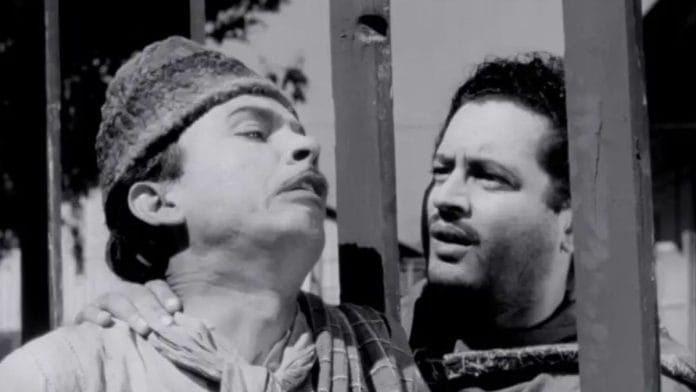


Mumbai: Actor Johnny Walker took his final bow on the silver screen as Joseph in the 1997 comedy-drama Chachi 420. Then, he shut the door on Bollywood way before his fan following and comic appeal were waning. He still had more years of work in him.
His son, Nasir Khan, explained this premature exit in an exclusive conversation with ThePrint: “Daddy couldn’t stomach where comedy was headed, so he left.” He added that Walker also lost interest in films after Guru Dutt died.
“His demise affected him deeply, and he never truly overcame it.”
The double-meaning humour and vulgarity increasingly creeping into Hindi films was unsettling to Walker. He would always say that “comedy should never insult the intelligence of the audience or be based on belittling oneself or others.”
Walker made a conscious choice to take a “back seat” after 46 years and quit before the industry could “throw him out.”
For over three decades, he turned the comic sidekick role into something central to the film’s narrative. He was the guy who showed up mid-film, stole the laughs, sang a song, and got the girl (however briefly). He wasn’t only about providing comic relief; he was woven into the plot with main character energy – hero’s friend, family friend, a symbolic chorus voice, matchmaker, a social commentator. He moved the plot forward, didn’t just appear as an interlude. Walker weaponised comedy to smuggle in sly commentary on class, love, and everyday absurdity that the ‘serious’ characters didn’t.
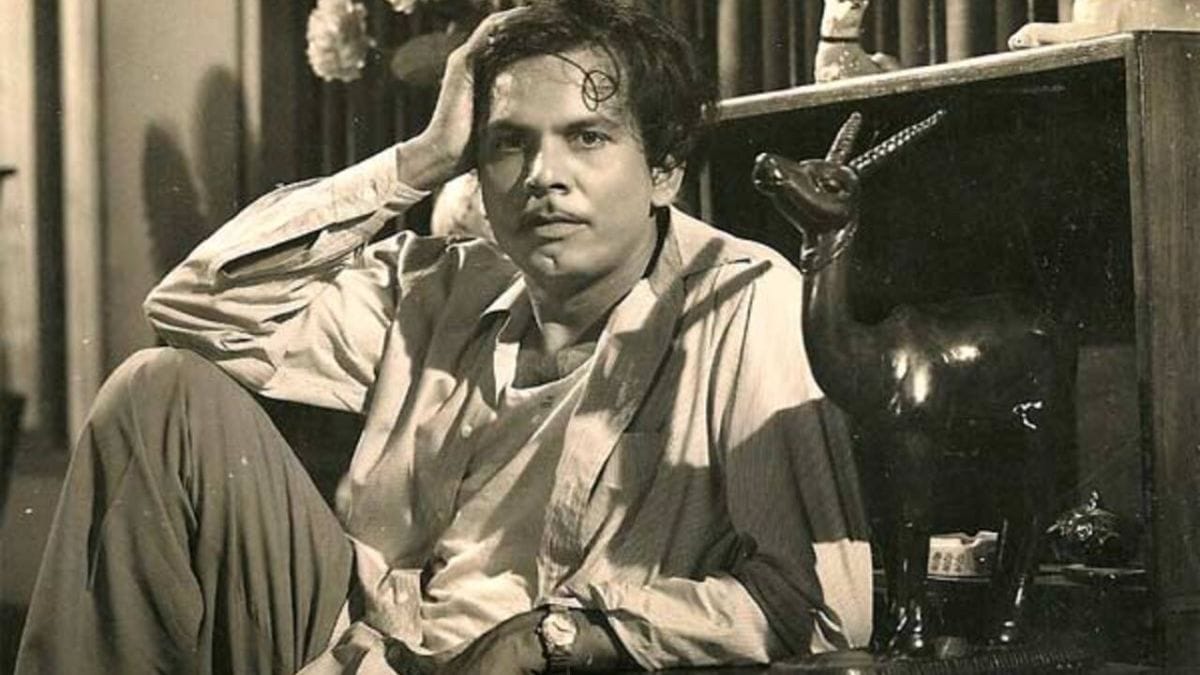
By the time the spotlight moved on to newer comedians such as Asrani, Johnny Lever and Rajpal Yadav, Walker had already become an industry norm. To this day, ‘a Johnny Walker moment’ means one thing in Hindi cinema: pure, unfiltered laughter.
“He was the last superstar comedian. With him, comedy saw its peak; after he left, the state of comedy has only witnessed a downfall, and it has just become worse and worse,” Khan said.
“Today humour is: ‘shakal dekho apni, ispar mai truck chala sakta hoon’.” (Look at your face, I could run it over with a truck)
Unnamed drunkard
A man staggers into frame, one hand grasping at nothing for balance. His hat slips, his tie loosens, and his words slur into half-finished sentences, punctuated by perfectly timed hiccups. This was Johnny Walker’s debut, an unnamed drunkard in Guru Dutt’s Baazi (1951), and it would turn out to be one of the most consequential entrances in the history of Hindi cinema.
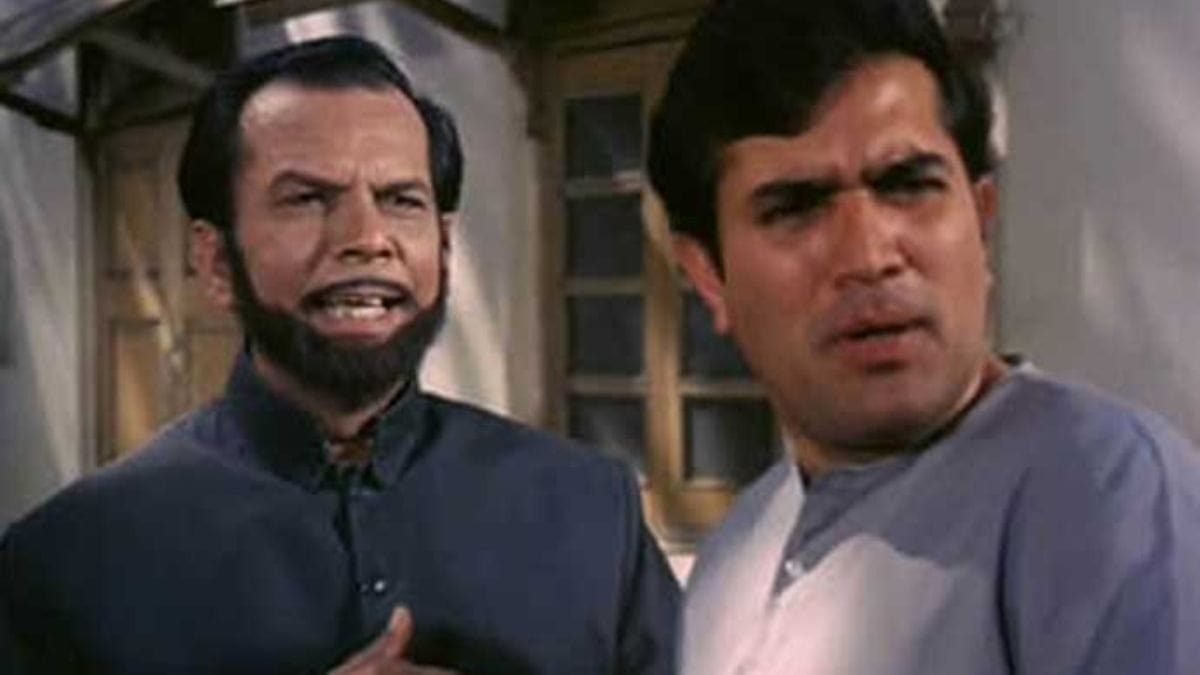
But Walker wasn’t just funny. He was, by every account, a genuine star, in an era that still had room for comedians to be exactly that.
“Walker sahab was a star in his own right. Same is for Mehmood. They were the last comedy superstars. They would have almost the same, if not more, screen time and more songs than the lead hero. They weren’t just comedians; they were stars,” said film historian Shahanshah Mirza Muzammil (SMM) Ausaja.
The proof wasn’t just anecdotal. There was, at one point, an entire film built around his name. The 1957 Hindi comedy-romance film, Johnny Walker, starring Walker in the lead role as Murli Manohar.
“Both Walker and Mehmood had the potential to sustain the films, people would come to see him perform,” the historian added.
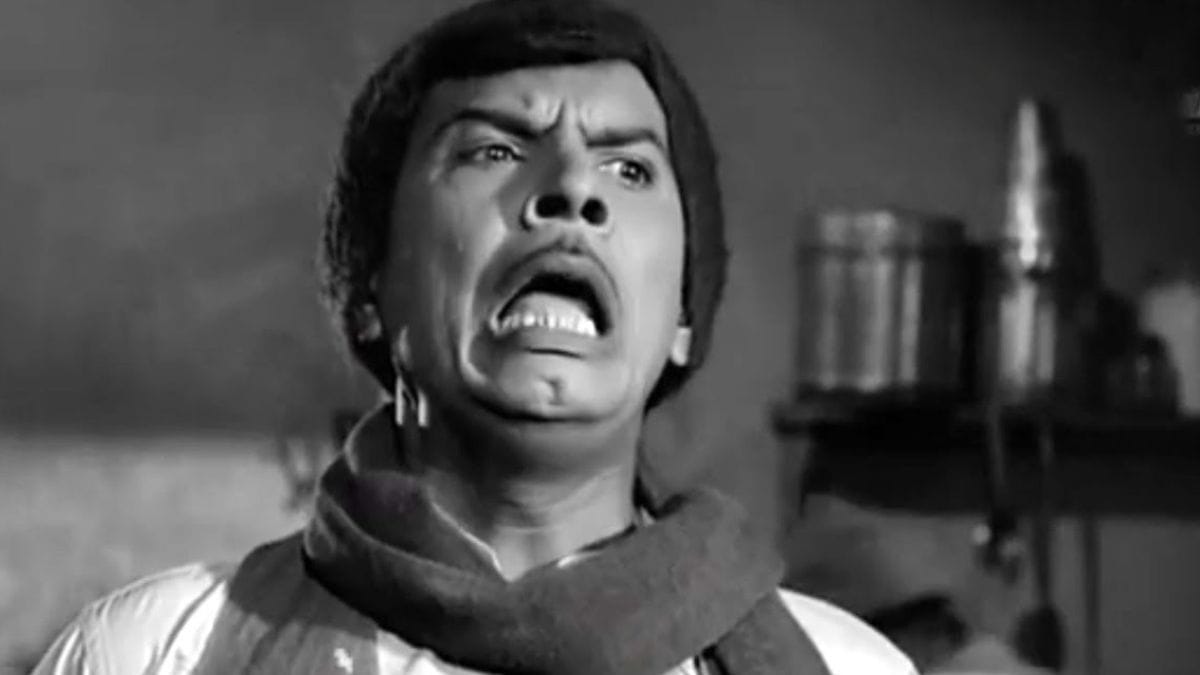
Khan points to Madhumati (1958) as a perfect illustration of exactly how far that pull extended. In a film headlined by Dilip Kumar, it’s Walker who gets a solo number, ‘Jungle Mein Mor Nacha’, an entire song built around him.
“Is it possible today? Will Rakesh Bedi be the centre of attention in a song in a Ranveer Singh film?” Khan asked.
The scale of Walker’s career is almost hard to comprehend by today’s standards. From that first stumbling scene in Baazi to his final film, Chachi 420 (1997), he appeared in over 300 movies. The long list literally reads like a syllabus of Hindi cinema’s golden age: Aar-Paar (1954), Taxi Driver (1954), Mr. & Mrs. ’55 (1955), C.I.D. (1956), Pyaasa (1957), Naya Daur (1957), Kaagaz Ke Phool (1959), Mughal-e-Azam (1960), and Anand (1971), and many more.
Music sat at the heart of it. Khan is emphatic that his father’s musical footprint was, for a comedian, unmatched. Over 200 songs were picturised on him across his career, and none of them, he stresses, were “fillers”.
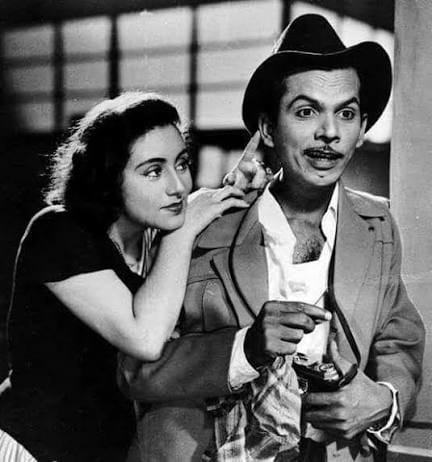
“Yeh Hai Bombay Meri Jaan” from C.I.D. cast him as a pickpocket narrating the underbelly of the city with surprising poignancy; “Jaane Kahan Mera Jigar Gaya Ji” from Mr. & Mrs. ‘55 turned him into a hapless lover; and then, of course, there was the song that outlived nearly everything else he made, “Sar Jo Tera Chakraye”, his iconic turn as a philosophical champiwala in Pyaasa.
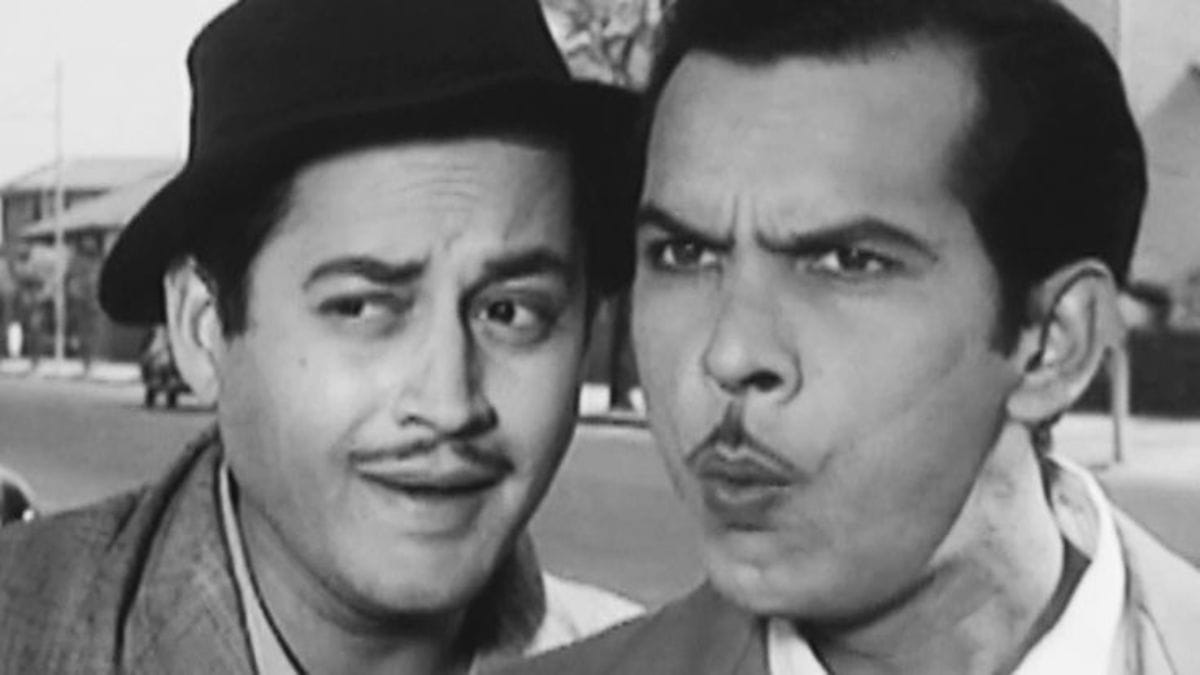
If Guru Dutt was his defining director, Mohammed Rafi was Walker’s defining voice.
He was the only singer, by most accounts, who could bend his own tone to match Walker’s particular comic register.
“People just know these popular songs, but the 200+ songs that were picturised on him were not limited to Hindi cinema. They spanned across Gujarati, Marathi, and Punjabi films as well,” Khan said.
He pushes back, though, on the idea that his father’s stardom would have been even greater had he been cast as a conventional lead, in something like Anand, for instance. For Khan, that framing misunderstands what made his father stand out in the first place. In his comic roles, “nobody could catch his hand.” So, for him, it wasn’t a failure to become a hero. It was mastery of something rarer.
That kind of comic stardom, though, didn’t survive the decade that followed. By the 1970s, Ausaja said, comedians began losing their footing as leading actors absorbed the job of getting laughs themselves. He cited the example of Amar Akbar Anthony (1977), where Amitabh Bachchan handles the comedy even with a trained comic actor like Mukri in the cast.
“Over the years, the importance of comedians has diminished. They were reduced to just small elements in films,” Ausaja said.
Depthless comedy tires you
Actor Paresh Rawal traces the decline of comedy to something more specific than screen time: the writing itself.
“Nowadays comedy is senseless. There is no logic to it. Depthless comedy tires you. Walker sahab‘s comedy would make you laugh but also introspect,” Rawal told ThePrint.
Two of Walker’s films remain personal touchstones for Rawal, Anand and Ram Aur Shyam (1967), precisely because the comedy in them didn’t stay comedy for long.
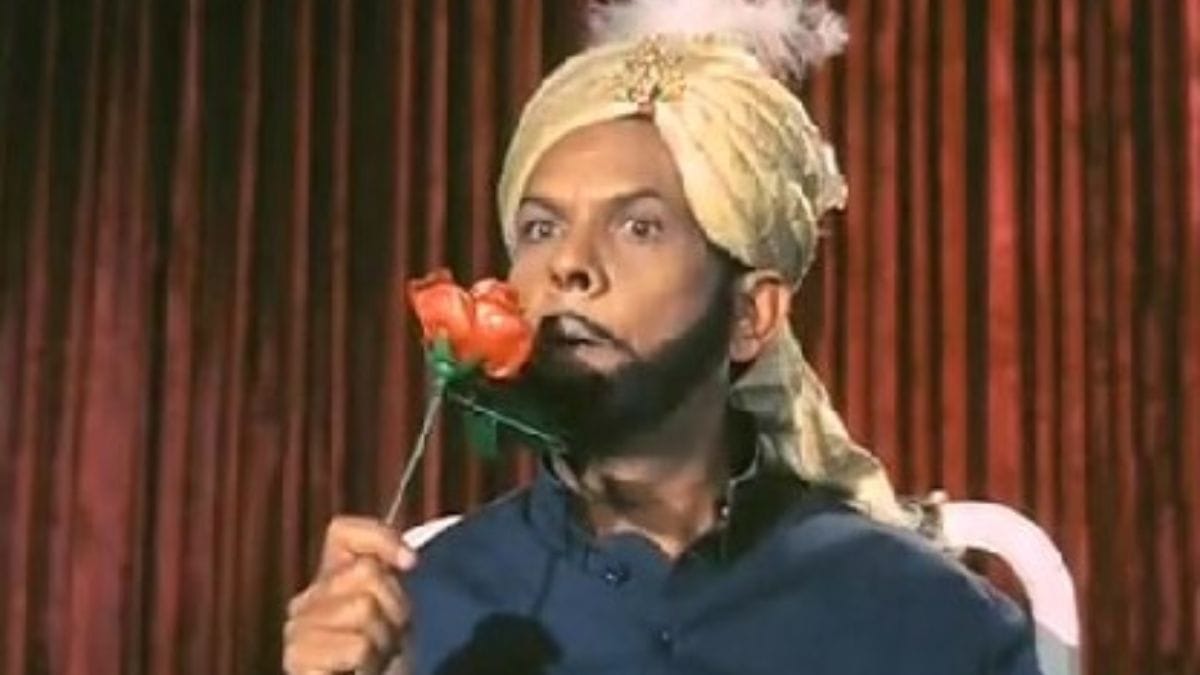
“In Anand, it wasn’t just about laughs. He made you cry. I cried when he cried,” he said.
For Rawal, the genre held its footing reasonably well through films like Hera Pheri (2000), Bhagam Bhag (2006), Cheeni Kum (2007), and Paa (2009).
“Jokes were still structured and constructed. Brain was used. Today, it’s just perversion. Running down a handicap, making fun of him is comedy. Gandagi hai bilkul,” he said.
Comedy today has also shrunk structurally, confined to isolated scenes rather than woven through a film’s narrative the way it once was.
But Rawal doesn’t blame the actors. “It’s not like comedians aren’t there. No one writes for them,” he said.
Walker himself, according to his son, had little patience for the complaint that comedians had lost their standing simply because actors had started doing comedy themselves.
“He would say, ‘there are no comedians, that’s why the actors have to do the heavy lifting of drawing laughs’,” Khan recalled.
He does credit comedic actors like Johnny Lever and Rajpal Yadav for carrying forward the legacy, “but, you see, they never got a song.”
What set his father apart, according to Khan, wasn’t volume or spectacle. He didn’t rely on shouting, overacting, or the exaggerated getups that have since become the template for screen comedy.
Even the smallest line carried weight in his hands.
“Even a simple line like ‘Chai pijiye‘ (Have some tea) was delivered with a timing that brought an immediate smile to the audience’s face. He was gifted with great timing,” Khan said.
‘Don’t try to keep me alive’
When Johnny Walker stepped away from films, he left the industry entirely and never looked back. He kept in touch with only a handful of people from the industry, including Dilip Kumar, Waheeda Rehman, Abrar Alvi and Dev Anand.
His final years were marked by the same qualities that had defined his career: sharp wit, clear personal conviction, and, in the end, a satisfaction with death. Even as his body weakened, the humour never fully left him.
Khan recalled that hospital staff would share how much he made them laugh when they cared for him. The doctors and nurses supervising him would always have a fun time.
Walker’s wishes about how it should end were equally unambiguous.
“He was very firm about his desire to pass away at home rather than in a hospital. He told us very clearly: ‘I will die in the house and you will not do anything to save me. I am dying, let me die. I have done everything’,” Khan said.
There was, in his son’s telling, a real sense of completion and satisfaction. All his children were married, he had lived to see his grandchildren, and by his own accounting, there wasn’t much left undone.
“Now what is the reason to stay alive?” Walker had asked. The family, Khan said, treated his death the way they had tried to treat his fame throughout his life. Without turning it into a spectacle, keeping up with the modest way they had all been raised.
Walker liked to describe himself, toward the end, as a traveler who had simply arrived. Someone who had climbed his mountain, planted his flag, and was ready to come back down. It’s an image his daughter has also invoked in interviews in the past.
That same instinct for proportion runs through the rest of the family’s relationship to his legacy. Khan, who has since built his own career through films like Baagban (2003) and Wazir (2016), doesn’t feel any pressure to actively preserve his father’s on-screen legacy.
“The films are already doing that work on their own. His own legacy will outlive even us. As a son, I feel when people watch his film and they smile, that’s how dad’s legacy is preserved,” he said.
It’s also, in part, why Khan said he never tried to replicate his father’s success. Walker was blunt with his children about the limits of what he could give them.
“I am your father, not God. I cannot make your careers,” he would tell them. Walker’s theory of how stardom actually works was quite simple: “It’s 99 per cent luck, 1 per cent hard work and discipline, and somewhere in the corner talent.”
Walker’s grandchildren grew up largely unaware of just how significant their grandfather had been. That was an example of how unassumingly the family lived. Nobody made a production of his stardom at home. He was, first and foremost, family.
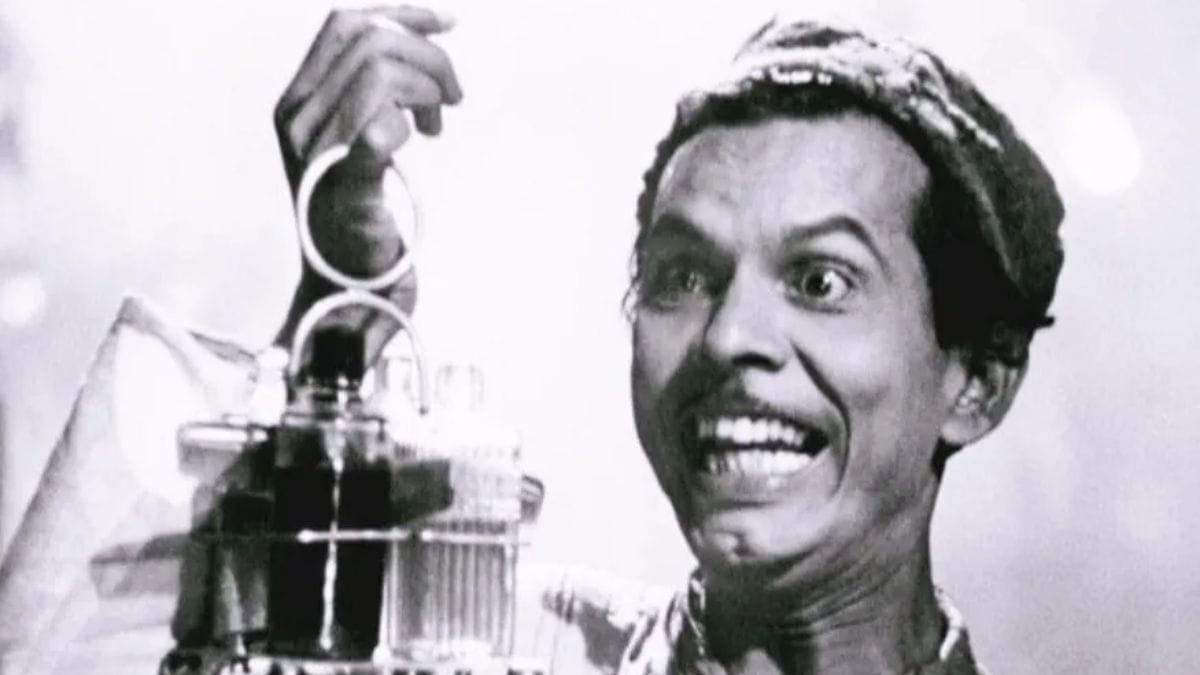
The scale of it only really landed for Khan’s daughter while she was studying Mass Media in Pune. On a visit to a film institute, Khan recalled, she came across her grandfather’s photograph and name printed in a textbook. Walker’s work was being discussed as teaching material; Pyaasa and his most iconic songs were being studied by students. That’s how the granddaughter got to know the weight of Walker’s legacy.
“My daughter was stunned to see her batchmates and teachers talking about him with such reverence. She called me in surprise to share that Dada’s photographs were everywhere,” Khan said.
Also read: India’s exotic pet trade has outrun the law. Actor Vikram’s gibbon video is the tip of it
Bus conductor to comedic star
Born as Badruddin Kazi, Walker used to work as a bus conductor. He had spent months entertaining his passengers with comic bits, including a spot-on impression of a stumbling drunk. One day, actor Balraj Sahni happened to be riding that very bus, and couldn’t stop laughing. At the time, Sahni was working on the script for Guru Dutt’s Baazi. He told Walker to show Guru Dutt the act himself.
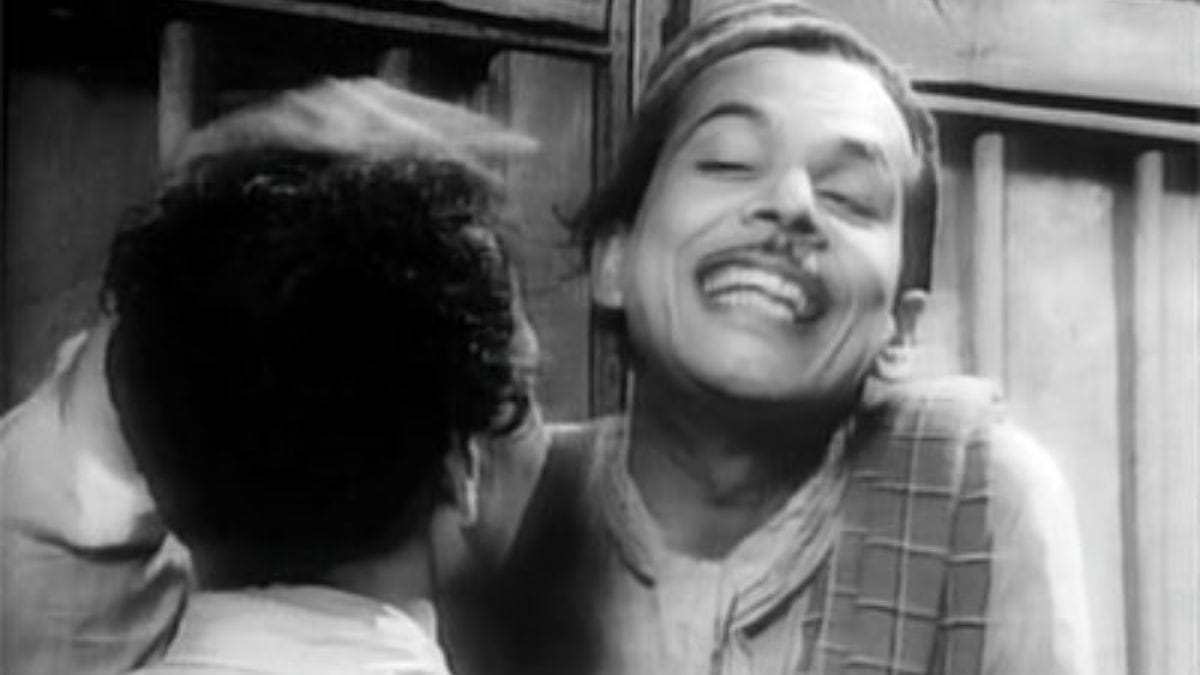
The soon-to-be star walked into Dutt’s studio and, without any introduction, launched straight into character, swaying, slurring, tripping over his own feet. For a moment, it looked like chaos. Dutt, caught off guard, nearly had him thrown out until Sahni stepped in just in time. Walker got the part on the spot, and Dutt gave him a new name to match it: Johnny Walker, after his own favorite Scotch.
That is how Johnny Walker came to be on the silver screen. The irony, of course, was that Walker never drank a drop in his life.
“Alcohol wasn’t even allowed on the premises of our house. Dad used to host these dawaats which were quite popular. It would have everything, from ghazals and shayaris to elaborate vegetarian and non-vegetarian meals, but no alcohol,” Khan said.
The spread at these gatherings was as generous as the guest list; daal gosht, raan, biryani, bhindi, and aalo ghobhi were regular dishes. But people didn’t come only for the food; they came for the conversation, and for Walker.
Off screen, Khan said, his father bore little resemblance to the drunkard he played so convincingly on camera. He was, in reality, a quiet, spiritual, and deeply philosophical man.
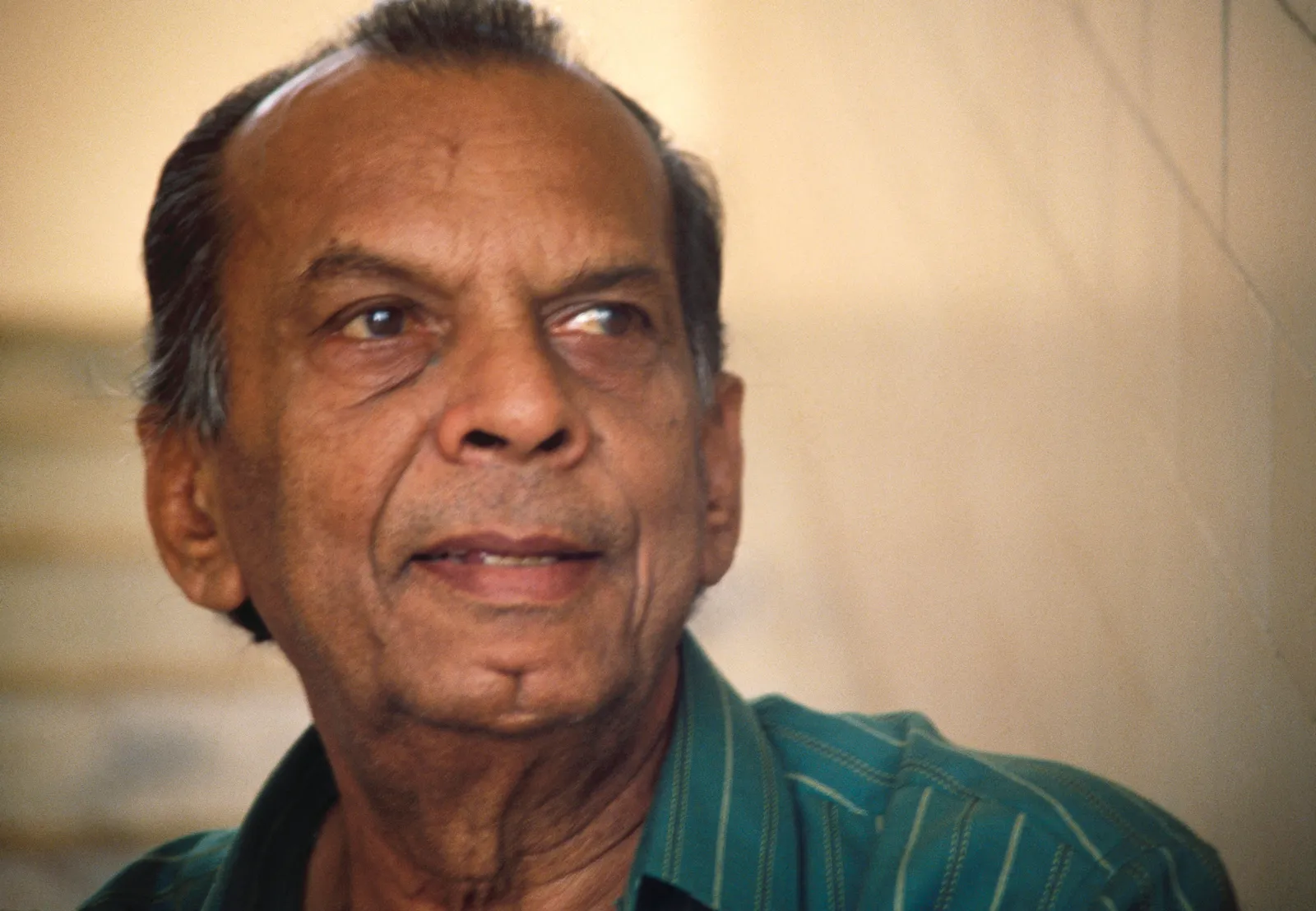
“Daddy would say: mai Johnny Walker banne ke paise leta hoon (I take money to become Johnny Walker),” Khan said. But if there was one thing which was similar in his on-screen and off-screen personality, it was his sense of humour. He was witty, sharp with his tongue. But his statements were never meant to roast or belittle anyone.
Walker also lived simply, deliberately avoiding a lavish lifestyle. It was this approach that gave him the financial freedom to walk away from the industry entirely without fear of instability. That same restraint became one of the core principles he passed down to his children.
“He would tell us to know ‘the difference between zaroorat and khwahish,’ warning that chasing unnecessary desires leads to losing one’s basic needs,” Khan explained.
That philosophical bent showed up most clearly in his self-discipline. Despite a severe weakness for sweets, he couldn’t relish them as he had serious diabetes. Walker had his own unique ways to keep himself disciplined.
“He would say, ‘I will eat rasmalai after 15 days’, and strictly follow the diet. On the 15th day, he would order one kg of rasmalai, pick one piece, take a small bite, and that’s it. He would ask us to take it away,” Khan explained.
While Walker’s dawaats were quite popular, he himself didn’t have a favourite food. Upon giving it a good thought, Khan said that his father was someone who would “eat anything and everything.”
“He would never have preferences. At parties, he would just walk into the kitchen, eat whatever was there and then carry on with socialising.”
For a man who lived by such strict principles, it was genuinely hard to pin down anything resembling an indulgence — a weakness, a want, a single thing he couldn’t quite resist. And then it came to Khan: jalebis.
“He absolutely loved Jalebis. It was his absolute favourite,” he said.
(Edited by Ratan Priya)