





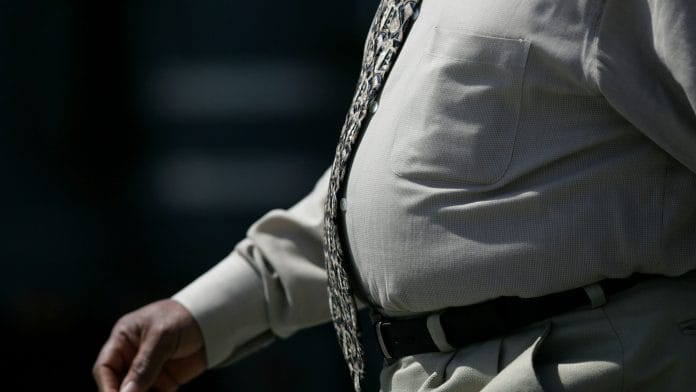


New Delhi: A waist-size measurement can identify obesity-related health risks, says a study by Rutgers Health researchers.
A new study published in JAMA Network Open in August found that measuring waist size alone, or combining it with body mass index (BMI), can be just as effective as a more detailed method of assessing obesity.
The findings suggest that waist measurement could offer doctors and patients an easy way to identify excess body fat and possible health risks.
“Pay attention to the need to loosen your belt or get bigger pants,” said Aayush Visaria, a faculty member of the Rutgers Health-RWJBarnabas Health Center for Climate, Health, and Healthcare and lead author of the study.
Also read: The most bombed McDonald’s reopens. Guess where it is
Size is a sign
Rutgers Health researchers studied data from around 1,900 US adults aged 20 to 59. The participants were part of a national health survey. Researchers compared different ways of identifying obesity with a highly accurate method of measuring body fat.
“Although clothing size isn’t the same as a proper waist circumference measurement, it can be an early sign of unhealthy amounts of body fat. Measuring your waist, along with your weight, can help identify health risks earlier and provide an opportunity to reduce your risk of diabetes, heart disease, stroke and some cancers,” said Visaria.
Researchers also tested a newer obesity definition that considers BMI, waist size, and waist-to-height and waist-to-hip ratios. While it identified more people with excess body fat, the study found that simpler methods could provide nearly the same results.
“Our findings show that you don’t necessarily need multiple complex measurements to identify obesity-related health risks,” said Visaria. “A waist measurement provides much of the information needed and is feasible for clinicians and patients alike.”
However, the study also found that BMI alone failed to identify many people who had unhealthy levels of body fat, showing that BMI may not always give a complete and exact picture of body fat distribution.
Researchers said the findings could help improve future obesity screening guidelines and encourage doctors to include waist measurements as part of routine health checks.
(Edited by Ratan Priya)