



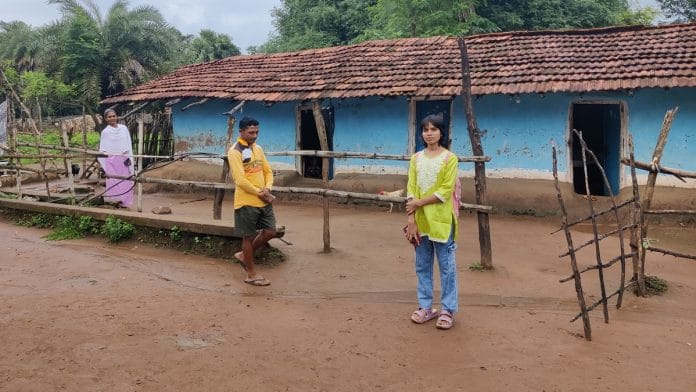
Dantewada/Bastar: Deepa Markam grew up in Potali, a remote village paralysed by Maoist violence. Neither its school nor its health centre functioned for years. But now both facilities have reopened. And Markam cleared NEET this year, with her sights now set on a seat in a government medical college.
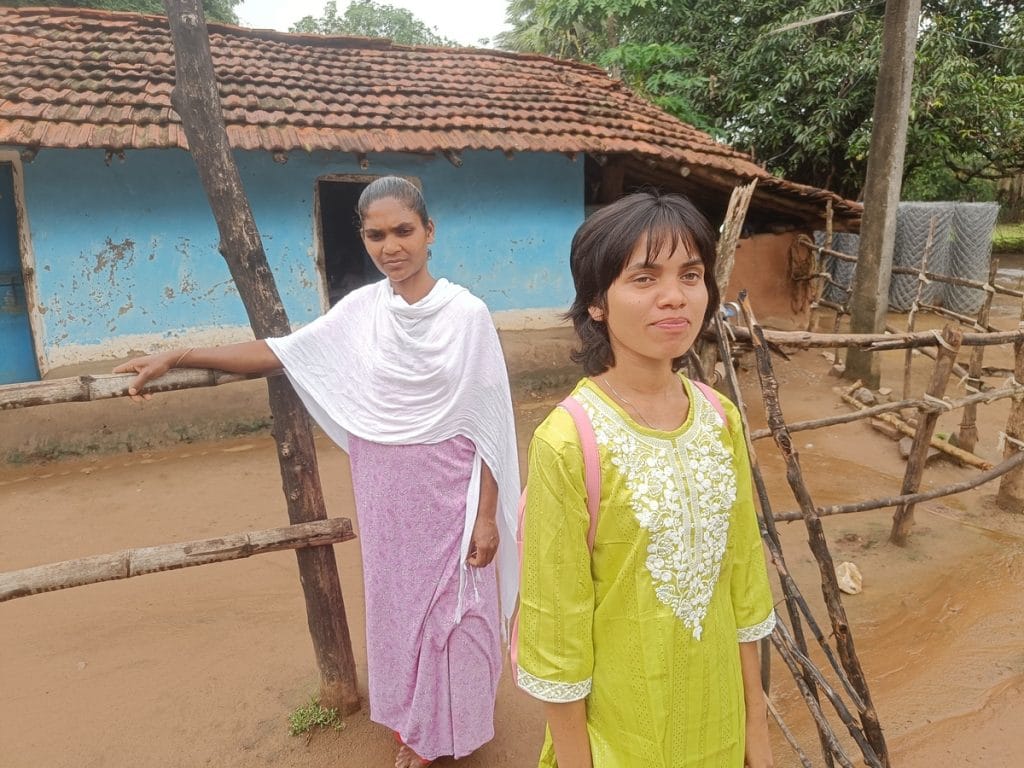
“It was not easy for me,” said the 21-year-old, standing outside her family’s mud house in Potali. “My village was badly affected by Naxals. There were no medical facilities here and people had to travel for hours to reach doctors at the district hospital.”
Markam scored 412 in the medical entrance exam after studying for two years at Chhoo Lo Aasmaan, a free residential coaching initiative run by the Dantewada district administration for NEET and JEE aspirants. Living at its campus 55 km from Potali, she attended classes through the afternoon and then studied by herself late into the evening.
Located in a dense forest, few dared to venture to Potali until just over a year ago. Markam’s success comes just as the village’s fortunes are beginning to turn. She was only a year old in 2005, when a health centre was inaugurated there. But it remained shut for nearly two decades amid rising violence due to Maoist insurgency, only opening its doors on 1 January 2025. It now serves 2,500 people from three villages. A defunct primary school also reopened the same month.
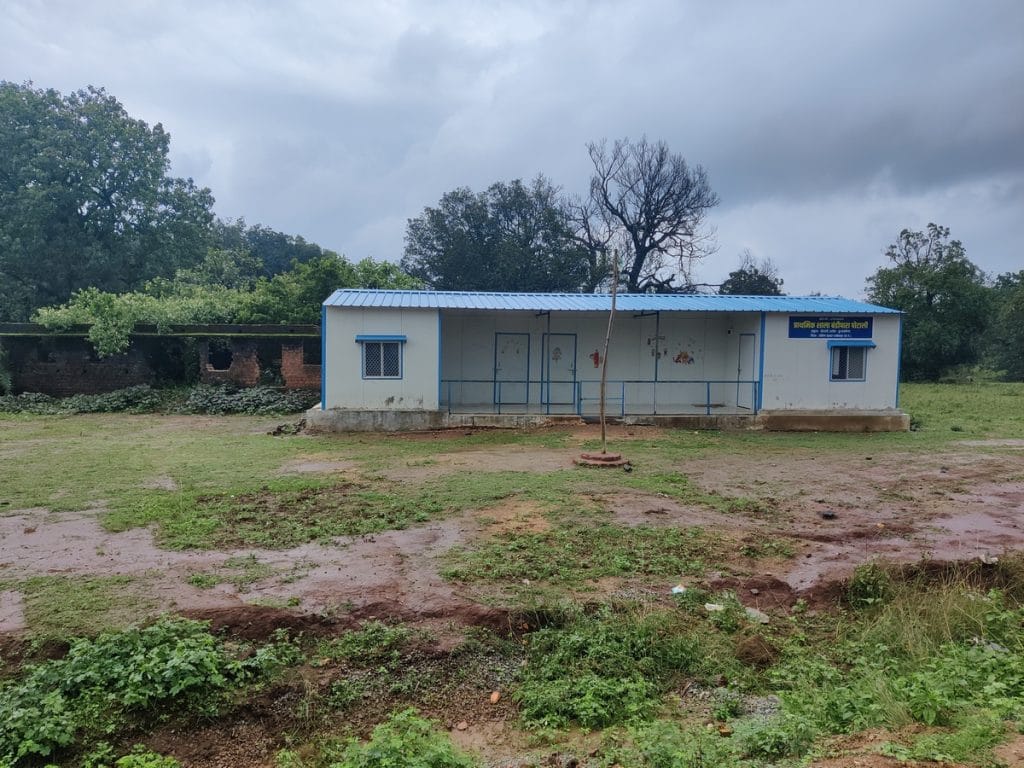
These changes came after a sustained security offensive that dismantled Maoist footholds and paved the way for normalcy to return in these areas. Union Home Minister Amit Shah had set 31 March 2026 as the deadline to eradicate the insurgency, and the government has announced that it has met this target.
“Now things are changing in my village and we hope the government will provide all facilities to us too,” said Markam.
In a post on X, the Dantewada district administration also attributed Potali’s turnaround to the government of Chief Minister Vishnu Deo Sai, Chhattisgarh’s first tribal chief minister. Since 2024, the state has been restoring roads, health centres and other basic services in villages such as Potali under its Niyad Nellanar scheme.
“Many parts of Bastar were miles away from development,” Chief Minister Vishnu Deo Sai told ThePrint. “Naxalites used to prevent the construction of roads, schools and hospitals. However, the once-formidable insurgency has now been eliminated, and even the most remote areas have become secure, opening avenues for young people to progress.”
Also Read: How Dantewada Collector OP Choudhary pushed education in the Naxal-dominated district
NEET ‘miracle’
Deepa was a child when she lost her mother. As her father works in neighbouring Sukma, she was raised by her grandparents.
“She has faced several challenges since childhood. There was no environment for education in the village. Cracking NEET is nothing short of a miracle,” said her uncle, Dileep Markam.
A studious child, Markam travelled 55 km to attend a government school for tribal students in Dantewada. Determined to become a doctor, she later secured admission to Chhoo Lo Aasmaan, the district administration’s free residential coaching programme for NEET and JEE aspirants.
Started in 2011 by OP Chaudhary—then the district collector and now Chhattisgarh Finance Minister—the programme operates from campuses at Karli and Balud with support from the National Mineral Development Corporation. This year, 158 students appeared for NEET through the programme, with 21 scoring more than 300 marks—reportedly its best result yet. Six former students now work as medical officers in Dantewada.
“We are very happy that a child from our house is on her way to becoming a doctor,” said Markam’s uncle.
Now, the aspiring doctor is waiting for the counselling process to begin.
“My rank is not very good, but I am hoping to get a government college,” she said. “I want to become a doctor and serve my people, who have lived without medical facilities for decades.”
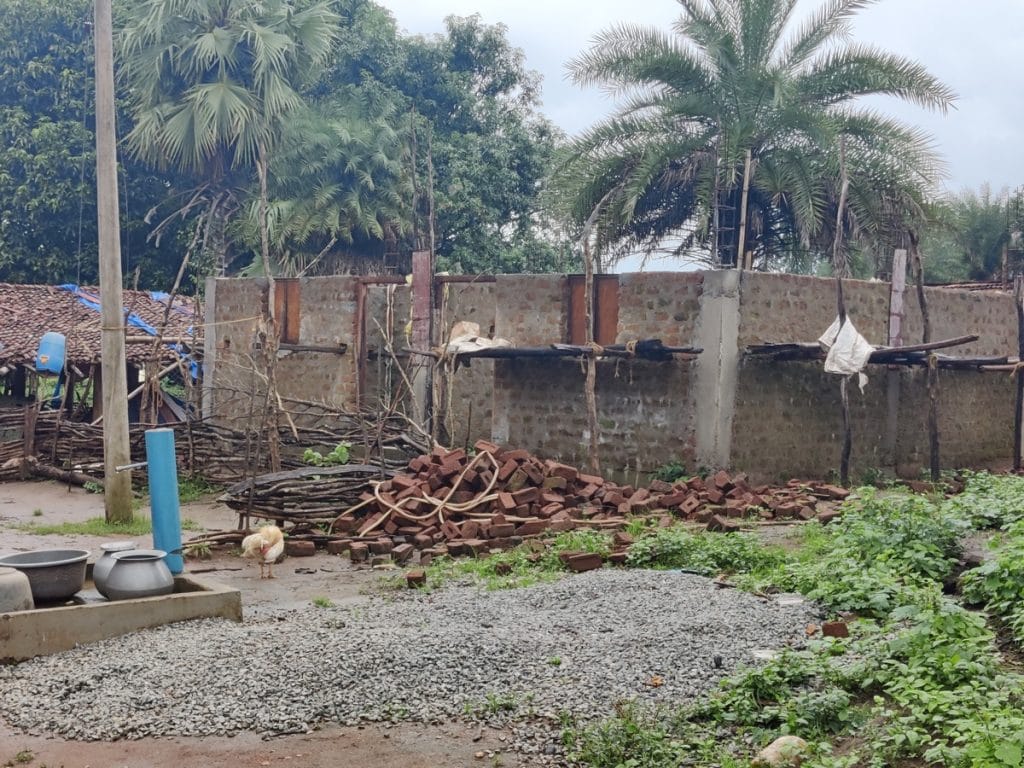
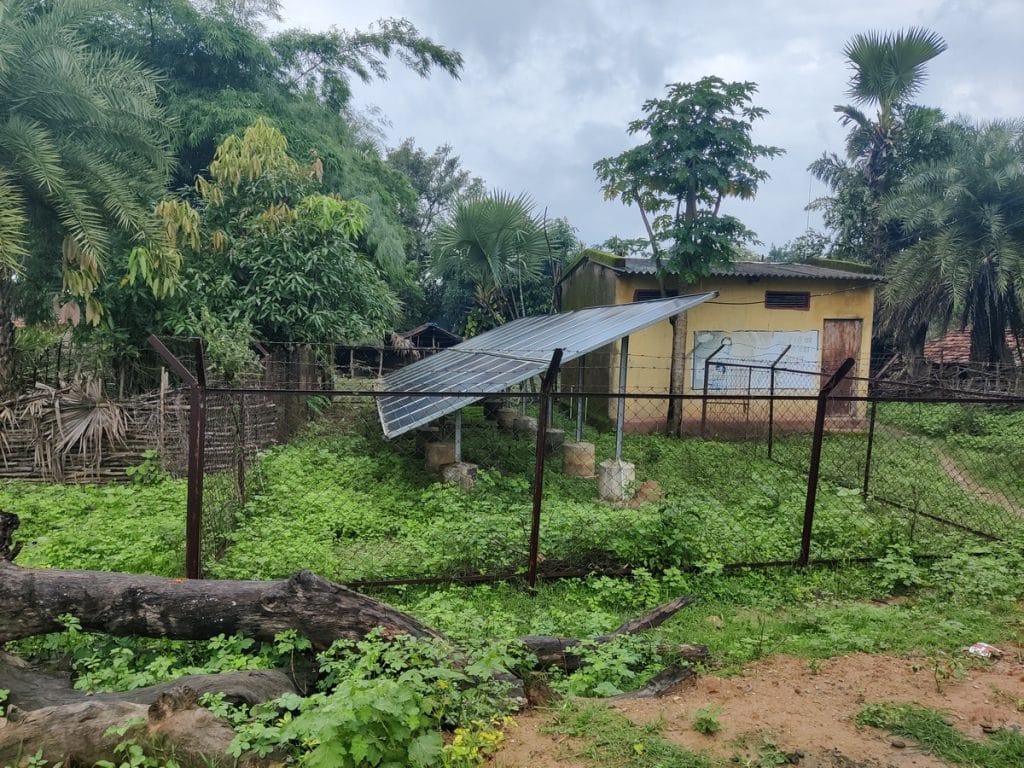
The family’s life has changed in other ways too. They recently received assistance under the PM Awas Yojana and have begun building their first pucca house.
“The government provided us the money to build a pucca house,” Dileep Markam said, pointing toward an under-construction structure.
However, Deepa noted that paper leaks across the country have created uncertainty for aspirants.
“The government should ensure that exam papers are not leaked and punish the guilty,” she said.
Also Read: From ‘jal, jungle, jameen’ to jobs: Surrendered Maoists seek new lives with state rehabilitation
Tapping the youth
On July 25, the Bastar District Magistrate and Superintendent of Police addressed a batch of students enrolled in free coaching for SSC, Vyapam, and Railway examinations at Gyan Gudi in Jagdalpur.
“Never think that you come from a very small place. Always think big—you all have potential,” said Shalabh Sinha, SP, Bastar.
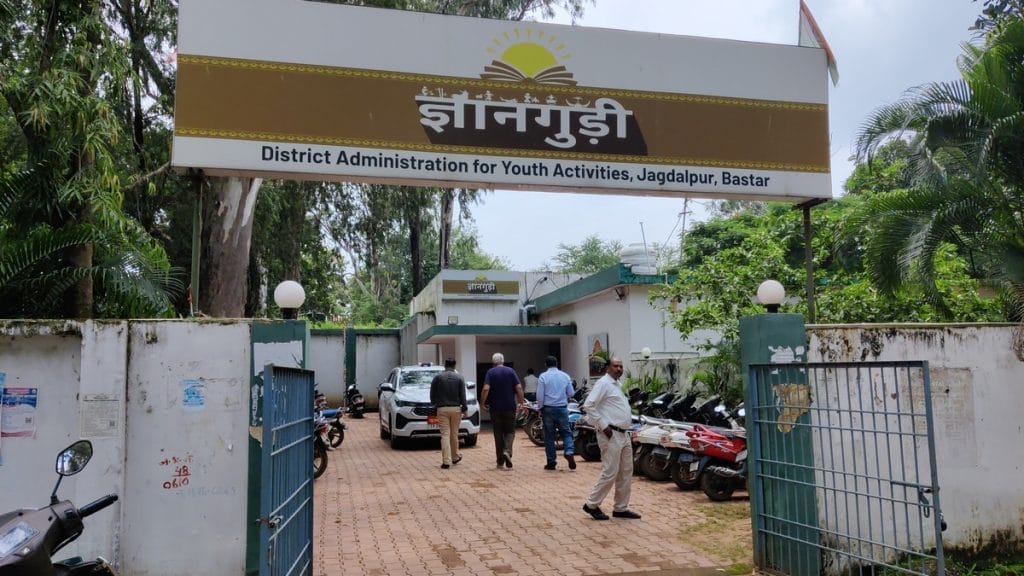
Gyan Gudi, a free residential coaching centre, was inaugurated in 2024 by the Bastar district administration. It is staffed by four state-appointed teachers and monitored by the DM. This year, 50 of its students cleared the NEET exam.
“These students come from Naxal-affected areas. Cracking exams like NEET is a very big achievement,” Akash Chhikara, Bastar DM, told ThePrint.
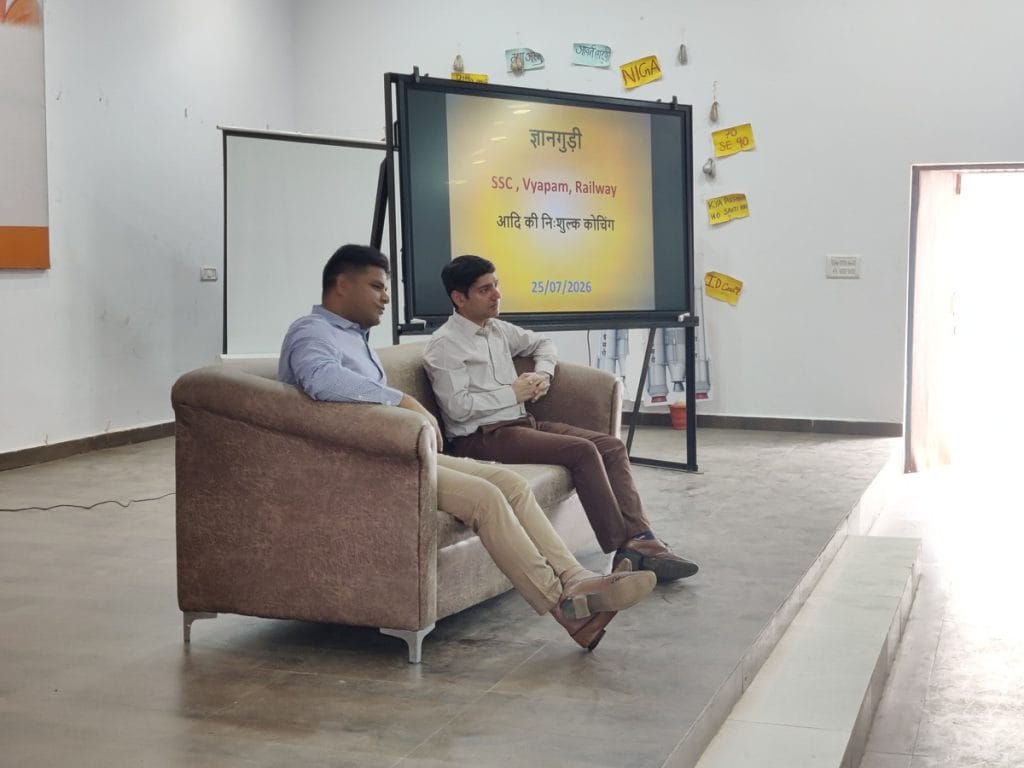
Eight of this year’s successful candidates are expected to secure seats in government medical colleges. In 2024-25, 120 students received NEET coaching at Gyan Gudi, of whom 67 qualified.
“This centre was established with the aim of improving the future of children in Naxal-affected areas. Providing a better future for these children is our priority,” said Alexander Cherian, the in-charge at Gyan Gudi in Jagdalpur.
Beyond Naxalism, the district administration now faces a more complex frontier: securing the trust of its youth.
“Guiding the youth in the right direction is a challenge. Anti-establishment sentiments tend to emerge quickly among young people. Tapping into their aspirations poses a major challenge from the perspectives of both security and administration,” said Sinha.
(Edited by Asavari Singh)