







I am a soon-to-be seventeen-year-old, and my world includes my family, close friends from school, my schoolwork, playing basketball and judo, working on my start-up, social sector initiatives and practising art. This seems like a lot, similar to big and small marbles in a jar, making me wonder what else there is space for. And here comes the sand.
As sand occupies the empty space in the jar, my gadgets and social media act like the sand in my bottle of life. It just seeps in, many times unknowingly, helping me take breaks with an ever-expanding playlist of songs or being in the know of everything my friends are up to.
I consider myself fortunate that in my life gadgets and social media are sand, not marbles. But the world around us seems to be less fortunate. Kids and adolescents (K&A) are viciously getting trapped in the attraction towards gadgets and social media. Just like psychotropic substances, getting used to small doses in the beginning leads to more cravings, increased dosage and the proximity to impending fatality.
I believe in our present times, this is a universal malaise, regardless of which part of the world or the economic strata the K&A belong to. The ability to exercise self-control and protect oneself from getting wrongly influenced comes with age, experience and maturity, an aspect which K&A lack, making them particularly vulnerable.
Those who are affected demonstrate higher levels of irritation, lack of reason and patience. Aggressive behaviour towards others or being reticent and shunning social gatherings are symptomatic of what the K&A could be going through. This social epidemic attacks on two vectors. One, the kind of content being consumed, and two, for how long.
There is a deluge of content vying for our attention. Social media technology companies want to maximise attention, and the more time one spends watching, the more content of a similar nature will appear on the feed. What can begin with childish curiosity can turn into full-blown influence towards something malignant and toxic. Unhindered access can turn minutes into hours; hours into very long hours every day.
The alarming influence of toxic content on K&A is making headlines across the world, be it gun violence, misogyny or hate messaging. Cases of physical assault and violence where adolescents are turning to such acts are surprising even to hardened law enforcement officials.
An OTT series called Adolescence garnered much attention and discussion on a teenager committing a violent crime against a classmate and the aftermath of the incident for his family and his own self. The series unravels many motivations, particularly fanned by groups who identify themselves as ‘incels’ or involuntary celibates. These groups rally together to justify their thoughts, pushing into believing that their actions are right, a way to seek redemption against those who chose to wrong them.
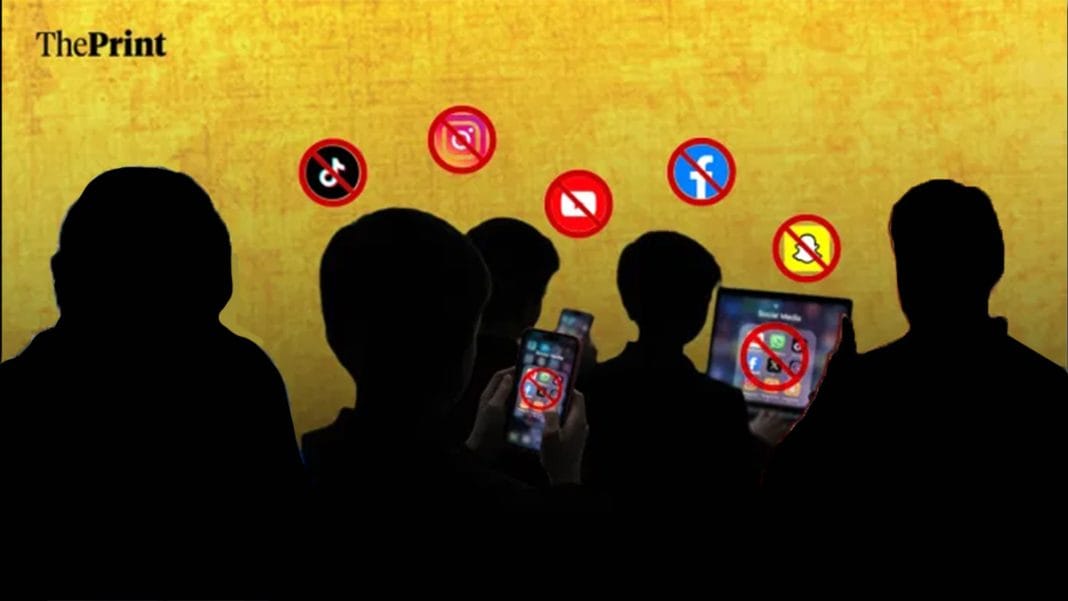
So the question arises: how do we protect the young and vulnerable K&A? The good part is that all communities across the world are waking up to the perils of excessive and abusive use of digital content and social media. Recently, Australia has banned those below the age of 16 from using social media as a response to growing concerns. Will a blanket ban serve the purpose, and can it even be imposed in letter and spirit? That’s a question that only time will answer.
In the meantime, every family, community and adult, will have to own up and take responsibility. There is a greater need to create awareness amongst all stakeholders, especially those who have responsibility towards K&A. Parents need to know that leaving the child with a phone is detrimental to the child. How many times have we seen parents allowing a child to be completely alone with a phone in a restaurant so that they could have uninterrupted time? Sure, personal time is important, but complete abdication is not right.
Parents, caregivers, families, communities must rethink privacy and gadget ownership for K&A. Vigilance is essential, and unusual or concerning behaviour should be addressed early. K&A should understand that access to gadgets and social media is a privilege, not a right. Parents and guardians must set clear guardrails, question breaches, and discuss appropriate consequences.
We are not sure how the advent of AI and generative learning is going to fully influence all of us, especially K&A. One thing is for sure, we are headed into a more complicated world. Every individual, especially people responsible for K&A, should weigh their actions, set up systems of checks and balances, and provide a nurturing environment without excessive dependence on gadgets and social media.
Tanisha Chakravarty is a student of Bombay Scottish School, Mumbai. Views are personal.
Also read: The living mirror of a kaleidoscopic republic: Key elements of Census 2027