







New Delhi: Six years after a gang rape on a motorway outside Lahore sparked nationwide outrage and calls for stronger protection for women, and led to new anti-rape laws in Pakistan, the Lahore High court Wednesday upheld the death sentences of the two men convicted in the attack.
A division bench of the court Wednesday dismissed appeals filed by Abid Ali, or ‘Malhi’, and Shafqat Ali, or ‘Bagga’, affirming convictions that included gang rape, kidnapping, robbery and terrorism-related offenses, Dawn reported.
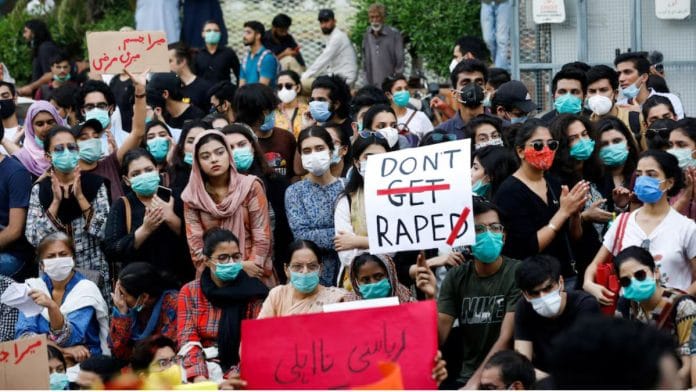
The case saw massive protests in 2020 after a French-Pakistani woman was attacked on 10 September 2020, while travelling with her three young children on the Sialkot-Lahore Motorway. Her vehicle had run out of fuel late at night, leaving the family stranded on a largely deserted stretch of road.
According to prosecutors, the two men smashed a window of the vehicle, dragged the woman into nearby fields at gunpoint and raped her in front of her children before stealing cash, jewellery and bank cards. The assault triggered widespread outrage across Pakistan, raising concerns about public safety, policing and violence against women.
In March 2021, an anti-terrorism court had sentenced both men to death, in addition to life imprisonment and other prison terms. The defendants appealed, arguing that inconsistencies in the prosecution’s case cast doubt on their guilt and that the trial court’s ruling was excessive.
But prosecutors told the high court that the evidence against the two men was overwhelming and that the original verdict contained no legal flaws. After hearing final arguments, the court rejected the appeals and upheld the sentences.
The attack had also ignited controversy after Lahore’s police chief Umar Sheikh had, at the time, suggested that the victim should have taken greater precautions—remarks that were widely condemned as victim-blaming and had prompted further public anger.
Pakistan’s then president Arif Alvi, in December 2020, signed a new anti-rape law that introduced fast-track courts for rape cases and permitted the chemical castration of repeat offenders—a move criticised by human rights organisations like Amnesty.
The law was introduced after then Prime Minister Imran Khan pledged reforms to improve rape case processing. The legislation mandated that rape trials be completed and verdicts delivered within four months. It also banned the identification of survivors and established a national sex offenders’ registry.
A 2023 TV drama “Hadsa” by GeoTV loosely based on the incident drew flak for its depiction of the incident. It was later banned by PEMRA, Pakistan TV regulatory authority amid widespread protests by rights activists.
(Edited by Prakhar Agrawal)