



New Delhi: Ahead of the infamous pollution season in north India, around 98% of the industries in Delhi and surrounding areas are now complying with Central Pollution Control Board (CPCB) emission norms, including the installation or retrofitting of air pollution control devices (APCDs).
Senior officials from the Union Ministry of Environment, Forests and Climate Change (MoEFCC) on September 28, said that 2,297 of 2,350 industries operating in and around Delhi-NCR are now complying with the emission standards. The remaining 57 industries have been temporarily shut down till they install the required APCDs.
“Around 98% of the industries are now complying with the emission standards, which is a considerable achievement since industrial pollution makes up for a primary winter pollution source,” an official said Monday.
Union Environment Minister Bhupender Yadav and Delhi chief minister Rekha Gupta met Monday to discuss an action plan for the upcoming season. Officials said that the meeting focused on action-oriented measures to ensure that the pollution levels remain under control, laying special focus on sources that usually tend to contribute the most during the winter months.
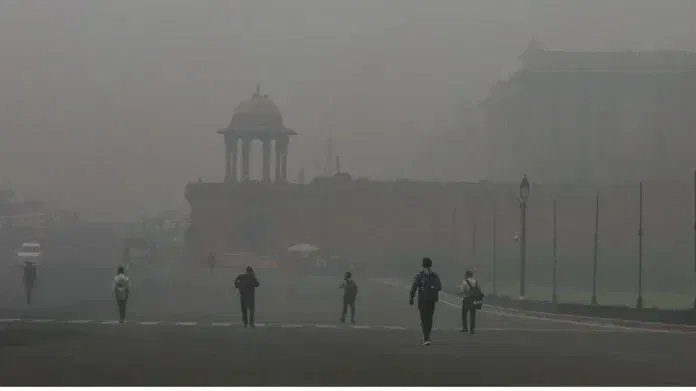
With the ongoing monsoon withdrawal, Delhi-NCR is entering the season where pollution from the neighbouring agrarian states of Punjab and Haryana, coupled with its own sources, push the capital city’s air quality to hazardous levels. Last year, between October 1 and January 31, Delhi recorded 11 severely polluted days, when the air quality index (AQI) went beyond the 400 mark, and 68 ‘very poor’ days.
Planned construction bans and other measures
To ensure that Delhi’s internal sources do not act up during the season, the government this year will impose planned construction bans during peak pollution periods.
From November 1 to January 31, there will be a ban on dust generating demolition activities, including outdoor civil construction work. There will be a complete ban between December 10 and January 20, when the temperatures fall and the winds are unfavourable for pollution dispersal.
The agencies will also be strictly implementing restrictions on vehicles registered outside of Delhi, and will also be increasing parking charges to discourage the use of private vehicles during peak pollution days.
Government and private offices will also be encouraged to reduce work strength by up to 50 per cent by allowing work from home during these months.
Delhi prepares for ‘pollution season’
Officials from the environment ministry said that pollution implementation this season has been divided into two parts – long term measures, including increased plantation and road laying to curb dust that will continue through the year, and immediate measures, such as construction bans and increased action against open burning.
Delhi government officials, who were part of Monday’s meeting, said that the agencies will be focusing on active ‘Jan Bhagidari (public participation).’
“The strategy will intensify action on vehicular emissions, road and construction dust, waste and biomass burning, industrial emissions, public transport, greening, and pollution and traffic hotspots. Citizens, RWAs, market associations, industries and public representatives will be brought into the campaign as active partners,” a senior official said.
(Edited by Aakriti Handa)