





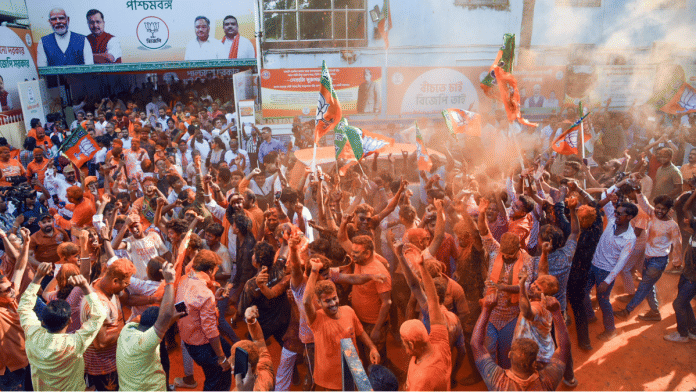


New Delhi: It is not an overnight victory for the BJP in West Bengal, the seeds for this turnaround were sown in August 2022 when the party assigned general secretary Sunil Bansal as the state in-charge for Bengal, Odisha and Telangana.
Bansal, who was BJP’s UP organisational general secretary when Union Home Minister Amit Shah was party president from 2014 to 2020, was credited with the BJP’s turnaround in Uttar Pradesh, leading to the party’s return to power there in 2017 after 15 years.
Roped in to take on the party’s toughest challenger—Mamata Banerjee—Amit Shah’s trusted aide, along with West Bengal election in-charge Bhupender Yadav, executed the party’s “winning strategy” under Shah’s leadership.
“He was also one of the senior leaders who micromanaged Prime Minister Narendra Modi’s Varanasi Lok Sabha elections. Playing the role of a silent game changer, he meticulously executed the party’s strategy on the ground. Whether it was conducting small corner meetings, street interactions, or booth-level management, he took the campaign down to the micro level,” said a senior BJP leader.
Another senior party leader explains that Union Minister Bhupender Yadav was at the core of the party’s entire election strategy. Last year in September, Yadav was given charge of West Bengal along with former Tripura Chief Minister Biplab Deb, who was made co-in-charge.
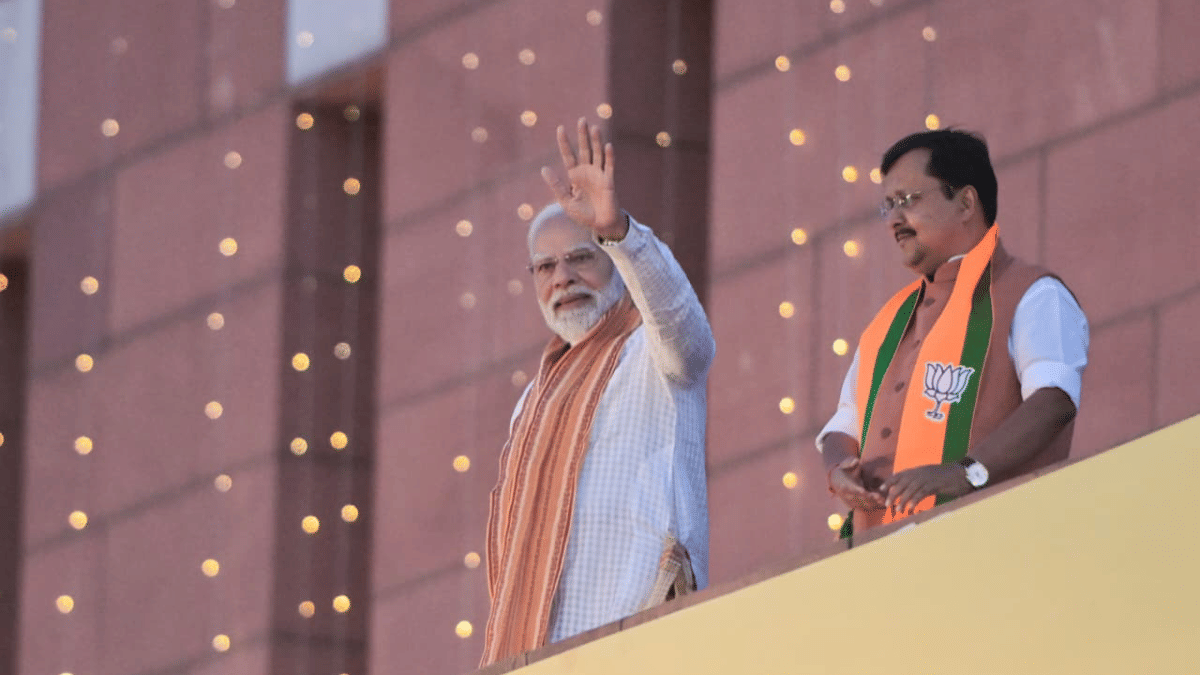
The Yadav-Bansal team handled campaign design, narrative building, strategy, and micro-management, which worked well for the BJP.
While Yadav revamped booth management by adapting the panna pramukh model to Bengal’s conditions and worked “tirelessly” to resolve internal dissent, Bansal focused on over 140 seats where TMC was considered strong as per a survey conducted by the party and made it a point to reach out to voters there, highlighting central schemes.
“His mandate was clear—to intervene at every level—from booth management to candidate selection. The victory that the BJP is witnessing today is not being viewed as a result of a single face, but of Yadav’s systematic strategy. He made it a point to implement the panna pramukh model across close to 30,000–40,000 booths in Bengal, which helped the party improve its overall vote share. This, in fact, proved crucial in BJP gaining ground in several constituencies,” said a senior party functionary.
Also read: Why Bangladesh played a big role in BJP’s West Bengal win
An active network & continuous feedback
“Both Yadav and Bansal worked in tandem. At the same time, there was much better coordination with the RSS and its affiliated organisations this time round. Rather than restricting the elections to rallies and slogans, the party under their leadership focused on a combination of data, ground connect, and organisational strength. An active network at every booth targeted campaigns on local issues, received continuous feedback from party workers, and ensured accountability among workers—all of this was taken care of by Yadav and Bansal,” he added.
Union Home Minister Amit Shah worked as the “master election strategist”, keeping an eye on all election-related work. While both Shah and Prime Minister Narendra Modi have made frequent visits to Bengal in recent months, Shah’s decision to spend about two weeks in West Bengal showed the seriousness with which the party was taking these elections, explained another leader.
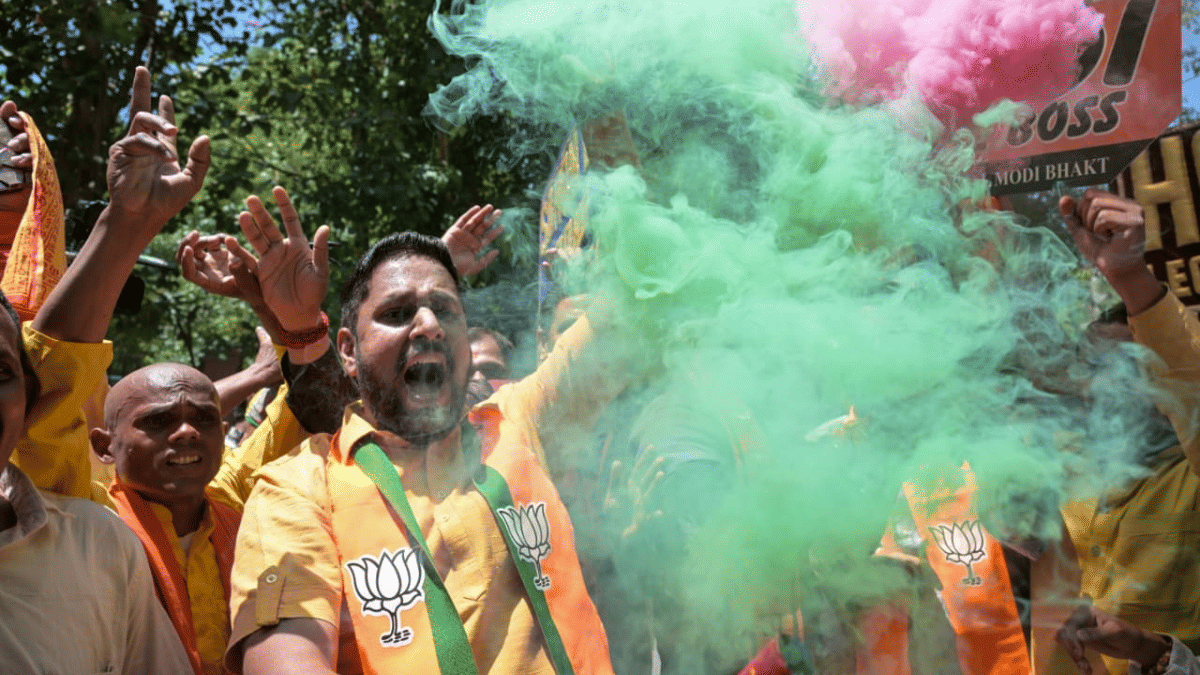
Throughout the election, unlike the 2021 polls, the BJP refrained from making personal attacks on Mamata Banerjee, and instead criticised her party’s failure in governance as well as levelled allegations of corruption. The party also highlighted its own vision—focusing on ‘Sonar Bangla’ (a prosperous Bengal) which included a number of welfare promises for women, youth and the unemployed, apart from focusing on reviving industry.
The BJP’s victory is also being largely attributed to its organisational strategy and strong election management. “The prolonged presence of organisational general secretary Bansal in Bengal was also seen as central to the strategy, as he energised the party structure at the grassroots. Unlike the last time when the party was marred by infighting, this time round the party’s top leadership had been consistently active in the state for months, with a clear focus on strengthening the organisation down to the booth level,” said another leader.
Speaking to ThePrint, Devesh Kumar, MLC from Bihar who was part of the West Bengal team, said the groundwork started in 2021. “The mistakes that were made were identified and rectified. Both honorable PM Modi, Nitin Nabin-ji and Amit Shah-ji made it a point to deploy the best brains which could execute their strategy on the ground. Whether it was Sunil-ji, Bhupender Yadav-ji, Mangal Pandey, Biplab Deb or Amit Malviya, they worked tirelessly and in tandem to execute the policies on the ground,” he said.
A source pointed out that a three-member committee was formed for better coordination across almost 52,000 booths across the state.
Yadav, many within the BJP point out, emerged as a key strategist, drawing on his prior success in managing elections across states.
“Apart from this, booths were divided into various categories such as A and B, wherein B meant those that required more work and special teams were deployed for it under the leadership of Yadav who is great at strategising and has a good grasp of history too. He made it a point to travel across each of the constituencies in Bengal to understand it. The team deployed by PM and HM worked on the micro-strategy and carried out micro-planning while keeping the big picture in mind. Needless to say, Amit Shah-ji who camped in the state for over two weeks made it a point to ensure free and fair elections in a state marred by violence last time round,” said another leader.
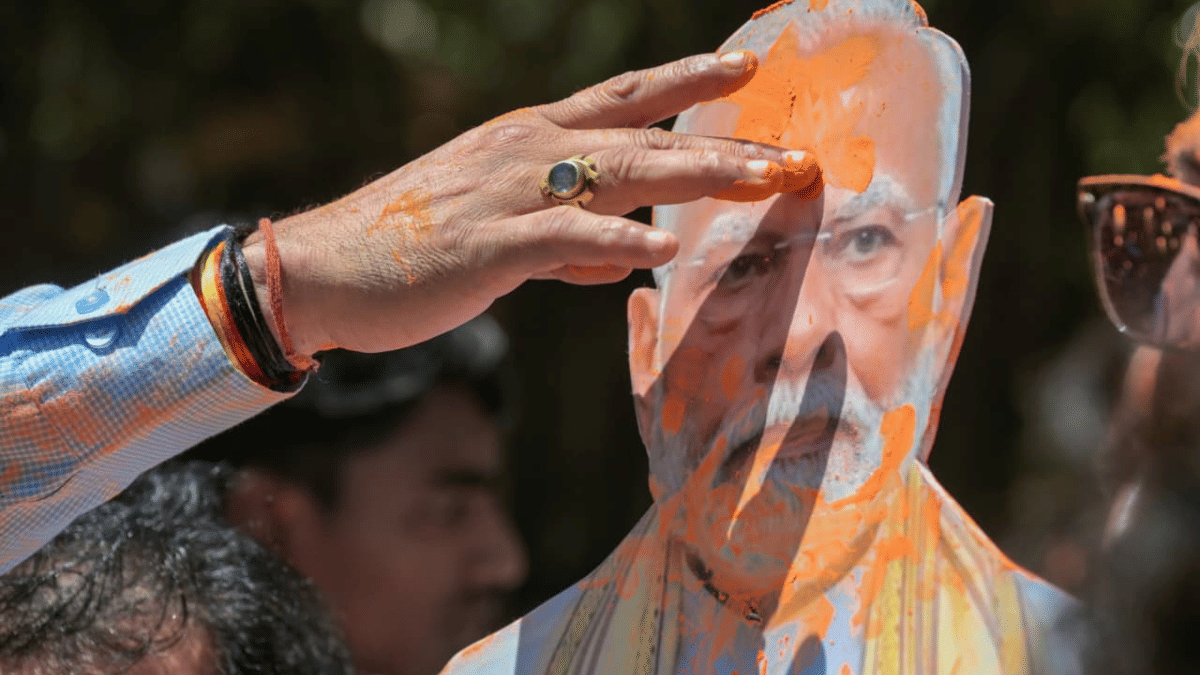
How Shah motivated workers
Shah’s call of “action after May 4”, a party leader said, had energised and motivated BJP workers who had previously stayed inactive due to fear of violence.
Mangal Pandey who was also the state in-charge, was also instrumental in strengthening the organisation on the ground.
“Co-in-charges Biplab Deb and senior leader Dilip Ghosh were also part of managing the campaign coordination and outreach. In addition to this, at the local level, leaders like Suvendu Adhikari played a vital role in consolidating support, especially in areas where they wield strong influence,” said a party functionary.
Another BJP leader pointed out that Shah’s public announcement on 2 April of spending 15 days in West Bengal helped motivate workers on the ground. “He personally monitored the entire campaign strategy, held regular review meetings and ensured that the team remained united,” the party functionary added.
Apart from Shah, the BJP had pressed a battery of leaders into action in Bengal to unseat the Mamata Banerjee government.
“For coordination, the party had divided West Bengal into nine zones and each zone was handled by senior leaders including ministers such as Dharmendra Pradhan, Nityanand Rai, Gajendra Singh Shekhawat, Sanjay Jaiswal, Nishikant Dubey, among others,” he said.
The BJP, which had been making steady inroads in West Bengal over a period of time, had faced a setback in the 2024 Lok Sabha elections as its tally came down to 12 seats from 18 in 2019. In 2021, the ruling Trinamool Congress (TMC) secured 215 seats, while the BJP finished a distant second with 77 seats to become the official Opposition.
The BJP which seemed more aggressive in its campaigning this time, also banked heavily on “high anti-incumbency” to unseat the TMC, which had been in power since 2011 after ending the Left Front’s 34-year rule in the state.
Union Minister Dharmendra Pradhan also made frequent visits to the state, including accompanying Suvendu Adhikari when he filed his nomination from Nandigram. Pradhan, sources said, also handled industrial regions and areas bordering Odisha, leveraging internal rifts within TMC.
Adhikari was also given the task of implementing central strategies for ground execution, especially in rural areas.
Another party leader said a united BJP meant they were able to conduct over one lakh corner meetings and over 9,000 party workers from across the country travelled to the state during this period.
The party also focused on releasing a charge sheet-based awareness campaign covering 220 assembly constituencies, with one such being released by Shah himself. “More than 150 leaders participated actively, and over 80 press conferences were held to highlight alleged failures and corruption of the state government,” explained another leader.
“For coordination, we have divided West Bengal into nine zones and each zone/cluster was handled by senior leaders including ministers such as Dharmendra Pradhan, Nityanand Rai, Gajendra Singh Shekhawat, Sanjay Jaiswal, Nishikant Dubey, Himanta Biswa Sarma among others. Their focus was especially on outreach and aggressive campaigning on issues such as infiltration and citizenship,” he said.
(Edited by Viny Mishra)
Also read: BJYM ecstatic over Bengal Gen Z’s ‘inner conscience’. TMC youth wing ‘still can’t believe’