



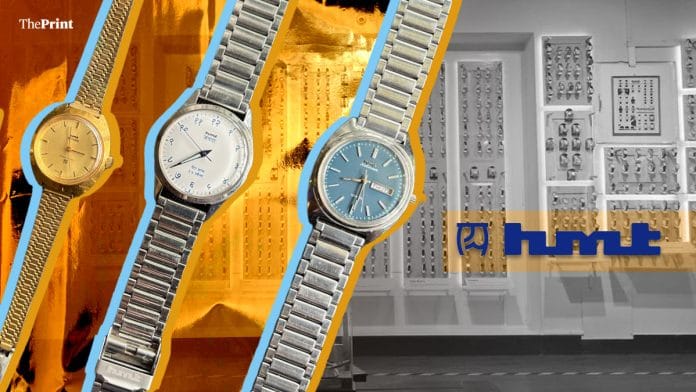
At a return banquet in the Kremlin in 1976, Soviet leader Leonid Brezhnev seemed rather distracted by the watch on Indian ambassador IK Gujral’s wrist. It was Japanese. Brezhnev’s fascination with timepieces and cars was no secret, and Gujral offered it to him on the spot, as an amused Indira Gandhi observed them from across the table. Brezhnev politely declined, but accepted Gujral’s second offer — a custom Indian HMT.
Gujral did not forget his promise. A month after returning from Moscow, he sent Gandhi a reminder about the watch. In a letter dated 9 July 1976, reproduced in his memoir Matters of Discretion, he wrote: “I am sad to see that final decision has not been taken as yet. An expense of about [Rs] 15,000 will be amply compensated by his using the watch…”
On 30 August, a custom gold HMT watch, accompanied by a personal letter from Indira Gandhi, reached Moscow.
It was quite a moment for a watch that had begun its journey only a decade and a half earlier. By then, HMT had become the home-grown pride of the Indian wrist. Started in 1961, the brand carried the unmistakable whiff of Made in India and, with it, a certain patriotic pride. It was inexpensive, reliable and everywhere — a choice of the masses, a favourite among politicians, and quite literally “the nation’s timekeeper”.
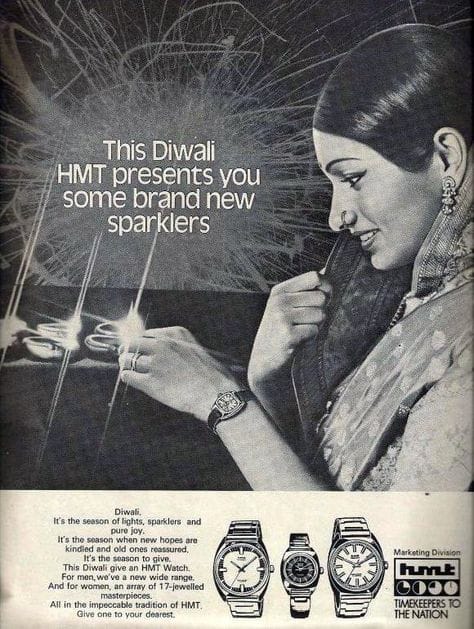
The HMT Janata, released by Jawaharlal Nehru, became part of Indira Gandhi’s signature look. The name Janata — the people — was right on brand for the socialist India she represented.
But then, as India changed, HMT struggled to change with it. As it went from glory into decline, the quintessential state enterprise became a cautionary tale of what happens when an institution fails to keep time with the world around it. In 2016, the government approved the closure of HMT Watches Limited.
It raises an unavoidable question: was HMT truly the “Timekeeper to the Nation” because of genuine fascination and pride, or simply because the Licence-Quota Raj ensured Indians had no other choice?
Yet, the nostalgia never really stopped ticking. If anything, absence made the watches more appealing.
On India’s 80th Independence Day in 2026, a 2.5-kilometre queue snaked around HMT’s quiet showroom in Jalahalli, Bengaluru, as thousands of young watch enthusiasts waited for hours to buy newly released special-edition watches.
So, what exactly survives in HMT? The watch, the engineering, or the India that once wore it?
The answer falls somewhere in between. Its charm may lie partly in its mechanical movement, partly in its vintage appeal, and partly in how it became woven into the fabric of shared national memory. HMT carried with it the memory of firsts. There was a Janata, Pilot or Kohinoor for a graduation, a first job, a wedding or a retirement.
But before it became an heirloom or “Desh ki Dhadkan”, it was a bold dream. A dream to build a nation. And its story began in Nehru’s India – a tale of self-reliance, post-Independence patriotism and a fateful partnership across the Pacific.
Also Read: The Air India story: From JRD’s first flight to Tata’s latest challenge
A quest for Atmanirbharta
With the stroke of midnight on 15 August 1947, a young, uncertain nation stepped into its tryst with destiny. Resources were scarce, needs were plenty and every choice was a trade-off. The dream was of a modern, prosperous and self-reliant India.
For the first decade and a half after Independence, this was Nehru’s India.
In 1954, while inaugurating the Bhakra Nangal Dam, Nehru famously called such industrial projects the “temples of modern India”. He declared, “Here we worship something: we build up India; we build up the millions of India.”
Another such “temple” had already begun to rise in the suburbs of Bangalore. On 7 February 1953, the foundations of Hindustan Machine Tools (HMT) were laid. Nehru understood the core paradox of India’s ambitions — a country could hardly become self-reliant if the machines needed to build its industry continued to arrive from abroad. Two years later, he put it plainly: “[T]here can be no real progress or real industrialisation in this country until the machine itself is made in this country.”
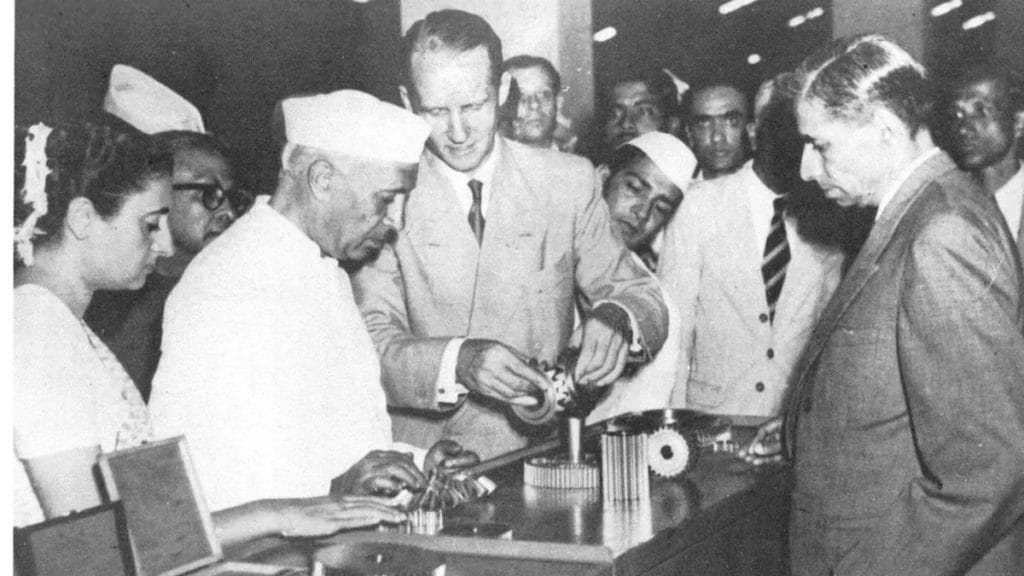
Soon, HMT expanded far beyond standard tools, producing everything from tractors to printing presses and, eventually, something far smaller — the wristwatch.
But why a watch? Why would a newly independent, cash-strapped nation invest in something seemingly non-essential?
It’s because at barely 30-40 mm across, a watch was a tiny engineering marvel, packed with a hundred-odd parts – springs, gears, pallets, ratchets – all working in perfect harmony. Making watches meant mastering precision at scale.
This was precisely the defence Industry Minister Manubhai Shah offered when the project came under scrutiny in Parliament on 30 March 1960. He reminded the House that a watch, though small, was “one of the most complicated and most precise machines… produced through an industrial base”. The idea was not simply to produce watches, he explained, but to train “young men” who could eventually start industries of their own across the country.
“Even we were shaking as to whether we in the public sector should undertake it,” Shah admitted, even as he argued that a watch factory was essentially “a conglomeration of different types of machine tools”.
With that, the machine-maker was now preparing to become a watchmaker.
Tech transfers & ‘great employment potential’
In October 1959, Nehru wrote to Manubhai Shah that he had received a “rather curious report” that a European company had reached an agreement with the government to manufacture watches in India. The man pursuing the deal was a Swiss called Gilbert Etienne who, Nehru wrote, was sponsored by the French Embassy and “is not supposed to have a very good reputation”.
Nehru wanted to know how matters stood.
As it turned out, there was quite a lot going on, but elsewhere. Behind the scenes, India had begun talks with Japan. The choice was obvious. Japan’s post-war industrial miracle had positioned its watchmakers on par with Switzerland’s finest. And the whispers soon reached Parliament.
On 9 February 1960, Shah informed the Lower House of the official partnership with Japan’s Citizen Watch Company. When MP Sandhan Gupta asked “what kind of watches are contemplated to be manufactured”, Shah replied, “full lever watches, both for ladies and gents”.
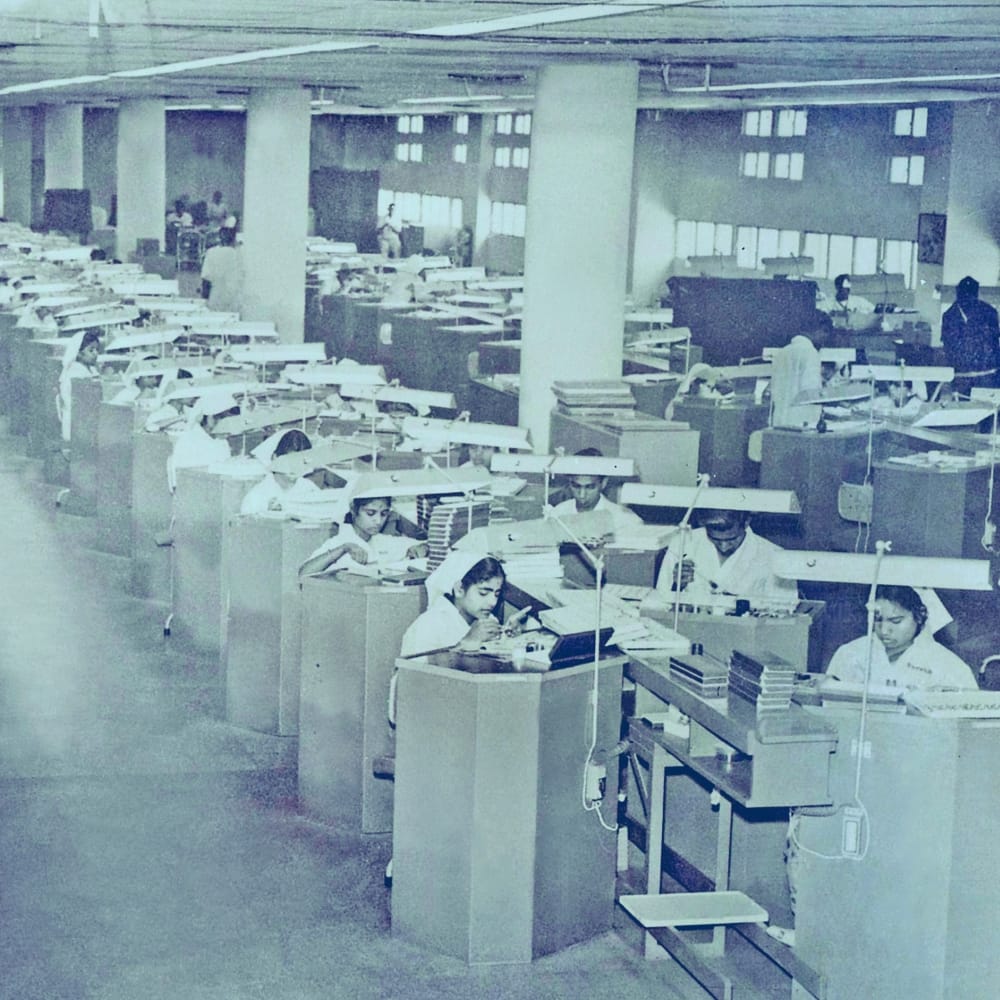
For now, self-sufficiency was not the immediate objective. What mattered was building technological capability — and tapping into what Shah called the “great employment potential of this industry.”
On 25 March 1960, the deal was sealed. Citizen agreed to transfer technical know-how for £106,330 plus a 2 per cent royalty. Five days later, Shah defended the choice in Parliament, describing Citizen as “one of the very highly qualified companies with a high international reputation”, adding that the government was “glad that an agreement has been finalised”.
India was ripe for this revolution. The country was already hooked on wristwatches — so much so that a rampant black market made India one of the largest destinations for smuggled foreign timepieces. It was now time for a home-grown alternative.
On 28 January 1961, The Indian Express ran an unassuming advertisement announcing the laying of the foundation stone for “India’s First Watch Factory under the aegis of HMT.” Six months later, on 28 July, during the inauguration of a new HMT unit in Bangalore, Nehru unveiled the first batch of 800 watches, assembled with imported components.
When a worker presented Nehru with the first two watches, he joked, “I do not know quite what I shall do with them, because one has lasted me for such a long time.” He then called the milestone “a good thing for the nation”, made possible “with the co-operation of our friends in Japan.”
Yet, the factory was still not truly Indianised. Dependent on imported movements, these early HMTs were a rehearsal for true Atmanirbharta — essentially a training exercise in skill-building under Japanese supervision.
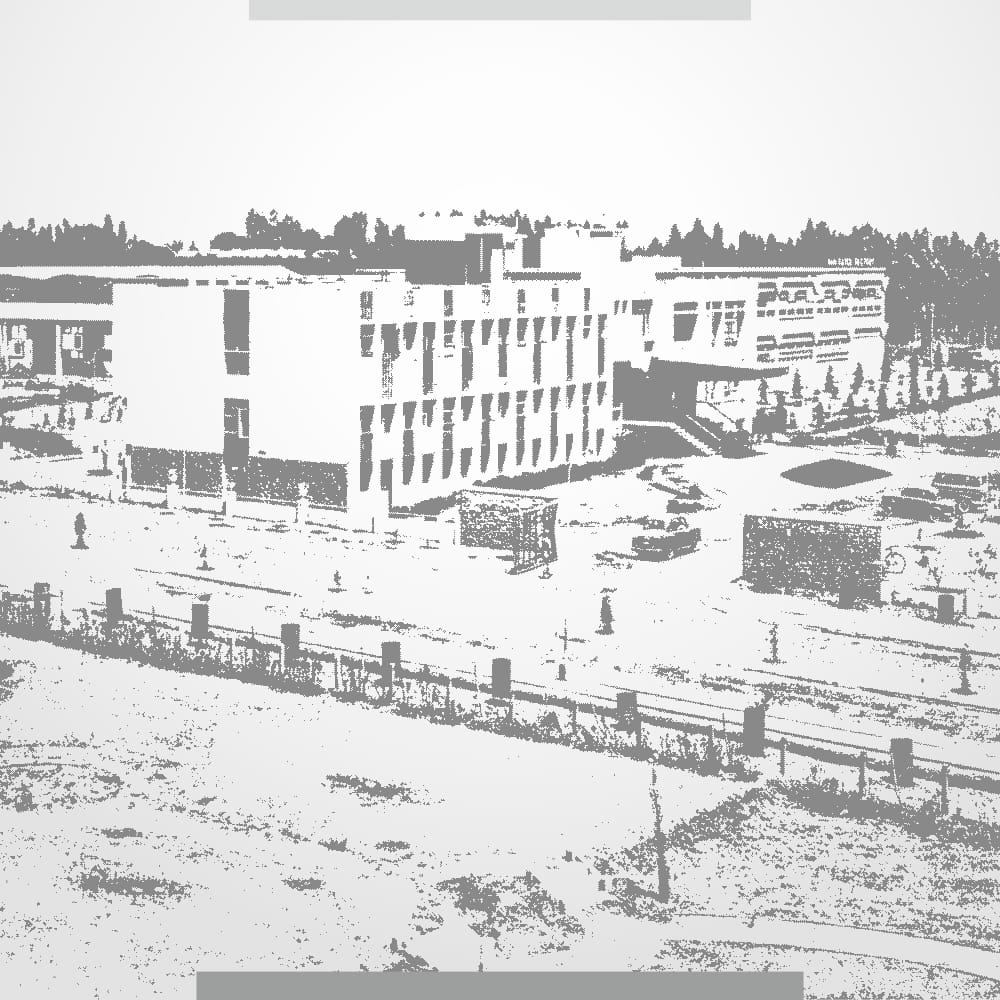
In March 1962, Shah laid out the master blueprint in Parliament. Construction of the Bangalore site had begun in August 1961, while HMT was training its future watchmakers in Japan; 52 trainees had left in July 1961, with another 50 to follow.
The numbers, too, were beginning to tick upward. By mid-February, 11,465 watches had already been assembled, Shah informed the House. Among them were the ladies’ gold-plated Sujata and the gents’ stainless-steel Janata and Citizen.
Actual component manufacture was scheduled to begin in January 1963, with 54 per cent indigenous content. By the fourth stage, the target was 85-90 per cent by 1966.
And apparently, the watches didn’t disappoint. When MP Thirumala Rao asked about their efficiency, Shah’s answer carried more than a hint of pride: “So far the reports have been excellent and I have been flooded with demands from every quarter.”
There was just one obvious problem. Scale.
The new Industry Minister Nityanand Kanungo told the Lower House in 1963 that India was consuming nearly 1.5 million watches a year. HMT’s modest initial production of around 15,000 watches could hardly displace the flood of imports.
But perhaps that was never the point. India had stepped into waters where few nations dared to tread. It was, in itself, a moment of pride.
When HMT became a household name
Soon, dedicated HMT showrooms sprouted across major urban hubs — from Mount Road in Chennai and the Nizam Sugar Factory Building in Hyderabad to MG Road in Ernakulam and Avinashi Road in Coimbatore. Advertisements started populating the corners of newspapers, promising high quality at socialist prices — the gold-plated Sujata was priced at Rs 99, just Rs 10 more than the Janata.
As demand grew, so did HMT. New factories followed, including one in Kashmir in 1972. A commemorative HMT Chinar, its dial featuring the Valley’s iconic chinar leaf motif, was released.
HMT was still struggling to meet the country’s appetite for watches, but the numbers were moving in the right direction. Production rose to around 2.4 lakh watches by 1967, Industry Minister Fakhruddin Ali Ahmed informed the Rajya Sabha. Exports, too, had begun to pick up — 1,680 watches went to the US, UK and Canada in 1965, rising to 10,256 in 1975.
Naturally, India’s fledgling wrist revolution had its share of parliamentary drama. Debates erupted over everything from prices and the use of calf-leather straps to whether Indian watches could be exported. In 1963, MP Kapur Singh complained on the floor of the House that a watch with Japanese components “being sold at Rs 15 there is being sold here for Rs 100”.
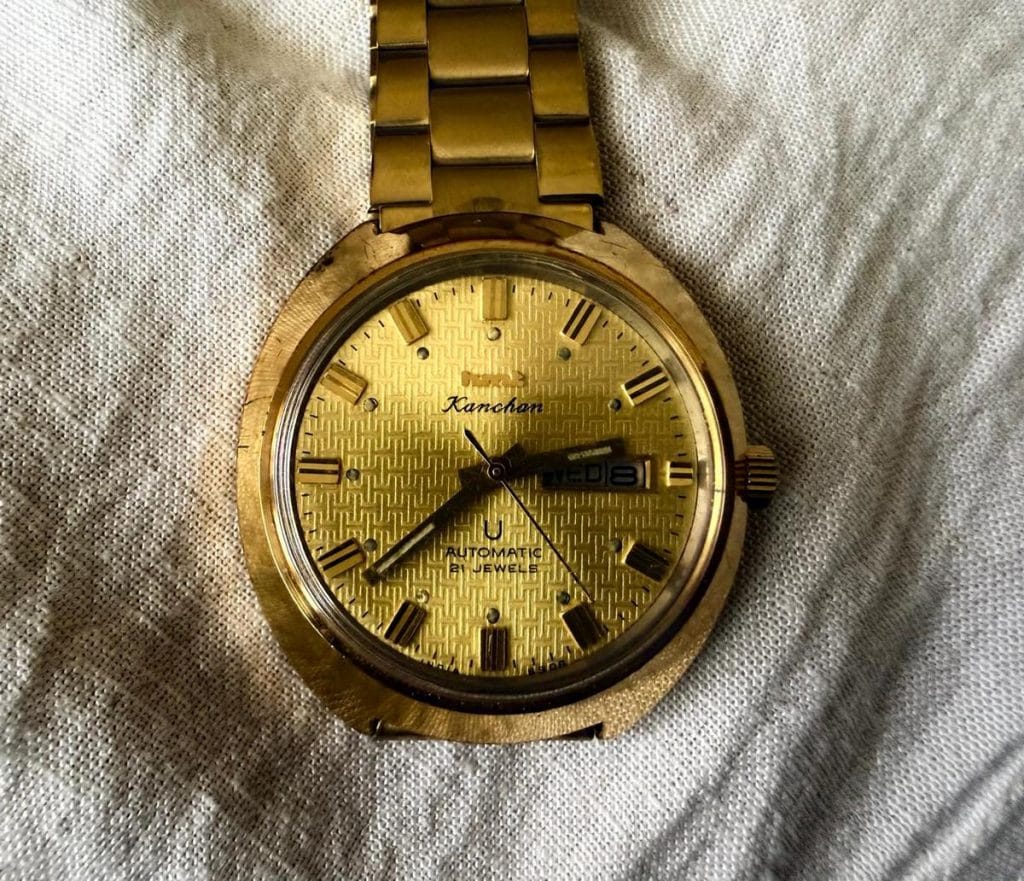
But perhaps the clearest sign of HMT’s connect with buyers was the earthy, everyday Indian names of its watches: Vijay, Kedar, Rajat, Sona, Kanchan. They sounded less like product codes and more like people you might know. They made the watches personal, a celebration of ordinary lives. Then there were special editions marking national jubilees and cultural milestones.
It was deliberate – and it was fun.
“Everyone used to contribute and would come out with a bunch of names. We would then pull out from the pool of names. It was good fun,” said Malavika Harita, former CEO of Saatchi & Saatchi Focus, who worked at HMT Watches in the 1980s. There was some consumer research, but much of it happened internally. “The names, in a way, it was personalising the watches.”
Then came quartz watches and a new naming convention.
“The quartz watches weren’t named. They just had that HQ logo – HMT Quartz. They were only numbered, which was the international practice,” Harita told ThePrint.
The second life of Kanchan, Rohit, Tareeq
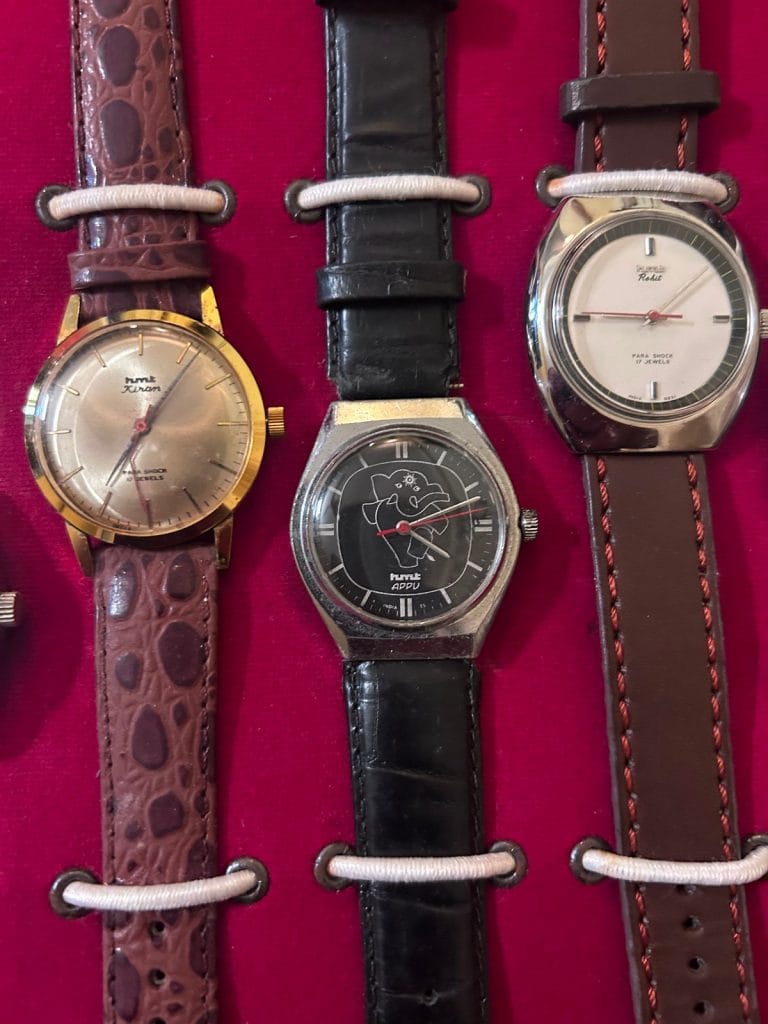
The likes of Kanchan and Kedar did not vanish into the sunset for good. Instead, they’ve found new life as collectors’ items.
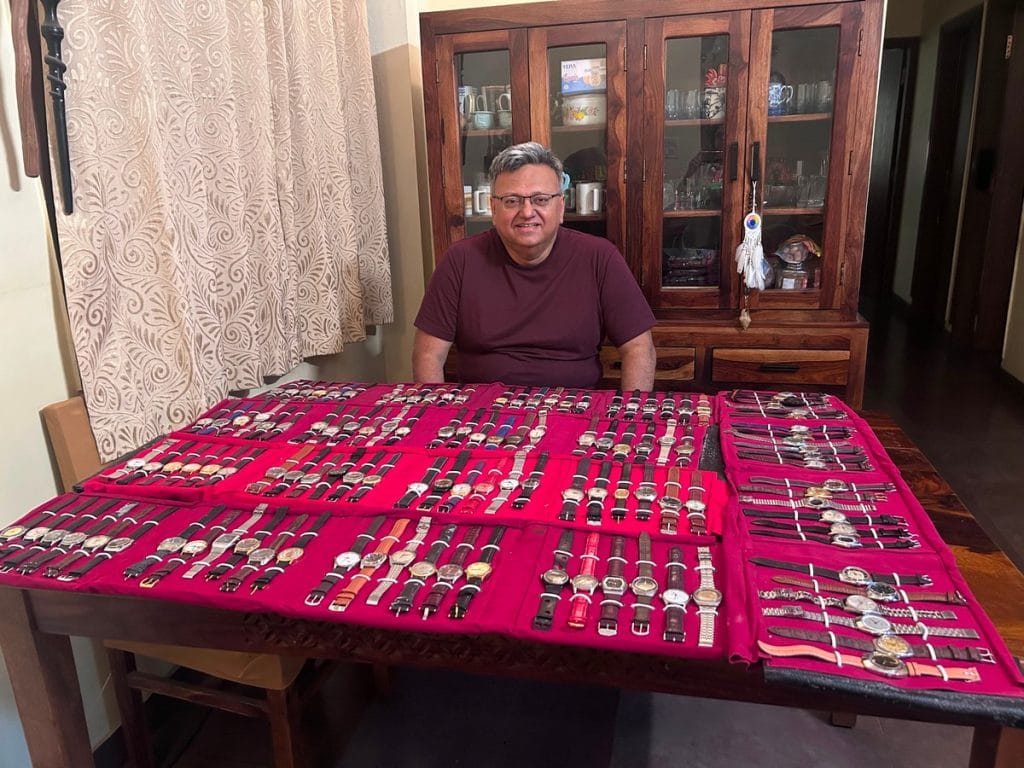
“I have one of my name — HMT Rohit. I keep gifting people HMTs with their names,” said Rohit Hangal, who is in his mid-50s and founder and director of Sphere Travelmedia.
His collection of 800 HMT watches is a small archive in itself: the Rohini and Kiran, an ISRO watch, one celebrating Vasudhaiva Kutumbakam, another marking the arrival of a new millennium and the Gandaberunda, bearing the emblem of the erstwhile Mysore kingdom and Kannada numerals on its dial.
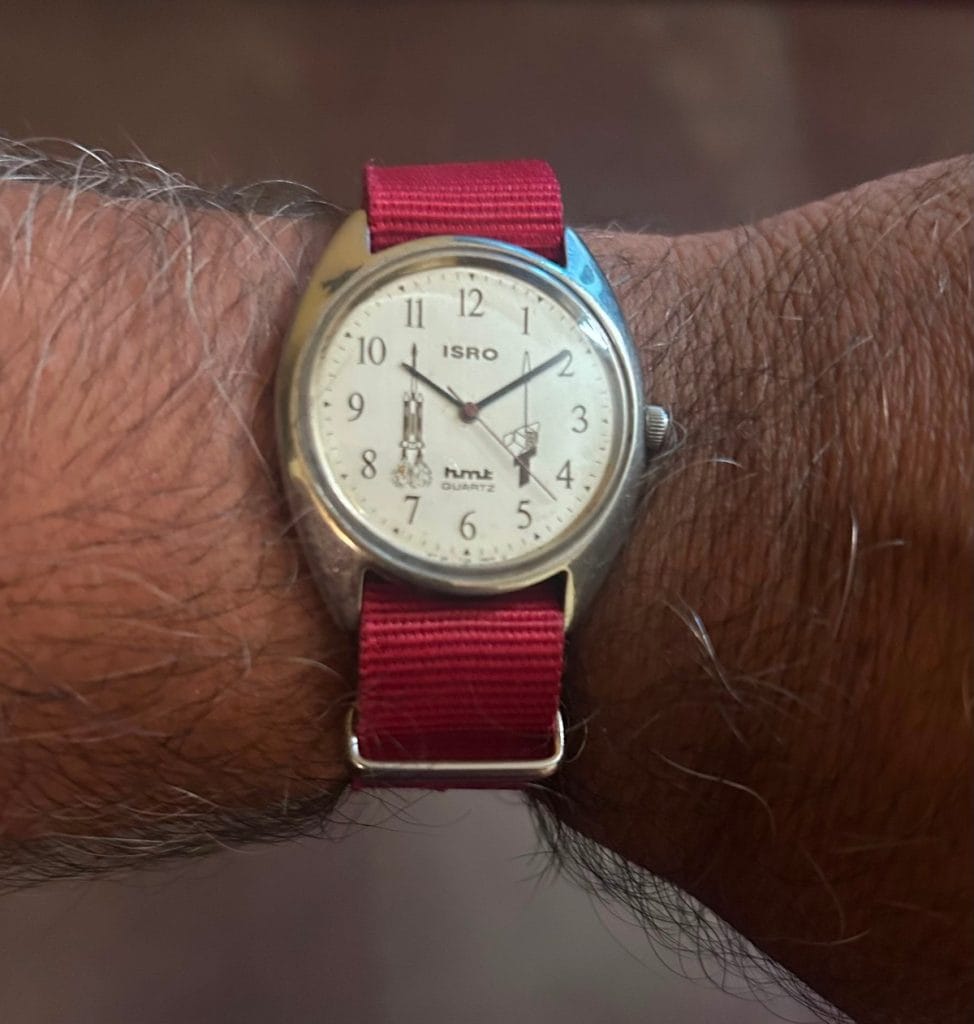
Some watches became storied for their practical features. The Pilot, with its large, legible numerals, became a national favourite. Tareeq, meaning date, was among HMT’s early mechanical watches to carry both day and date windows.
And sometimes, getting one was a story in itself.
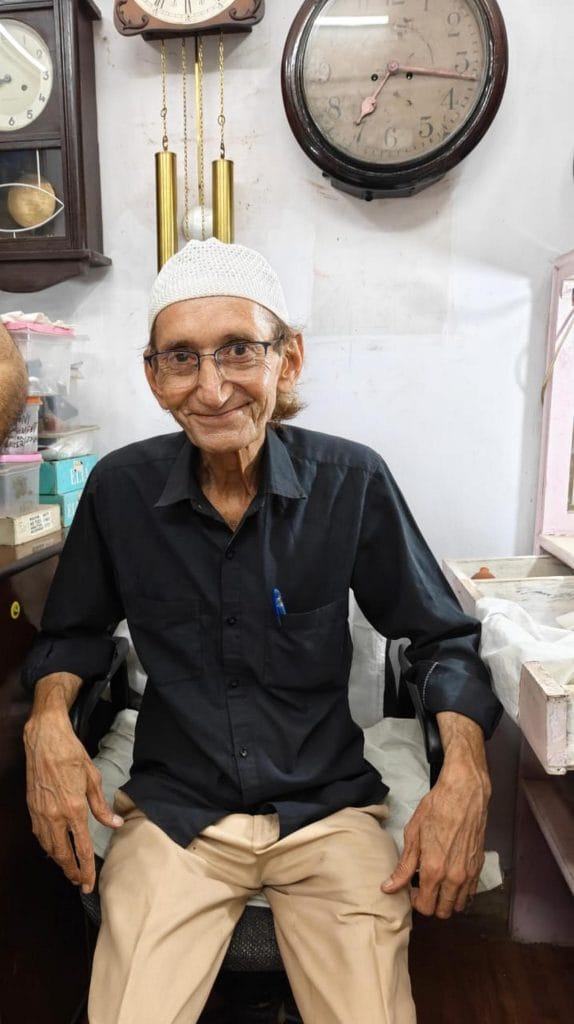
In a cramped basement shop in Delhi’s Nizamuddin, surrounded by the calls of the azan and the continuous clatter of sewing machines, Javed Khan has repaired watches for three decades. Quartz watches may have taken over, but mechanical HMTs still come to him.
He remembers the days when buying one was not always easy.
“You had to get a ration card to get one watch. People had to make bookings in advance,” he said. Demand routinely outstripped supply. There were queues outside HMT showrooms, and some buyers even sought political recommendation letters to secure a watch. Lower-middle-class buyers went for the Sona, Khan recalled, while “the well to-do opted for the Kanchan”.
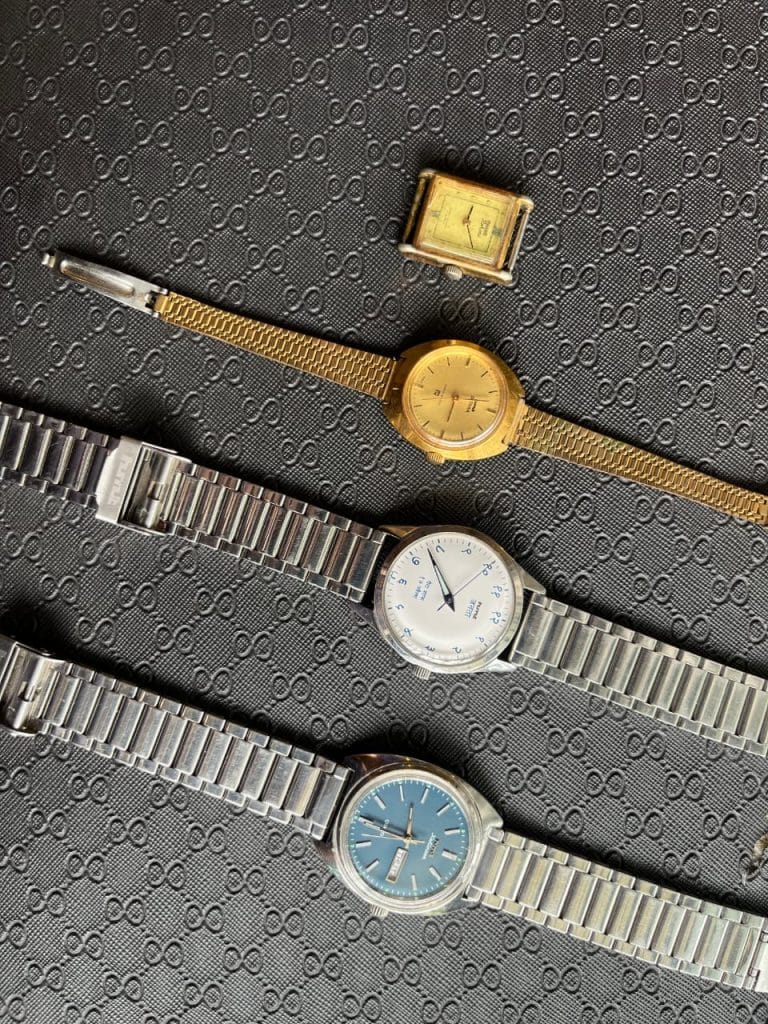
Different meanings became attached to different watches, from notoriety to national pride. The gold-plated Kanchan, for one, became known as the ‘dowry watch’.
Bengaluru-based HMT aficionado Gangadharan S recalls an era when a watch could become part of a marriage negotiation.
“In those days, the dowry condition used to be either a watch or a cycle,” said Gangadharan, who is in his 60s and works for a school book distribution company.
A cycle could be easily found. A Kanchan was another matter.
“Such was the demand for HMT Kanchan that marriages were postponed because it was out of stock.”
But perhaps no model carries quite the same emotional weight as the Janata. In the 1970s and 1980s, it became almost synonymous with passing an examination.
“If you saw a boy wearing an HMT Janata, that meant he’d passed the SSC exam,” Gangadharan said.
For Rohit Hangal, the Janata was his first HMT too.
“We had grown up around it, the ‘Desh ki Dhadkan’ campaign,” he said.
A keeper of memories
Between its rise and fall, HMT became part of countless personal histories of ‘firsts’. Anyone who has owned one values it less for its technical specifications and features than for the moment it came into their life.
An HMT often marked a rite of passage – something to be earned, commemorated, or passed down.
For 55-year-old Ratna Sherry, a professor of chemistry, her first HMT was a Rohini gifted by her parents and worn through college. Later came a Sitara, a mechanical watch presented by her family’s long-serving cook for her wedding.
Ittichanda Ponnappa got his first HMT, a Roman, when he cleared Class 10. A watch was still a luxury in his family of five, so it was a special moment when his father, who worked at HMT’s machine-tools division, took him to a showroom.
“It was around 1992, and Titan had just come out with Quartz,” recalled 49-year-old Ponappa, who works for an IT company. “As a kid, I found winding watches old technology, less practical. So, I bought an HMT Roman.”
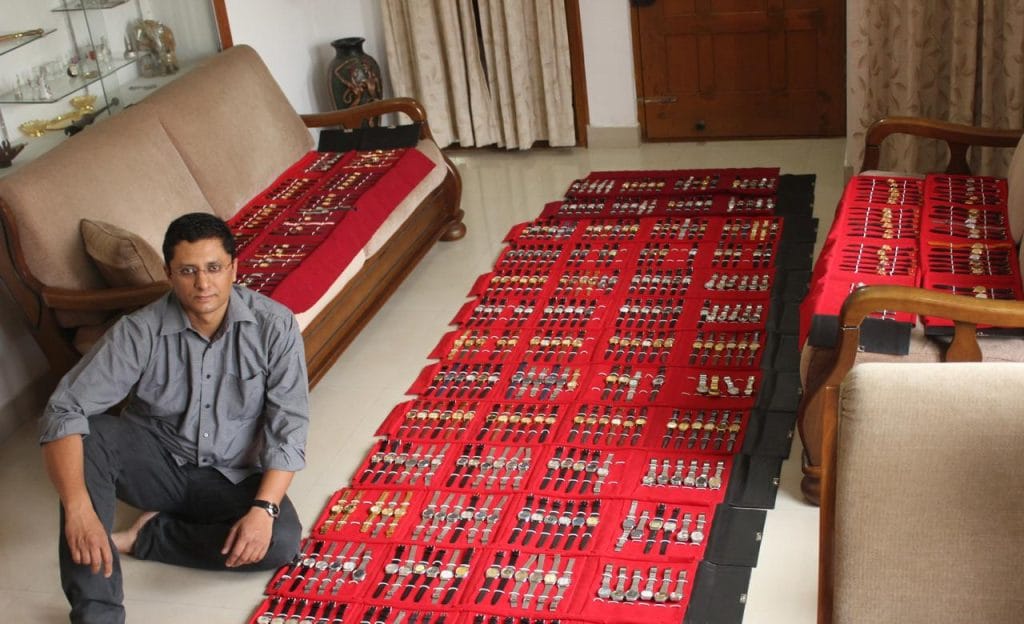
Ponnappa has since amassed over 4,000 unique HMT watches.
“I tried to go for the Guinness World Record, but they rejected it, stating they didn’t recognize it as an international brand,” he said. He has a soft spot for the Pilot: “There are so many variants, colours, options, and it sits well on the hand. Plus, some models used to have radium inside – that used to glow in the night.”
Not every first HMT, however, arrived wrapped as a gift.
For Gangadharan, it began in a dustbin. At a friend’s house, he spotted a strapless HMT Janata lying discarded. He rescued it and took it to a repair shop on Bellary Road in Bengaluru, where it was brought back to life. That rescued Janata started his collection of over 200 HMT watches.
Every annual bonus became a pilgrimage to the HMT showroom. A Sona here. A pocket watch there. Gradually, buying watches became a family tree of sorts.
“I started buying the namesake watches,” he said. There’s a Kirti for his niece and a Vivek for his cousin’s son-in-law. There’s no HMT Kirtana for his daughter, but his absolute favourite is the Usha—his wife’s name.
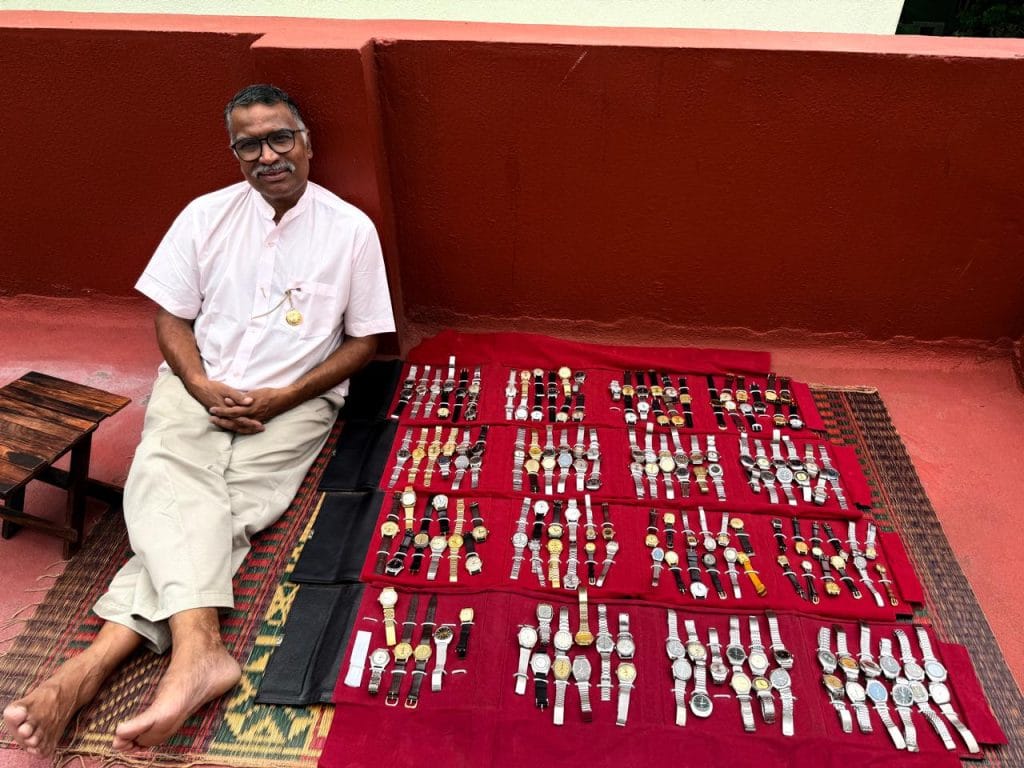
But HMT’s afterlife is not being sustained by old-timers alone. New collectors are discovering it long after its heyday.
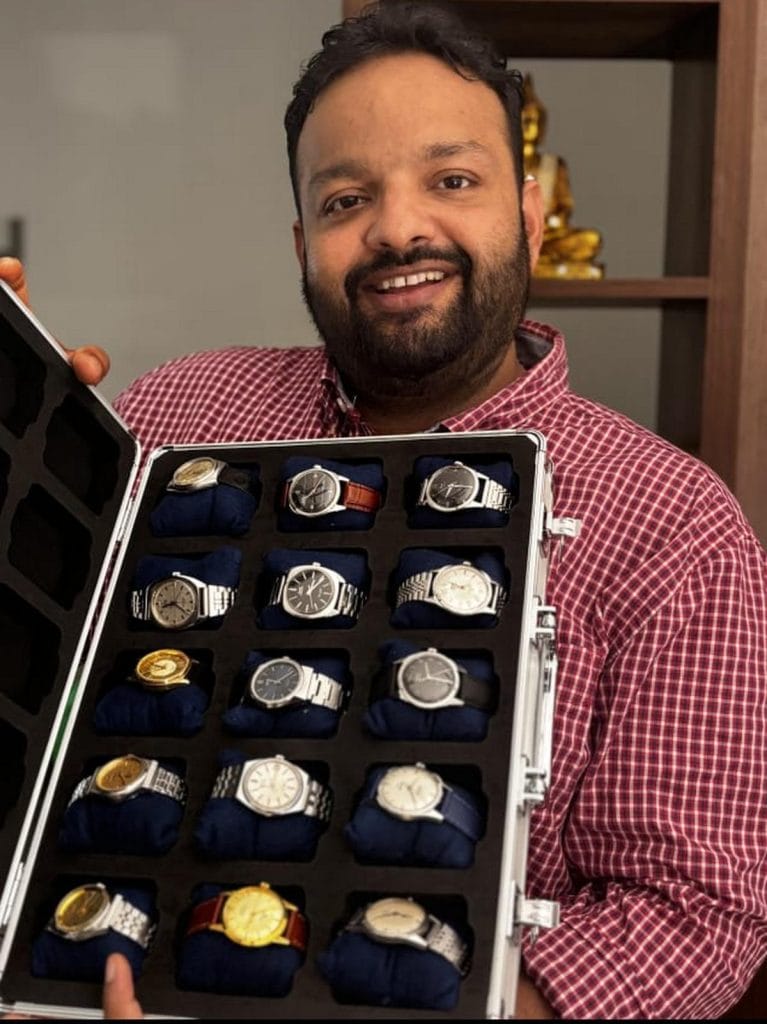
Watch content creator Manu Srikumar is a relatively new convert. The 42-year-old had worn digital Casios for most of his life until a friend posted a WhatsApp status with two vintage HMTs bought for Rs 1,000. Curious, Srikumar found online collector groups and bought a Pilot. Then came a Janata, a Jubilee and a Sona.
“Now I have a whole truckload of HMT,” he laughed. “Maybe about a hundred-plus right now.”
When the timekeeper lost time
HMT had built an empire as the undisputed “Timekeeper to the Nation”. But behind the facade, red tape strangled innovation. Boardrooms moved at a glacial pace and production lines struggled to keep up.
And yet, HMT did not collapse overnight. Quite the opposite. In 1991-92, just as India began dismantling its protected economy, HMT was at its zenith, with more than 8,000 employees and sales of about Rs 300 crore, its highest ever.
From the outset, the company never operated in a vacuum. For decades, its rivals were the foreign watches that slipped into India through the “donkey routes.”
“It was HMT versus all these foreign brands,” said Pavan Padaki, who worked on the HMT account at Mudra Communications. And to counter them, the watchmaker leaned into its nationalistic positioning: “Helping the nation keep time.”
Then Titan entered the game in the 1980s — homegrown, stylish, modern, backed by the financial muscle of the Tatas, and armed with quartz technology.
“We didn’t go into quartz watches early enough, though we launched a quartz watch before Titan,” said Malavika Harita. “We simply had missed the bus.”
Titan, she said, had an important advantage: it initially assembled rather than manufactured, giving it greater flexibility in design. And then members of HMT’s top management jumped ship, taking knowledge and experience with them. More importantly, HMT did not keep up with changing consumer preferences.
“We didn’t read the consumer well enough. The consumer taste was shifting from a watch being a timekeeper to a watch being a fashion accessory,” Harita said.
By 1987, Titan was offering an astonishing range of nearly 500 models, according to Sridhar Ramanujam, who worked on the HMT account at Mudra Communications in the late 1980s. It brought unfamiliar shapes and contemporary designs to a market that had largely grown up with mechanical watches.
It also spoke a fresh language of aspiration.
“This is a new India we are talking about… Titan sold that. Their full-page print ads, their television ads with Mozart tune, were more effective than what HMT did,” said Ramanujam.
By the mid-1990s, two very different HMTs had begun to emerge, according to Padaki.
There was HMT the watch – reliable, affordable, nationally meaningful and emotionally embedded. And there was HMT the corporation – protected, bureaucratic, manufacturing-oriented and a tortoise in adapting to changing consumer behaviour. The first had built enormous brand equity. The second failed to renew it.
“HMT did not necessarily lose because its watches became bad,” said Padaki. “It lost because the definition of a good watch changed.”
One possible escape could have been to create a completely new brand under the HMT umbrella, said Padaki— keeping the sales infrastructure but allowing a new identity to speak to a new consumer. But it was too late.
The balance sheets told a grim story. Following economic liberalisation and intensifying competition, HMT registered its first losses of Rs 90 crore in 1994. And it only grew worse. By 2013-14, its losses stood at Rs 233.08 crore.
Over the years, several resurrection attempts were made, including proposals for new models, fresh capital, retail tie-ups and joint ventures. In Uttarakhand, political leaders such as ND Tiwari, Harish Rawat and Ramesh Pokhriyal Nishank pushed at different points to save the Ranibagh unit. But none of these revival attempts took hold.
The legacy shield could only protect the company so far. In 2016, the government formally approved the closure of HMT Watches Limited. The nation’s timekeeper had run out of time.
Also Read: How India arrived at NEET as its ‘one nation, one exam’
New beginnings?
The loss of HMT cut deep for many. Gangadharan and fellow collectors even drafted a formal memorandum to the Union Minister of Heavy Industries pleading for its revival.
Now, that dream of a comeback is gathering momentum.
“The response from customers has strengthened our resolve to revive the company,” said Union Heavy Industries Minister H.D. Kumaraswamy after the overwhelming response to HMT’s Independence Day offerings in 2026. “There was a time when owning an HMT watch was a matter of pride and prestige. My aim is to bring back that glory.”
For nearly two years, the government has been laying the groundwork for a restart. A high-level technical committee, led by former NITI Aayog member VK Saraswat, was formed in November 2024 and submitted its findings to the ministry last year. This June, Kumaraswamy said that a detailed project report based on those recommendations was in its final stages, ahead of consultations with key ministries and stakeholders.
For now, the brand’s memory lives on in special edition watches and a museum in a Bengaluru suburb.
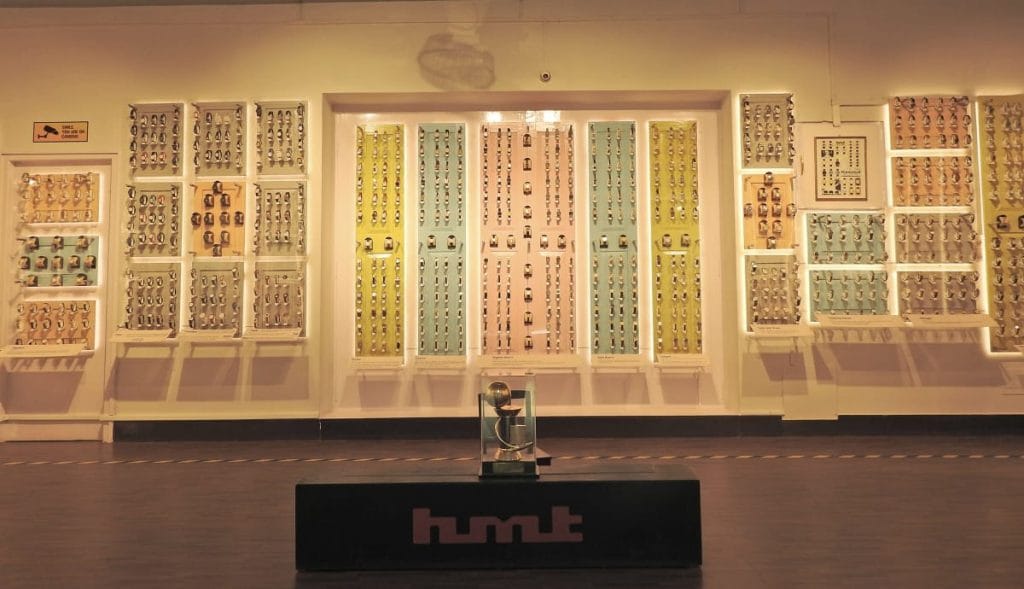
Opened in 2019, the HMT Heritage Centre and Museum feels like a time capsule of an India that once wore HMT with pride, when buying a single watch meant standing in endless lines or booking months in advance.
Inside, old photographs and classic print advertisements evoke the world in which these timepieces were first cherished. One vintage ad shows a child dropping an HMT automatic into water, promising: “Even a child can prove how good the HMT automatic is.” Another depicts a boy holding his father’s wrist, the copy reading: “An investment in time… Your son can wear it with pride, fifteen years from now.”
Opposite them stands the legendary “Wall of Watches”, a floor-to-ceiling vault showcasing virtually every model ever forged, from the humble mechanical Janata to solar, quartz, and Braille editions.
Upstairs rests a framed 1963 inauguration certificate for the Pinjore factory, signed by Jawaharlal Nehru himself, alongside maps detailing the brand’s manufacturing hubs across the country. Beyond are dedicated galleries displaying delicate balance wheels, micro-gears, and the precision machinery that once powered “Desh ki Dhadkan”.
(Edited by Asavari Singh)
If only their website actually had products to sell..