



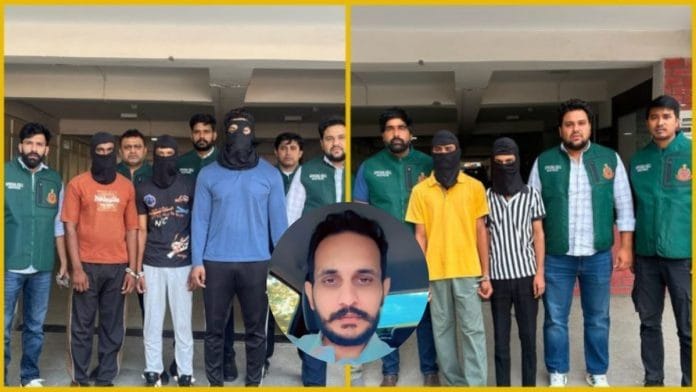
New Delhi: In the past six months, a terror-crime syndicate linked to Pakistan’s Inter-Services Intelligence (ISI) recruited a biryani seller, ginger vendor and money lender, among others, from west UP, Haryana and Rajasthan through social media, paying as little as Rs 5,000 to put up ‘Tehreek-e-Taliban Hindustan’ posters in Delhi and Faridabad, and up to Rs 3 lakh to target and kill police personnel, Delhi Police sources have told ThePrint.
The Special Cell, in two operations, has arrested 12 operatives alleged to be part of the module operated by Pakistan-based gangster-turned-terrorist Shahzad Bhatti and his aide Ajmal Gujjar, involved in smuggling and distribution of arms, ammunition and narcotic substances trafficked from Pakistan through Punjab and supplied in Delhi-NCR.
Tehreek-e-Taliban Hindustan is believed to be a “pseudo identity” for a little-known group with no clear independent existence and members allegedly linked to Pakistan-based handlers. The purported outfit was in the news this February when it claimed responsibility for a fatal attack on two officers at a police post in Gurdaspur.
“From the mobile phones of the arrested, we recovered incriminating chats and voice notes linked to Shahzad Bhatti and Ajmal Gujjar, establishing direct contact,” an officer probing the case told ThePrint.
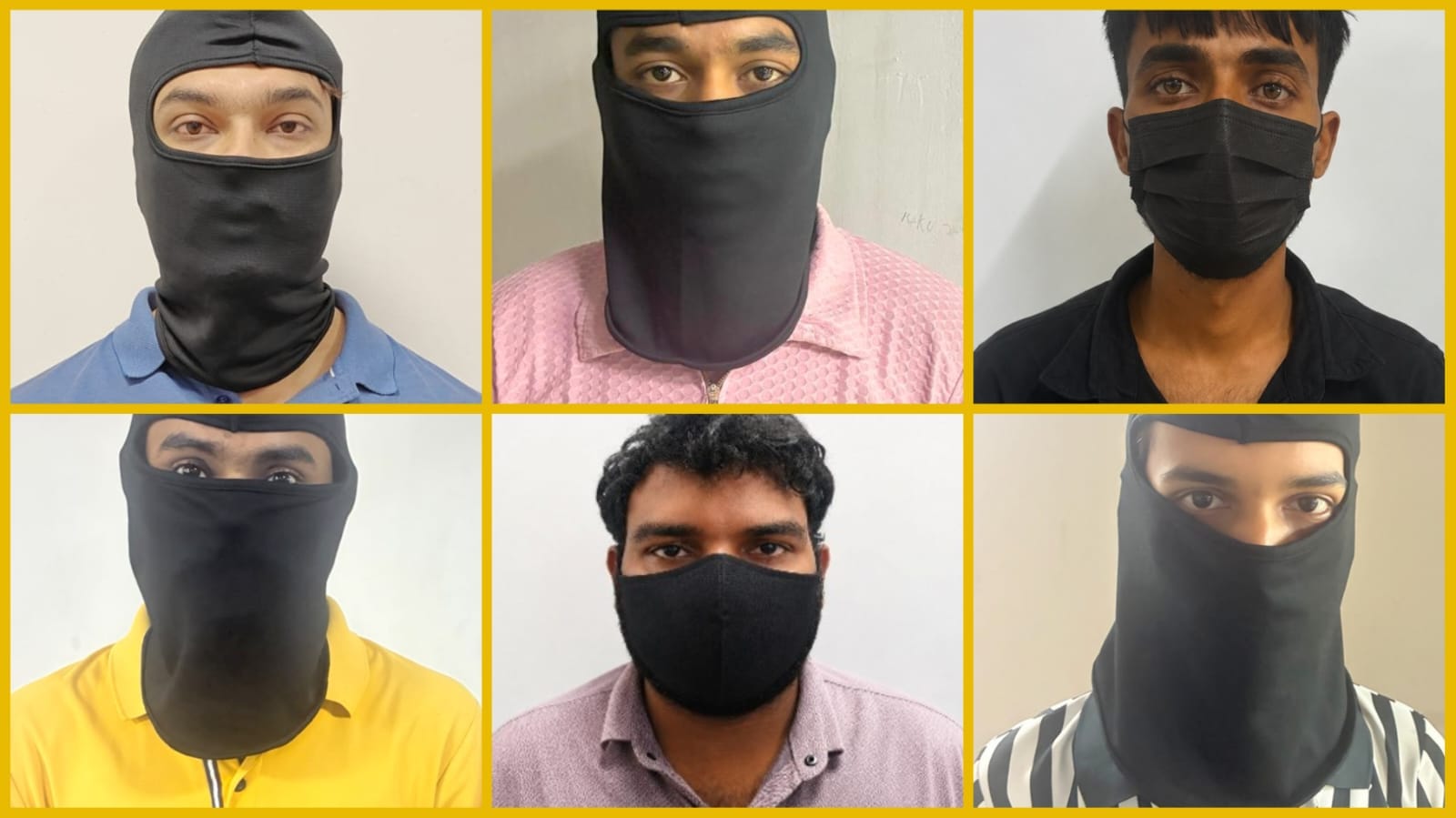
From the first operation in Delhi-NCR and nearby areas, those arrested were identified as Anas, 26, Mohit, 26, Deepak Agrola, 38, Arif, 30, Karanveer Singh, 26, Jatan, 29, and Sabir, 30. From the second operation, the arrested were named as Sohail, 26, Sonu Meena, 30, Sachin Kumar Meena, 20, Md Kaif, 21, and Md Rihan, 20. Among these, one is a biryani seller, one a ginger vendor and one a money lender.
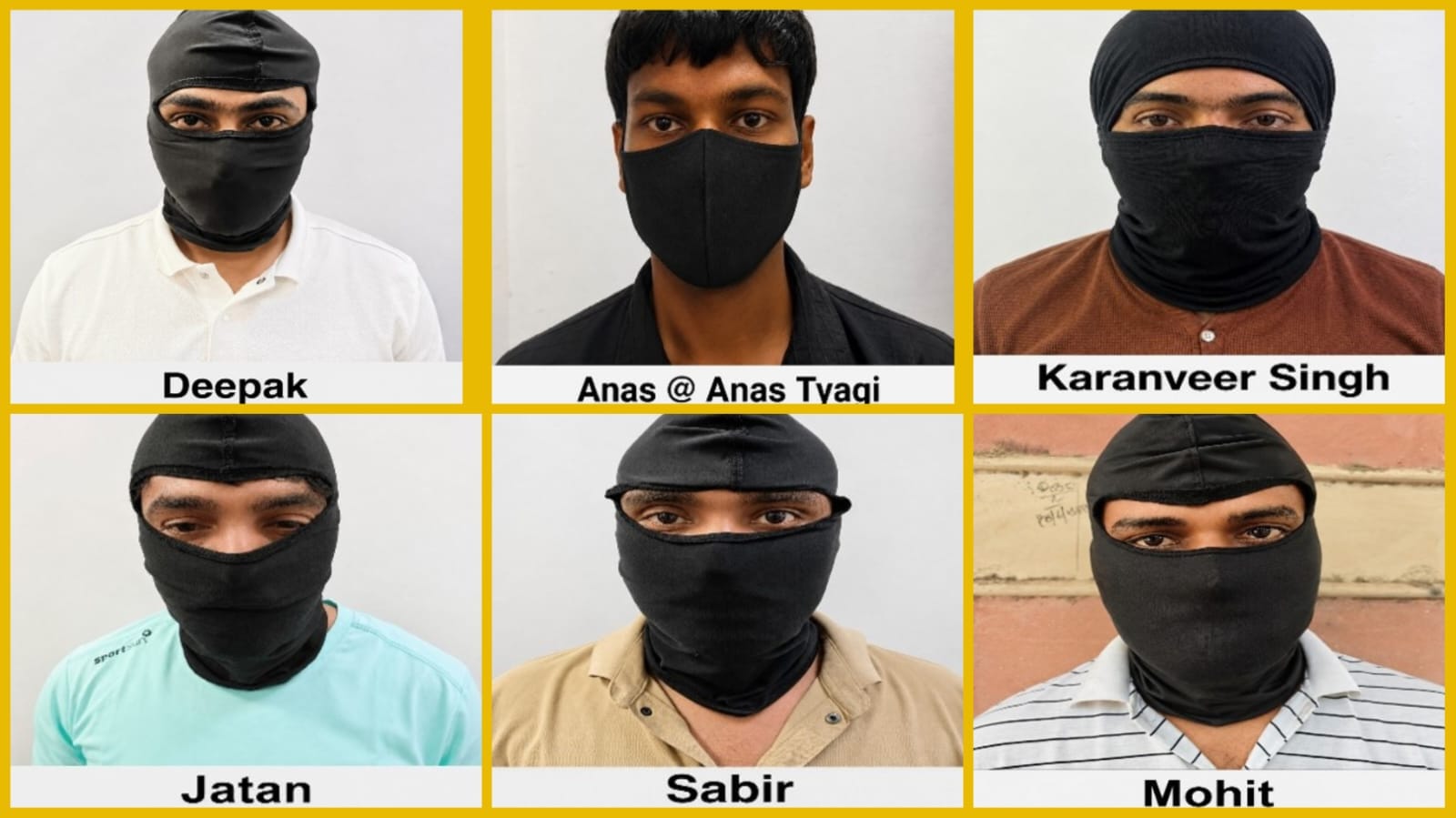
The arrests came following a tip off last month. The Special Cell received specific intelligence indicating that Bhatti, in conspiracy with Gujjar and acting at the behest of the ISI, was planning attacks in Delhi-NCR through youth recruited via social media platforms, the sources said.
Based on the information, the police arrested one Mohit, a resident of Loni in Ghaziabad, who was allegedly recruited by Gujjar as part of the module. Mohit’s phone contained “incriminating chats with Gujjar”, the officer said.
During interrogation, it was revealed that Bhatti and Gujjar had recruited Mohit and other associates, identified as Anas, Arif and Karan, to perform designated tasks. On arrest, Anas further revealed that Bhatti and Gujjar, who was in direct contact with him, had directed them to conduct reconnaissance of various potential terror targets, including public places.
The recce was carried out and photographs and videos of such locations were transmitted to handlers based in Pakistan for further operational planning through WhatsApp and Signal.
Social media recruits
The police investigation revealed that Bhatti and his foreign-based associates exploited social media platforms and encrypted communication channels to “identify, radicalise, recruit and motivate vulnerable young Indian men to carry out terrorist activities for money”. They were picked based on comments, likes and interactions on social media posts.
“Potential recruits were lured through monetary inducements, promises of quick financial gains and glorification of criminal lifestyles on social media. The network operated through encrypted applications, disposable mobile numbers, anonymous social media accounts, hawala channels, scanner-based financial transactions, dead-drop delivery mechanisms (a covert method of exchanging items or information without in-person contact) and photo/video-based confirmation systems,” DCP (Special Cell) Narra Chaitanya, who led the first operation, told ThePrint.
He said the handlers provided instructions relating to reconnaissance, logistics, procurement of weapons and explosives, target selection and execution of attacks while remaining physically outside Indian territory.
Association with Bhatti and Gujjar
Both Mohit and Arif would frequently spend time browsing social media platforms. They came in contact with Instagram accounts operated by Gujjar for procuring sophisticated weapons, said the police officer quoted earlier.
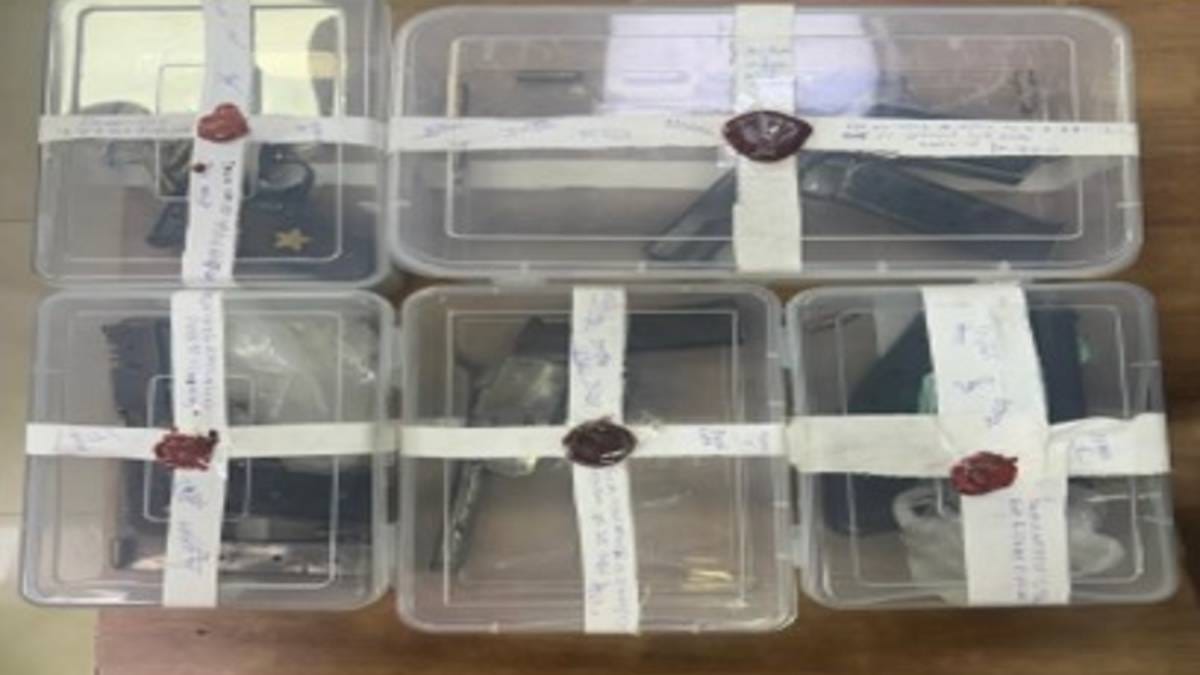
The officer told ThePrint that their interaction through social media platforms gradually established direct contact with Bhatti and Arif purchased a Zigana pistol from Gujjar for Rs 1 lakh. “The payment was transferred through UPI scanner transactions using accounts of different persons presently working in Dubai, with the funds ultimately received through conduits associated with the network,” said the officer.
The group of recruits was next tasked with smuggling heroin/chitta from Punjab into Delhi and NCR for further distribution.
“To avoid detection, they adopted the dead-drop delivery system. Anas along with Karan were deputed in Punjab to facilitate the smuggling operations,” said the police officer.
Bhatti allegedly instructed Arif and Anas to conduct reconnaissance of a famous eatery in Haryana, certain “right wing” personalities residing in Delhi and Loni, and of other sensitive establishments in Delhi-NCR.
Funds were generated through the sale of narcotic substances and illegal weapons and used to carry out assigned tasks and to lure or recruit more youth.
Police sources said Deepak played a key role in the syndicate. A local thug from west UP, he has 23 cases registered against him. He had been in direct contact with Bhatti and Gujjar “for more than 100 times since March 2026”. Deepak was lodged in Delhi’s Mandoli jail at the time of his arrest and had smuggled a mobile phone inside, which was later recovered by staff.
“The conversations between them were casual. He would refer to him as Gujjar bhai, since they were from the same community. Drugs, arms, everything was available right after a message,” the police officer part of the probe said.
‘Recce & killings’
According to DCP (Special Cell) Praveen Kumar Tripathi, Sohail, who was arrested from Ballabgarh in the second operation, had put up posters of Tehreek-E-Taliban Hindustan at multiple locations in Delhi and Faridabad on Bhatti’s directions. He sent the videos of the same to Bhatti through encrypted messaging apps and was paid Rs 5,000.
In this operation, most accused were arrested from parts of Haryana and Rajasthan.
Sonu, who was in touch with Hassan Gujjar, a member of the Bhatti gang, was tasked to arrange weapons and provide financial assistance to other members of the module for attacks. Even Md Kaif was in communication with Rana Hunain and Abid Jutt, two other members of the Bhatti network, police sources said.
“It was Rana Hunain who instructed Kaif to carry out killings of police personnel, to conduct recce of police stations and security camps, and recruit youth for firing and grenade attacks. He also sent a poster of Abid Jutt to Md Rihan to affix at multiple locations,” said the police officer.
To fire at and kill police personnel, Md Rihan was given directions by Abid Jutt and offered Rs 3 lakh for the task. He was also directed to paint Tehreek-E-Taliban Hindustan graffiti and conduct recce of security establishments, the sources said.
(Edited by Nida Fatima Siddiqui)
Also Read: Farmer, DJ, MBA: The men ‘recruited’ by ISI-BKI to install cameras for spying on Indian military