





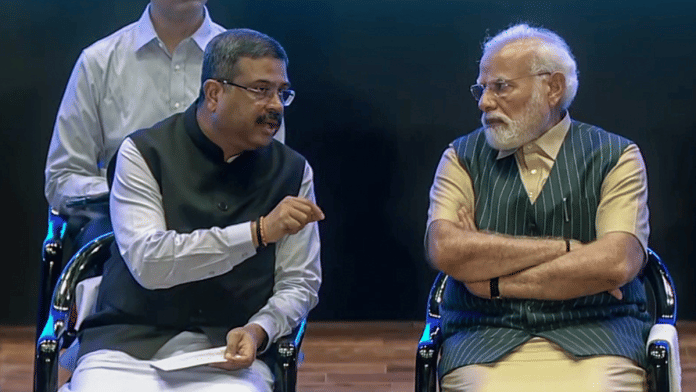


The student protests that rocked New Delhi and forced Indian Prime Minister Narendra Modi to take a rare step back have also given an opening to an opposition that has largely been sidelined in recent years.
Indian opposition leaders in recent days have sought to capitalize on the discontent channeled by weeks of protests, joining in on the demonstrations, demanding an apology to students and pushing for action in response to the police crackdown on rally-goers.
After years of setbacks delivered by Modi’s ruling Bharatiya Janata Party, India’s opposition led by the Indian National Congress recovered some ground in 2024, winning enough seats in national elections to break the BJP’s decade-long parliamentary majority and forcing the ruling party to govern under a coalition. But the Congress-led alliance has since struggled to translate the wins to lasting political momentum, losing ground in a wave of state elections and sustaining more than two dozen defections to the Modi coalition.
In the days since the resignation of Education Minister Dharmendra Pradhan on Saturday, opposition leader Rahul Gandhi has vowed to raise the issues highlighted by the demonstrations — including exam leaks and youth unemployment — in parliament. Gandhi has also demanded a response from Home Minister Amit Shah over over methods used by police to contain the protesters, pushed for an apology from Modi and sought assurances that action would be taken against those guilty of violence against students.
Arvind Kejriwal, national convenor of the opposition Aam Aadmi Party, hailed Pradhan’s resignation as a “big win for democracy.” He has sought to channel the protests to call for a national town hall on the imposition of new ethanol fuel blends for consumers, an issue that has spurred a backlash from motorists worried about reduced mileage and potential vehicle damage from the new fuels.
Another top opposition figure, Akhilesh Yadav of the Samajwadi Party, hailed the “victory for the youth” of the country, and demanded that the ruling government “think seriously about everything from primary education to higher education.” Yadav is mounting a challenge to Modi’s BJP in upcoming elections in Uttar Pradesh, India’s most populous state and a BJP stronghold.
On Monday, the BJP introduced an education bill in parliament aimed at curbing leaks in competitive exams, giving in on an issue that had fueled the student-led movement. Opposition politicians have responded by demanding 93 amendments in the bill.
“This crisis does give a lifeline to a weak opposition — something to leverage against Modi. This is important given the opposition’s consistent inability to successfully exploit the government’s vulnerabilities,” said Michael Kugelman, resident senior fellow for South Asia at the Atlantic Council.
India’s opposition played a relatively minor role throughout the protests, largely watching from the sidelines as the protests swelled and only throwing their weight behind the demonstrators once they appeared to have Modi on the back foot. Modi only capitulated to the protests only after they spread enough to call into question his grip on power and threaten wider legislative goals like a potential expansion to parliament, Bloomberg News has reported.
Attention throughout the protests has remained squarely on the Cockroach Janta Party and its leader Abhijeet Dipke. The Boston resident had been job hunting in the US before founding the satirical movement. It rapidly snowballed, channeling widespread anger among Indian youngsters over national exam scandals and dissatisfaction with the country’s education system. Dipke had previously been a volunteer with the Aam Aadmi Party, but the movement itself has largely resisted aligning with any existing political party.
“Under the BJP, successful protest movements have happened without opposition parties, who have largely failed to harvest the discontent driving them” said Gilles Verniers, a senior fellow at the Centre for Policy Research in New Delhi. “The opportunity is there, if they can seize it.”
Christophe Jaffrelot, a scholar of Hindu nationalism who has written several books about the Modi era, said that Pradhan’s resignation represents a “significant loss” to the BJP since the Rashtriya Swayamsevak Sangh, the ideological parent of Modi’s party, “sees itself primarily as a youth movement.” He said one way for the opposition to seize on the movement’s momentum is by nominating student protesters to stand in future elections.
“Seeing the Modi government make concessions to the protesters within five days shows that they are panicking, and that in itself means that there is an opening for the opposition,” Jaffrelot said.
Disclaimer: This report is auto generated from the Bloomberg news service. ThePrint holds no responsibility for its content.