



This is Part 1 of a two-part series on attacks on Punjab Police Assistant Sub-Inspectors in the state’s border districts.
Gurdaspur/Amritsar: Joga Singh, an Assistant Sub-Inspector (ASI) with the Punjab Police, appeared to be at a high point in his life in May. A promotion was imminent, both his children were settled abroad, and his newly married daughter-in-law had secured her Canadian visa.
On 23 May, Joga watched his beloved Punjab Kings defeat Lucknow Super Giants in an Indian Premier League match. Before he went to bed, however, a call from his superior changed his plans. He was asked to report for duty a couple of hours earlier than his usual 9 am shift the next morning.
Posted with the Amritsar Police traffic wing, Joga was used to such last-minute calls, especially on days involving VIP movement. But the next morning, a small change in his routine proved fatal.
In the early hours of 24 May, motorcycle-borne assailants shot Joga with a 9mm pistol while he was traveling between Gurdaspur and Amritsar.
“He had been commuting to work daily in a car for the last year,” his wife, Kaur, told ThePrint. “The tyre had gone flat, and he had no time to change it. Instead, he rushed to work on a bike. That was the only day he went to work on a bike, and also the last I saw my husband,” she said, breaking down over a call from Canada. Her children had taken her there after her health deteriorated following Joga’s murder.
Today, visited the residence of Martyr ASI Joga Singh of @BatalaPolice to pay my respects and extend my deepest condolences to his bereaved family.
ASI Joga Singh made the supreme sacrifice in the line of duty, exemplifying the highest traditions of Punjab Police through his… pic.twitter.com/Sbfn53rbnA
— DGP Punjab Police (@DGPPunjabPolice) May 30, 2026
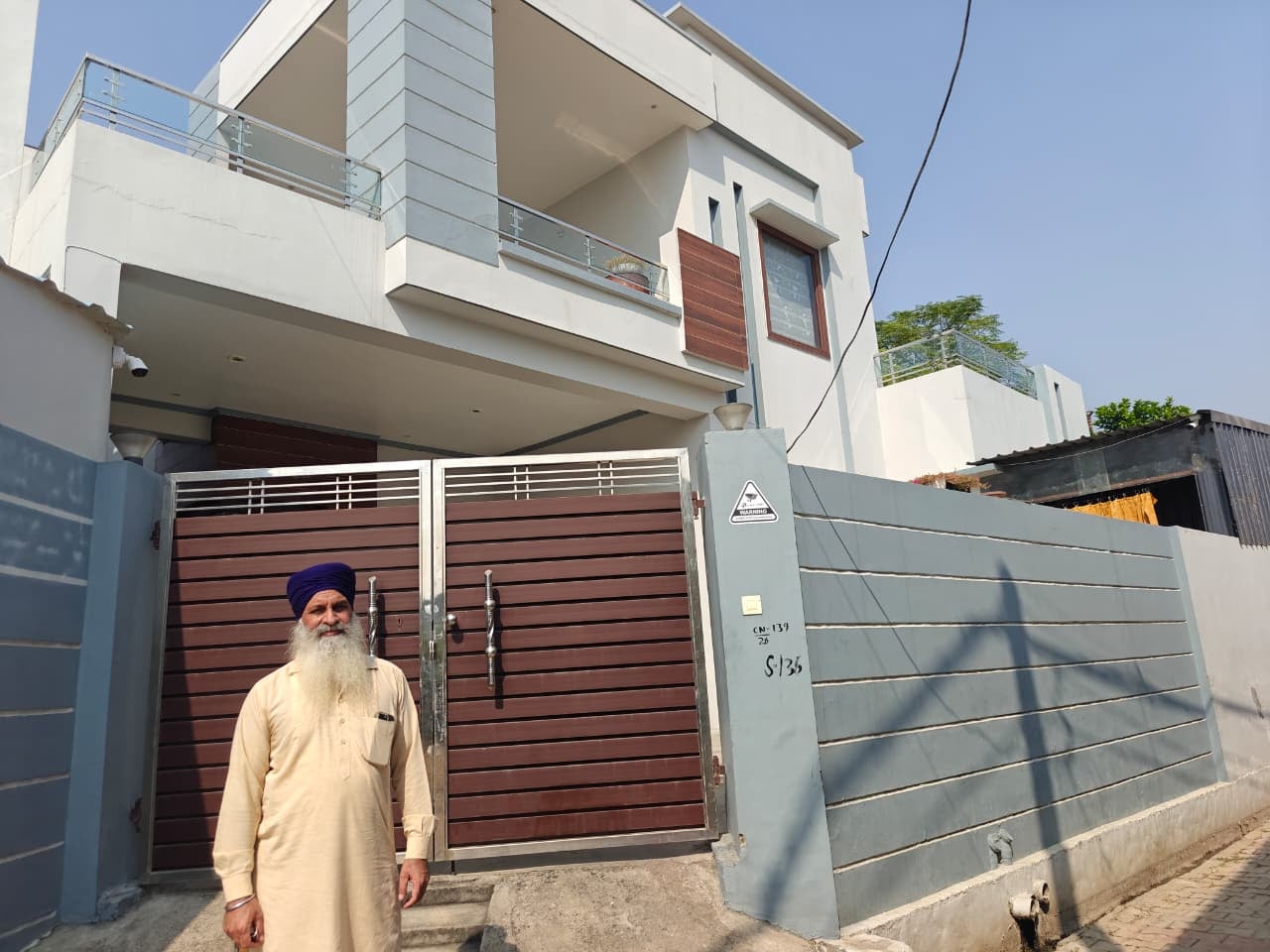
Joga Singh’s murder was not an isolated attack.
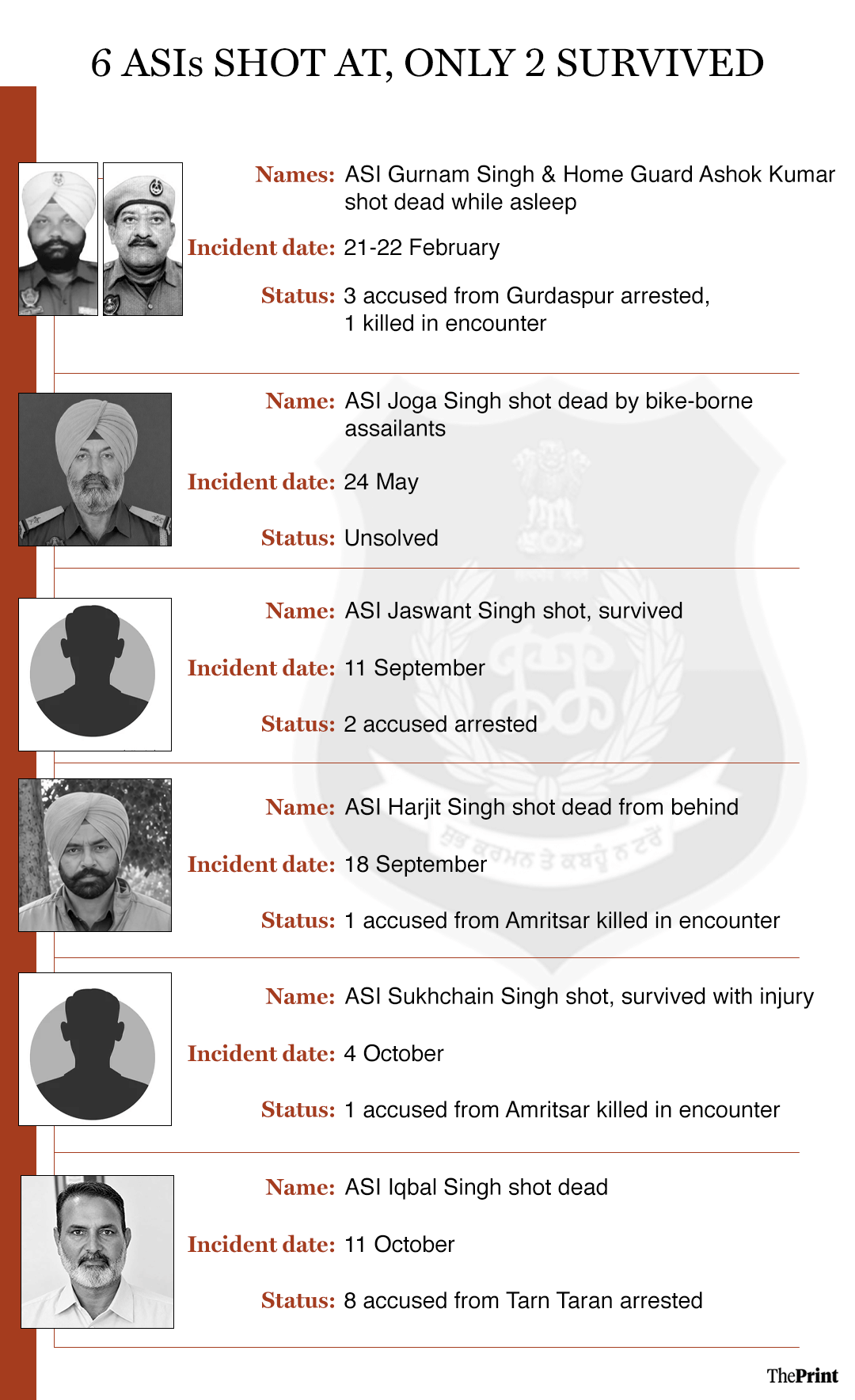
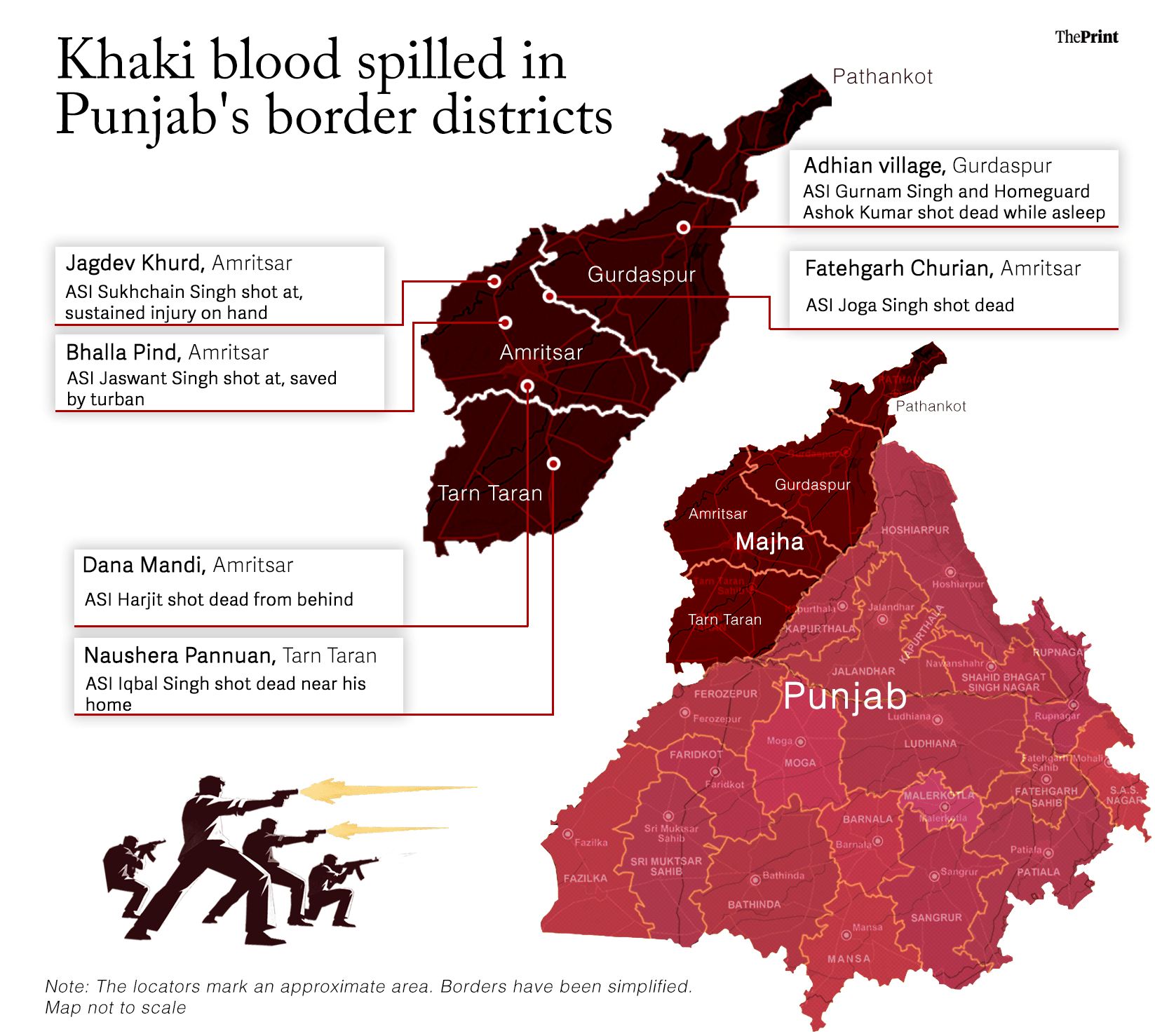
Since February, seven police personnel—six of them ASIs, identifiable by the single star on their uniforms—have been shot in Punjab’s border districts of Gurdaspur, Amritsar and Tarn Taran. Only two survived the attacks. Three of those killed were in uniform at the time.
Senior Punjab Police officers suspect that Pakistan Intelligence Operatives (PIOs), acting at the behest of Pakistan’s Inter-Services Intelligence (ISI), were behind all but one of the killings. Investigators believe the objective was to terrorise the police force, spread panic and destabilise the already volatile border state.
Police have arrested 21 people allegedly recruited to carry out the attacks.
The weapons used in the shootings are also a clue to the alleged link to Pakistan. Norinco .30-bore pistols, originally manufactured in China, and third-generation 9mm Glock pistols, originally made in Austria are banned in India and, according to police officials, enter the country through smuggling networks. Officials allege that arms smugglers in Pakistan are using moulding machines to manufacture first-copy versions of the weapons. They estimate that 80–100 weapons are smuggled into Punjab via drones from across the border each day.
Investigators suspect the attacks are linked to Pakistan-based handlers using the name Tehreek-e-Taliban Hindustan (TTH), a little-known outfit that police describe as a front for their operations.
“These PIOs and foreign-based handlers linked to them have been luring youth from the not-so-rich section of society with lofty but fake promises of lakhs of rupees as well as settlement abroad using their friends and associates back home,” Inspector General of Police, Border Range, Gurpreet Singh Bhullar told ThePrint.
Also Read: Man held for firing at car in Tarn Taran, leaving NRI dead. Police suspect case of mistaken identity
A single star in the crossfire
The first identified victims of the suspected targeted killings were ASI Gurnam Singh and Ashok Kumar, a Home Guard, who were killed on 21 February in Adhian village in Gurdaspur district, near the Pakistan border.
A video that surfaced on social media showed the two men being shot at close range while asleep. Villagers discovered their bodies the following morning.
Gurdaspur Police arrested three accused—Ranjit Singh and Dilawar Singh, both residents of Adhian, and Inderjit Singh of Ali Nangal village. Ranjit was later killed in an encounter, which his family claimed was staged. In its chargesheet, police alleged that the trio carried out the killings on the instructions of PIOs in exchange for payments of Rs 2 lakh to Rs 4 lakh.
Officials familiar with the case, however, said Ranjit also held a personal grudge against Gurnam following arguments near the checkpost where the ASI was deployed in Adhian.
Then came Joga’s killing in Amritsar in May. As in the Gurdaspur case, a video of the shooting surfaced on social media, and TTH claimed responsibility.
After a pause, the attacks resumed in September.
On 11 September, ASI Jaswant Singh was shot from behind by motorcycle-borne assailants while returning home from duty with the Amritsar City Commissionerate. The bullet struck his head, but his turban helped him escape fatal injuries.
Amritsar Rural Police arrested two accused—Karanbir Singh alias Nandi, who allegedly rode the motorcycle, and Gurpreet Singh alias Gopi, who allegedly fired the shot. Both were residents of Jhanjoti village. Police said Gurpreet, who worked as a labourer in Amritsar, had come into contact with Pakistani gangster Shehzad Bhatti through the encrypted messaging application Zinga.
A week later, on 18 September, ASI Harjit Singh was shot from behind while on night patrol in the Dana Mandi area of Amritsar city.
An analysis of CCTV footage showed two suspects moving around the market before spotting Harjit relatively isolated from the other two personnel on duty. They then allegedly approached and shot him from behind.
One of the accused, Deepak Singh, was arrested by Amritsar Police and later killed in an encounter. “Analysis of his phone revealed he was in touch with a handler across the border, and he had received Rs 16,000 within a week before the fatal attack,” an Amritsar Police officer said. The second accused remains at large.
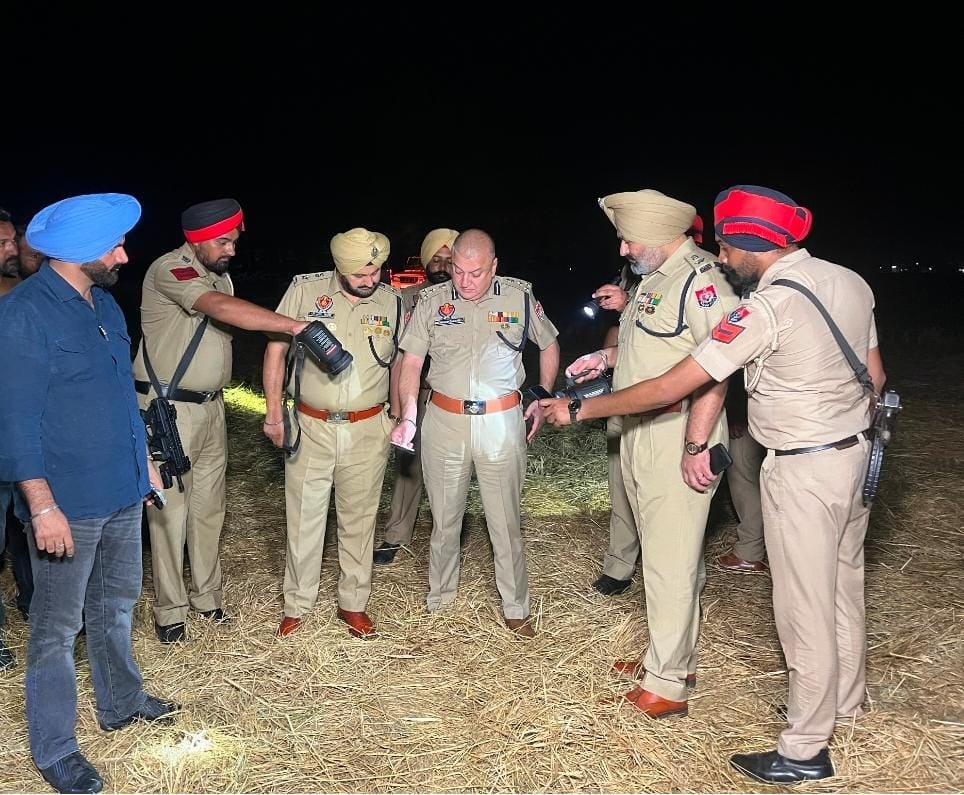
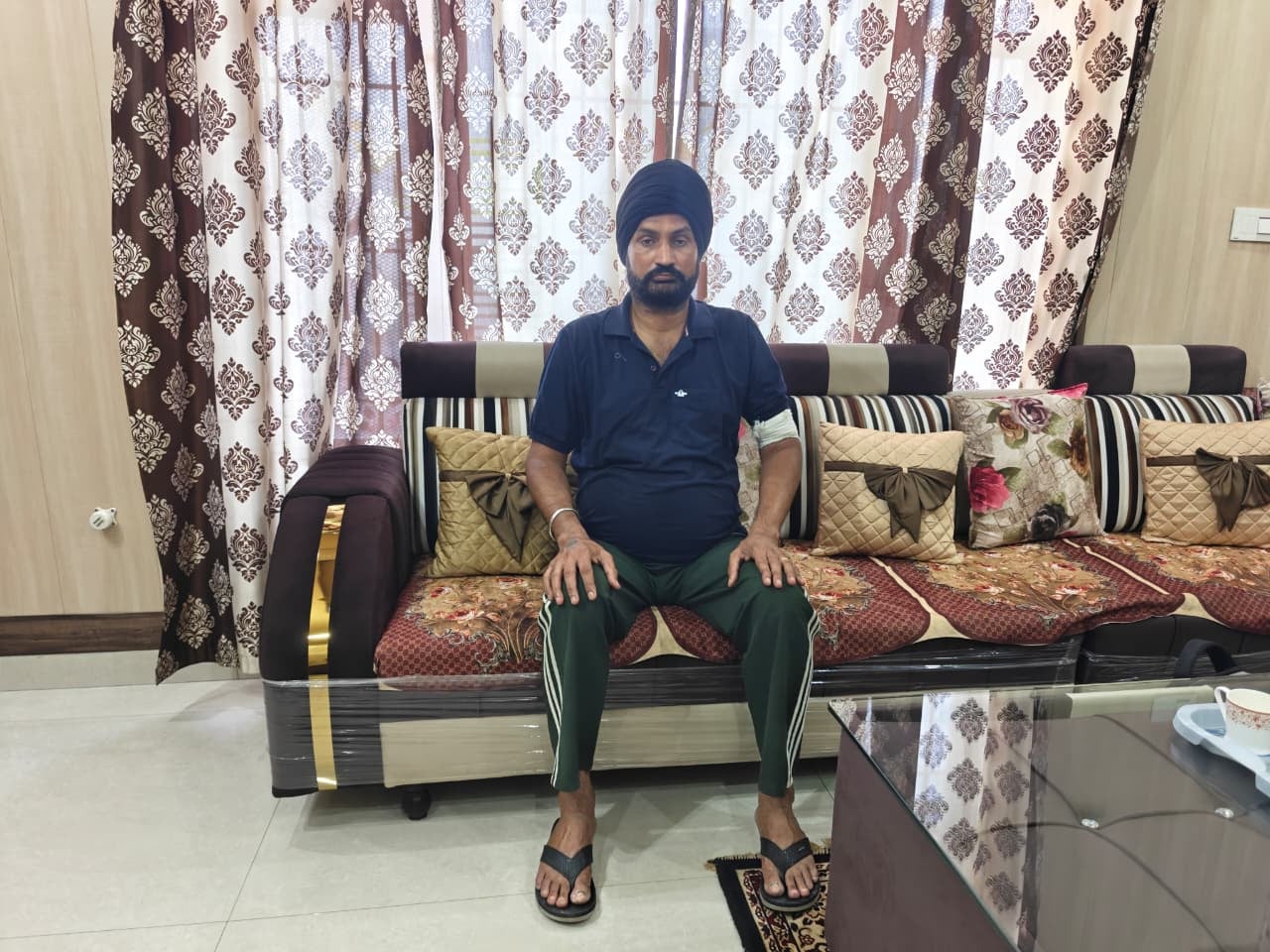
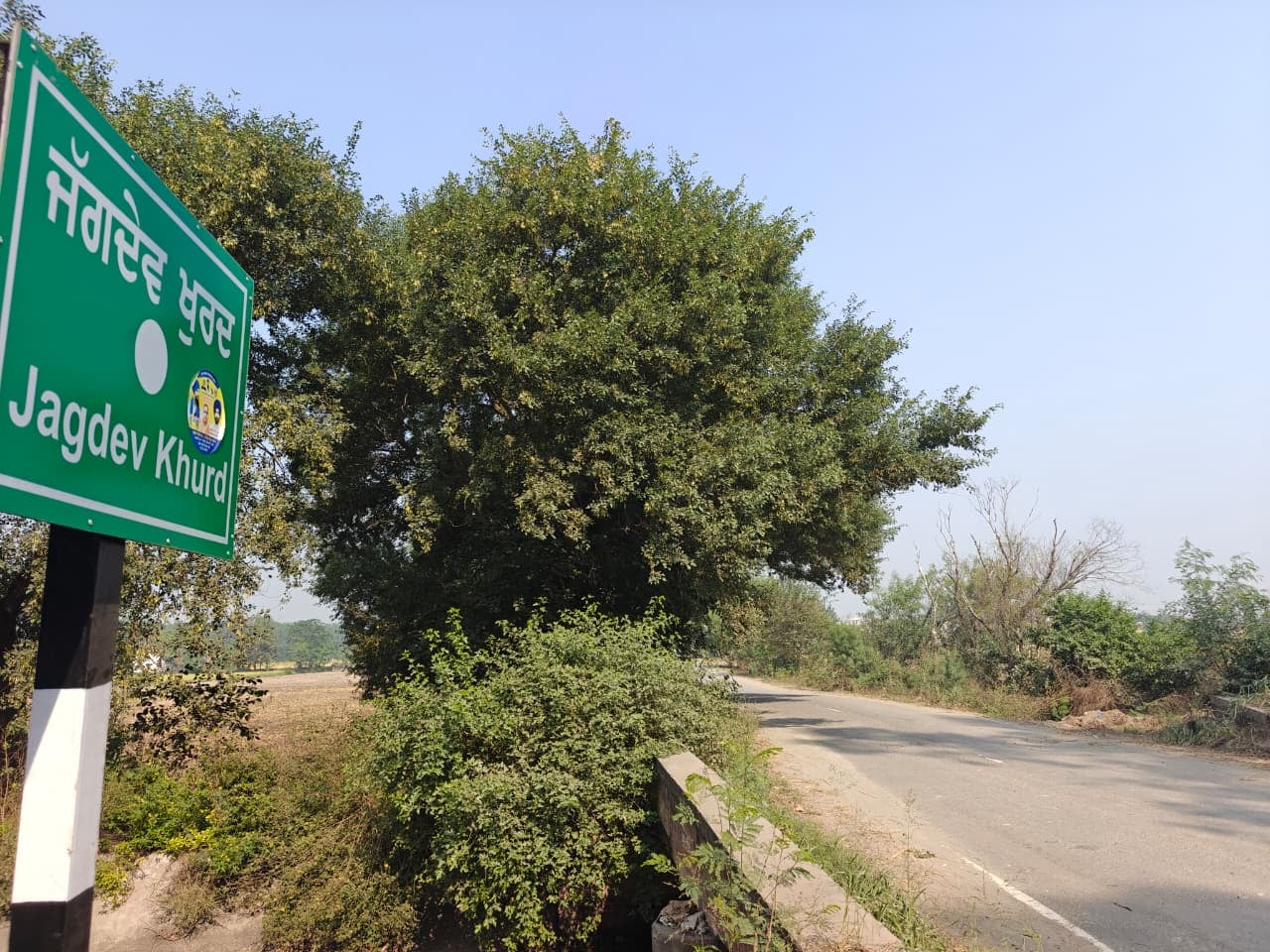
On 4 October, ASI Sukhchain Singh was shot by bike-borne assailants a few metres from his home in Jagdev Khurd village, within Amritsar Rural Police district, while returning from his duty at the Government Railway Police in the city. A bullet struck his left bicep, but he continued riding and managed to reach home.
A week later, on 11 October, ASI Iqbal Singh was shot dead in Tarn Taran, a few metres from his residence, while returning from a gurdwara. Police arrested eight accused, including a local gangster in jail who was a friend of Iqbal’s nephew before turning against him. They maintain that this case was an outlier, rooted in an inter-gang rivalry involving his son and nephew, who was also gunned down last month..
Why ASIs were targeted
In the other cases, officials say, the most troubling development was the apparent shift from opportunistic attacks to targeted killings. Investigators suspect that local operatives were carrying out the shooting on specific instructions from foreign-based handlers, who were themselves linked to PIOs.
Police sources believe the relative ease with which the initial attacks were carried out, and the impact they generated, encouraged a more deliberate strategy, paving the way for attacks in quick succession across the region.
“It started as a chance discovery, and the first few cases were serendipitous, but slowly it became a targeted approach, with clear profiling of the targets, recce of their commuting routes and marking of areas to target them, as was seen in the case of Sukhchain and Jaswant,” a Punjab Police officer told ThePrint.
“That’s why even those who were not in uniform were at the receiving end of the attack, because by then the operatives who eventually pulled the trigger had received precise inputs and instructions related to their routine and movements,” the officer said.
According to assessments by Punjab Police and intelligence agencies, the suspected objective was to demoralise personnel on the ground and “push them back into their barracks”.
Although the Tarn Taran killing appears to have stemmed from a separate dispute, the other attacks share a striking feature—the victims’ rank. Most were ASIs, identifiable by the single star on their uniforms.
“There is no definitive answer to why only ASIs are among those attacked, but one probable reason could be that they are neither too junior in rank to not have a lasting impact nor are they too senior to be untouchable from their (attackers) conspiracies and attacks,” a Punjab Police official said.
He added that a constable is too low-ranking for the attackers to achieve the impact they desire while any officer from Sub Inspector onwards will invariably have one or two persons accompanying them all the time.
The official cautioned, however, that there was no conclusive evidence that ASIs had been placed on a specific target list.
Shadow outfit, handlers and money trail
The investigation into the attack on Sukhchain Singh offered Punjab Police a glimpse into how the killings were allegedly executed. The attack involved local shooters, a jailed intermediary, foreign-based handlers, concealed weapons and small transfers of money.
Amritsar Rural Police arrested three men over the attack—Sahib Singh alias Gori, Simranjit Singh and Baljit Singh. Their interrogation led investigators to Baljeet Singh alias Babban, who was lodged in Goindwal Sahib jail in connection with a grenade attack in March on Bhindi Saidon police station in the same district.
According to the police investigation, two foreign-based gangsters had recruited Babban for the operation—Harmanpreet Singh, a Moga resident based in Europe, and Babban’s former schoolmate Badalpreet Singh, who has been traced to Portugal.
Five days before the shooting, Badalpreet allegedly arranged a weapon and sent coordinates to Babban’s phone identifying a concealed drop-off point near Bhoma village in the Majitha area of Amritsar Rural Police district.
“It was passed through a dead letter box method,” an officer said.
On the other hand, the money for the attack had been routed more than a week earlier, investigators found. Police allege that Babban recruited Gori for the shooting and that the funds were channelled through a Tarn Taran-based money exchanger operating through Western Union.
The police have also implicated a Western Union agent, Ritik Sharma, in the case. “The funds were transferred in four-five transactions, all less than Rs 10,000 each,” the officer said.
The alleged payments in Harjit Singh’s case point to a similar pattern as police said the accused received Rs 16,000 shortly before the shooting.
Investigators believe the local operatives ultimately answered to handlers operating under the name TTH. Yet, according to Punjab Police, investigators have found no digital footprints establishing the outfit’s presence as an organised entity.
“It’s a pseudo-entity which gives ISI and its agents a plausible deniability if in case some major incidents occur in their names,” a Punjab Police officer experienced in investigating terrorism cases said.
The officer said such outfits were often merely names without a substantial organisation behind them.
Shehzad Bhatti, the Pakistani gangster whom police allege was involved in the attack on Jaswant Singh, is one of the operatives investigators believe works under the direction of ISI handlers.
“Neither Bhatti nor TTH is the only entity doing this dirty work for the ISI, and names such as TTH or Khalistan Liberation Army (KLA) are nothing but clever use of the words Khalistan and Hindustan as a cover to claim that these organisations worked in India only if something major occurs,” the officer said.
Following twin explosions in May—one at an Army camp in Amritsar and another outside the BSF headquarters in Jalandhar—Punjab DGP Gaurav Yadav had described such outfits and operatives as “non-existent entities” and “stooges of the ISI”.
Punjab’s cops on edge
Sukhchain Singh escaped death with just a bullet wound but the circumstances surrounding the shooting remain a cause of worry for his family. They remain anxious about his safety for the years he has left in service.
When ThePrint met his wife at their home, she sat staring at the drawing room walls for a long time before breaking her silence with a torrent of fears about Sukhchain’s safety.
“There is a long service of six to eight years remaining, and he has been taking the same route for years. Where does all of it stop now?” she told ThePrint, refusing to share her name. “We are concerned about his security but don’t know what can secure him,” she added.
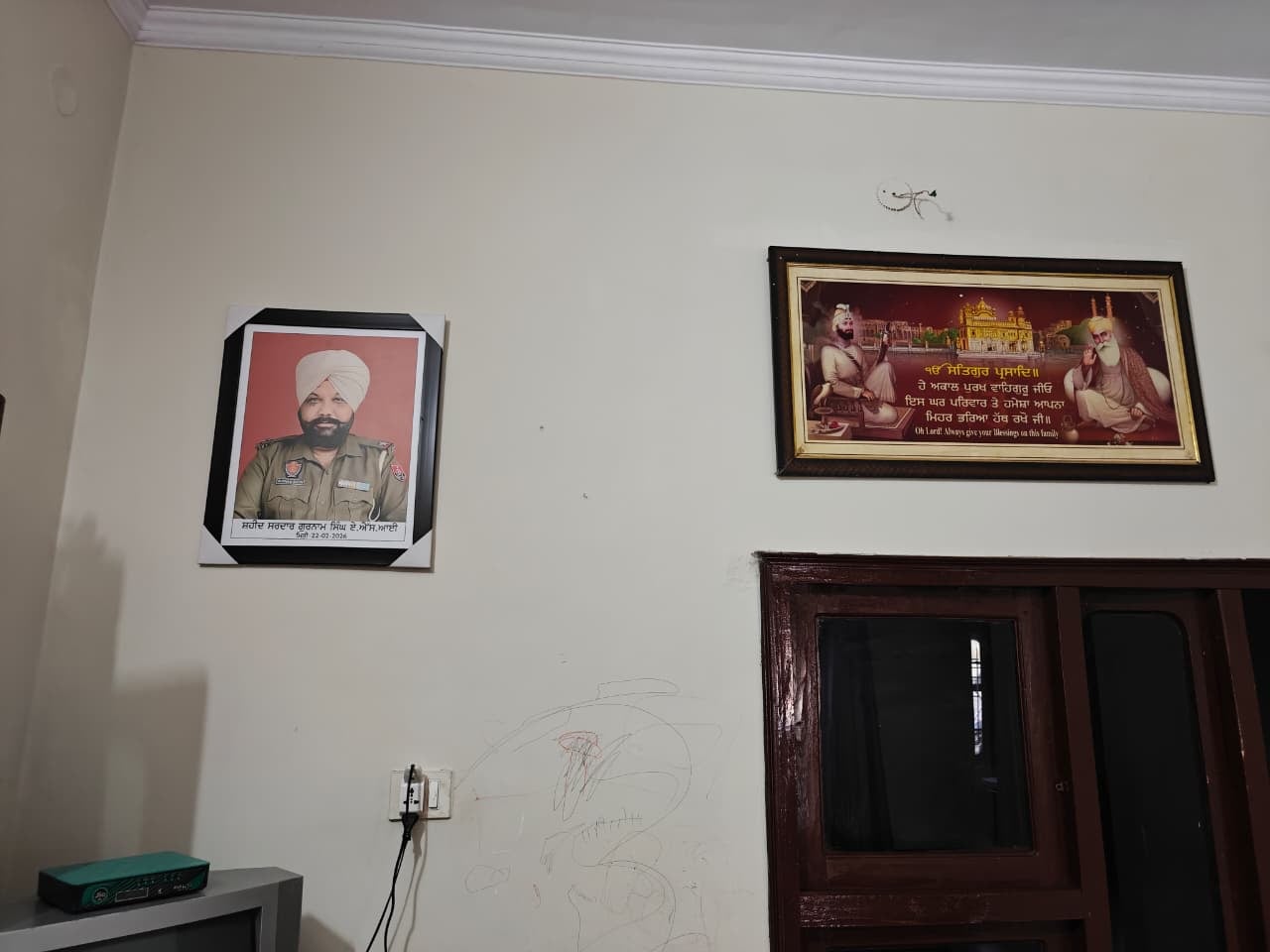
Similar anxiety hangs over the home of Gurnam Singh in Gadarian village, Gurdaspur. His son, Sandeep Singh, has secured a Canadian work permit and has no plans to remain in India.
Punjab Police is expected to offer the family a compensatory job following Gurnam’s death on duty. The position is to go to his eldest daughter, but the family has a specific request—that she be given an office-based role.
“We have requested the government to give her only a clerical job and not field work,” Sandeep told ThePrint at his home. “Women anyway face so many security issues outside and add to those the threats from such elements, and it’s better she is given office-based roles,” he said.
An ASI posted in Amritsar city offered a broader picture of the unease among personnel. “Around 80 percent of mulazims (junior officer) posted in Amritsar city are from the rural belt of Amritsar or Gurdaspur and Batala who are daily commuters to the place of duty…these incidents have certainly raised an alarm among us,” the ASI told ThePrint, requesting anonymity.
“The pattern clearly suggests that either the victims were chased in uniform when they were commuting alone, or they had already been mapped about their routes and the time of their movement,” another senior officer said, as the ASI nodded in agreement.
After Harjit Singh’s killing, Amritsar Police Commissioner Harmanbir Singh Gill had directed personnel not to commute to and from work wearing any part of their uniforms. The advisory soon became controversial after it was made public following which the Punjab Police clarified that headquarters had not issued any such direction.
The lone unsolved case
Investigators say they have made progress in most of the cases, with 21 people arrested for allegedly carrying out the attacks. But Joga Singh’s murder remains a mystery. Five months after he was shot dead, police have yet to identify those responsible.
The investigation has stalled, and a promise by DGP Gaurav Yadav to provide a compensatory job to Joga’s son remains unfulfilled, according to his brother, Prabhjit Singh.
“I met the SSP recently, and all I could hear was that there was no breakthrough in the case,” he told ThePrint. He said he did not blame the police for the lack of progress.
“I am not unhappy with the police. Progress in investigation is not something that happens with a switch and depends on several factors,” he said. “But administrative decisions such as extending appointment letters on compensatory grounds require mere signatures on the file for which governments are elected to power.”
“DGP sahab assured us that his son would get a job in the police as compensation for his father’s sacrifice in uniform, but we have not heard about any progress on the matter,” he added, distinguishing the police investigation from the government’s responsibility for the appointment.
“I am not disappointed with the police but with the government,” he said, before returning to the circumstances of his brother’s death.
“The entire village and even villages nearby would vouch for his character and nature. He had no enmity with anyone, and such a brutal attack on him while going to report for duty in uniform shows nothing but that the might of the uniform does not hold fear for criminal elements,” he said.
A Punjab Police officer privy to the probe acknowledged that the case had made little progress in the five months since the killing. The time and location of the attack have complicated the probe, the officer said. Joga was shot around 5.30 am on a relatively isolated stretch of the Fatehgarh Churian–Majitha Road, where CCTV coverage is limited.
Investigators pursued several leads immediately after the shooting, but none produced a breakthrough. “We had a lead in the immediate aftermath of the killing when a CCTV camera had spotted men on a bike moving westwards near the canal,” an officer familiar with the probe said. “That did not lead us to any breakthrough, unfortunately.”
“We are working in tandem with all agencies concerned, and this case too will not be left unsolved,” IG Bhullar told ThePrint.
For Joga’s wife, the unanswered questions are inseparable from the decision that took him to work that morning. He had been considering premature retirement but postponed it in anticipation of a promotion later that year.
“Had I forced him to retire and settle down, my husband would’ve been alive now.”
(Edited by Chingkheinganbi Mayengbam)