



New Delhi: No new strain of H1N1 has been identified in India and there is no cause for panic, but young children, the elderly and those with underlying medical conditions remain at greater risk of complications, senior scientists at the Indian Council of Medical Research (ICMR) said Sunday, as Delhi recorded 2,602 influenza cases this year, with H1N1 accounting for more than a two-third of them.
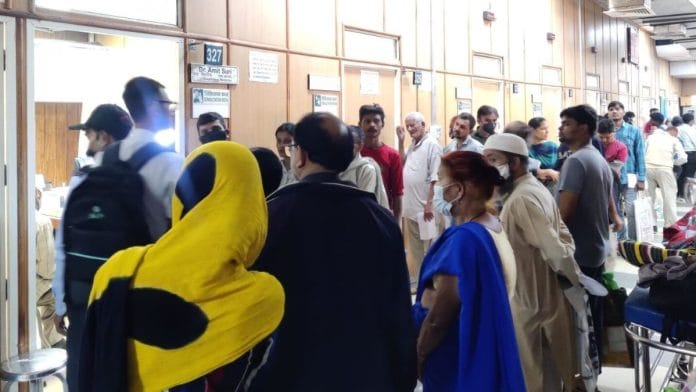
The reassurance comes as doctors across cities report crowded outpatient departments and more patients with influenza-like symptoms, including some severe cases among unvaccinated people and those with underlying health conditions.
H1N1, commonly known as swine flu, is a subtype of Influenza A that spreads primarily through respiratory droplets. While infection is generally self-limiting, it can cause complications such as pneumonia, particularly in vulnerable groups.
“Young children, elderly persons and individuals with underlying medical conditions may be at greater risk of complications. If symptoms persist, worsen or become severe, timely consultation with a doctor is advised,” ICMR scientists said.
The virus currently circulating in India is similar to the A/Missouri/11/2025 (H1N1) pdm09-like virus, the scientists said. It belongs has been circulating since 2025.
The circulating viruses are also well matched with the influenza vaccine strains recommended for the Northern Hemisphere, they said. Therefore, the existing vaccine will remain effective, although vaccination is no guarantee against infection.
What does the ICMR assessment mean?
In simple terms, the genetic classification of the virus has changed as it evolves, but this does not mean India is dealing with a completely new H1N1 virus.
H1N1 viruses, like other influenza viruses, undergo small genetic changes as they circulate.
Scientists track these changes to see whether a virus is becoming substantially different from existing strains, whether it is causing unusual disease or whether vaccine strains need to be updated.
The current classification, according to the ICMR scientists, does not indicate such a development. The virus remains part of the H1N1 pdm09 family, which has circulated globally since the 2009 pandemic.
H1N1 now dominant in Delhi
Of the 2,602 influenza cases recorded in Delhi between January and 20 August, 1,777 were H1N1, according to Delhi health department data.
The capital reported 159 new influenza cases on 20 August, including 114 H1N1 infections.
There were also 37 H1 cases, 138 H3 cases and 440 cases classified as other Influenza A infections. Influenza B accounted for 210 cases, including 200 of the Victoria lineage.
H1N1 has replaced H3N2 as the predominant influenza subtype in Delhi this year. Last year, H3N2 was the dominant subtype.
Delhi generally sees two seasonal influenza peaks, one between January and March and another after the Monsoon.
How is Delhi tracking the rise?
Delhi health authorities said they are monitoring influenza through the Integrated Disease Surveillance Programme, with daily tracking of influenza-like illness, severe acute respiratory infection and confirmed influenza cases.
The authorities said an inter-sectoral meeting involving the health department, MCD, NDMC, Cantonment Board, Education Department and DDA was held 20 August to review the situation. Officials were asked to step up public awareness and preventive measures.
According to the Delhi health authorities, district officials are also reviewing cases daily, while hospitals have been asked to screen and report influenza, influenza-like illness (ILI), severe acute respiratory infection (SARI) and Covid-19 cases.
A refresher training for district officers was held 17 August on the current influenza situation, case definitions and treatment, the authorities said.
The health department has also advised people to take precautions such as wearing masks in crowded settings, maintaining hand hygiene and avoiding close contact with people with respiratory infections to reduce the spread of influenza.
(Edited by Viny Mishra)