








New Delhi: When the UPSC results come out each year, the All India Rank 1 immediately becomes a national hero in India. Within hours, TV channels ask the candidate to share study tips, and their face becomes an instant advertisement for their coaching centre, if they went to one.
But what happens next?
How did they live up to this promise that millions aspire to? How many have a documented flagship reform, model initiative, or ground-level impact attributed to them years later? ThePrint tracks the careers of 20 UPSC toppers—an even split between men and women. The three most recent top rank-holders, Aditya Srivastava, Shakti Dubey, and Anuj Agnihotri, are still in training, and so have not been included in this list.
While some kept a low profile for much of their careers, as had long been the expected code of conduct, others became influencer-adjacent and embroiled in controversies. All have been frequently lionised by coaching centres as ‘inspiration stories’, especially over the last five years, but their trajectories have often varied wildly.
One resigned, launched a political party, got detained, and then returned to a government desk. One became so famous that a video of her saluting in the wrong direction during a Republic Day parade went viral. One never served as district magistrate in 17 years of service. Several gave up other careers—including in medicine and engineering— for the privilege of joining the IAS.
However, the jury is out on whether a topper’s career is as stellar as their performance in the exam.
“There is nothing exceptional about toppers. Some do well and some do really bad. There is no direct link between topping the exam and performing well in the field. I have seen toppers who even went to jail. The memory of being topper fades away once you hit the ground,” said Sanjeev Chopra, former LBSNAA director.
Also Read: A century of UPSC. A ‘colonial tool’ rewired by protests, committees, even scandal
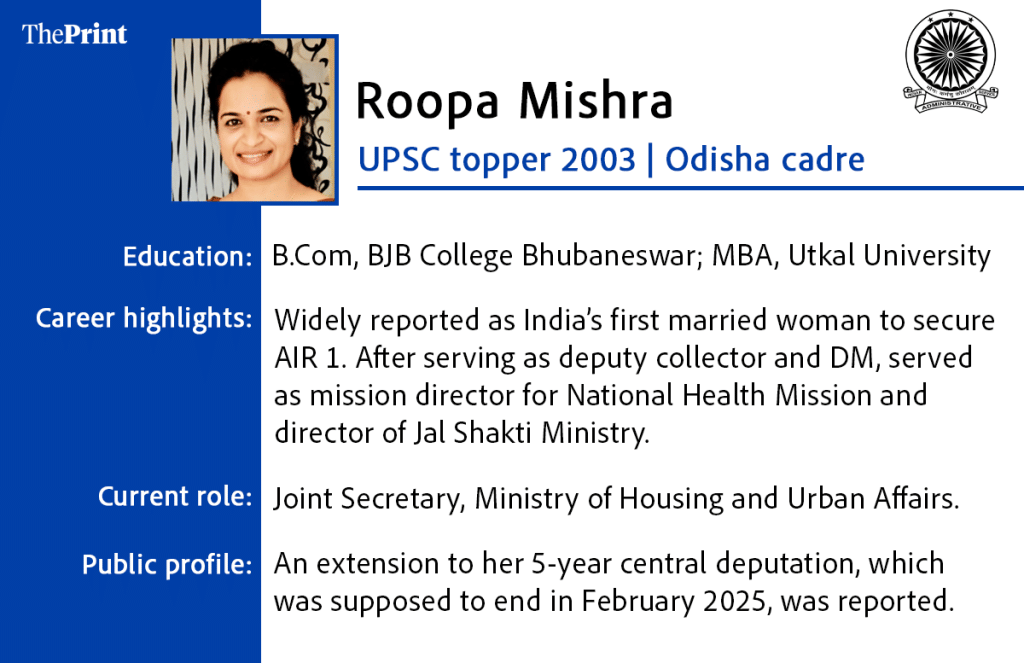
ThePrint reached out to Roopa Mishra via calls and texts. This article will be updated when a response is received.
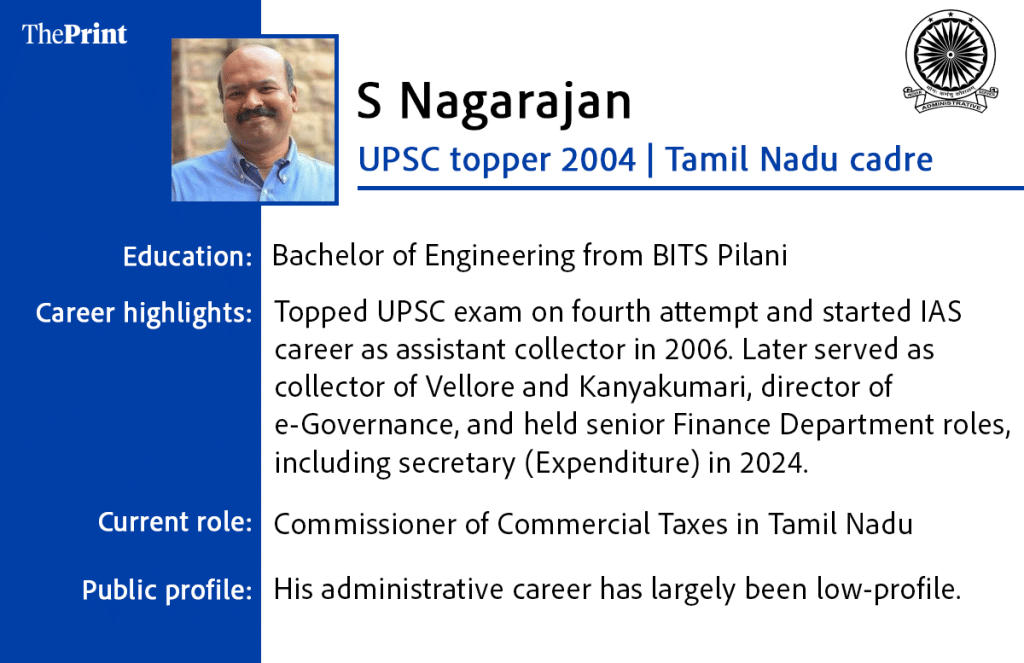
ThePrint reached out to Nagarajan via calls and texts, but did not receive a response.
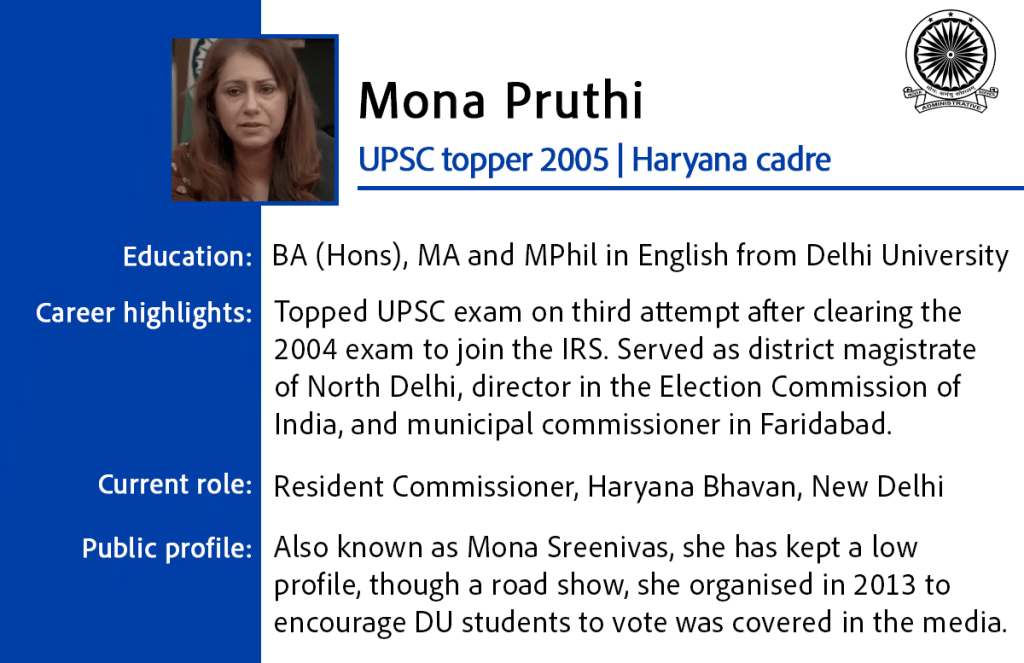
The world itself has changed a lot since 2006. Services have kept pace. In this world of instant and instantaneous consumption, people’s expectations demand immediate answers, immediate redressal. I believe there are four key words, the interplay of which determines how a public servant traverses this karmabhoomi: Niyam, discipline and adherence to rule of law; Niyat, or noble intention; Niyati, some outcomes may be predetermined and how one deals with them is a matter of mental strength and resilience; Nitya, set of obligatory duties which must be performed regularly, regardless of desire or circumstance
-Mona Pruthi
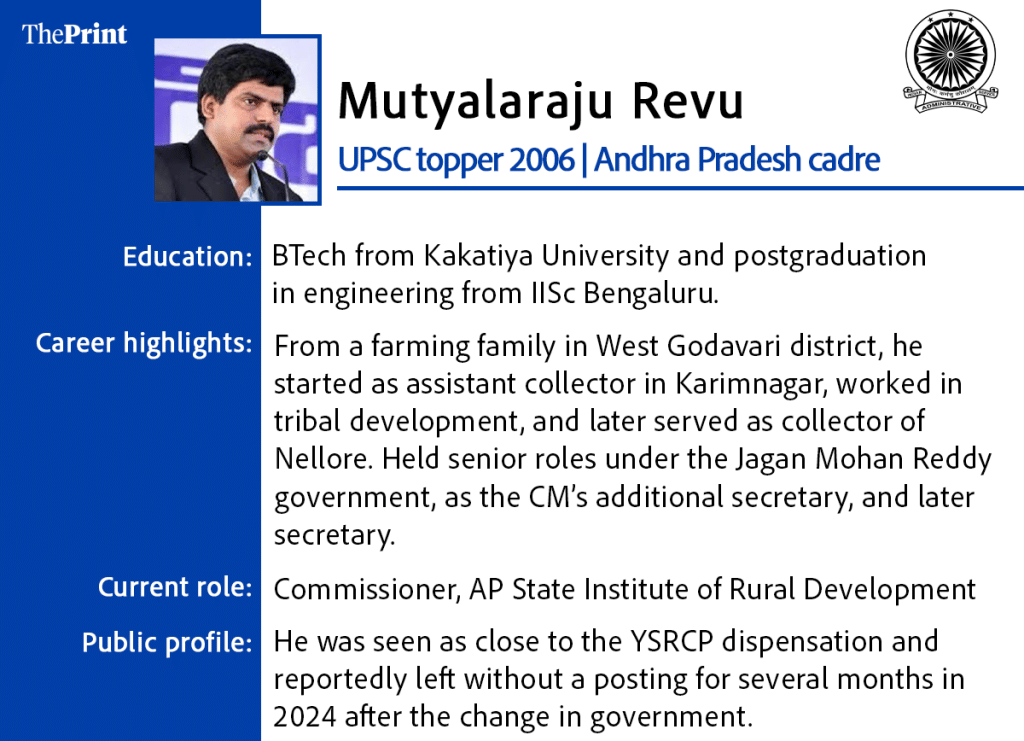
ThePrint reached out to Mutyalaraju Revu via email, but did not receive a response.
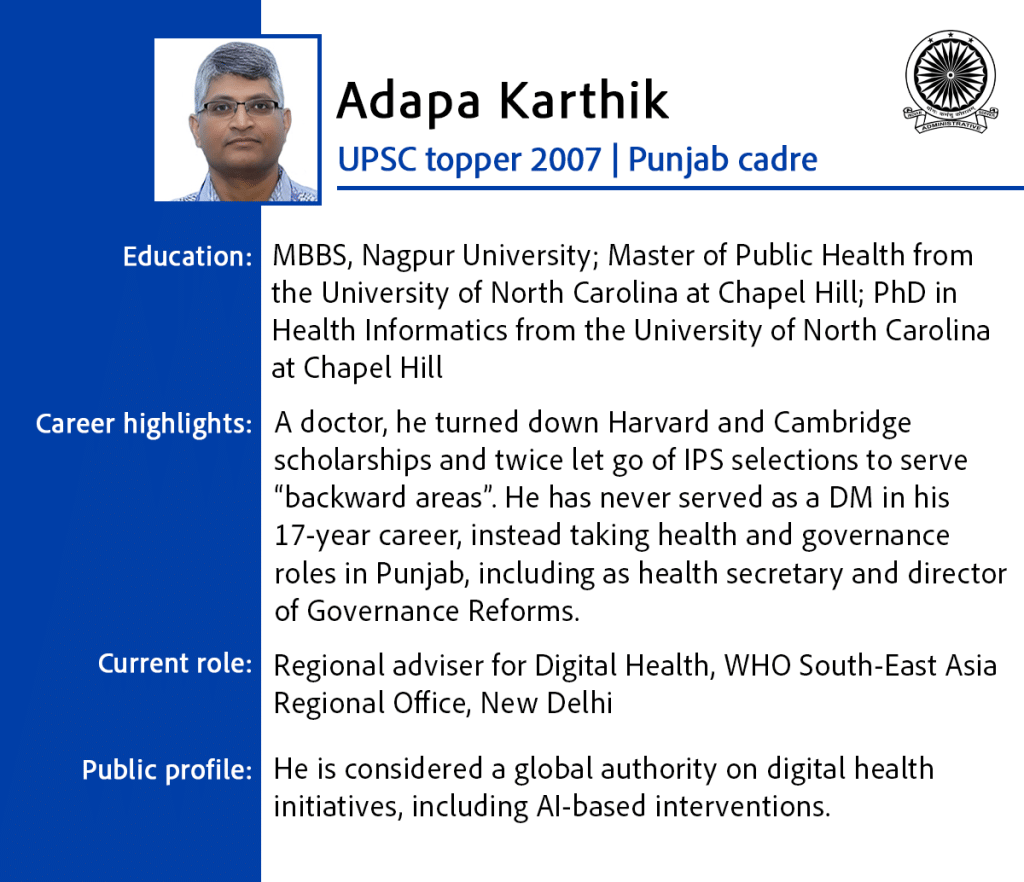
ThePrint reached out to Adapa Karthik via calls and texts, but did not receive a response.
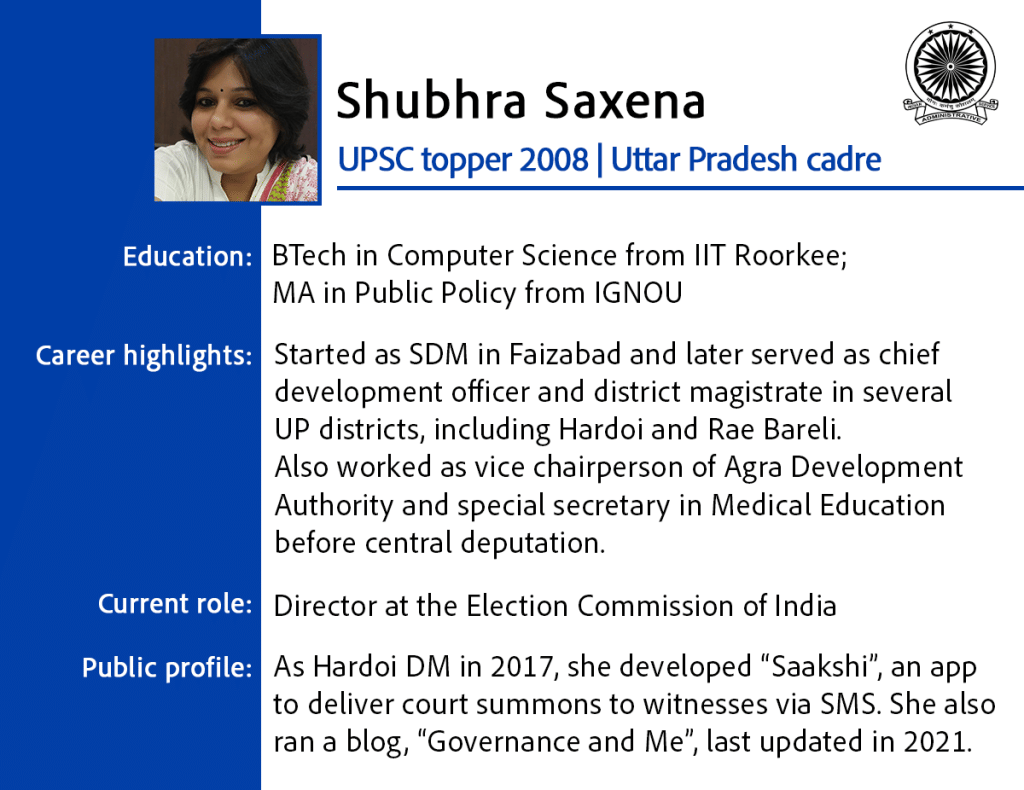
ThePrint contacted Shubhra Saxena by phone, but she declined to comment.
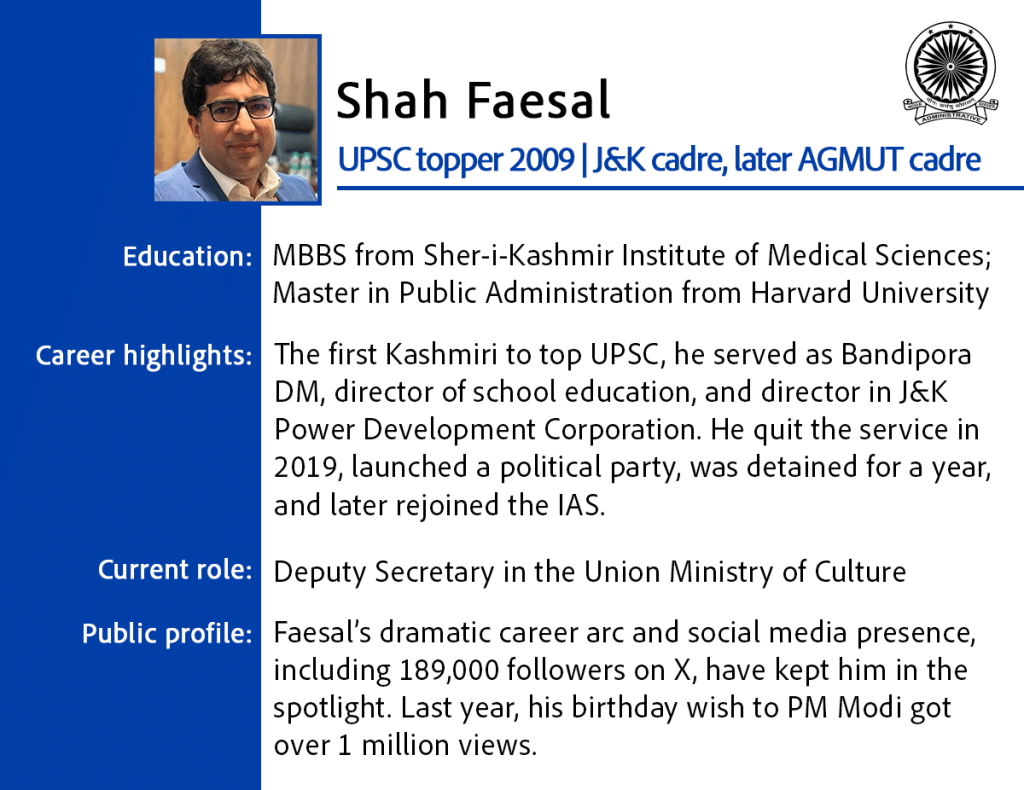
Service offers a truly unique opportunity to serve the nation in a meaningful and lasting way. In the long run, one’s rank in UPSC becomes just a memory. What matters is the quality of work and the lives we are able to touch
-Shah Faesal
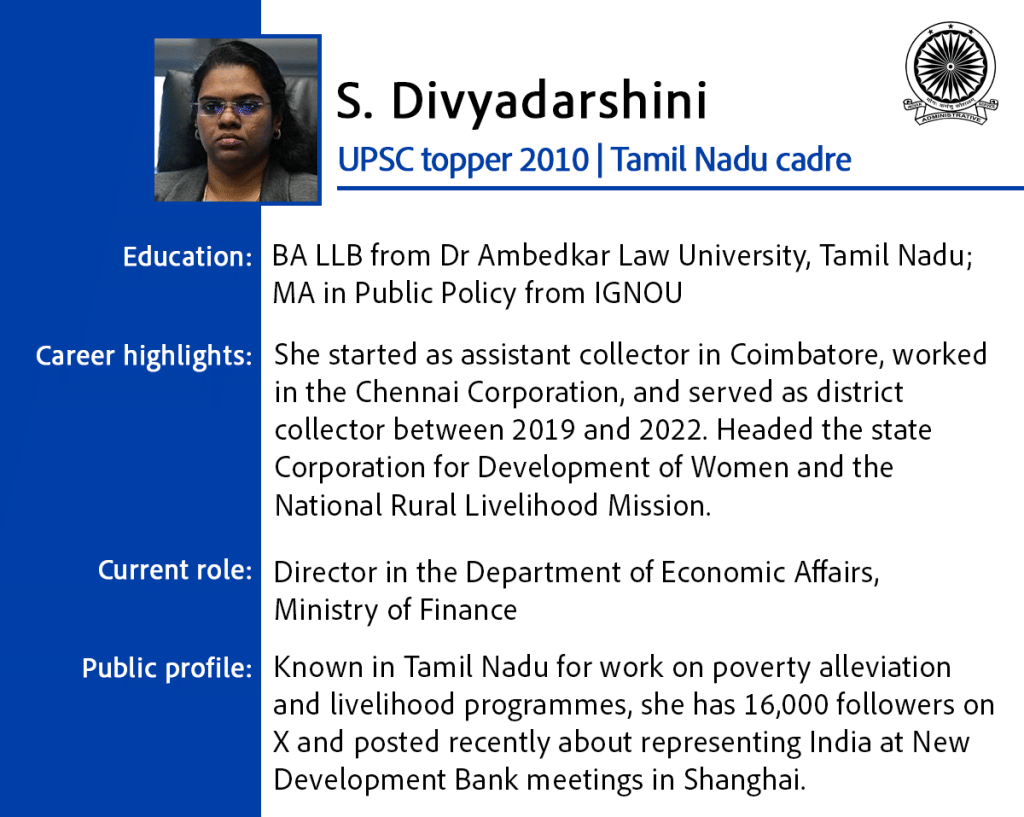
ThePrint reached out to S Divyadarshini via calls and texts, but did not receive a response.
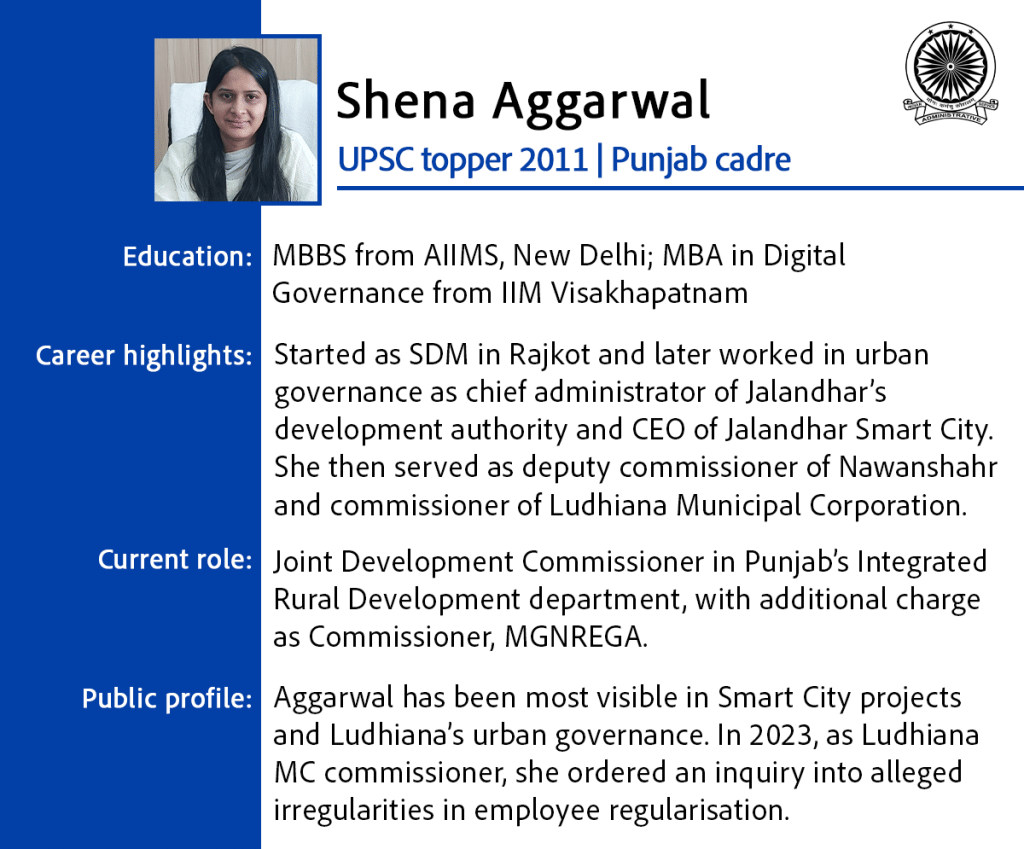
Public service gives you a lot of exposure and chance to make an impact. As civil servants, it is the biggest blessing to bring changes in people’s life for good
-Shena Aggarwal
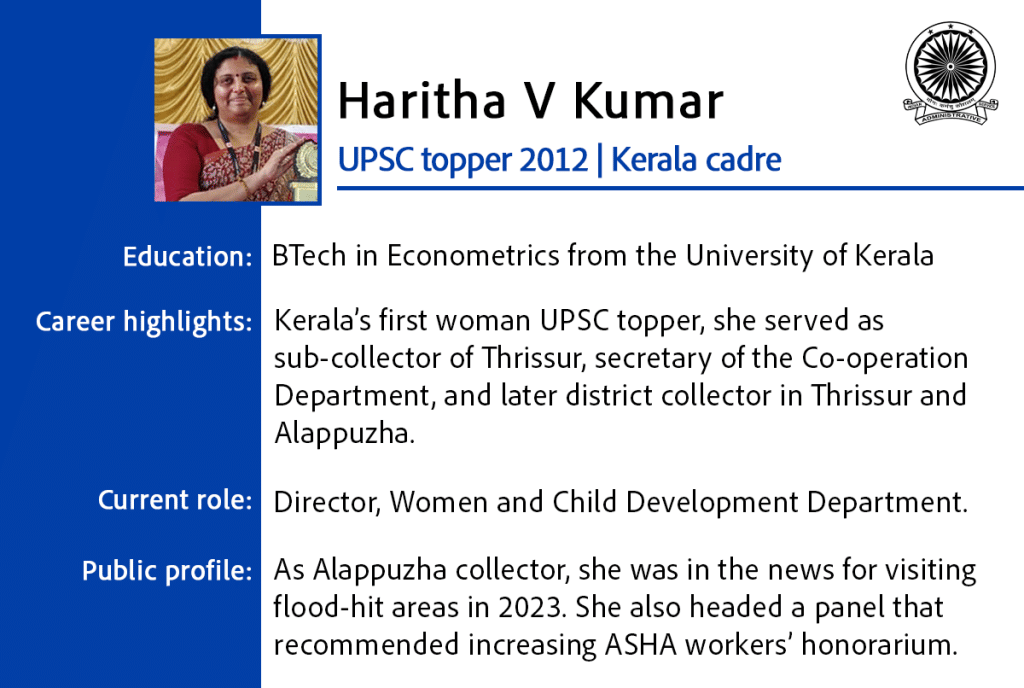
Haritha V Kumar declined to comment.
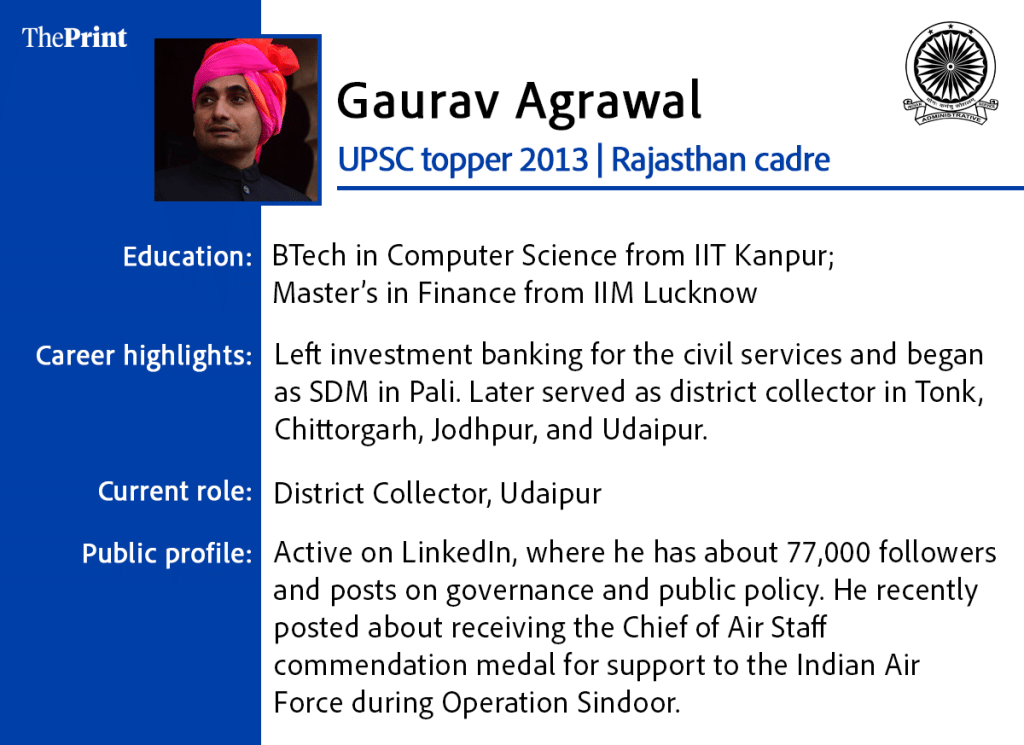
Topping an exam may bring recognition, but public service is about solving real problems—whether children are actually learning, and whether systems are improving-Gaurav Agrawal
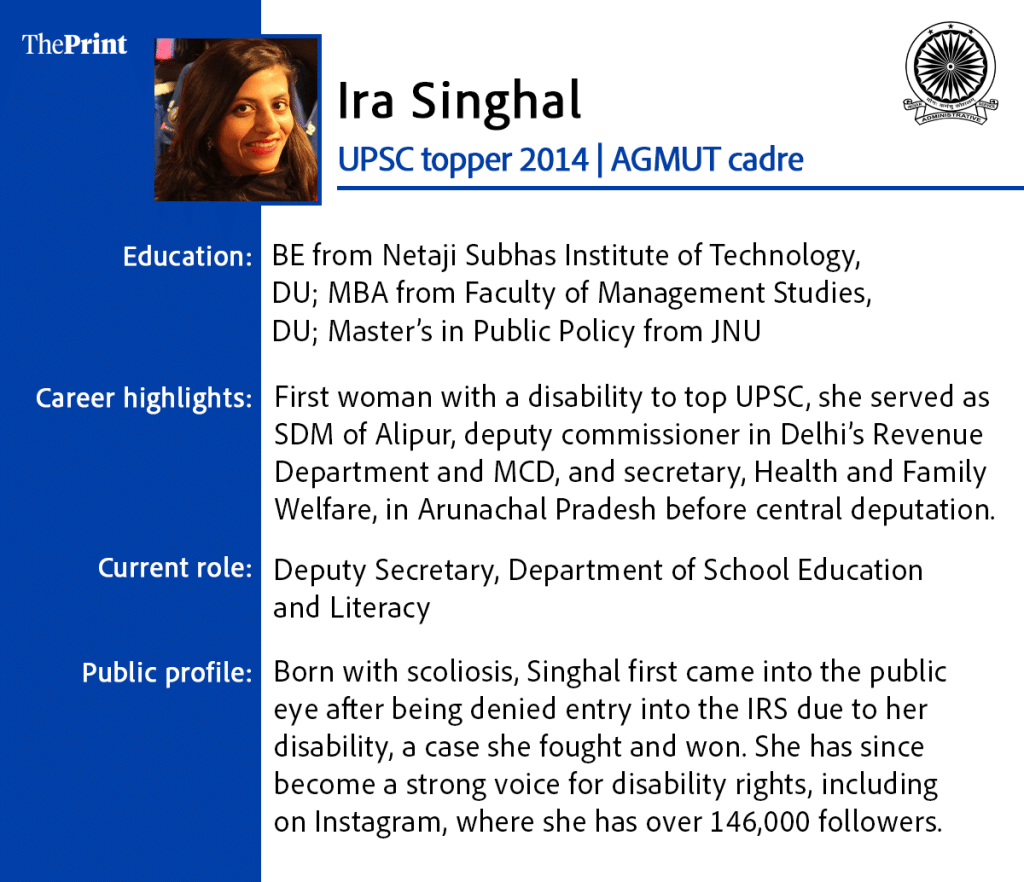
Topping an exam can open doors, but real success in public service is measured by how many barriers you remove for others, especially those who have long been excluded
-Ira Singhal
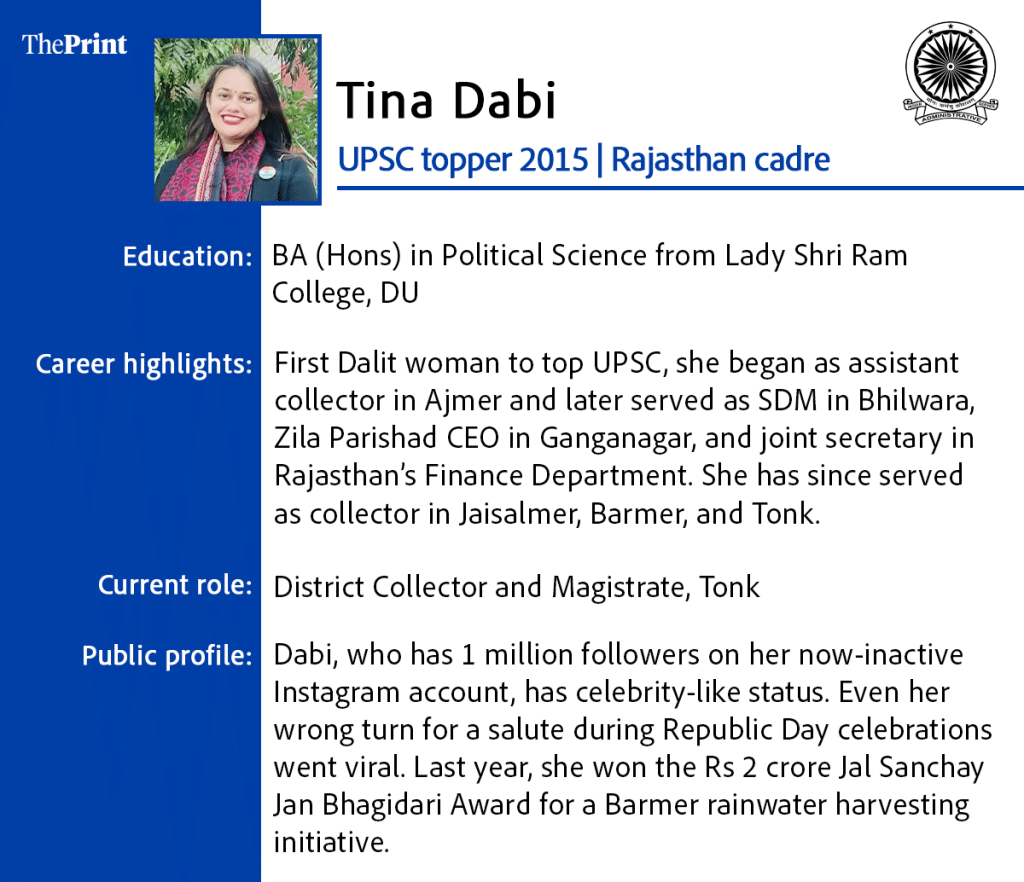
ThePrint contacted Tina Dabi for comment via phone and text but no response was received.
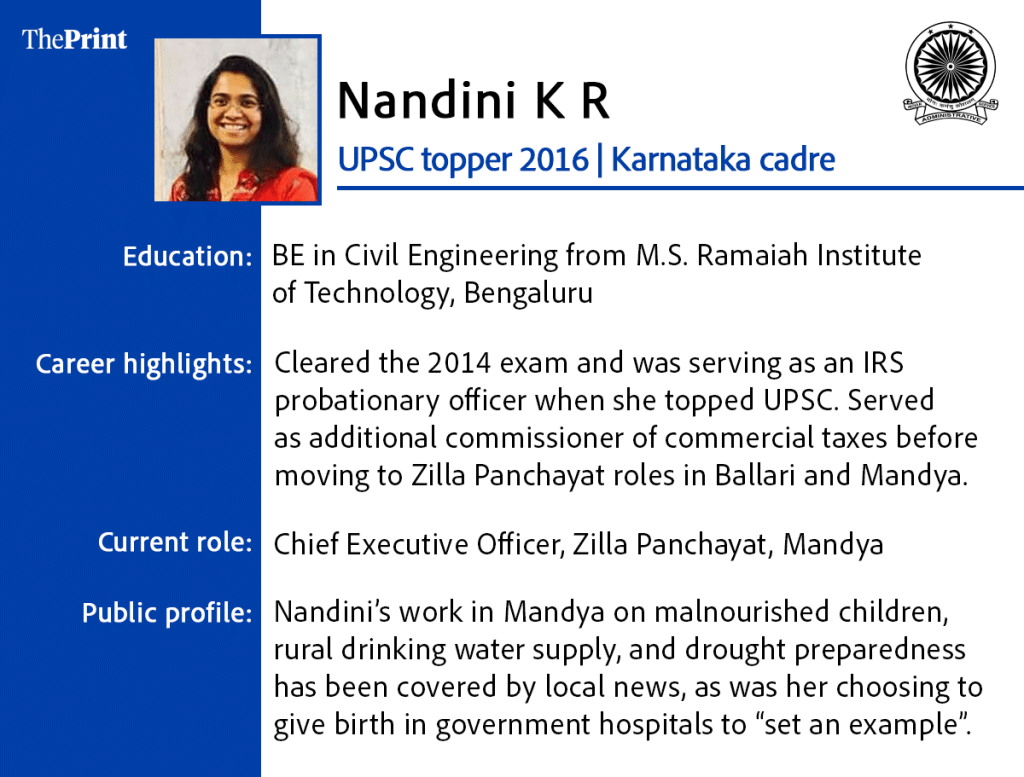
You top once in exam but on field you have to keep topping. Working in this field and delivering it to the public needs dedication. It doesn’t need only your merits. It needs compassion, attitude toward work, and a lot of other things
-Nandini KR
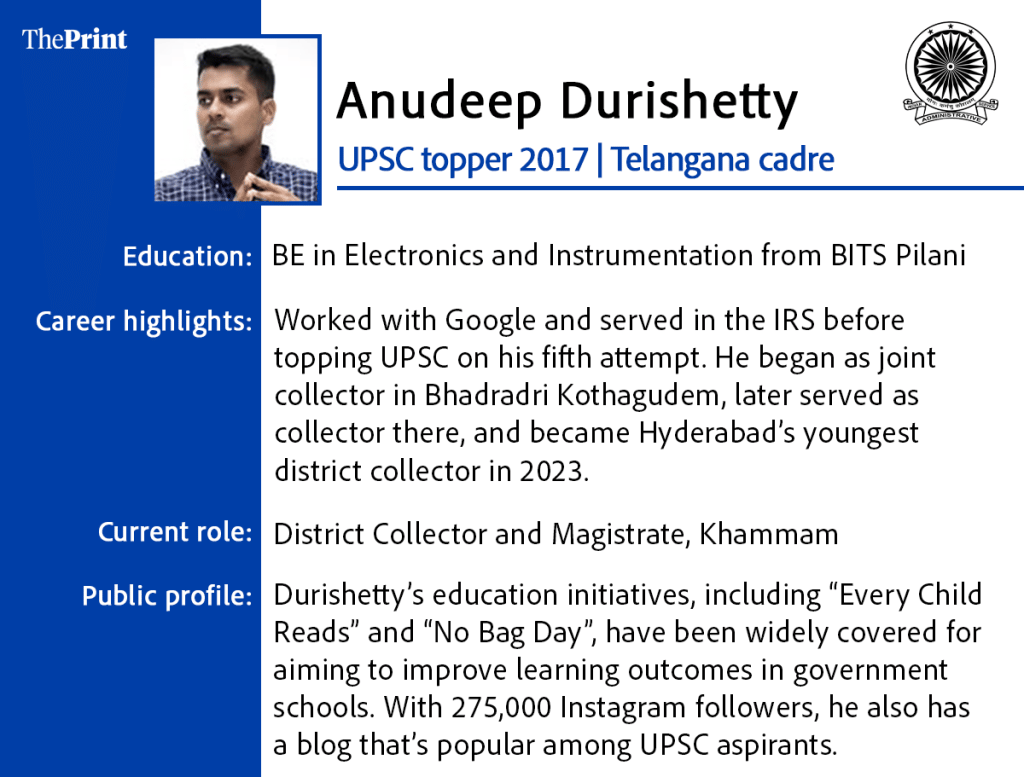
When I topped the exam, I had only a vague idea of what public service really meant. But after years in the field, I realised that clearing the exam is one thing—the real challenge, and the real fulfilment, lies in solving people’s problems and making a difference in their lives
-Anudeep Durishetty
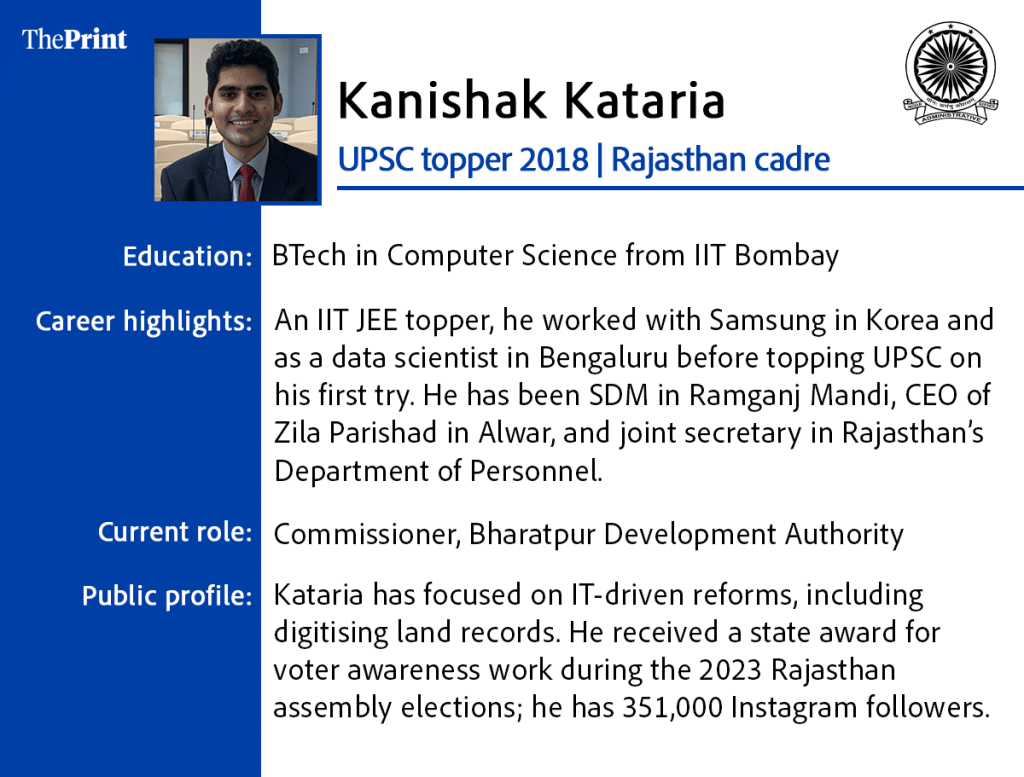
Topping the exam is just an event which happens once and after that no one remembers whether you topped or you were the last person who got selected. The main thing is entering the service and what small improvements you can make at your level
-Kanishak Kataria
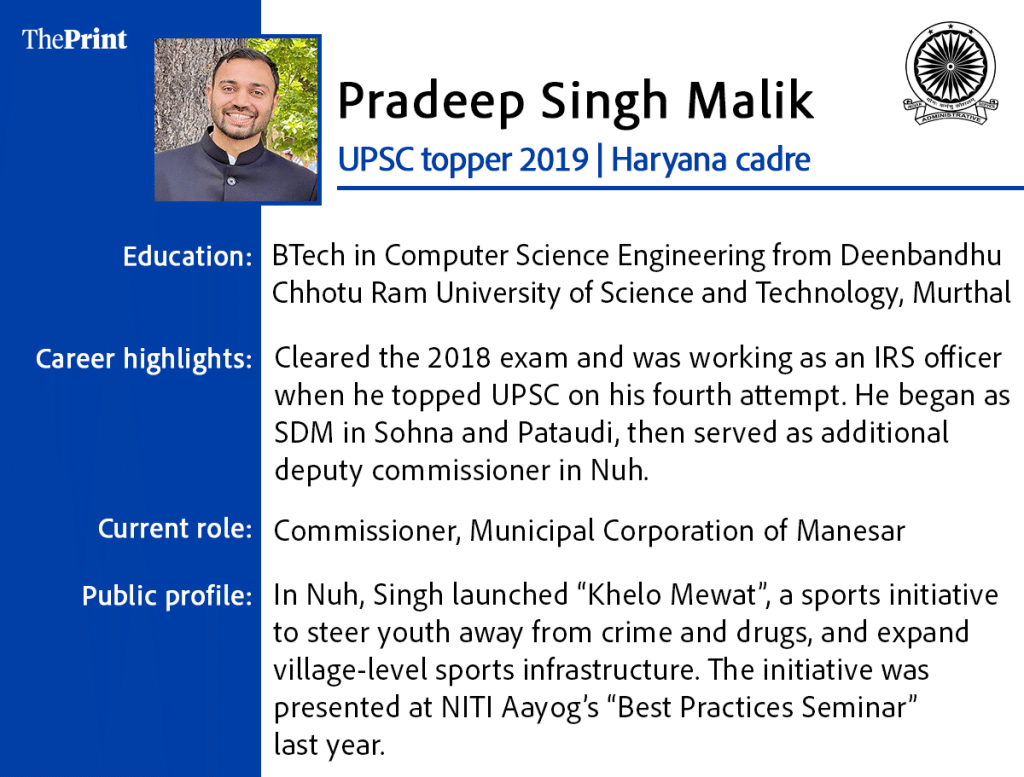
Topping the exam gives you recognition, but once you join the service, then you get to know the ground reality… if we provide a small thing, it has a bigger impact, because people don’t have basic things available
-Pradeep Singh Malik
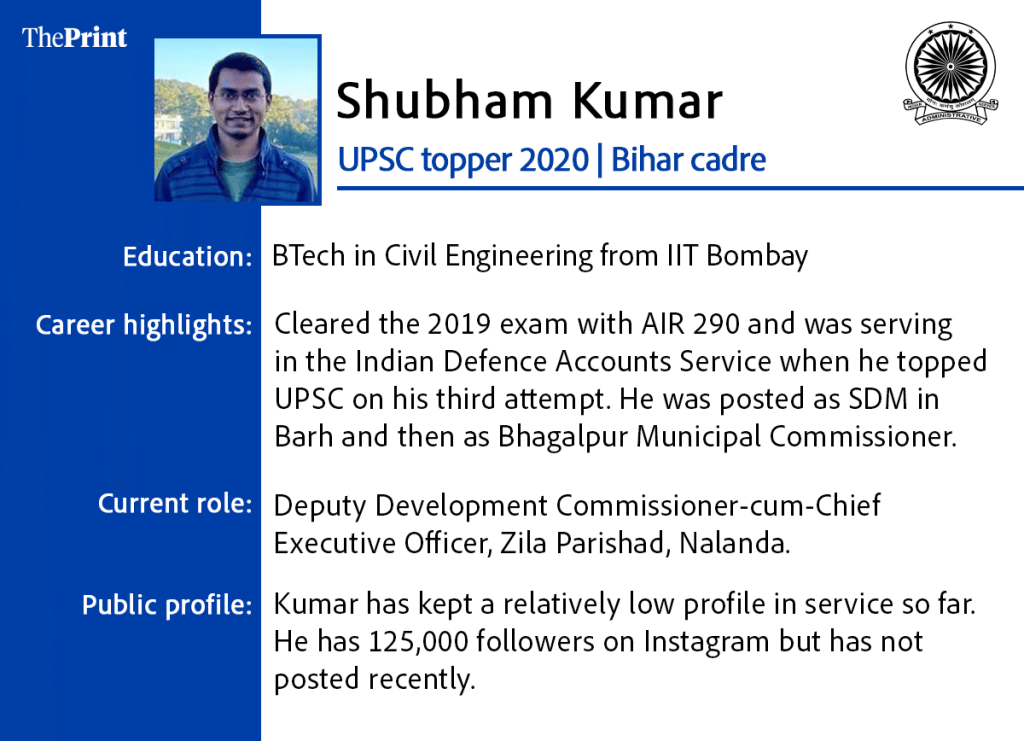
Public service involves constant interaction with government systems and people, and much of the real work happens in the background. Topping the exam brings recognition, but meaningful service is often quiet and unseen
-Shubham Kumar
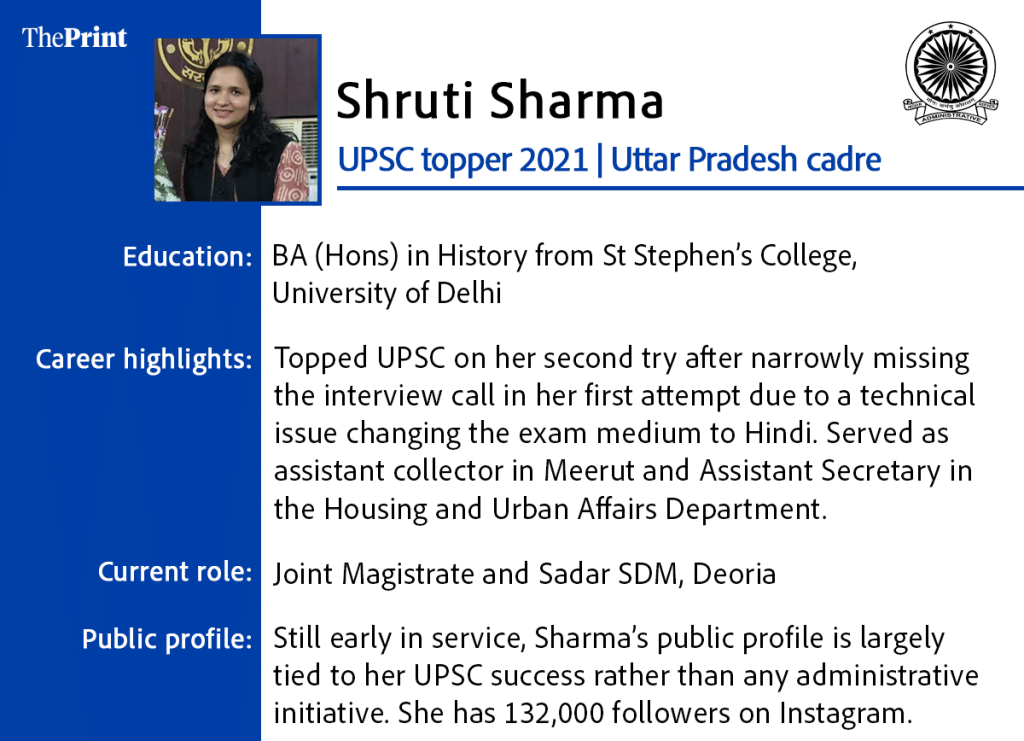
ThePrint spoke to Shruti Sharma, but she said she was too early in service to comment on her career.
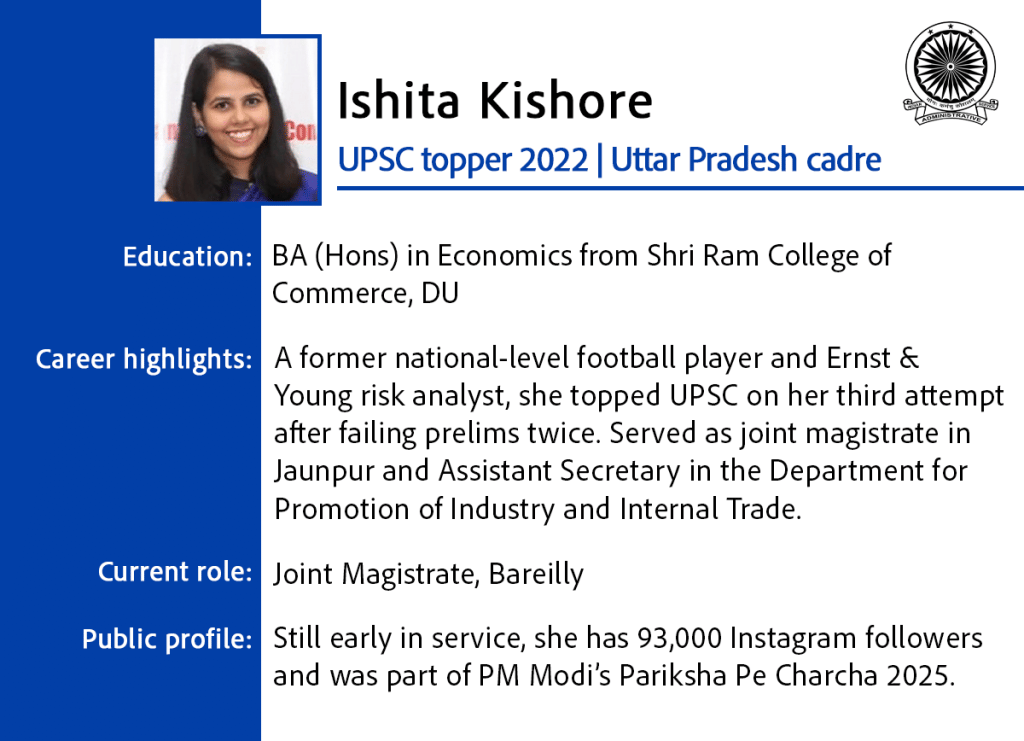
ThePrint reached out to Ishita Kishore via calls and text, but no response was received.
(Edited by Asavari Singh)