



Jammu: From a distance, it looked like a Friday-night bazaar.
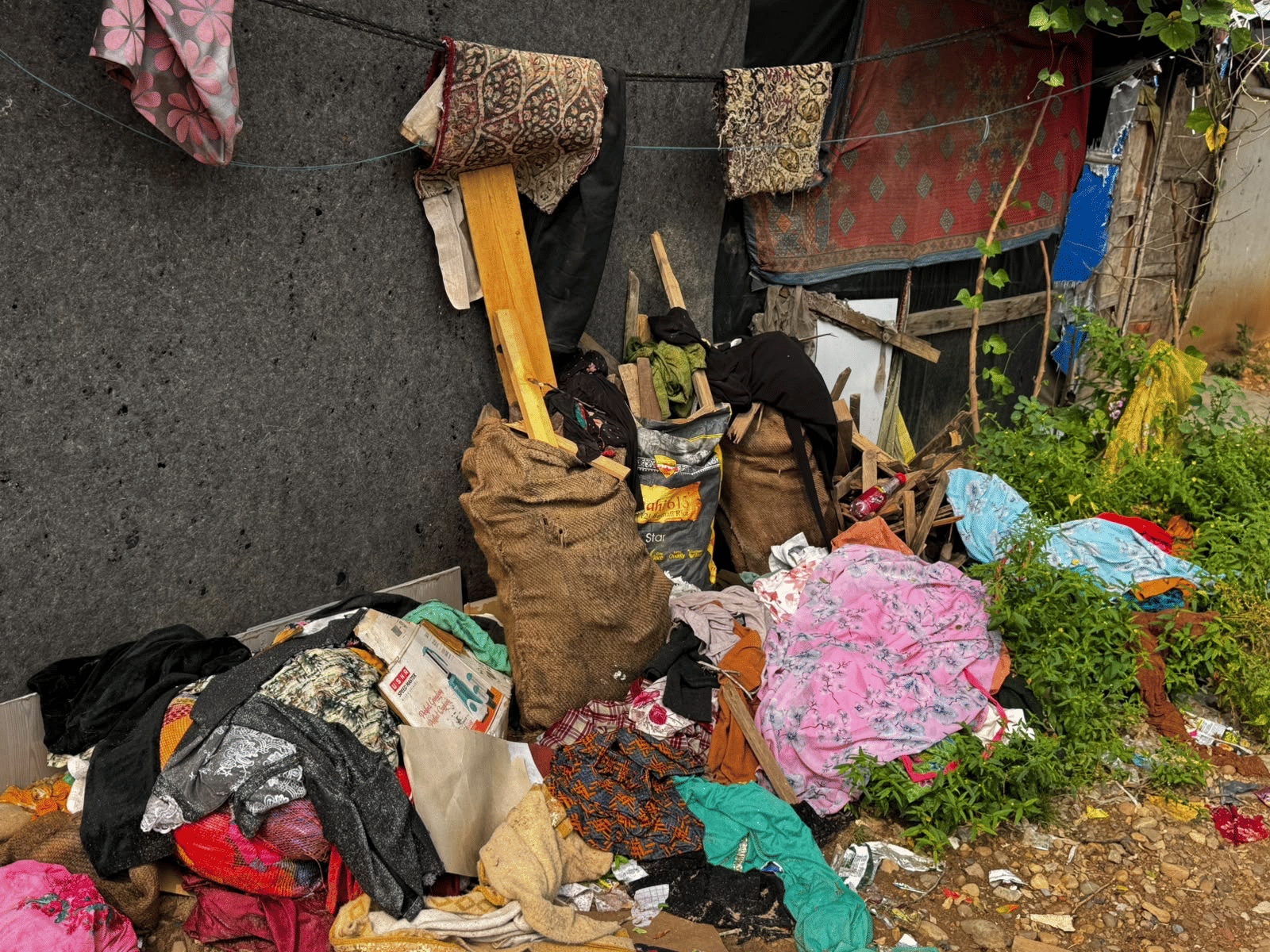
Men and women sifted through utensils, faded bedsheets, hand fans, wobbly chairs and a fridge. Except it was broad daylight, and these were the household belongings of Mohammad Ilyas, a Rohingya refugee, being picked through by kabadis for pennies.
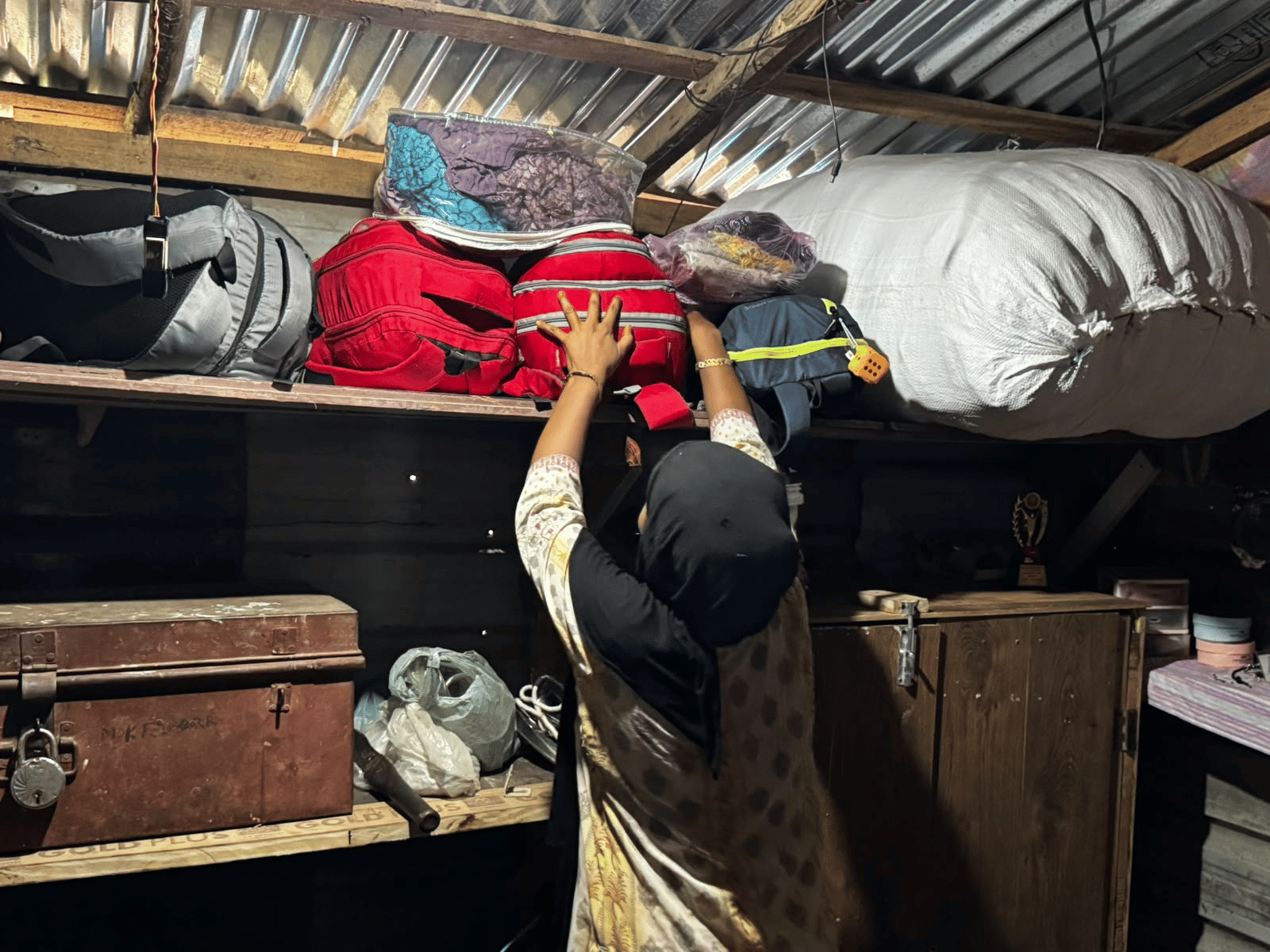
It was the day Ilyas had been forced to start emptying the jhuggi in Jammu’s Narwal, where he had lived since 2024. He had already sold off most of what he owned. What remained of his decade in Jammu was now packed into two suitcases and two bedsheets, knotted tightly to hold whatever he could carry.
“Two days ago, the owner of the plot asked me and the fellow refugees to empty our jhuggis and leave the area,” said Ilyas. “Since then, our jhuggis have been locked, and the owner keeps taking rounds to check that no one has returned.”
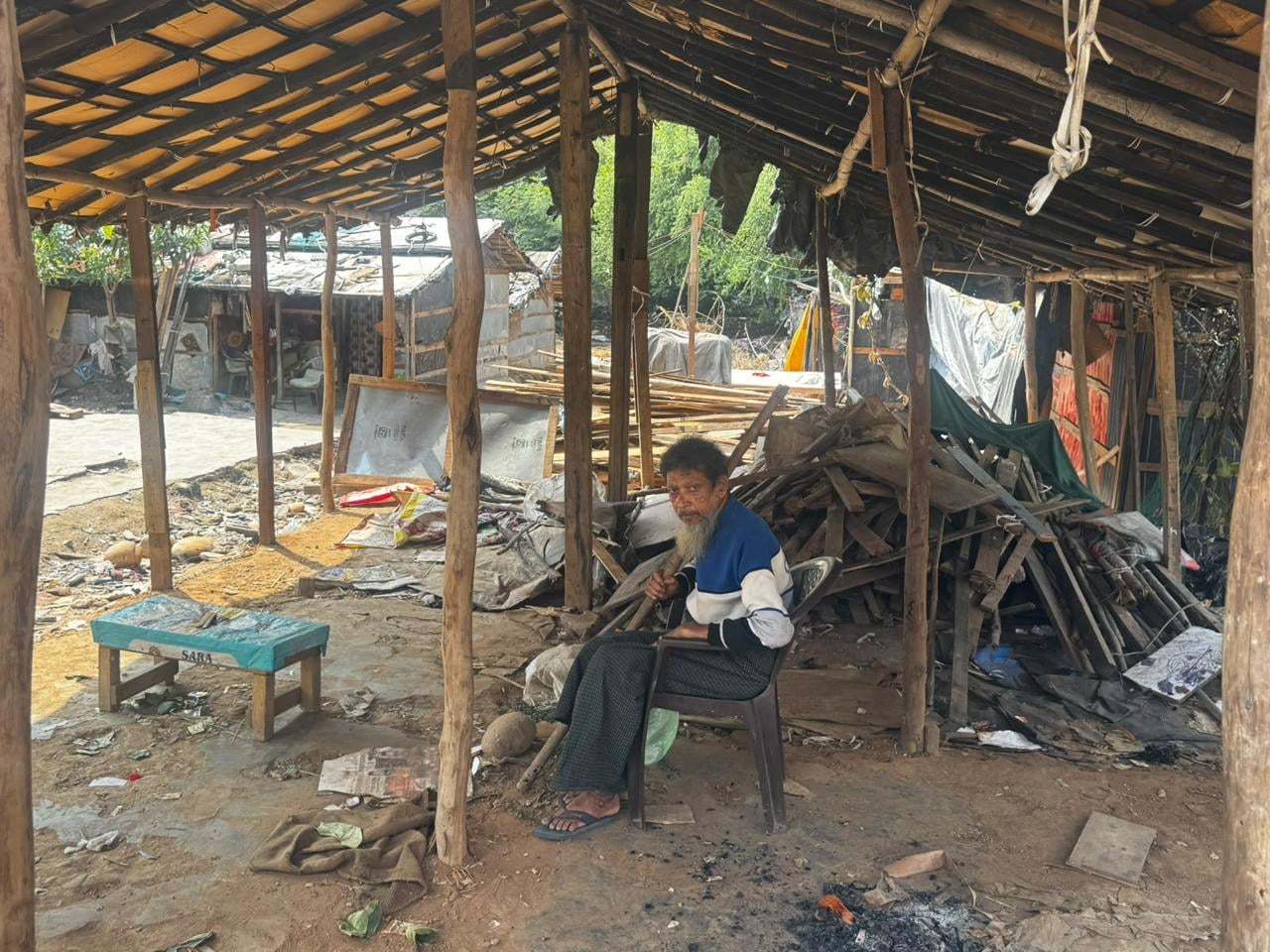
The Rohingya settlements in Karyani Talab, Narwal and Bathindi have fallen silent. Rows of shuttered jhuggis line the mud-choked bylanes, with clothes covered in mud, single slippers lying haphazardly by doorways and tin structures falling off the roofs. Several jhuggis have been stripped of their tin sheets, exposing the plywood structures underneath. The scattered belongings speak of an unexpected hurry.
The latest eviction drive came after the Union home ministry-constituted High-Level Committee on Demographic Changes (HLCDC) visited Jammu in August. The four-member committee, headed by retired Justice Prakash Prabhakar Navlekar, inspected the Rohingya settlement in Karyani Talab, popularly known as Burma Market. The committee was constituted in May to examine demographic changes arising from illegal immigration. Government data presented to the committee put the number of Rohingyas in Jammu and Kashmir at 7,656 — with 6,737 living across 10 districts in Jammu and 919 in the Kashmir Valley.
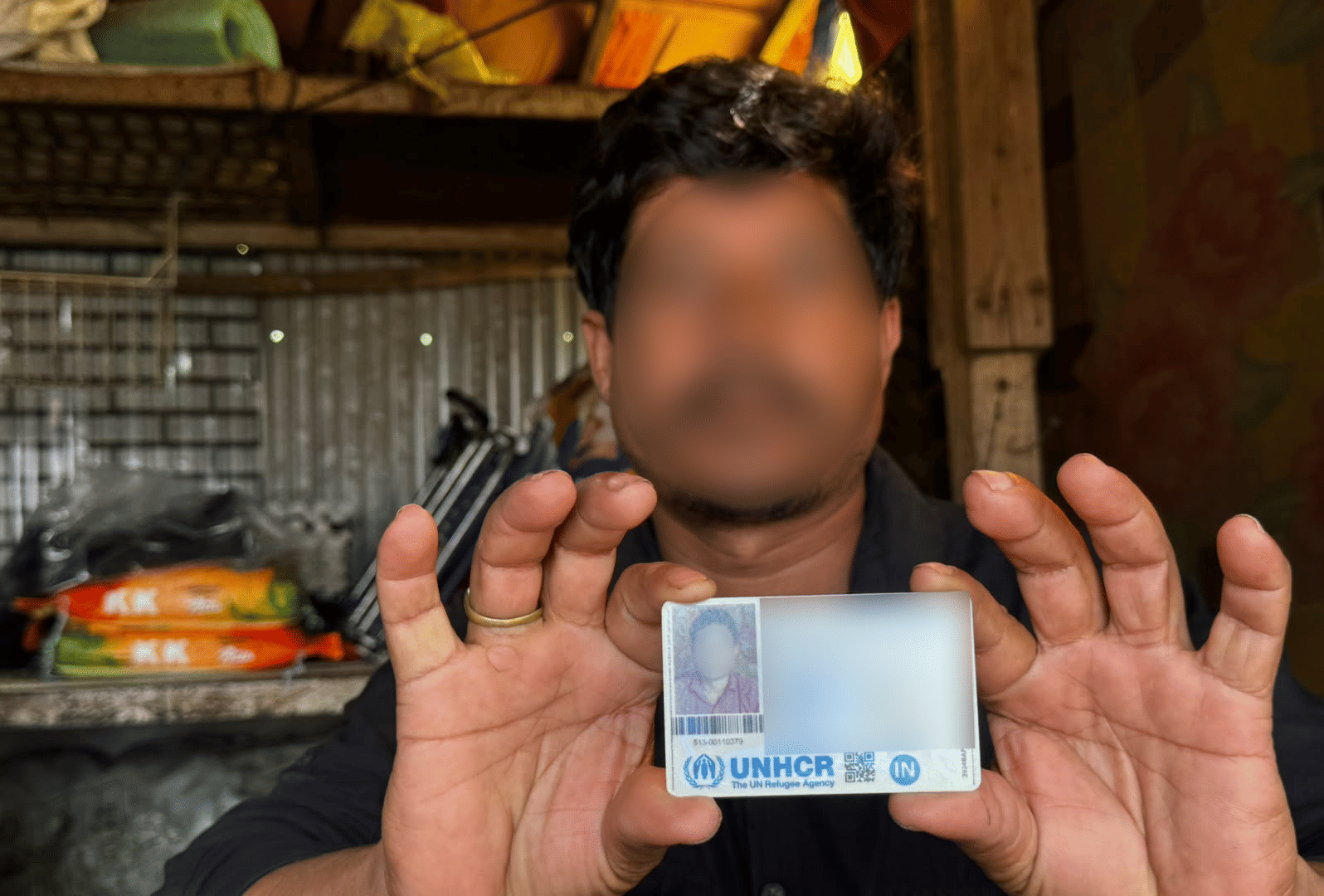
This was not the first time Rohingya refugees in Jammu were asked to leave by the administration. Since Rohingyas began settling in Jammu nearly two decades ago, they have been subjected to several police verification drives, summons for biometric authentication, and repeated raids on their settlements. Their UNHCR card, which they keep in their pockets at all times, offers little to no immunity. But this was the first time the pressure had extended beyond the refugees to the plot owners who rented them land.
Many plot owners, mostly Muslim residents, gave the refugees just a couple of days to leave their land.
Soon after the notices were served, the plot owners say they met the deputy commissioner, who asked them to evict the refugees as soon as possible or face consequences. And so the process began.
ThePrint reached out to DC Rakesh Minhas, but his office said that he was not available for comment. The copy will be updated as soon as we receive a comment.
While many jhuggis now stand shuttered, some owners have allowed a few families to remain after the refugees requested more time to vacate. More than a dozen Rohingyas, mostly women, squeeze into these remaining jhuggis at night. The men sleep by the roadside under the open sky, lingering around the homes they once lived in. At night, some spread out bedsheets on the ground beside the shuttered jhuggis.
During the day, they roam around Jammu looking for rented accommodation. But without Aadhaar cards, and because of their Rohingya identity, they are finding doors being shut in their faces.
In Jammu, the police have formed teams and activated their local sources to track the movement of the refugees and identify and detain those providing them accommodation. Some families had tried to put up tents in the open but were removed by police and administration.
For Rohingyas, who fled Myanmar to Bangladesh and then came to India, their journey has been one of flight and eviction. And now, they are preparing to leave Jammu too.
“Since we are not getting any place to stay, we are ready to leave Jammu. But we want the government to facilitate us,” said Salamatullah. “Had our Burma been safe, we would have returned. We have our farms, apple trees there. Who is happy leaving their country?”
The family hiding in a locked jhuggi
After days of roaming around Jammu with his pregnant wife and three children in search of accommodation, Mohammad Ilyas had no option but to plead with his plot owner to let them stay until his wife delivered the baby.
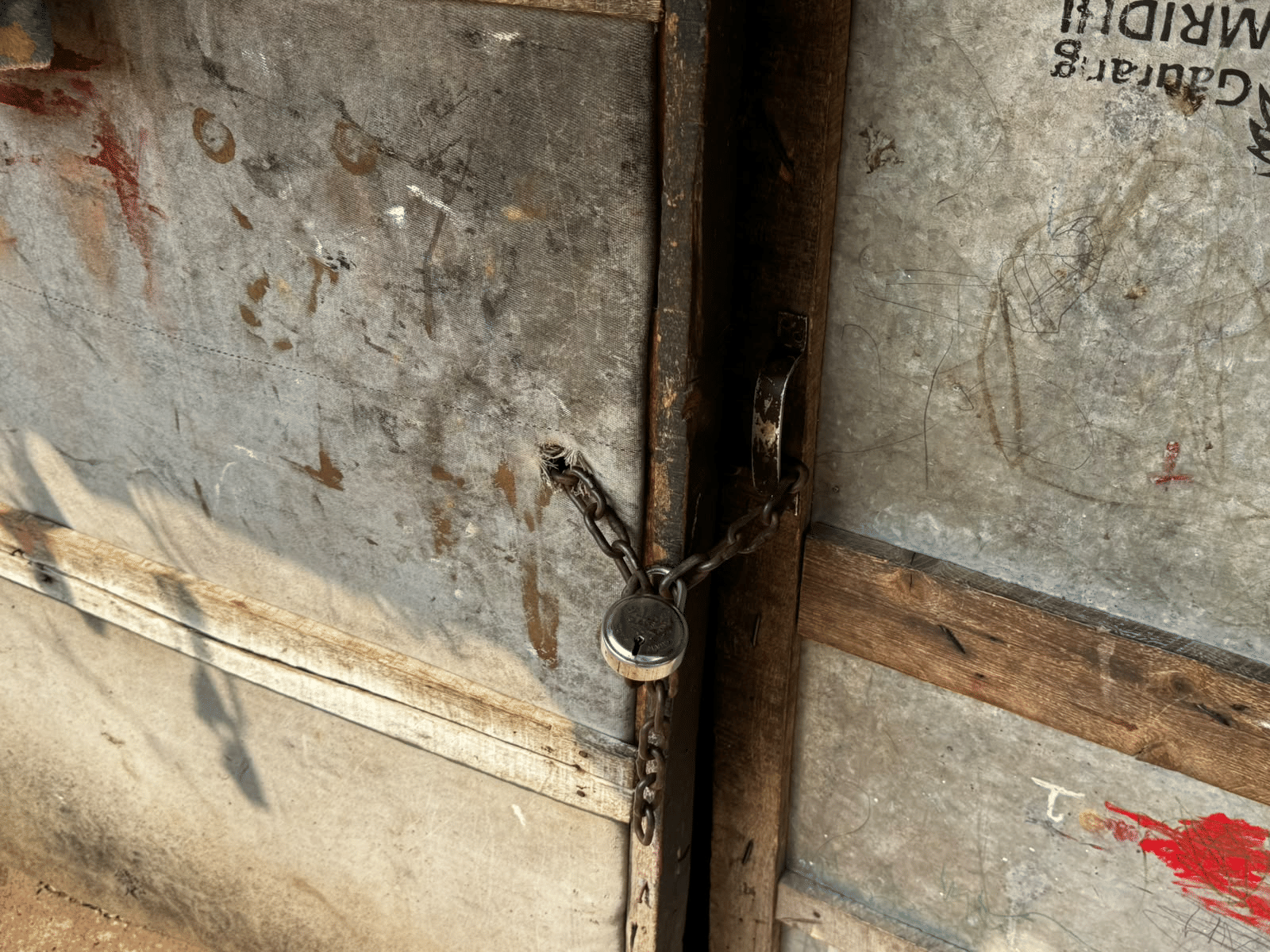
The owner agreed, but on a condition: Ilyas had to lock the jhuggi from outside whenever he left. Now, every morning, he leaves to look for work and accommodation, while his wife and children remain locked inside. This is how the family has been allowed to stay in one of the deserted jhuggis.
“The owner said that the DC and police can come anytime to check the jhuggis. By locking the door from outside, they won’t check. So, I lock them in through the day until I am back,” he said.
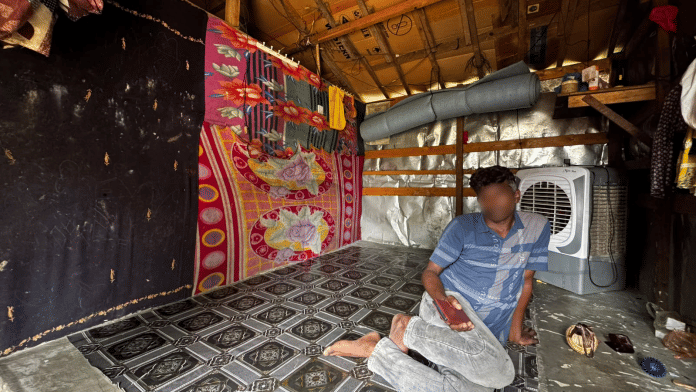
Inside his jhuggi, there is now little left. A cooler to keep his wife and children from the heat. In a corner, a few cans of water are neatly lined up. A cauldron in which his wife cooks and a handful of plates. Everything else has been sold off.
Ilyas married Arifa Begum in 2013. Back then, the couple lived in a jhuggi in Bathindi. According to Ilyas, their jhuggi was lit up with fairy lights and flowers. A big cauldron of biryani was being cooked by the elderly women living in the settlement. Young boys and men wore their best kurtas, while women covered their heads with shimmery veils. Everyone in the settlement had contributed to make the wedding happen. The hard days of Burma appeared far behind.
“That day I felt that life can be good too,” Ilyas recalled. Within two years of their marriage, Arifa gave birth to two daughters, both with mental health problems. Then came another daughter. And now, she is pregnant again.
“When he is out during the day. I rest in the room and take care of the kids. It feels like a jail,” said Arifa.
Ilyas fixed electricity poles and wires and did electrical work at people’s homes. He had no formal training but had picked up skills on the job. Until one day, he fell from the third floor and broke his leg.
Since then, he has made a living as a kabadi, walking through the roads of Jammu, picking up bottles and plastic, rummaging through dustbins and selling whatever he can find.
On an average day, he earns Rs 300-400. And when he is lucky, it can go up to Rs 700-800. On those days, he buys gosht for his wife and children.
Then, in 2024, the two brothers who owned the plot got into a dispute and divided the land between themselves. The family was asked to leave. Ilyas, along with other refugees, moved to Narwal. A jhuggi in Narwal cost him Rs 2,000 per month.
But since he was asked to leave the accommodation, Ilyas, who had prayed hard for a boy this time, has stopped his regular kabadi work. Instead, he is spending his days requesting Muslim residents for accommodation and secretly opening the lock and checking on his wife.
“No one knows my wife and children live here. Not even my relatives. They would feel jealous and insist on joining us. So, I have to be careful,” he says, walking towards the jhuggi with cautious steps. The plot owner roams around with a wooden stick.
“She should deliver in a week,” he says, as the owner looks at him with questioning eyes. “We will leave after that.”
The journey back to Bangladesh
Mohammad Alam had packed their bags, got his two children ready and was waiting with his wife for an auto-rickshaw to take them to the railway station. The plan was to reach West Bengal and cross into Bangladesh in the next few days.
But before they could leave, the middleman called. The price for crossing the border had gone up. The middleman was now asking for Rs 20,000 per person instead of the Rs 10,000 they had agreed on.
For a family of five, the new price of Rs 20,000 a head meant Rs 1 lakh in all.
“I was short of Rs 50,000. Where could I get so much money from?” Alam said. The journey stopped before it had begun.
Alam returned to the stripped jhuggi they had been evicted from.
When he came to Jammu a decade ago, the cost of crossing the border was Rs 5,000, he said. “We were told that India is a big country, with a diverse population, and that it would accommodate us,” Alam said.
Now, with doors closing around him and pressure mounting on Rohingyas in India, Alam wants to return to Bangladesh. To facilitate his journey back to Bangladesh, Alam sold off his wife’s wedding jewellery. It fetched him Rs 30,000.
His brother’s family lives in a camp there and they have sold him the dreams of free ration and a shelter.
“At least we will have something to eat and a camp to live in,” Alam said, his children gathered around him.
Bangladesh hosts about 1.2 million Rohingya refugees. UNHCR data for 30 June 2026 put the number at 1,200,171, including 1,166,352 in Cox’s Bazar and 33,819 in Bhasan Char. The camps continue to depend heavily on humanitarian assistance.
Since the Jammu and Kashmir administration started serving notices to the plot owners last month, who in turn asked Rohingyas to vacate the jhuggis, over a dozen families have left Jammu for Bangladesh, the refugees said.
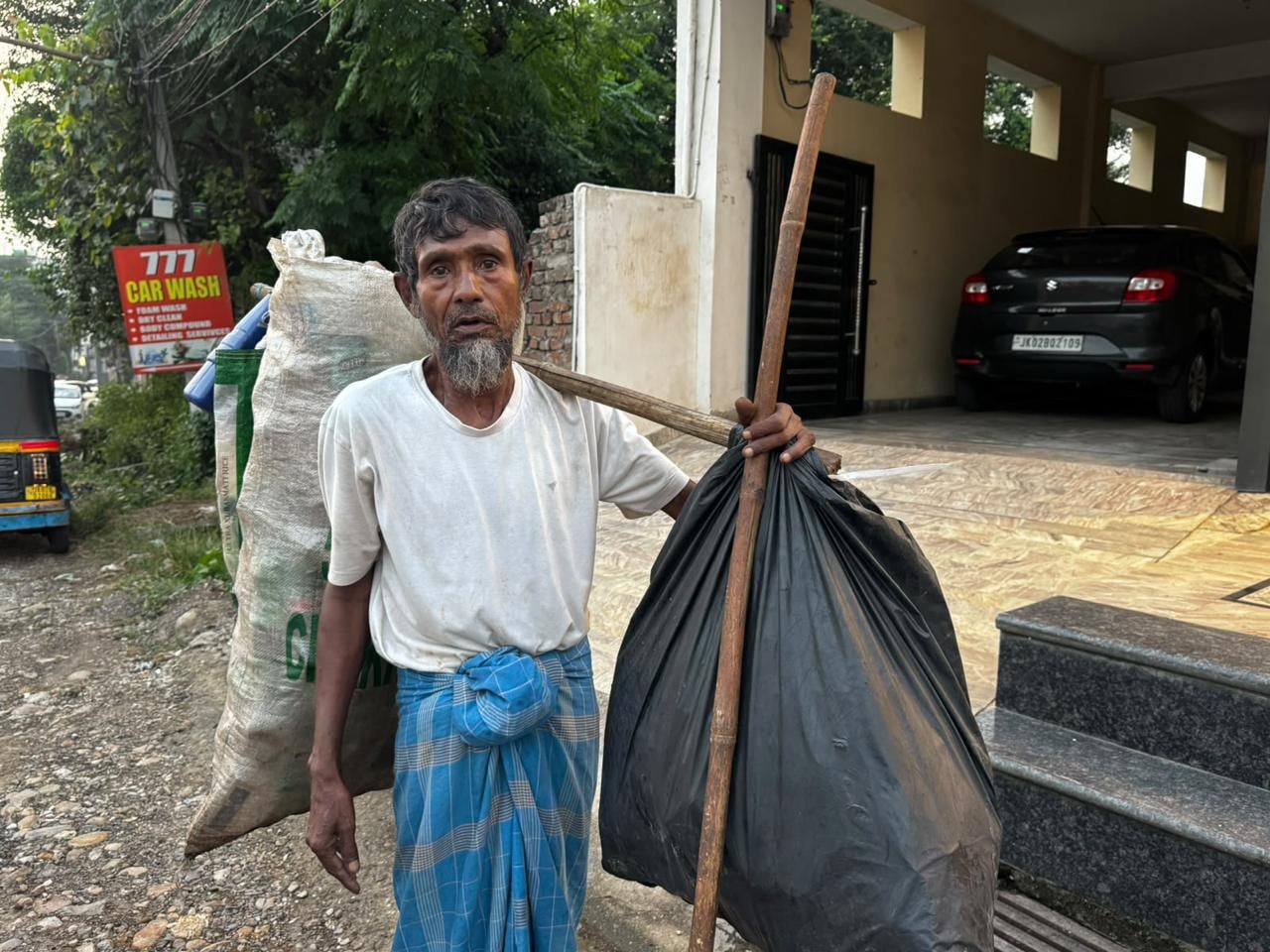
The Rohingyas have gone back to the same middlemen who had helped them cross into India years ago. These were the men who first brought them across the Bangladesh border into West Bengal, from where the families eventually dispersed to different parts of India.
But the route back now comes at a higher price.
“The price for crossing the border has gone up. Those who can afford Rs 20,000 per head have left for Bangladesh. Around 10-12 families, accounting for about 60 people, have left,” said Mohammad Ilyas.
Not everyone can afford the cost of crossing back. Those who are left move from one Muslim or Dalit slum colony to another.
But taking in a Rohingya comes at a cost for the residents of Jammu.
Very often, Rohingya refugees living in Jammu are asked the same question: Why don’t they go to Kashmir?
Alam, a daily wager, hears it from different employers, whenever he finds some work. His answer is always the same.
“Kashmir is a border area. After running away from one conflict, we don’t want to be part of another,” he says.
When shelter becomes a risk
At 6.30 pm on Friday, there was a knock on Khadim Hussain’s door. Two Rohingya women stood outside, looking for a place to stay. A day later, Hussain was picked by the police for giving them shelter.
“At the police station, I was questioned on why I gave accommodation to two Rohingya refugees. They kept interrogating me for five hours before I was allowed to leave,” said Hussain.
An FIR was filed against Hussain at Narwal police station under Section 223 of the Bharatiya Nyaya Sanhita, which deals with disobedience of an order duly promulgated by a public servant.
“We got a tip that Khadim Hussain has given shelter to Rohingyas, which is not allowed in Jammu. The landlord has to get the police verification of the tenant done before letting them in and for that Aadhar card is mandatory, which Rohingyas don’t have,” said SHO Sunil Kumar.
By the next morning, news that Khadim Hussain had been picked up by the police had travelled through the narrow bylanes of Rajiv Colony, where Dalit, Muslim and Sikh families live alongside one another. Soon, residents who had opened their homes to Rohingya families started asking them to leave.
Harwinder Kaur, president of the colony, said Rajiv Colony is home to mostly low-income families.
“When residents have a spare room and someone comes looking for accommodation, they do not necessarily think in terms of Rohingya or non-Rohingya. They think of the Rs 2,000 they could earn in rent each month,” she said.
On Saturday, Mohammad Areeb, who had finally found a place to stay after being evicted from his jhuggi a fortnight ago, was asked to leave again. He was shelterless once more.
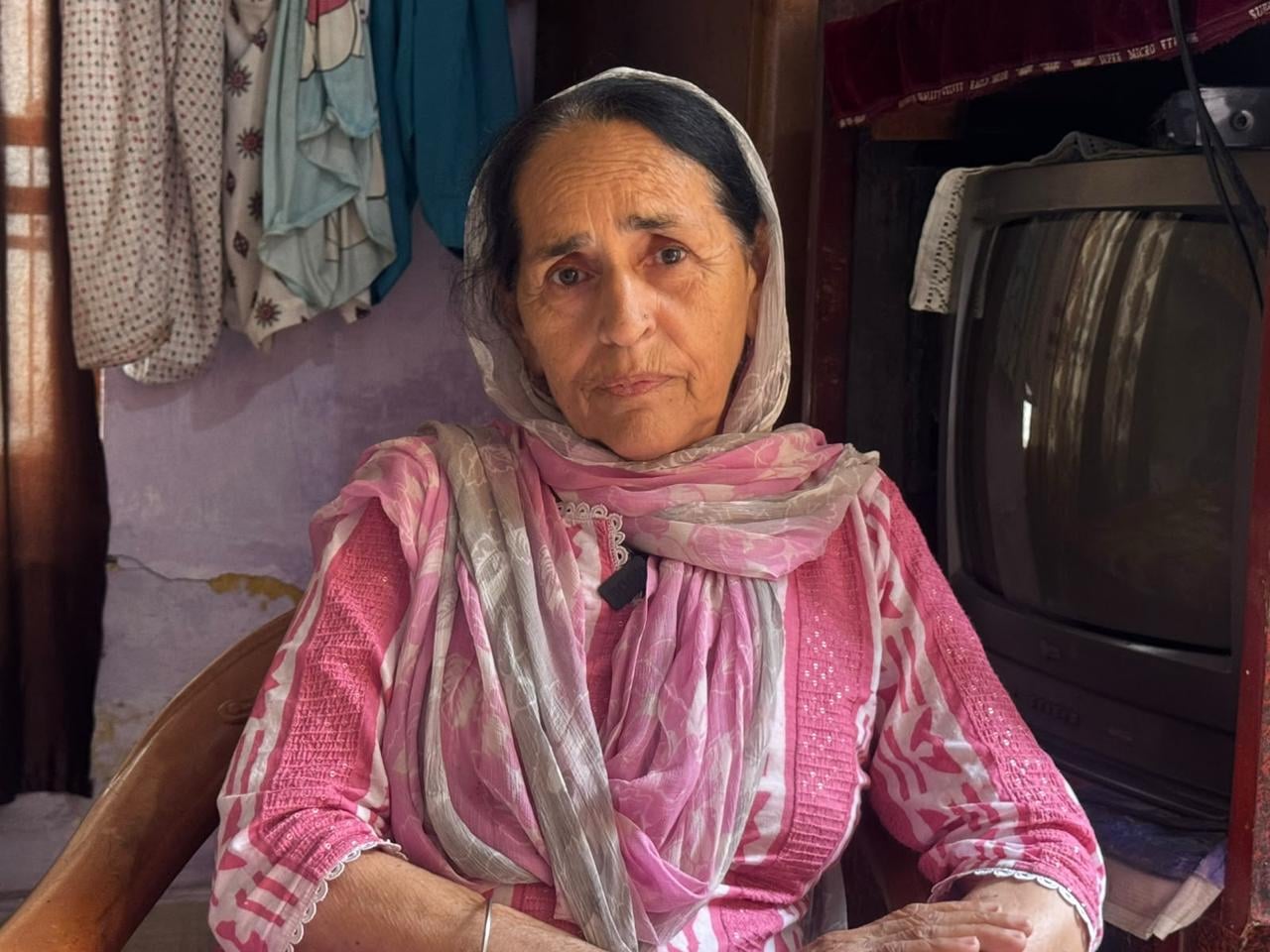
“But what can I do? What if the police pick me up? I am old and can’t survive the lockup,” said the 65-year-old woman who had rented out the room to him.
In Rajiv Colony, no one had been served a notice. It was the fear of the police that prompted residents to ask the Rohingyas to leave.
“We have strict orders to keep an eye on the movement of Rohingyas. Anyone who is giving them accommodation will be questioned and detained,” said a senior police officer, speaking on the condition of anonymity. “We have been told, ‘We want our Jammu to be clean of Rohingyas. They can go to Punjab or wherever they want. But not Jammu’.”
India is not a signatory to the 1951 Refugee Convention. In April 2021, while hearing a plea concerning Rohingyas detained in Jammu, the Supreme Court said the Rohingyas covered by that case could not be deported unless the procedure prescribed for deportation was followed. The court also noted that Articles 14 and 21 apply to non-citizens.
The landlords left behind
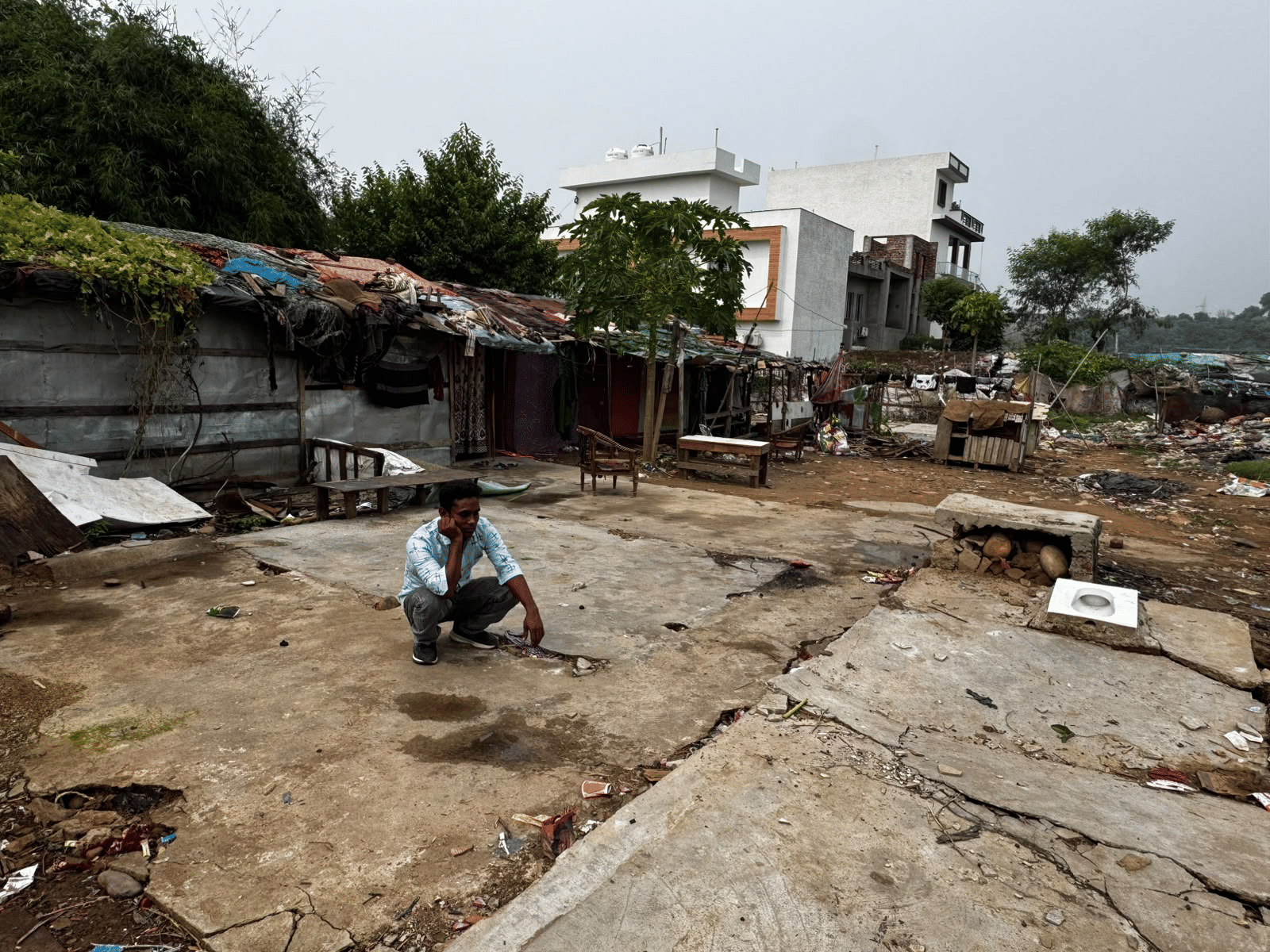
Meanwhile, Rasheeda keeps visiting the plot at least five times a day, the place that was once home to Rohingya families. The 20 families living on her plot paid her Rs 1,500 each in monthly rent. That amounted to Rs 30,000 a month.
Now, the doors of the jhuggis stand locked with iron chains. A few stand broken. Others have been stripped of their tin sheets and facades, while some are barely standing. They are the remnants of the lives that once filled this plot.
“It broke my heart when I asked these poor people to leave the jhuggis. But what can I do? We received a notice and quickly acted on it,” Rasheeda said. “Financially, the rental income didn’t change things much for my family, but it gave me peace that I am helping a person in need.”
Now, the plot is empty. The muddy floors still bear traces of the families who lived here: shoes, clothes and a few belongings left behind.
Only Ilyas’s jhuggi, tucked deep inside the settlement, still seems alive. As evening draws near, he switches off the light, careful not to draw attention. Inside, the family has dinner in the faint light of the mobile phone.
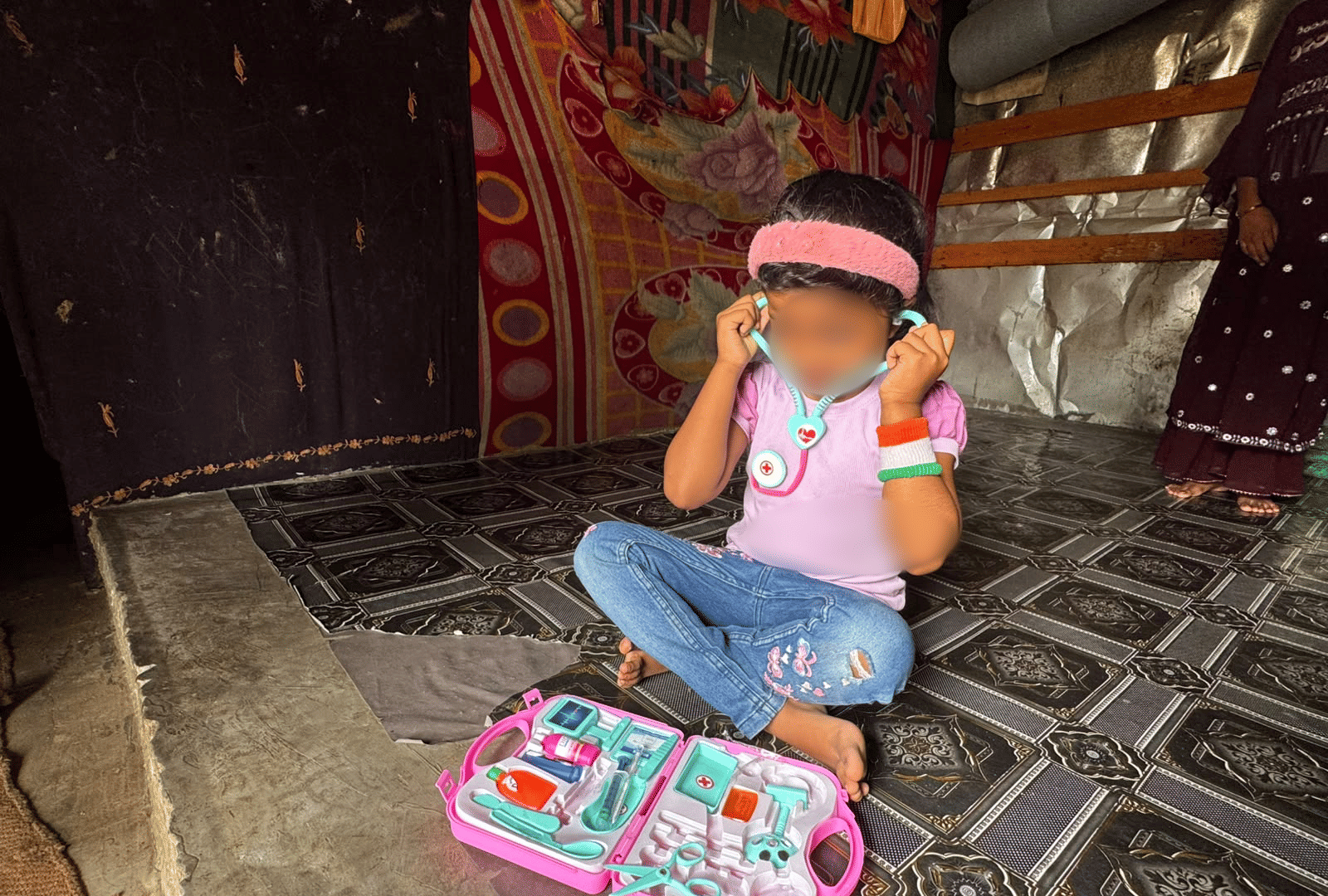
For the children, life outside the jhuggi continues. His youngest daughter attends the nearby government school and dreams of becoming a doctor. Last year, Ilyas bought her a doctor’s playset. Now, she goes around examining everyone, giving them injections with a toy syringe. An Indian flag wristband is tied around her wrist.
“She attended the Independence Day celebrations last month at school. She remembers Jana Gana Mana and Vande Mataram by heart,” Ilyas says. “She was born in India. She calls herself Indian.”
(Edited by Prashant Dixit)
Heart rendering story. Only that, it’s real and not a story. I am sure that in about a decade’s time, India will have shortage of manual labourers and we may be importing the same people back in India.
Good riddance. Must be pushed back into Myanmar or Bangladesh at the earliest.
Or maybe Pakistan can offer them refugee status.
India is bursting at the seams – we simply cannot take in any more.
Honestly I don’t mind Bangladeshis or Rohingyas as long as they come here legally with proper visas and they leave when their work visa expires.
What bothers me is acquiring fake aadhar cards, passports, ration or getting access to freebies which only citizens are supposed to get.
Also I don’t mind that little girl getting a citizenship. But the parents should not get it because they came illegally on their own will while their daughter had no choice.
Remember I am not a leftist But I also don’t mind people who want to work here. Just don’t come here illegally, don’t do crimes, don’t disobey our laws and never demand for citizenship. Let’s not be so harsh towards people who are just escaping their life filled with misery.
Is the irony lost on Ms. Sagrika Kissu and the editorial team of ThePrint?
The global Left-liberal cabal castigates India as being anti-Muslim with outlets like CNN, BBC and others routinely publishing pieces showing how ‘dangerous’ India is for Muslims.
And yet, when Muslims get into trouble in neighbouring Myanmar, instead of moving to Bangladesh (an Islamic nation), they prefer being in India.
J & K is a very sensitive state – Rohingyas must never have been allowed to enter the state in the first place.
Sorry – no sympathy for illegal immigrants in India. All these freeloaders need to be deported with extreme prejudice.