







Lucknow: On a Friday night in Lucknow’s Vibhuti Khand, the police arrive before the party does.
A few years ago, this would have been difficult to imagine in Lucknow—a city whose public identity was built around tehzeeb, kebabs and old-world charm rather than nightlife. Yet today, police presence is part of what has become perhaps the most recognisable nightlife destination in Uttar Pradesh outside Noida.
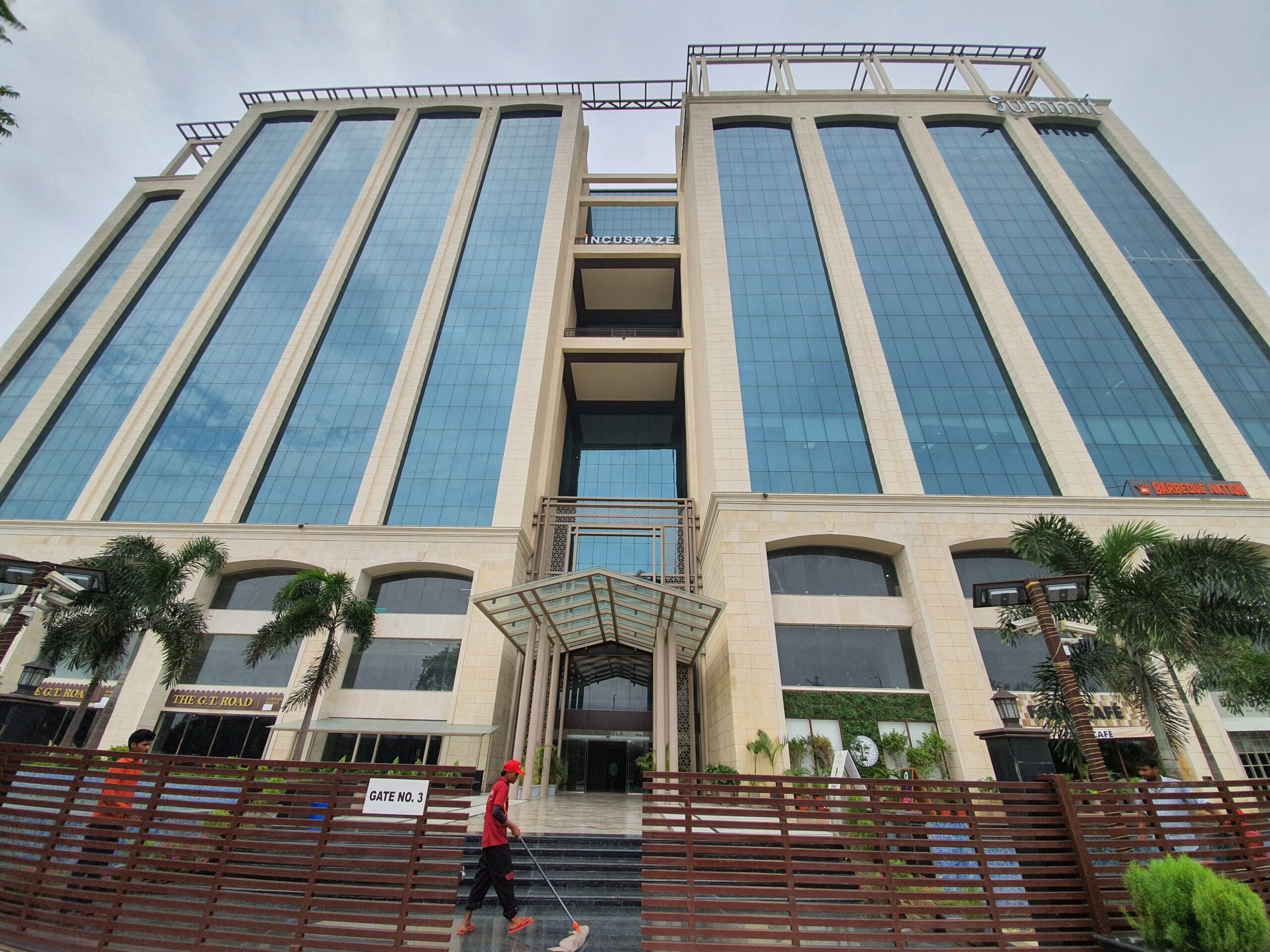
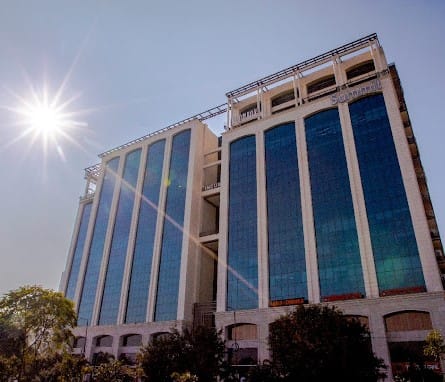
For many, clubbing in Lucknow is synonymous with the Summit Building. The 17-storey building was officially inaugurated in 2019. Restaurants had operated there even before its inauguration, but by 2019 nearly every floor housed a nightclub.
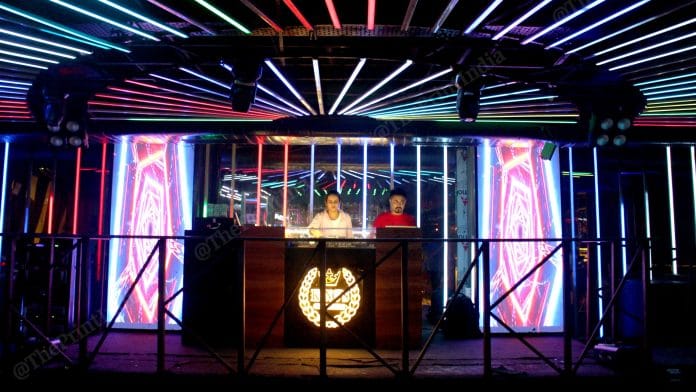
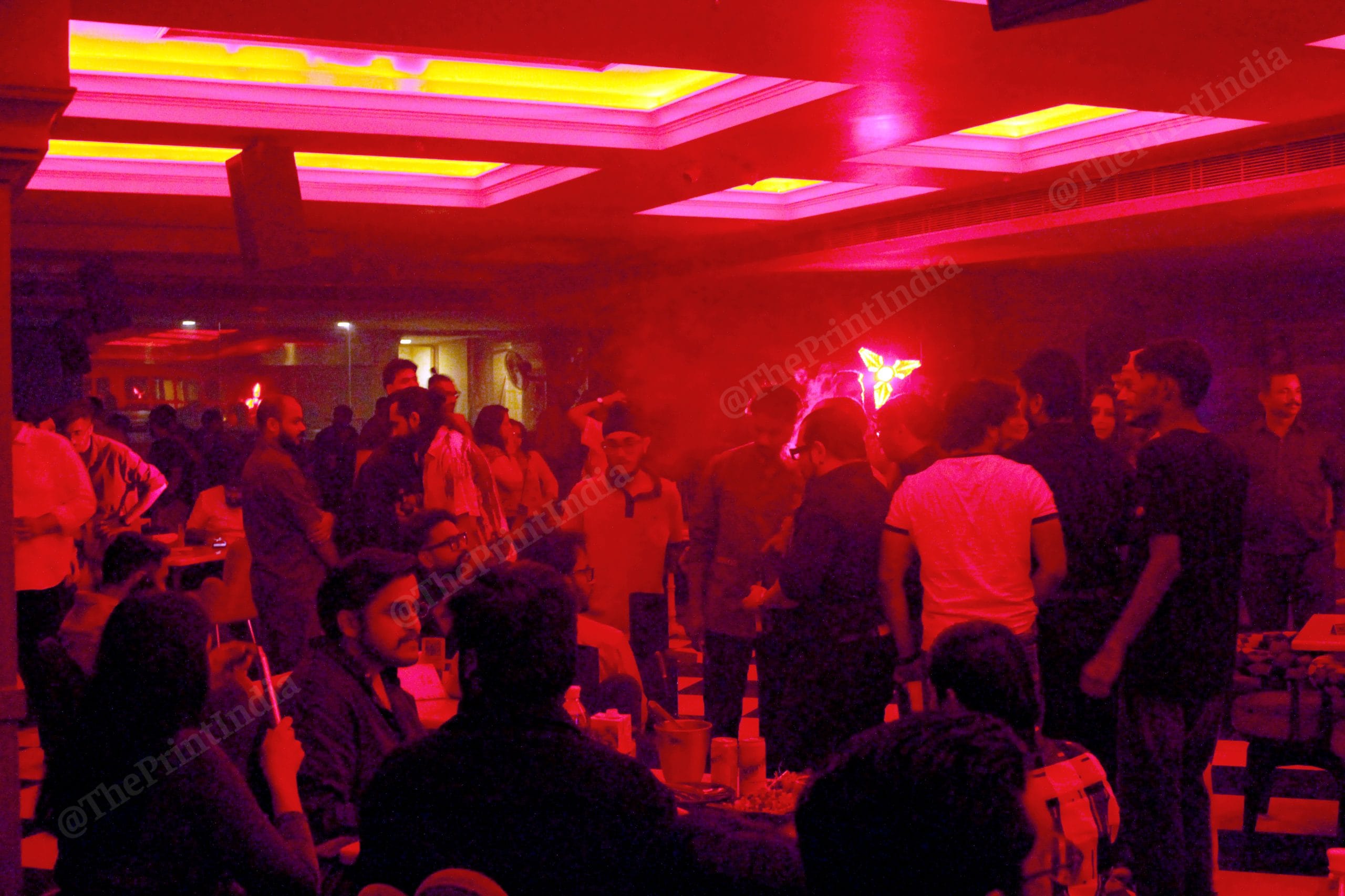
Today, every club inside Summit runs on the same visual grammar: dark rooms, black walls, low ceilings and dim booths. Nothing is bright except the laser equipment projecting electric blue, neon pink and green lights onto a floor that is mostly empty—an emptiness that hints at what the building has become. But these dance floors have seen better days.
By 7 pm, the dance floors are arranged like a waiting room. A handful of early arrivals nurse drinks at their tables. Nobody is dancing, but the DJ is already at work. The music starts at seven sharp regardless of who is listening. So do the lights.
Outside, the night’s other ritual is beginning.
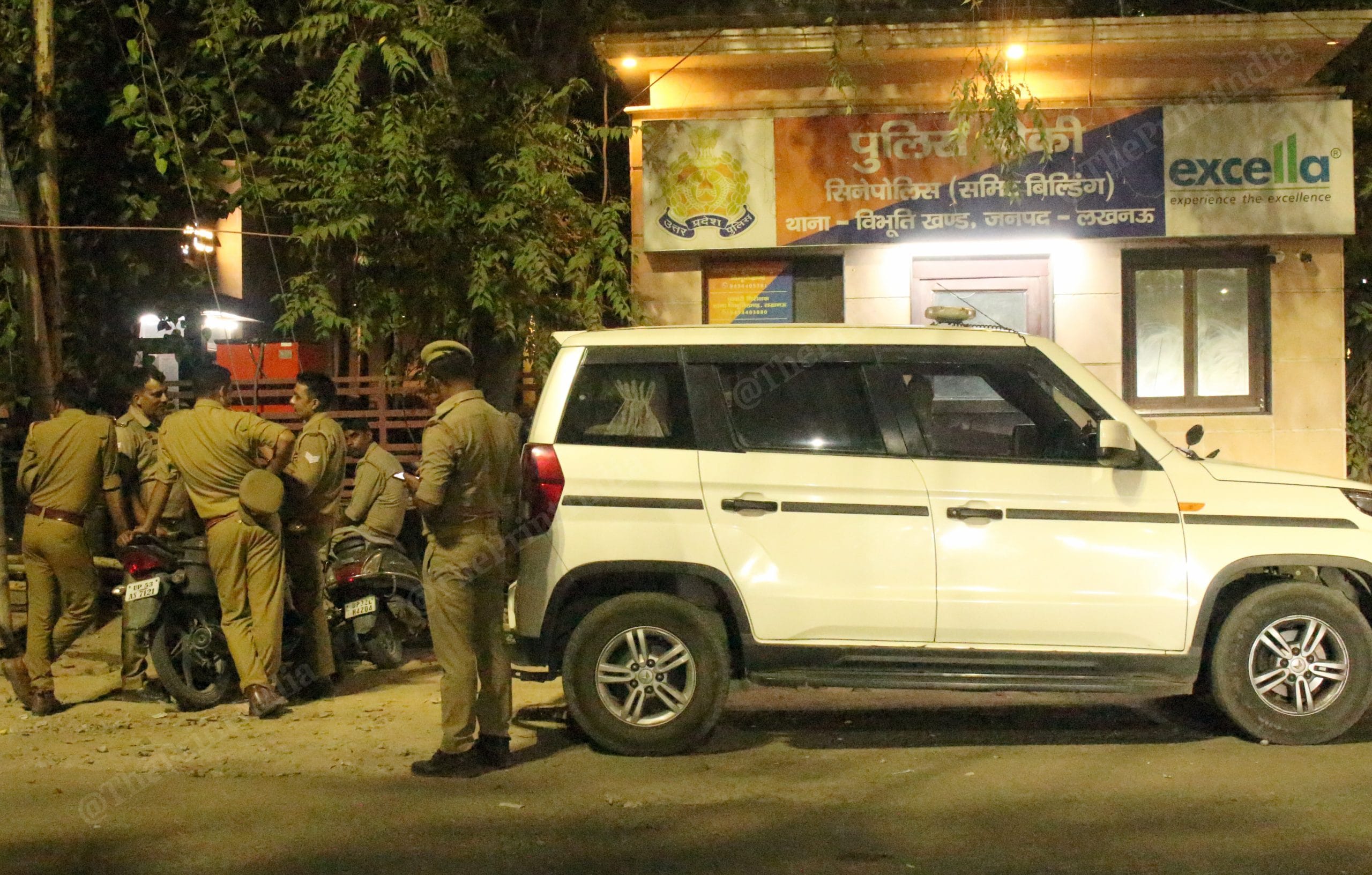
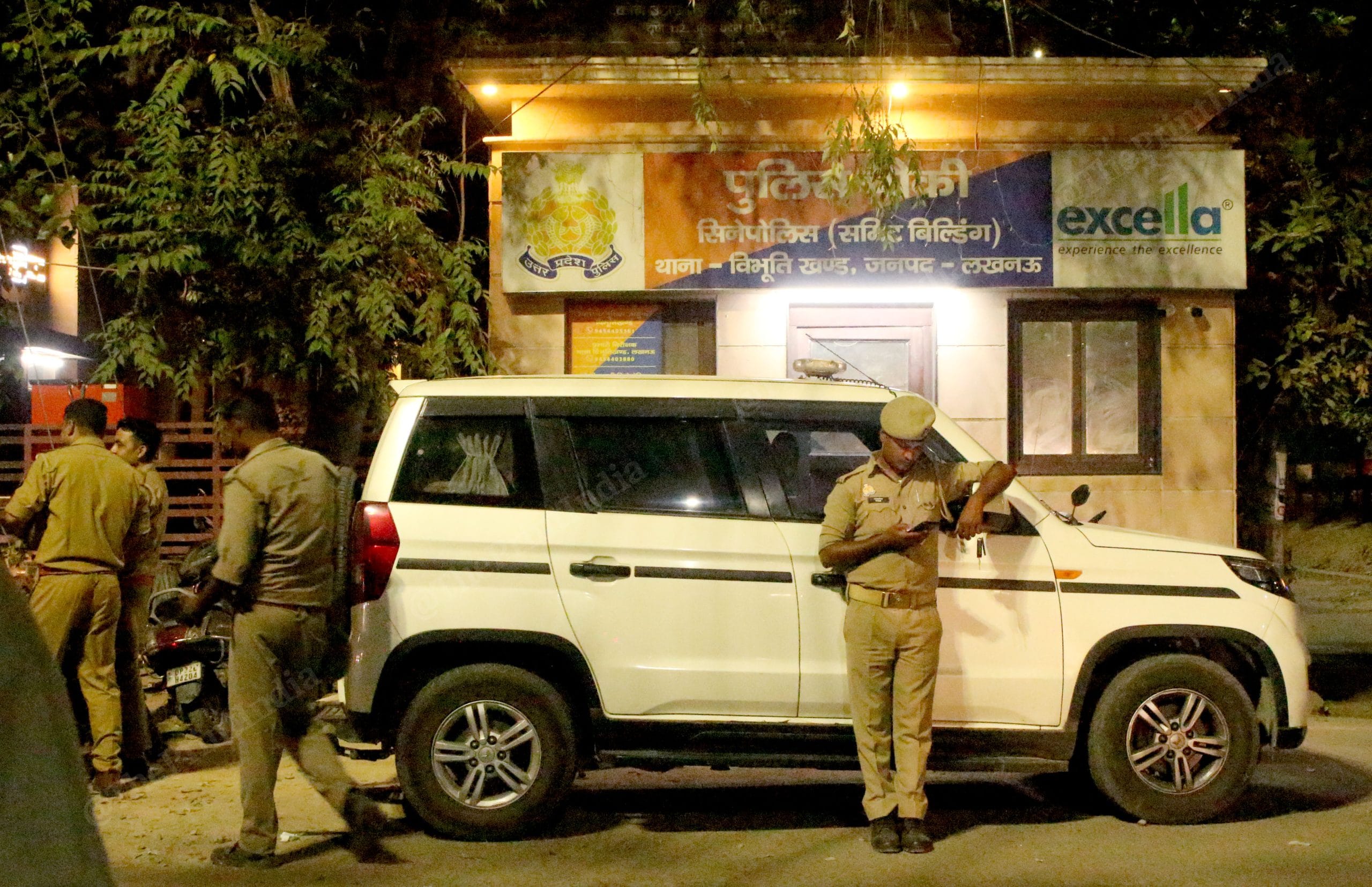
By 11:30 pm, a police vehicle is stationed at the entrance. Uniformed personnel take positions outside the building. Private security personnel move through the corridors floor by floor. Some remain near the parking area, watching cars enter and exit. This deployment has become routine.
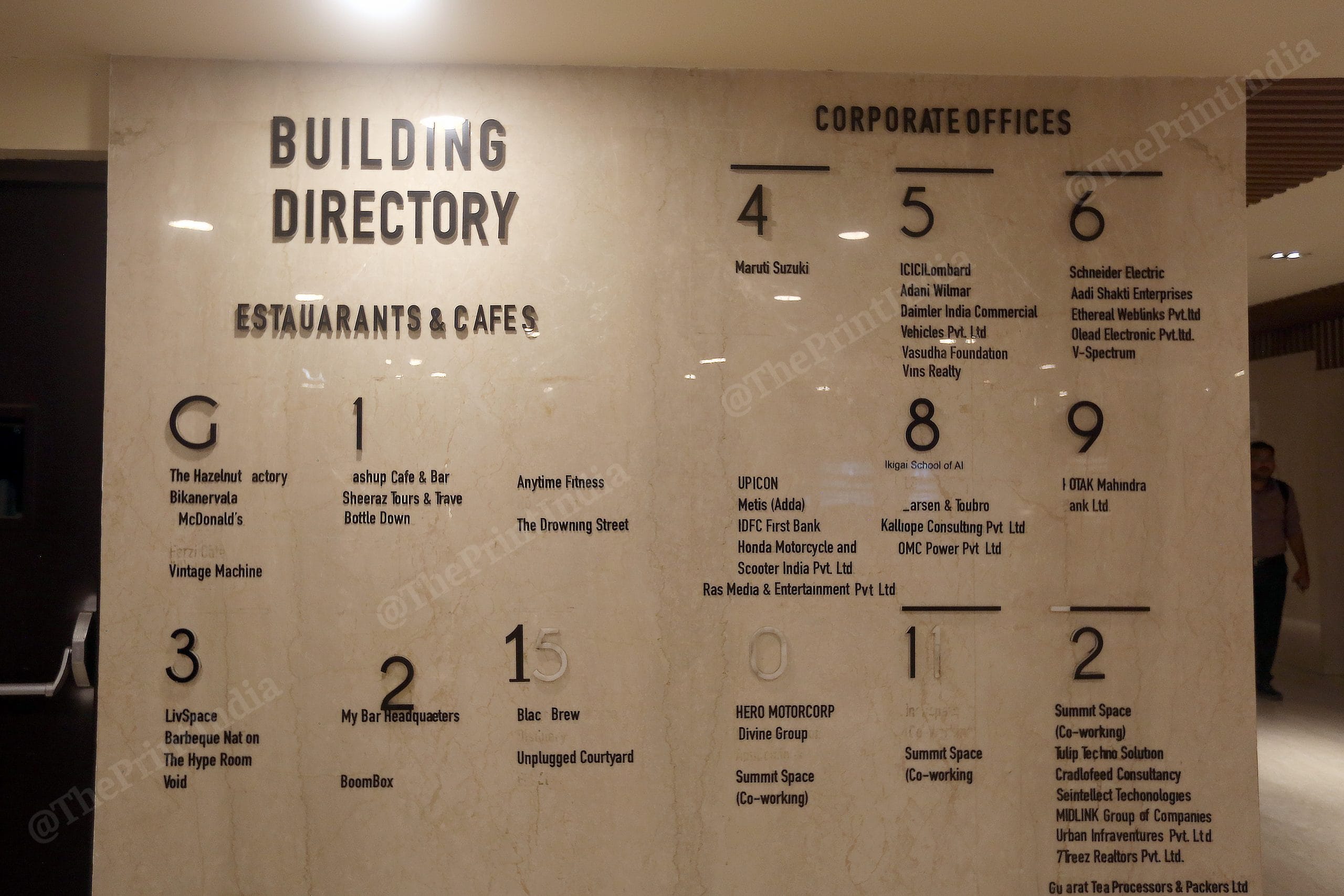
Young professionals, college students, couples and groups of friends move between floors, deciding where to spend the evening. Bouncers deployed outside each club’s door wave at potential customers stepping inside. Bollywood remixes spill into the hallways. A McDonald’s serves orders late into the night. An Anytime Fitness gym remains operational round the clock. Offices stay lit, with tenants free to work beyond conventional business hours if needed. The clubs, however, must shut by midnight.
The restriction follows years of complaints, municipal raids, viral videos, brawls and mounting pressure from residents, who say the city’s most famous party address has become synonymous with disorder.
Summit today is both a success story and a cautionary tale.
How Summit Building changed Lucknow’s nightlife
The Summit Building taught much of Lucknow what it meant to go to a party. It had helped democratise nightlife by making it accessible to thousands of young people who had never entered a nightclub before. It transformed a tier-two city’s relationship with leisure.
But it was never built to become the city’s nightlife address.
Situated in Vibhuti Khand, an upscale planned neighbourhood of apartment complexes, schools and family homes, the building originally reflected the aspirations of a rapidly expanding Lucknow.
Restaurants such as GT Road and Barbeque Nation drew families for weekend lunches. Office-goers stopped by after work. The same building that filled with nightclub crowds at night hosted family outings and catered to co-working spaces during the day.
Then Lucknow discovered partying at scale.
As clubs multiplied floor by floor inside the mixed-use commercial tower, so did the crowds. The city’s growing middle class, students, young professionals and visitors from neighbouring districts all found their way to Summit. On weekends, an entire nightlife ecosystem appeared inside a single building.
But this concentration of multiple clubs in one place, which made Summit successful, also made it vulnerable.
When something went wrong inside one club, it rarely remained confined to that club. A fight on one floor became a story about “Summit” within hours. And because the tower stood in the middle of a residential neighbourhood, visible from balconies and apartment windows, every nightlife controversy quickly became a residential grievance.
Long before official complaints or police reports surfaced, videos of fights and confrontations inside clubs were circulating through WhatsApp groups and social media feeds. Gradually, “Summit” stopped meaning a building that housed restaurants, offices, a gym and a McDonald’s. It became shorthand for nightlife—and for the problems associated with it.
The result was a social experiment that worked remarkably well, until it didn’t.
Also read: Kochi walks into a bar. But conditions apply for its nightlife
When Summit became Lucknow’s biggest policing challenge
The building’s transformation from nightlife landmark to policing challenge did not happen overnight. It unfolded over several years, one incident at a time.
In May 2021, a video went viral showing a group of women inside one of the building’s clubs running after each other across the floor, throwing punches, pinning one another to the ground, breaking apart only to chase each other again. Police officers were visible in the frame, standing near the edge of the fight. The footage spread fast enough to become a citywide talking point within a day.
It wasn’t the last time the building made headlines for the wrong reasons.
By 2022, Dainik Jagran had reported that Summit had become a “den of chaos”, with bar operators flouting rules openly, minors seen drinking, and regular cases of assault and harassment of women.
In September 2025, two separate incidents on the same night cost two police officers their postings. The SHO of Vibhuti Khand and the Summit Building outpost in-charge were removed following the shooting of a nightclub PR manager as he was leaving work and a brawl whose footage went viral.
Three days earlier, the area’s resident welfare associations had already gone on record with complaints that extended beyond either incident: noise, gridlocked parking and drunk driving spilling out of the area’s car parks.
Days later, Lucknow Police and the excise department launched a joint vigil in the area, deploying heavier police presence outside the building on weekend nights after 11:30 pm. By December, the municipal corporation raided Summit and sealed parts of the building for allegedly flouting curfew norms.
Since then, police personnel have remained stationed inside Summit until around 2 am, and a permanent police outpost now operates from within the building itself.
But the crimes and controversies never really stopped.
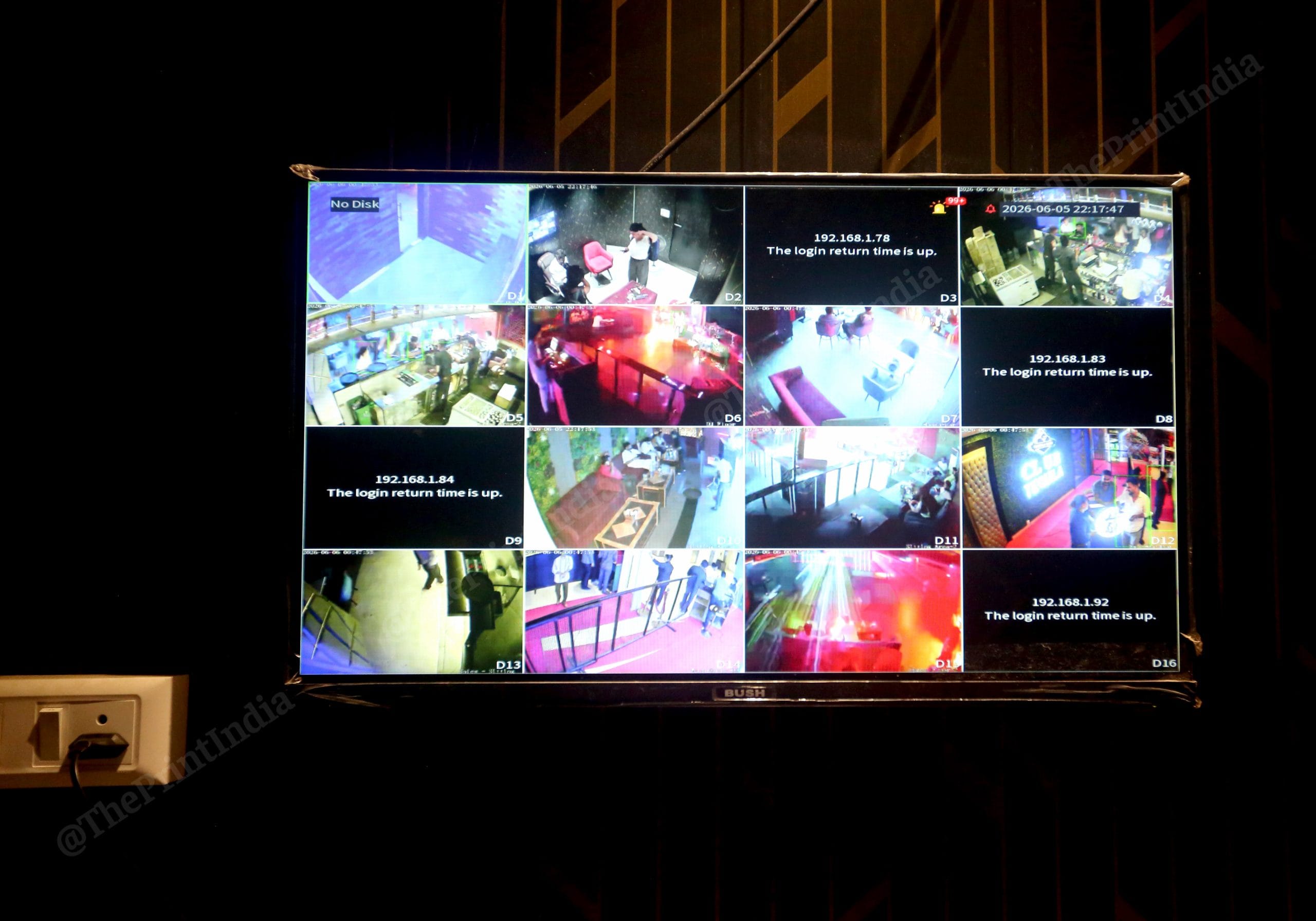
In January this year, a businessman was run over by an SUV and pinned beneath its wheels for nearly 25 minutes inside the building’s parking area. He had tried to intervene after a group of youths from Uttarakhand, travelling in an SUV, got into an argument with people in another car. But the group allegedly drove over him and left him trapped beneath the vehicle.
On 26 May this year, a 28-year-old Bharatiya Janata Yuva Morcha leader was assaulted outside a nightclub in an altercation that reportedly began over a cigarette. Three days later, he died from his injuries. By the following weekend, the area’s ACP and SHO had once again been transferred.
The recurring incidents exposed a deeper problem. Summit’s troubles were never confined to individual clubs; they originated from concentrating much of the city’s nightlife inside a single building.
Pack a dozen nightclubs, restaurants and office spaces into a single structure. Draw footfall from Lucknow and neighbouring districts to the same address. Let hundreds of people spill onto the same roads, stairwells, lifts and parking lots at roughly the same hour every night. The building stops behaving like a nightlife destination and starts behaving like a pressure system. Any disagreement inside one venue can quickly spill into a corridor.
This is the story of how Lucknow built a party culture almost overnight, how that culture outgrew the building that housed it, and how a tier-two city that loves to party is still learning how to do it.
Before Summit: Lucknow’s old club culture
The common perception outside Lucknow is that nightlife arrived recently.
People who have worked in the hospitality industry say that is only partly true. Long before Summit existed, the city already had a party circuit.
There were hotel clubs, members-only spaces and scattered nightlife venues spread across neighbourhoods. The crowd was smaller, more exclusive and often familiar with one another.
“I have been in the clubbing scene for 18 years,” said Wasi Haider, restaurant manager at My Bar Headquarters. “The clubs that were famous back then were places like Zero Degree and Blue. That’s where it started.”
The old clubs looked different too.
“Most clubs had dark interiors, one large hall, sofa seating and loud music. Today’s clubs have different designs, better sound systems, open terraces and a completely different atmosphere,” he said.
For much of the 2000s and early 2010s, clubbing remained largely an activity for the wealthy.
“Back then, even people from the upper middle class used to be scared to come to clubs,” Haider said. “They didn’t know if they would be allowed to go inside or not.”
Meanwhile, families gathered at clubs like Genesis and Chancellor’s Club. Children played while adults socialised. Musical evenings, community events and weekend gatherings were common.
A resident who returned to the city after working in Mumbai, Bengaluru, Pune and Chennai remembers those years fondly.
“There was always some nice musical event happening,” she said. “A set of three or four couples would get together, children would play in one corner. It was wholesome fun.”
Today’s nightlife feels different to her.
“The nature of fun has changed. Now it’s more around EDM music, late nights and alcohol. I wish it was more wholesome.”
Also read: Too unsafe for a nightlife? Why efforts to make Delhi a 24/7 city are proving slow-starters
How Summit made clubbing mainstream
Then came Summit, just as Lucknow itself was changing.
More universities were attracting students from smaller towns. Corporate jobs were growing. Disposable incomes were rising. Social media was making nightlife aspirational.
Unlike the older clubs scattered across the city, Summit offered something new.
“The entire crowd of Lucknow came to Summit…when Summit opened, there were around 15 clubs. There was so much crowd that even the police couldn’t control it,” said the general manager of Mashup Sports Bar and Nightclub, who has worked in Lucknow’s nightlife industry since 2016.
He remembers a time when clubbing audiences were geographically divided. Gomti Nagar had its own venues. Alambagh had its own crowd. Other neighbourhoods had smaller nightlife ecosystems.
Summit collapsed those boundaries.
“The older bars started to close. Some decided to shift their address to Summit. After 2019, the crowd from every area started coming here,” he said.
Eventually, the building itself became the brand. People travelling from Sitapur, Barabanki, Rae Bareli or Ayodhya didn’t necessarily know the names of individual clubs. They knew Summit.
“They don’t think they have to go to a particular club,” the manager said. “They think they have to go to Summit first and then they can decide.”
The sheer number of venues created competition. Clubs aggressively marketed themselves. Managers and staff cultivated relationships with regular customers to hold on to their clientele. Gradually, clubbing stopped feeling exclusive.
“Managers started being more frank with customers. Summit made clubbing easy. People became comfortable,” Wasi said.
The change is visible in who now parties in Lucknow.
Today, guests routinely travel 150 to 200 kilometres to spend an evening in the city—a distance that would have seemed absurd a few years ago.
“We get people from Faizabad, Rae Bareli, Fatehpur,” Wasi said. “It’s not necessary that only rich people come. Sometimes people save money for a month and come to party.”
Summit has no dress code, and the crowd reflects it. Office workers still in their Friday whites and blacks sit alongside women in kurtis and men in pathani kurtas, all equally at home. Nobody talks. The music, mostly Bollywood, is turned up to the point where conversation becomes futile. People come not to chat or be heard, but simply to experience a party.
“There was a lot of crowd,” the Mashup manager said. “There were a lot of fights.”
Over time, authorities tightened restrictions, and the city’s nightlife slowly began spreading elsewhere.
The Summit’s top floor once housed four clubs—Distillery, Black, Firefly and Unplugged—of which only one still operates. Bowie, which staff describe as one of the building’s more popular venues, shut about a year ago. Around the same time, Farzi Cafe on the ground floor wound up its Lucknow operations permanently.
Across the city, only seven or eight clubs remain, many of them either new and still finding their footing or simply unpopular.
Also read: Chennai or Mangalore—everyone is scared of women who drink at pubs and have fun
Lucknow’s nightlife grows beyond Summit
By the time Summit had become accessible to everyone, another trend had already begun to emerge.
The city’s wealthier partygoers started withdrawing from mainstream nightlife. According to hospitality professionals, they have not stopped partying—they have simply changed venues.
“The crowd I used to see at luxury hotel parties doesn’t come to clubs anymore. Instead, they organise house parties, book farmhouses or reserve venues exclusively for their own social circles. You won’t see them in clubs anymore. They don’t feel comfortable there,” Wasi said.
The shift has created an unusual form of nightlife segregation. Lucknow’s party scene now operates in parallel worlds. One is visible; the other exists behind private invitations, guest lists, dress codes and cover charges.
Barely 500 metres away from Summit, another entertainment complex hosts a different ecosystem.
Tickled Pink attracts a more curated young crowd. Marlyn serves primarily as a jazz-focused venue but also hosts themed Bollywood nights on some weekends. At a recent event, the venue celebrated its first anniversary under a group of Gen Z founders, with reality television contestant Ruru Thakur performing as the DJ.
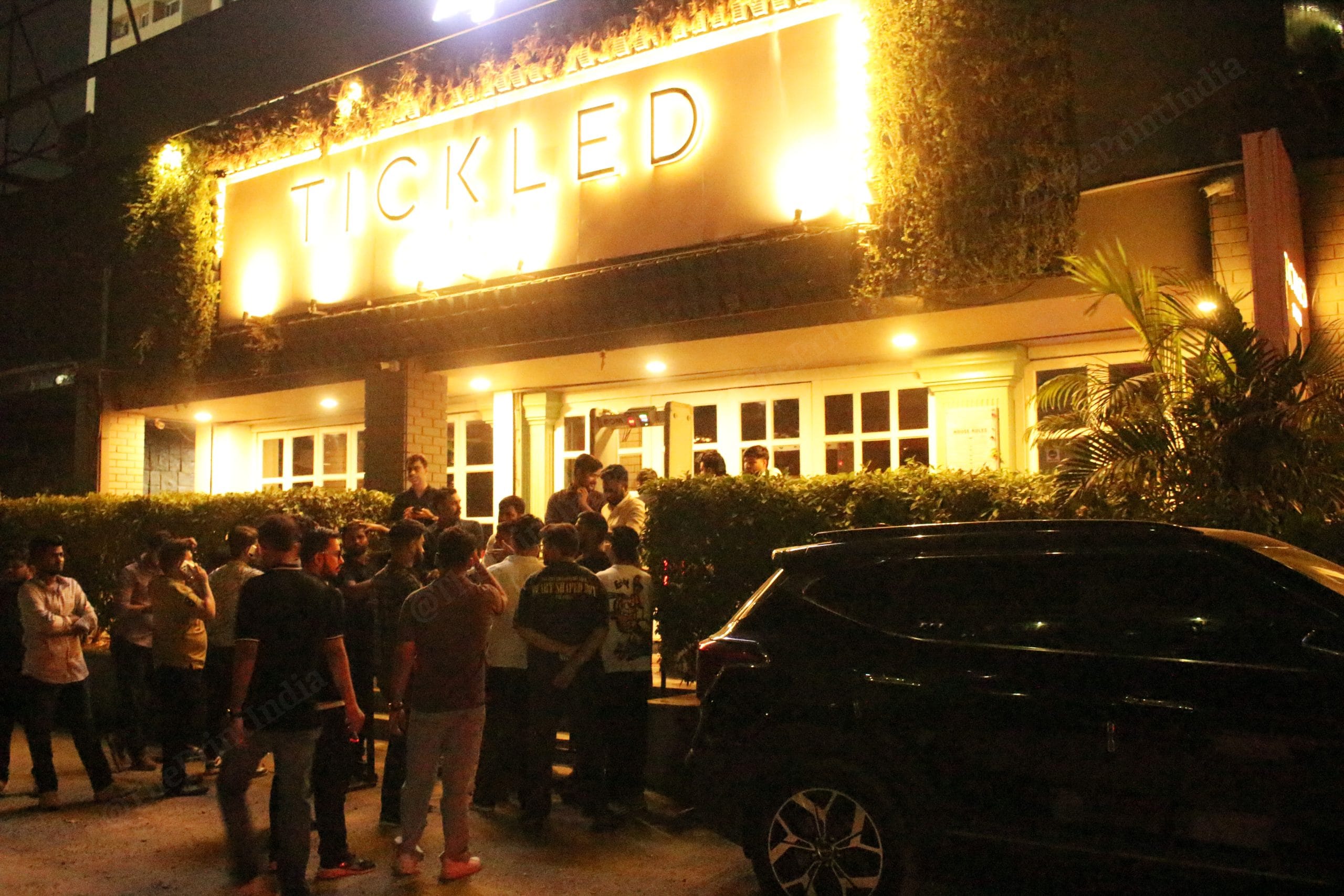
Other bars and lounges cater to specific audiences, each occupying its own niche within the city’s expanding nightlife economy.
Elsewhere, independent venues are attempting to build alternatives to conventional club culture.
Boho House is one such example.
Unlike many nightlife venues, Boho has built its identity around music and curated programming, with a different theme for each day of the week. Mondays are reserved for movie screenings and game nights, Tuesdays spotlight hip-hop, while Wednesdays feature unplugged live performances blending Bollywood, rock and pop in both Hindi and English.
“Fridays are gig nights where we bring artists from across the country and sometimes from overseas,” said co-founder Upinder Singh Nanda, better known to regulars as “Micky Bhai”.
“Saturdays are dedicated to electronic music, featuring local talent and our in-house DJs. Sundays are our old-school Woodstock sessions, with full live bands performing across genres,” he said.
The difference becomes apparent the moment one walks into the venue.
Woven dreamcatchers hang from the ceiling. Earthy colours replace the neon palette that dominates many clubs. There are no harsh laser lights sweeping across dark dance floors. The space feels closer to a live music venue than a nightclub.
The atmosphere is deliberately informal, designed to encourage conversation as much as performance.
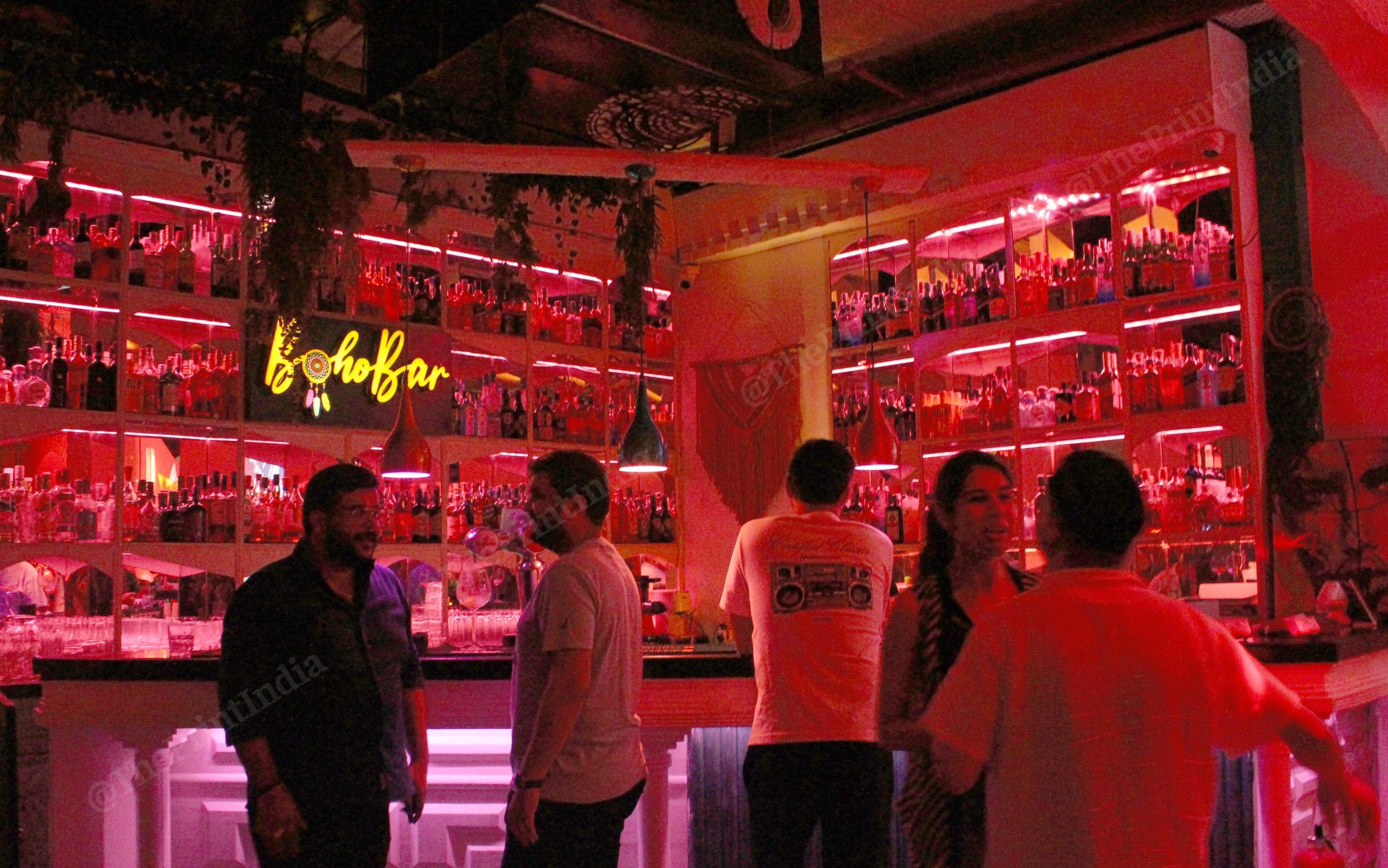
Boho House was founded after the pandemic by friends Amitesh Ahuja and Nanda. Before returning to Lucknow, Ahuja worked in Bengaluru’s corporate sector. Nanda, meanwhile, trained in both classical and non-classical music. Their shared interest in live performance shaped the venue’s identity.
On some evenings, the founders themselves take the stage—Ahuja with a guitar, Nanda on vocals.
“We didn’t market too much,” Ahuja said. “People who liked music found us eventually.”
Unlike many nightlife operators, the pair are not merely business owners. The venue’s programming reflects their personal tastes, ranging from soul and R&B to themed nights dedicated to the catalogues of legendary artists.
“We built the place around things we personally enjoyed,” Ahuja said. “Music was always at the centre of it.”
That focus has helped attract a crowd that is not necessarily looking for the conventional nightclub experience.
“Not everybody wants loud EDM and a dance floor every weekend,” he said. “There are people who want live music, conversations and a different atmosphere.”
The idea eventually expanded beyond the venue’s walls.
Last year, the team organised Boho Fest at Janeshwar Mishra Park, bringing together musicians, food vendors, artists and audiences from across the city. The two-day festival drew around 11,000 attendees.
The lineup included Mame Khan, Paresh Pahuja, Divine and Rabbi Shergill, alongside a range of local and independent artists. A second edition is scheduled for December this year.
For Ahuja, the turnout challenged long-held assumptions about Lucknow’s entertainment culture.
“People often underestimate this city,” he said. “The demand was always there. Maybe the formats weren’t.”
He sees the changes as part of a broader transformation underway.
“The city is growing,” he said. “Young people are coming in with their own lifestyle choices and the infrastructure is following.”
Regulars often arrive at Boho looking not just for the music but for the founders themselves, who know many of the people who walk through the doors.
Yet even they are not insulated from the city’s evolving social geography.
After closing the venue on weekends, the two friends often head to gatherings of their own—the smaller house parties and private events that increasingly define another side of Lucknow’s nightlife.
In many ways, that is the city’s nightlife story today: not one party scene, but several overlapping ones, each with its own spaces, rules and audiences.
Also read: Brash Delhi vs laidback Bengaluru: How India’s party scene changes with the zone
Lucknow builds a nightlife industry
One of the clearest signs of Lucknow’s changing nightlife is the emergence of local talent.
Female DJs, once a rarity, now form a visible part of the city’s entertainment economy.
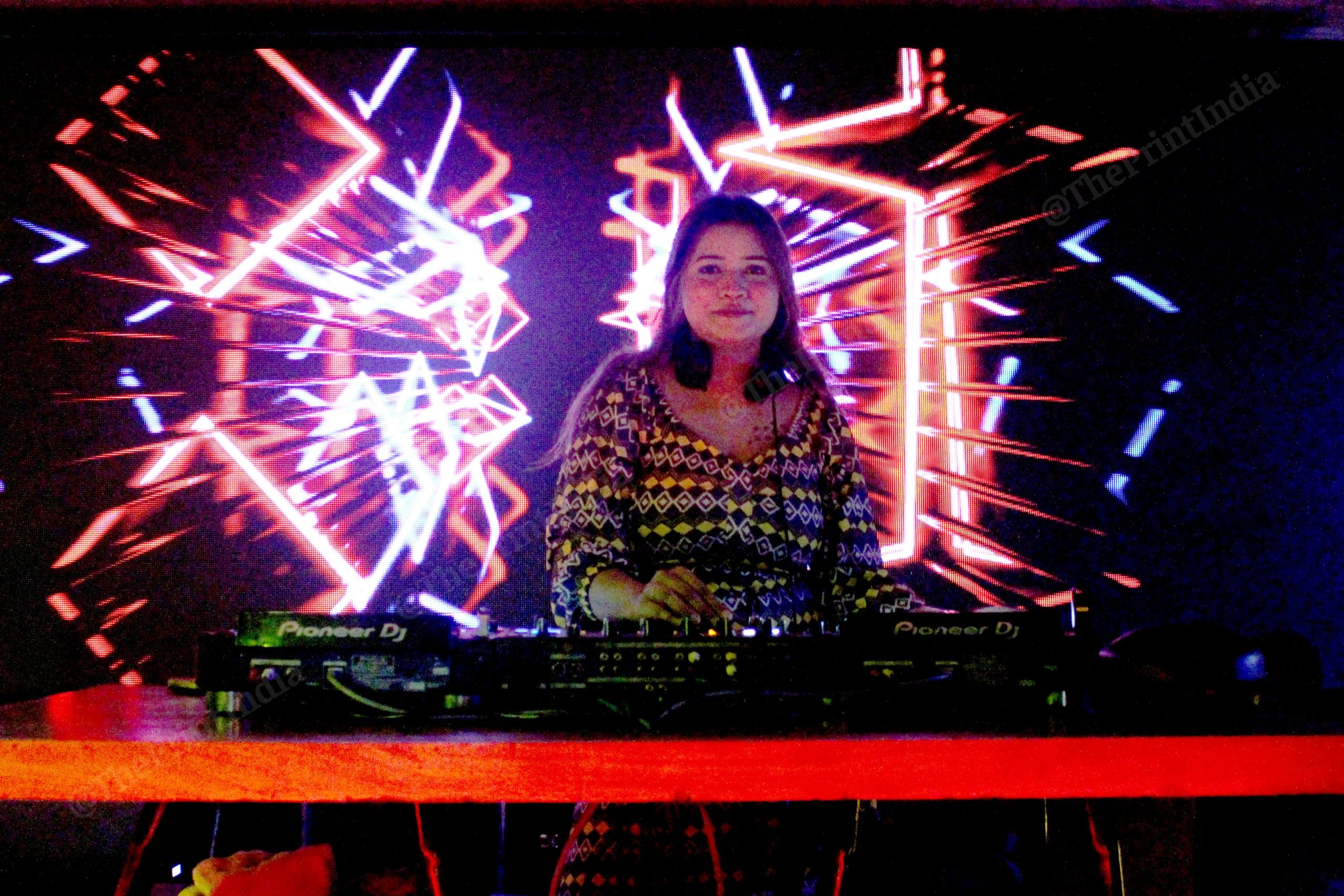
“There are around 12 to 15 female DJs in Lucknow right now,” said DJ Ahana, who moved from Ayodhya and entered the profession after a stint in modelling and acting.
Others, like freelance DJ Jessica, perform across venues throughout the city.
At My Bar inside the Summit Building, DJ Ahana was behind the console while DJ Jessica sat beside her. The two say they are good friends.
But the expansion of nightlife has created an ecosystem that extends far beyond the people standing behind the console.
The industry now supports bartenders, managers, event organisers, marketing professionals, social media managers, sound technicians, photographers, bouncers, promoters and hospitality workers—people who depend on the city’s entertainment economy for their livelihoods.
The sector has also created opportunities for people who might never have considered nightlife as a career.
“Earlier, if someone wanted to work in hospitality, there were limited options and the work hours were extremely long,” Wasi said. “Now there are event companies, clubs, festivals and live music venues. There are many more entry points into the industry.
“Many clubs now prefer hiring local people. I don’t have a degree in marketing. I started as a steward in a restaurant, and today I am an assistant manager.”
Also read: Hyderabad can’t build a nightlife economy on 1 am deadlines
Lucknow builds a nightlife industry
Lucknow’s nightlife story is ultimately not about clubs. It is about urbanisation.
The city of nawabs and kebabs has spent the past decade negotiating what leisure looks like in a rapidly changing tier-two city, and the process has been messy.
There have been fights, complaints, moral panics, police crackdowns and regulatory interventions. There has also been entrepreneurship, cultural experimentation, new careers, independent music venues and a generation discovering new ways to socialise.
Summit sits at the centre of that story.
It did not invent nightlife in Lucknow. It simply brought almost all of it under one roof.
On a weekend night, the routine begins long before the crowds arrive. DJs test their sound systems. Bouncers take their positions. Police vehicles pull up outside. The party comes later.
And somewhere between the party and the policing, Summit stands as the symbol of what Lucknow has become over the past few years: a city in transition.
Lucknow loves to party. It is just still figuring out how.
(Edited by Prashant Dixit)