



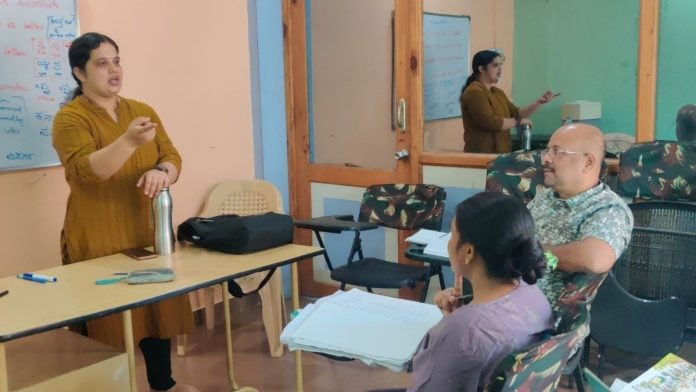
Bengaluru: Snehil has lived in Bengaluru since she was eight, studied compulsory Kannada writing in school and calls herself a Bangalorean. Yet it was only this year, after taking a break from her studies and revisiting an old New Year’s resolution, that the 23-year-old finally walked into a classroom to learn how to speak the language she had been hearing around her for most of her life.
She did not need Kannada to get by. Her friends speak English, as did most of the people she encountered in college and at work. But the Jamshedpur native remembers an elderly woman on a BMTC bus who wanted to talk to her but spoke only Kannada. Snehil knew just enough words to keep the conversation going.
“That small interaction itself made me so happy,” she said.
Snehil is part of a growing pool of Bengaluru residents from outside Karnataka choosing to learn Kannada. There is a climate of rising language pride and intolerance and anger toward migrant workers who come to work in the city but don’t care to learn Kannada. Now, Kannada teachers say their classrooms draw doctors, lawyers, psychologists, journalists, startup founders, IT professionals, mothers, and retirees — many of whom have lived in the city for years without needing the language in their professional or social lives. Instagram and other platforms have also created a parallel Kannada-learning ecosystem.
Kannada has seen many political pushes over the years, famously during the Gokak agitation of the early 1980s, when writers, students and Kannada organisations pushed for a greater role for the language in schools. This local language anxiety has deepened ever since Bengaluru got branded as India’s Silicon Valley and crores of migrants poured into the rapidly expanding city since the IT boom of the 1990s and 2000s.
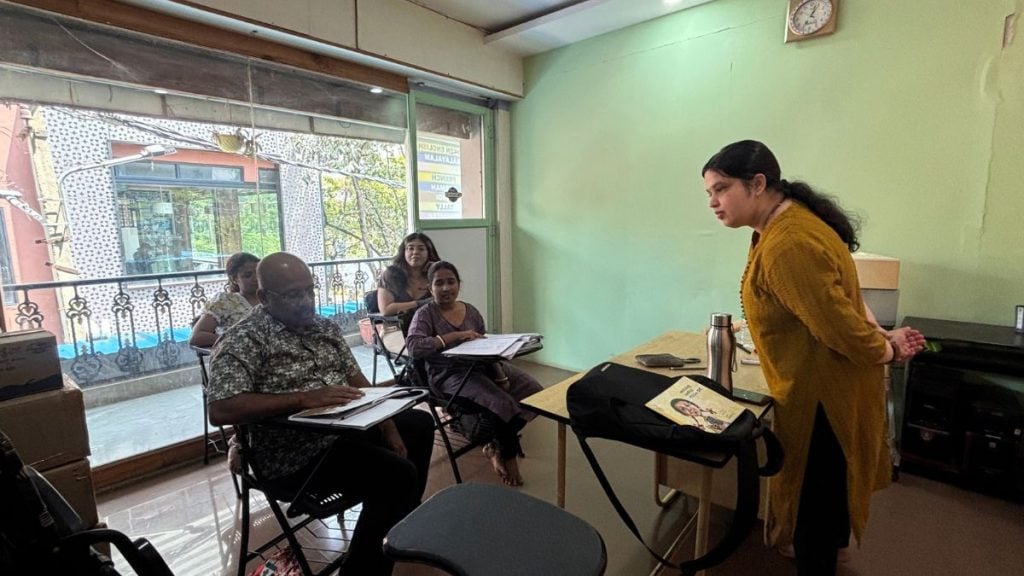
An analysis of the 2011 Census found 107 languages spoken in the city, making it one of India’s most linguistically diverse urban centres. Kannada accounted for about 44.5 per cent of the population, followed by Tamil, Telugu, Urdu, Hindi and several other languages.
Then came social media which repeatedly turned everyday encounters between Kannada speakers and migrants or Hindi speakers into viral language flashpoints, while debates over the use of Hindi in public spaces and calls for Kannada proficiency from auto and cab drivers have kept the question of who should speak what language in the city alive. Every time there is a flare up, Reddit and X brims with finger-wagging “learn to speak Kannada if you want to live in Bengaluru” admonitions.
For Kannada learners, the motivation is often less combative. Some want to have small talk with neighbours, give better instructions to domestic workers, bargain better with vendors or explain diagnoses better to patients. Others want to understand the city better, work outside the English-speaking corporate bubble or simply stop feeling like outsiders in a place they have called home for years.
But the viral brawls have made the stakes clear to all the learners. Many say knowing Kannada is also a form of self-protection — helping them avoid being overcharged by vendors or taken for a ride because they cannot speak the language.
For Snehil, the payoff is already visible. She can follow parts of conversations among Kannada-speaking friends, watch Kannada films and catch the humour and undertones in Kannada Reels.
“It really opens you up to a whole new world which is very beautiful and very rich,” she said.
Learning to connect
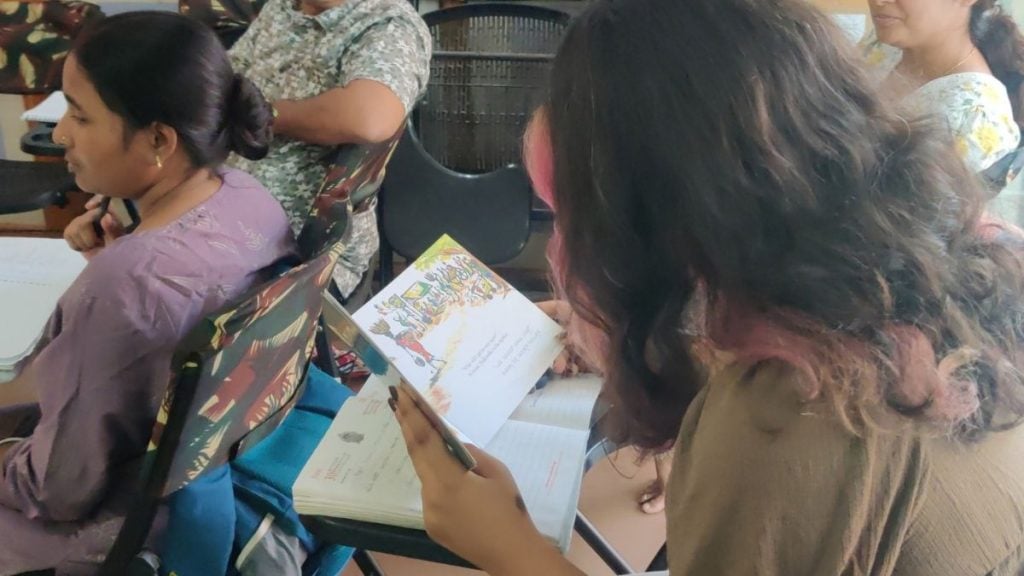
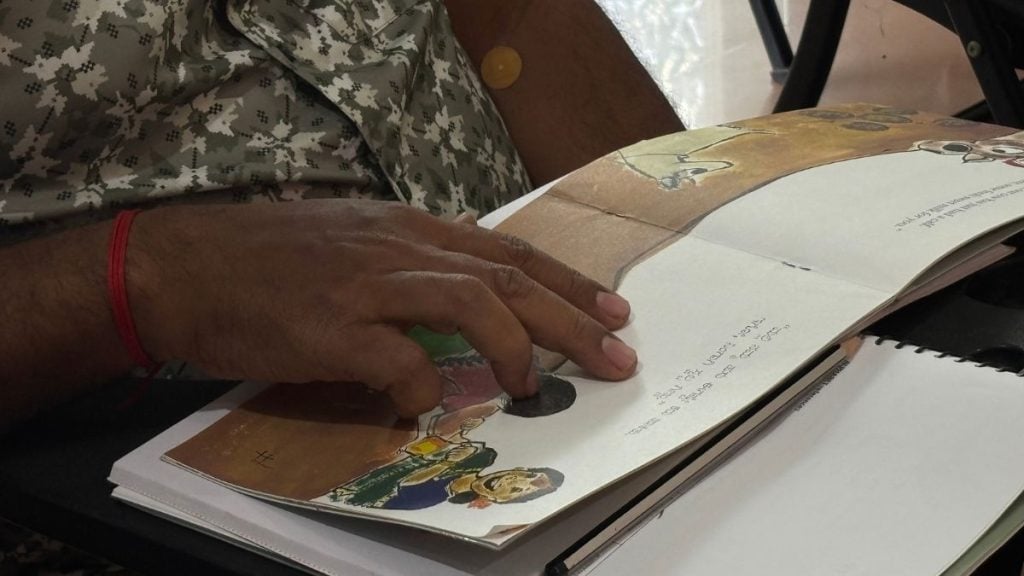
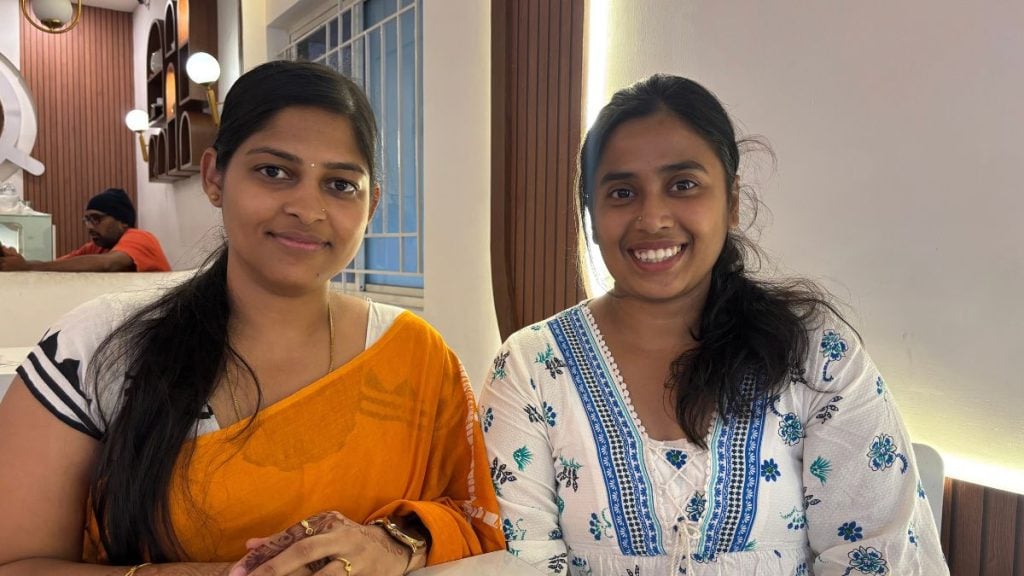
At the Nile School of Languages and Education, Snehil sits with three other students in a weekday Kannada class. Their teacher, Shwetha Bhat, reads aloud from Malli, a thin children’s book, while the students — a content creator preparing for Master’s, a mid-career tech professional, a businessman and a woman who manages her home full-time — follow the words with their fingers.
They come from different parts of India and have different reasons for learning the language.
For Apoorva, 40, who moved to Bengaluru from Uttar Pradesh in 2012, the motivation is connection. She started her consultancy career in the city and has since married and had a son. After more than a decade, she felt it was time to learn the language.
“I was feeling a little bit far away from others,” she said. “I was not able to connect to the people.”
Now, she can follow conversations with neighbours, security guards and delivery agents.
She recalls visiting a Kannada friend’s home recently, where her friend’s mother was serving food. When she was told that Apoorva was learning Kannada, the woman became visibly happy and served her extra food.
“They feel so happy. They feel connected,” Apoorva said.
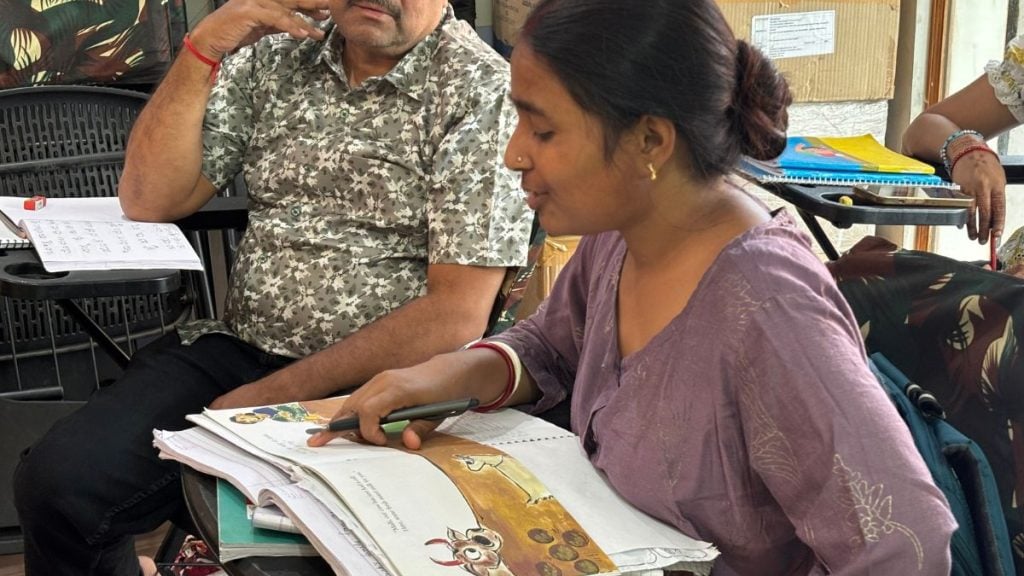
For West Bengal-native Suparna, who has lived in Bengaluru for five years, the motivation was more immediate. She wanted to stop being conned by vegetable vendors, auto drivers and shopkeepers.
“When I go to buy something, they speak in Kannada and I don’t understand anything,” she said. “They always overcharge me and I can’t argue because of the language gap.”
Suparna is now learning both Kannada and English at Nile to help her son with school work and to navigate the city better.
Many students initially insist that they know “zero Kannada”. But once Bhat gives them a few common words like ‘eshtu’—how much, they realise they have absorbed more than they thought.
For those who already speak an Indian language, Kannada can also have familiar entry points. Bhat says speakers of South Indian languages often recognise words and structures, while Hindi speakers may recognise some words with Sanskrit roots.
The next step is getting them to use it.
Bhat’s classes therefore rely on role-playing everyday interactions with residents: ordering from a vegetable vendor, speaking to a shopkeeper or giving directions with an auto driver.
“Wrong Kannada, right Kannada, doesn’t matter,” she said. “If you speak in Kannada, if you start speaking, right or wrong, people will love it.”
Survival Kannada to professional proficiency
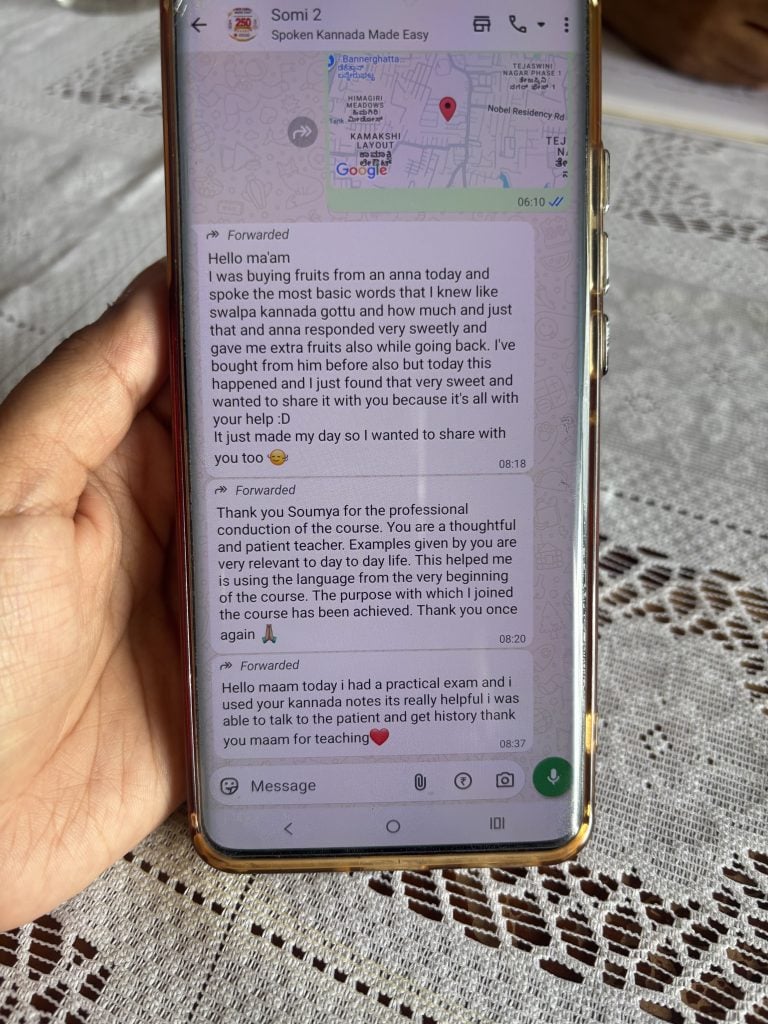
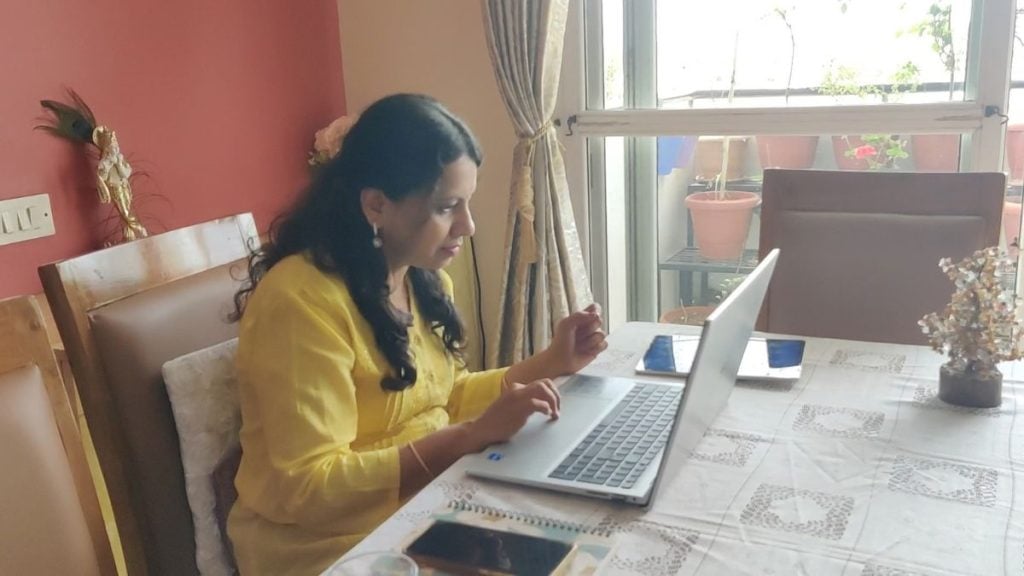
Soumya S., who runs Spoken Kannada Made Easy in Bannerghatta, started teaching the language informally in 2010, helping neighbours, children and senior citizens who wanted to learn the basics.
In the early years, her students mostly wanted basic Kannada skills: words and phrases to speak to domestic workers, security guards, auto drivers and shopkeepers.
That has since changed. By 2014, word of mouth brought her more students and she started group classes.
Her students now include medical students, doctors, lawyers, psychologists, journalists, IT professionals, startup founders, and senior citizens. Some come from Tamil Nadu, Kerala, Andhra Pradesh, Telangana, Maharashtra, Delhi, Uttar Pradesh, Madhya Pradesh, Odisha and West Bengal. She also taught students from Australia, New Zealand, Canada and the US. All her students are mostly in the age group of 18 to 45.
“One is because of awareness. And the other is because a lot of opportunities are opening now,” Soumya said. “In the 2000s, it was only IT. Now, people know that when you know language, you have a lot of other options that you can explore.”
Those opportunities, she says, stretch beyond technology to counselling, journalism, digital marketing, social media, art and music.
“For all these, you need a local language,” she said.
Her courses have consequently become more practical. A doctor requires Kannada to speak to non-English speaking patients; a counsellor to speak to clients; a journalist to report from the ground.
“I focus only on practical Kannada that really matters to speak a language,” she said.
The change is not confined to Bengaluru. Soumya says some older professionals who have spent years in the city or abroad are buying homes or settling in Mysuru, Mandya and smaller towns and villages, where English and Hindi are less useful as fallback languages.
Her classes are Rs 450 an hour. Beginner and intermediate group classes run for two months, while advanced one-on-one courses are tailored to the learner and can last anywhere from a month to six months.
Kannada on Reels
The other major change has happened on phones.
Soumya has watched a parallel ecosystem of Kannada teachers emerge on Instagram and other platforms, with thousands of videos teaching vocabulary, phrases and everyday expressions.
For women who manage their houses full-time and others who cannot easily travel to classes battling Bengaluru’s bottlenecks, the videos offer a way to learn from home. For some, the classes have also become a way to meet people and reduce isolation.
But online learning also creates a problem: abundance.
“You don’t know what to learn, how to learn, and you are not accountable for anything,” she said. “Then we tend to postpone our learning.”
Some students who begin with Instagram or YouTube eventually move to structured classes.
The same applies to AI translation tools. Students tell Soumya they use ChatGPT or Gemini to translate individual sentences instead of learning Kannada.
“Translation can solve an immediate problem, but it cannot teach the rhythm, context and colloquial usage of a language,” she said.
Kannada on the go
There is a paradox in the growing Kannada-learning ecosystem in Bengaluru: more people may be interested in the language, but traditional classrooms are not necessarily getting fuller.
Bhat, who has taught English and Kannada at the Nile institute for about a decade, says physical attendance has fallen sharply.
“The amount of students we used to have earlier has drastically reduced,” she said.
Online resources, including YouTube, are one possible reason. Another, she says, is Bengaluru itself.
“You can manage with any language that you know,” she said. “So, you don’t need to actually know Kannada here.”
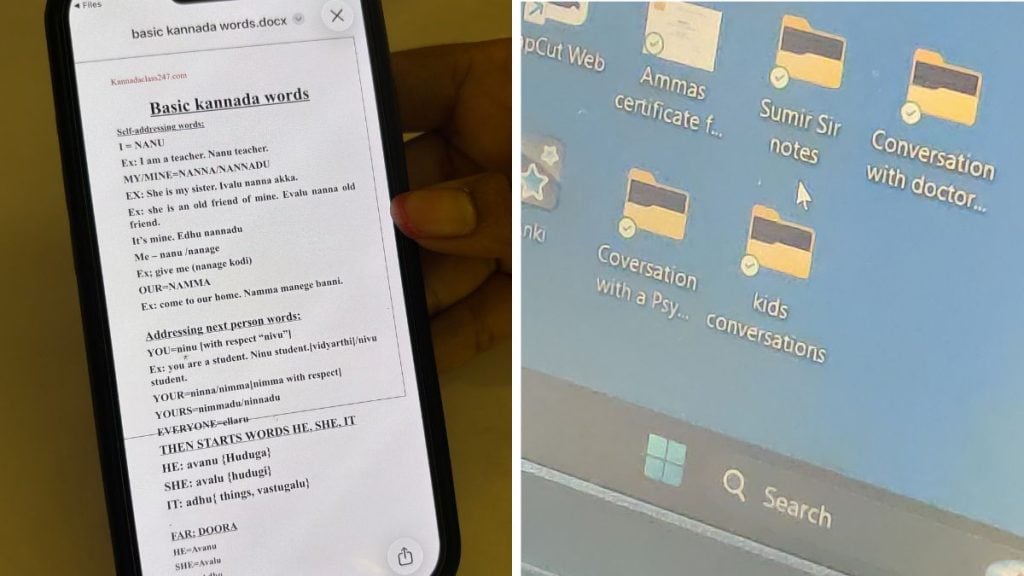
Uma, who runs KannadaClass.com with a team of 10 teachers, moved entirely online after Covid. Her classes now reach students outside Bengaluru and outside India, while one-on-one lessons allow working professionals to fit Kannada around their schedules.
Some are learning because Kannada is part of their curriculum; others are adults who have grown up in Karnataka without speaking the language at home.
One of her recurring messages to parents is that a class alone cannot make a child fluent. Hesitation to speak freely remains a problem.
“Language is when you open your mouth, then only it will come,” Uma said.
But for adult learners, the main difficulty is often finding time to practice after class.
Also Read: Bengaluru’s badminton boom. Powered by techies, app, thousands of courts
After the first few words
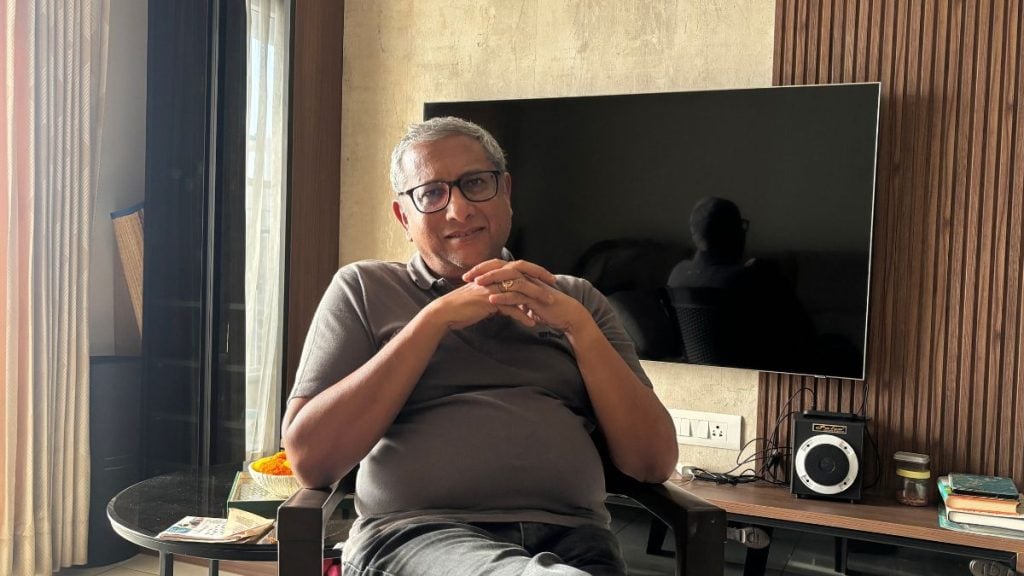
For Murali Subramanian, 63, that practice has become part of his morning routine.
Every day, he walks around his Bengaluru apartment complex and tries out Kannada on housekeeping and gardening staff.
“Nivu hegiddiri—How are you? Male baruttadeye—Is it going to rain?” he asks.
Subramanian moved to Bengaluru from Mumbai in October 2022. As a renewable-energy consultant, he could get through work and daily life using English and Hindi. He and his wife enrolled in spoken Kannada classes anyway. He finished the beginner course, moved to the advanced level and now tries Kannada with cab drivers, shopkeepers and facility-management staff.
Once, he was even asked to address a gathering in Kannada.
For him, fluency is less important than what happens after the first few words.
“People appreciate and they really warm up to you when you try to speak their language,” he said.
Sometimes the conversation slips into English. Sometimes he has to ask someone to speak slower or correct him. But, he says, the conversation grows.
“At the end of the day, when you have had a conversation in which either party has understood the other, it is a very satisfying experience and you learn a lot,” he said.
Snehil sees the same value in smaller interactions. She recently made an Instagram Reel about a forest clean-up drive and needed to speak to a ground marshal who appeared more comfortable in Kannada. Knowing even basic Kannada gave her the confidence to approach him.
She hopes the language will help him professionally too. Bengaluru may be a city where people from across India work in English, she says, but someone trying to enter the local ecosystem, set up a business or work closely with local communities can benefit from knowing Kannada.
For Subramanian, the reward is simpler.
“Knowledge of the language tells you a lot about the culture of the people,” he said. “The more languages we can speak, the more global we become.”
(Edited by Stela Dey)