


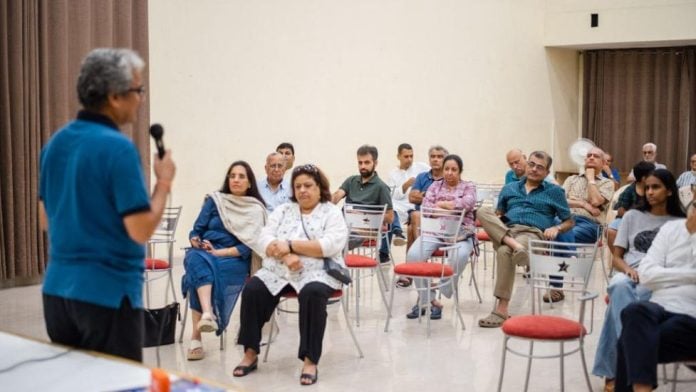
New Delhi: In 2011, Annu Khan paid Rs 4 lakh to book a 3BHK flat in Greater Noida, hoping to own his first home in Delhi-NCR. But Khan found himself caught in a prolonged wait, court battles, and protests alongside hundreds of other homebuyers. He also became the president of the Noida Extension Flat Owners and Members Association in 2011. Meetings with MLAs and repeated visits to government offices soon became part of his routine as he fought to get the house he had paid for.
Resident Welfare Associations are widely viewed as one of the most powerful platforms, often a republic unto themselves. But Khan realised very quickly that there were limits to the power of being an RWA head. It fell short when compared with political power. Many RWA presidents nurse political ambitions and view the residents’ work as a launchpad for politics. Others just see it as a logical next step to their work. But it isn’t always a smooth transition.
In 2018, Khan and several other homebuyers finally got possession of their flats after the developers and farmers resolved the land dispute. But the struggle did not end there. Khan continued visiting MLA offices and government departments, raising residents’ concerns over inadequate water supply, frequent power cuts and poor roads.
After more than a decade of approaching those in power, Khan decided to try a different route. In the 2022 Assembly elections, he contested as an independent candidate from Dadri, a constituency that includes parts of Noida Extension (also known as Greater Noida West) and Greater Noida. He challenged sitting BJP MLA Tejpal Nagar.
Khan hoped to take residents’ concerns directly to the decision-making table.
“When you are outside the political system, you keep knocking on doors, hoping someone in power will listen. By entering politics, you get a larger platform, a wider audience and a better chance of taking people’s issues directly to decision-makers,” said the 48-year-old.
Annu Khan’s journey reflects a growing trend across Noida, Greater Noida, Gurugram and Delhi, where RWA presidents, federation members and residents’ representatives are stepping into electoral politics. Some have joined political parties, while others have contested elections independently, hoping to take residents’ concerns beyond society meetings and protest sites to a wider public platform and directly to those in power. RWAs in India are what school boards in the United States are – the ideal launchpad for a public, political life.
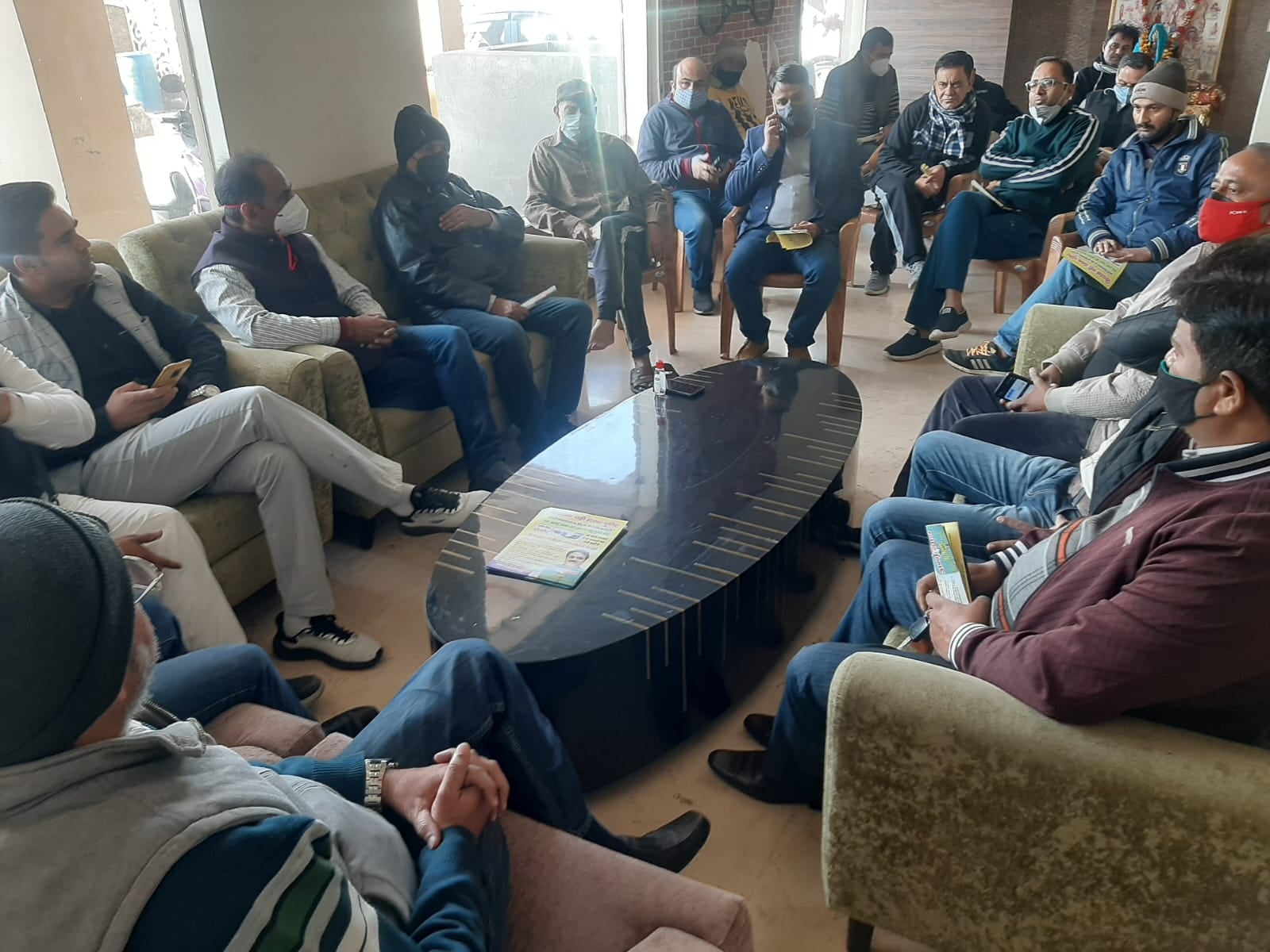
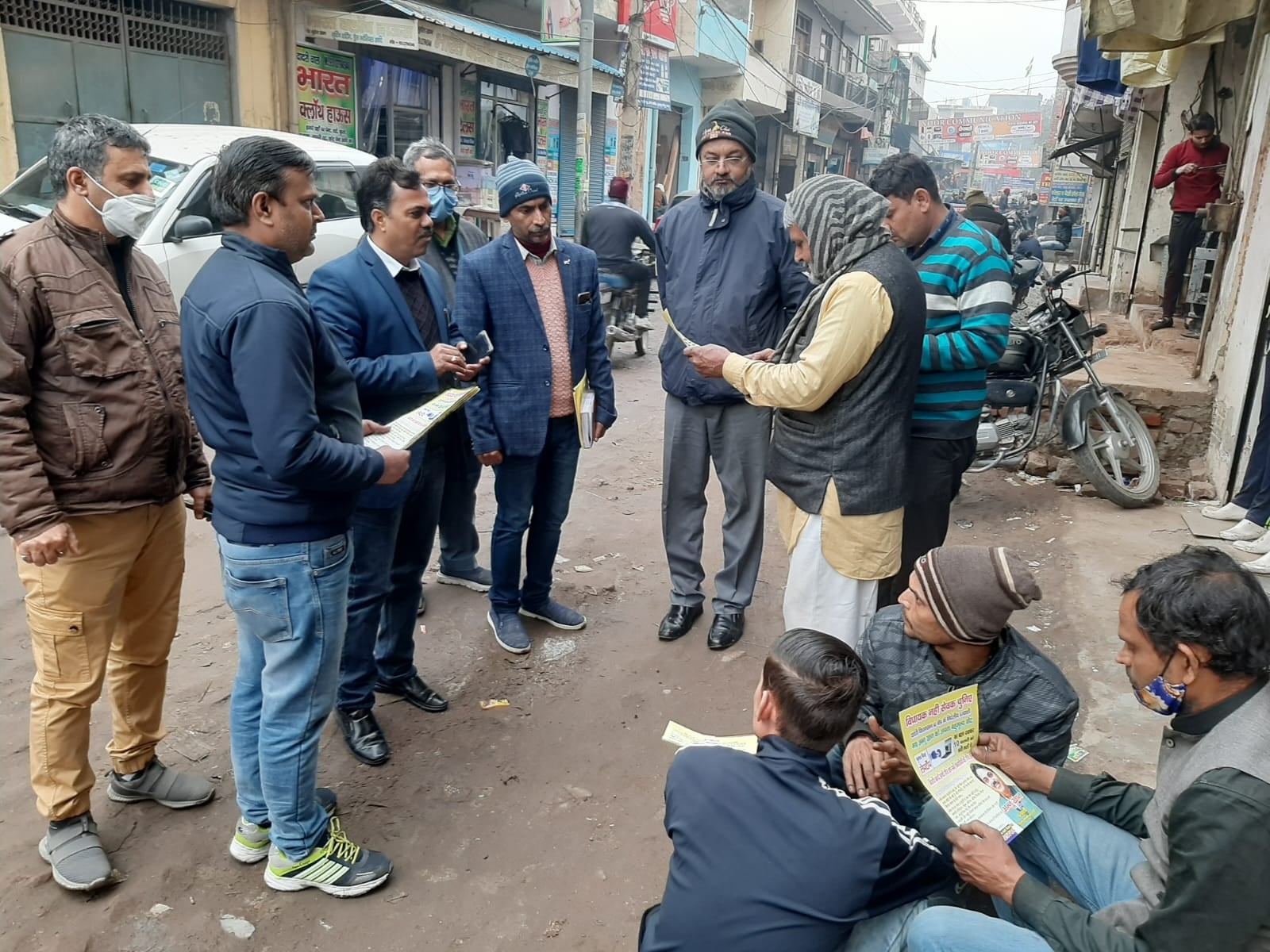
However, entering electoral politics did not necessarily translate into the support that residents’ representatives might have expected. Across the region, several such candidates have campaigned extensively, meeting residents, moving from one housing society to another and reaching out through WhatsApp groups of apartment owners. Many failed to secure the electoral backing they had anticipated.
The solidarity that brings residents together during protests and civic campaigns does not always translate into votes. Khan has been fighting for homeowners’ rights for a decade and he said that the problems remain largely unresolved.
“I entered politics believing it would give me a stronger platform to take these issues directly to those in power. I assumed that thousands of residents whose battles I had fought would stand by me at the ballot box. But I soon realised that the people who stand with you during a protest do not necessarily vote for you in an election,” he said.
For the rights of residents
“My involvement in public life was driven by the belief that citizens should carry responsibilities beyond voting and paying taxes.”
Sanjay Lal, president of the Federation of Apartment Owners Association in Gurugram, was also an independent candidate in the 2024 Assembly election. He fought from the Gurugram constituency under the banner of NAAGRIK, with a bunch of people as his political symbol. Lal is a familiar face among apartment residents and he voices their concerns in the political arena.
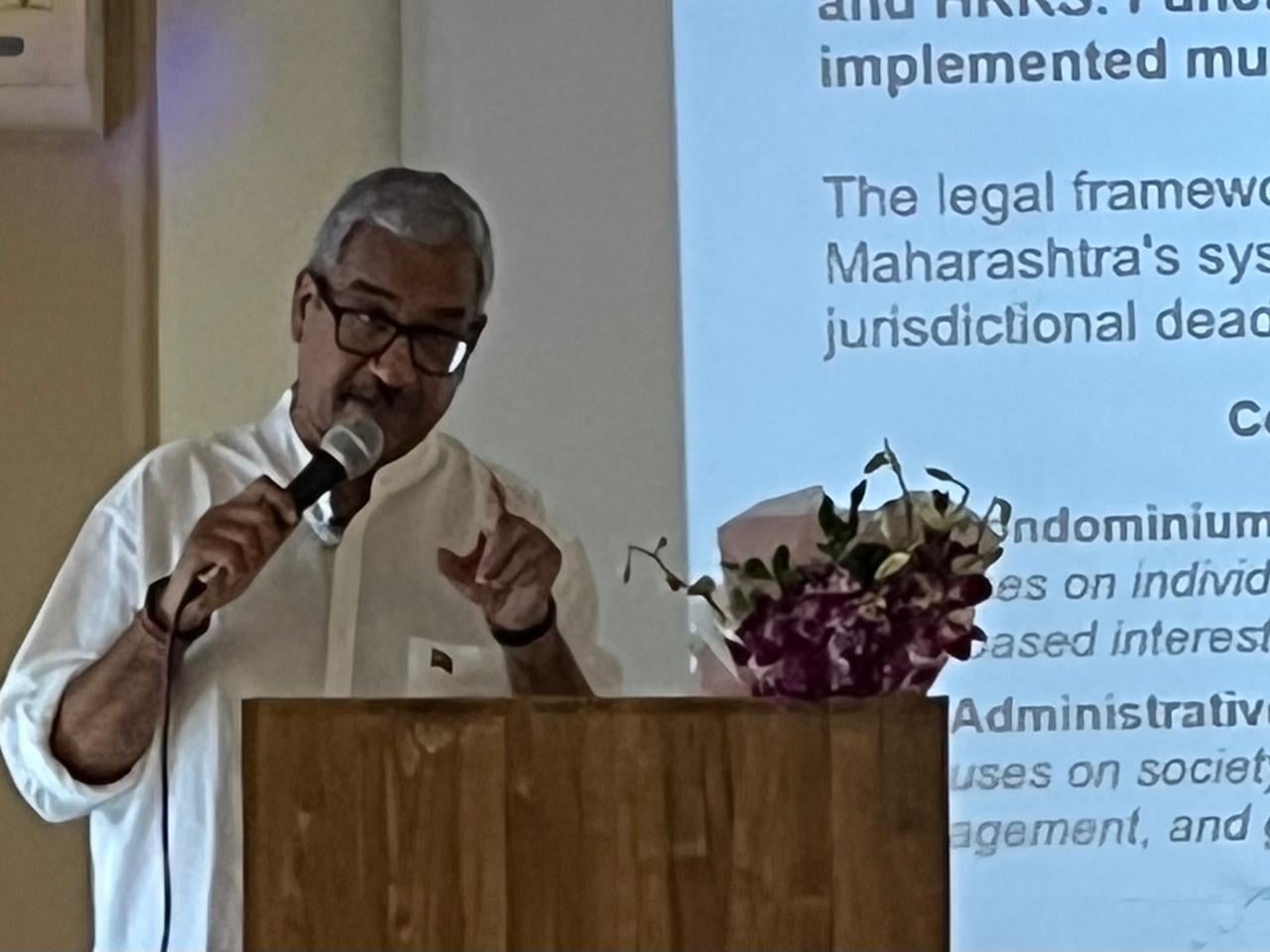
Lal’s phone is always buzzing. One caller wanted the contact details of the district registrar in Gurugram. Another resident was trying to figure out where to complain about an RWA over high maintenance charges. This prompted Lal to put out a message in a wider group, explaining the rights of apartment owners.
“Maintenance recovery and ownership are two separate legal issues,” one of his messages reads.
For Lal, these conversations are part of an everyday routine. His living room has, in many ways, become an informal help desk for apartment owners navigating disputes, regulations and the often-complicated relationship with their RWAs.
His journey into residents’ activism, however, began much closer to home.
Having moved into Ambience Lagoon in 2000, Lal gradually became involved in issues concerning the society, with complaints about new tower development in the society and decreasing green space. By 2012, he had started actively participating in the RWA, raising questions about maintenance charges, membership rights and the provisions of the Real Estate (Regulation and Development) Act, or RERA.
“My involvement in public life was driven by the belief that citizens should carry responsibilities beyond voting and paying taxes. Citizens should participate in discussions and influence decisions that affect everyday life,” Lal said.
He went on to serve as an RWA member of his own society in Gurugram for nearly a decade before taking on a larger role in 2022. He became the president of the Federation of Apartment Owners Association.
Lal’s work has not been limited to attending meetings or visiting government offices. Much of it happens through phone calls. Residents and fellow RWA members often point to his accessibility as one of his biggest strengths.
“If anyone needs a contact in the registrar’s office, MCG or information related to RERA and flat owners’ rights, Sanjay Lal is the right person to approach,” said Rishi, a Gurugram resident.
The trust Lal had built with residents over the years also shaped his decision to enter electoral politics in 2024.
“I never began my community engagement with the intention of entering active politics or becoming a politician. However, over time, as I worked to address various civic issues, I realised that many of these problems cannot be resolved merely through correspondence, representations or meetings with people and authorities,” said Lal. He decided after discussions with friends and RWA members, who supported and encouraged him to take the plunge.
“To address them effectively, one needs to be part of the system where administrative accountability can be ensured, policies can be changed and political will can be shaped. Simply submitting representations is not enough; issues need to be taken to their logical conclusion. For that, one needs to be at the table where policies are framed”, he added.
Lal’s decision to contest as an independent candidate shaped both his campaign and his approach to voters. Rather than relying on the conventional machinery of party-led politics, he chose a quieter, more personal route. There were no public rallies or banners bearing his name and face plastered across roads and residential societies. Lal reached out to residents through living room conversations, RWA meetings and phone calls, focusing on building direct connections with voters.
Like many who enter electoral politics after years of community work, Lal also came to the painful realisation after contesting the 2024 Assembly elections that public engagement and recognition do not necessarily translate into votes at the ballot box.
“We are dealing with an RWA and a federation, where you are dealing with a certain set of people who are widely educated. But when you get into the Assembly, you have to deal with a lot of constraints. You have villagers, rickshaw drivers, vegetable vendors outside the society and you have people who don’t have social media, various strata of people. They don’t know you,” he said. Lal added that even the people who recognised him did not necessarily vote for him.
But one failure hasn’t made him stop in his way. He is not ruling out another electoral bid. He hopes to contest the next election, though whether he does so independently or under a party banner remains undecided.
“People still vote for the symbol and name of a political party. But to bring change and voice the concerns of residents, we will continue working and think about how to move forward in the coming elections,” he said.
For now, Lal’s phone keeps ringing. The questions remain familiar — a maintenance dispute here, a registrar’s contact there, or a resident trying to understand their rights. His electoral journey may not have delivered the result he hoped for, but the everyday work that brought him into public life continues, one conversation at a time.
Religion and Vote
“People who complained about political parties still chose to vote for a party and its symbol.”
Much like Lal, Khan chose a quieter campaign trail, taking his appeal directly to the residents of Greater Noida rather than relying on large public gatherings or conventional election publicity. He visited residential societies, met people personally and sought their votes, often reminding them of his work during the Covid-19 pandemic. Khan had helped arrange food for residents and even made arrangements for the last rites of people who lost their lives.
However, contesting as an independent candidate was not Khan’s first choice. Before taking the plunge, he explored the possibility of getting a party ticket.
“Some denied me a ticket because of my Muslim identity, while others asked for lakhs of rupees in exchange for one,” Khan said.
With no backing, he eventually decided to contest independently. As he began his campaign, going door to door, he received what he described as an encouraging response.
He was contesting against BJP MLA Tejpal Nagar in the Dadri Assembly constituency, but Khan said his interactions with residents gave him reason to believe that his message was finding an audience.
At almost every stop, he said he encountered residents voicing their frustrations with the government and raising concerns about civic neglect. Recalling the campaign days, he added that many residents wanted someone who could represent their everyday problems without being driven by party affiliations or political interests. Their response strengthened Khan’s belief that his years of community engagement could translate into electoral support.
The result day didn’t go as expected. He didn’t get enough votes to win.
“I thought that even if I did not win, I would at least get a substantial number of votes. But people who complained about political parties still chose to vote for a party and its symbol,” he said. “People want us to fight for them, but when it is their turn to support us, they step back and choose a big name. This is not how change comes.”
For Khan, the experience also brought back a larger question about the relationship between community work and political representation. As president of the Noida Extension Flat Owners and Members Association (NEFOMA), a federation formed in 2010, he has spent years raising issues concerning residents of Greater Noida. He is also among its founding members.
His engagement with civic issues, however, has not always been free of social and political barriers. Khan said his Muslim identity has, on several occasions, affected his efforts to represent residents, with some elected representatives allegedly refusing to meet him. He believes this may also have influenced the response to his electoral candidature.
The election defeat has not diminished his belief that people working at the grassroots need a place in the political system. For Khan, the need for independent voices is closely linked to the everyday concerns of homeowners and residents, whose problems often remain unresolved despite repeated representations to authorities.
From broken roads and traffic congestion to inadequate public transport and the long-pending promises of metro connectivity and bus services, Greater Noida’s civic concerns, he argued, require representatives who understand the realities on the ground and can push for practical solutions.
“MLAs visit when they need attention or publicity, perhaps to cut a ribbon at an inauguration. But when we approach them with a problem, a complaint or a genuine need, they do not even have time to sit down and listen to us properly,” he said. “That is why more people from RWAs should enter politics. There should be someone within the system who understands our problems, listens to us and ensures that our voices reach those who have the authority to bring about real change.”
Even outside the election season, Khan continues to use social media to draw attention to the region’s civic concerns. His posts on social media frequently highlight pothole-ridden roads, gaps in public transport, traffic congestion and the lack of metro connectivity.
Khan is now looking forward to the next election, hoping to return with a stronger presence among residents and a more organised campaign. He believes the challenge is not necessarily a lack of public trust, but making his work and candidature more visible to voters.
“People have trust in us, but they need to see us more. We will work on increasing our visibility and come back in the next election,” he said.
Between society meetings and party offices
“We have to maintain a connection with the political system because that is where decisions are made and people’s problems can find a solution.”
Narendra Pal Singh, in 69 years of his life, has grown accustomed to wearing different hats, often within the same afternoon. Seated in his home office in Noida’s Sector 36, he shifts between roles as visitors walk in, each bringing a different concern or request. For some, he is the president of the Federation of Noida Residents Welfare Associations (FONRWA), someone they turn to for help with society-related issues. For others, he is a BJP functionary who can help them connect with party leaders, local representatives and political workers.
His role changes every hour with the person sitting across from him and the reason for their visit.
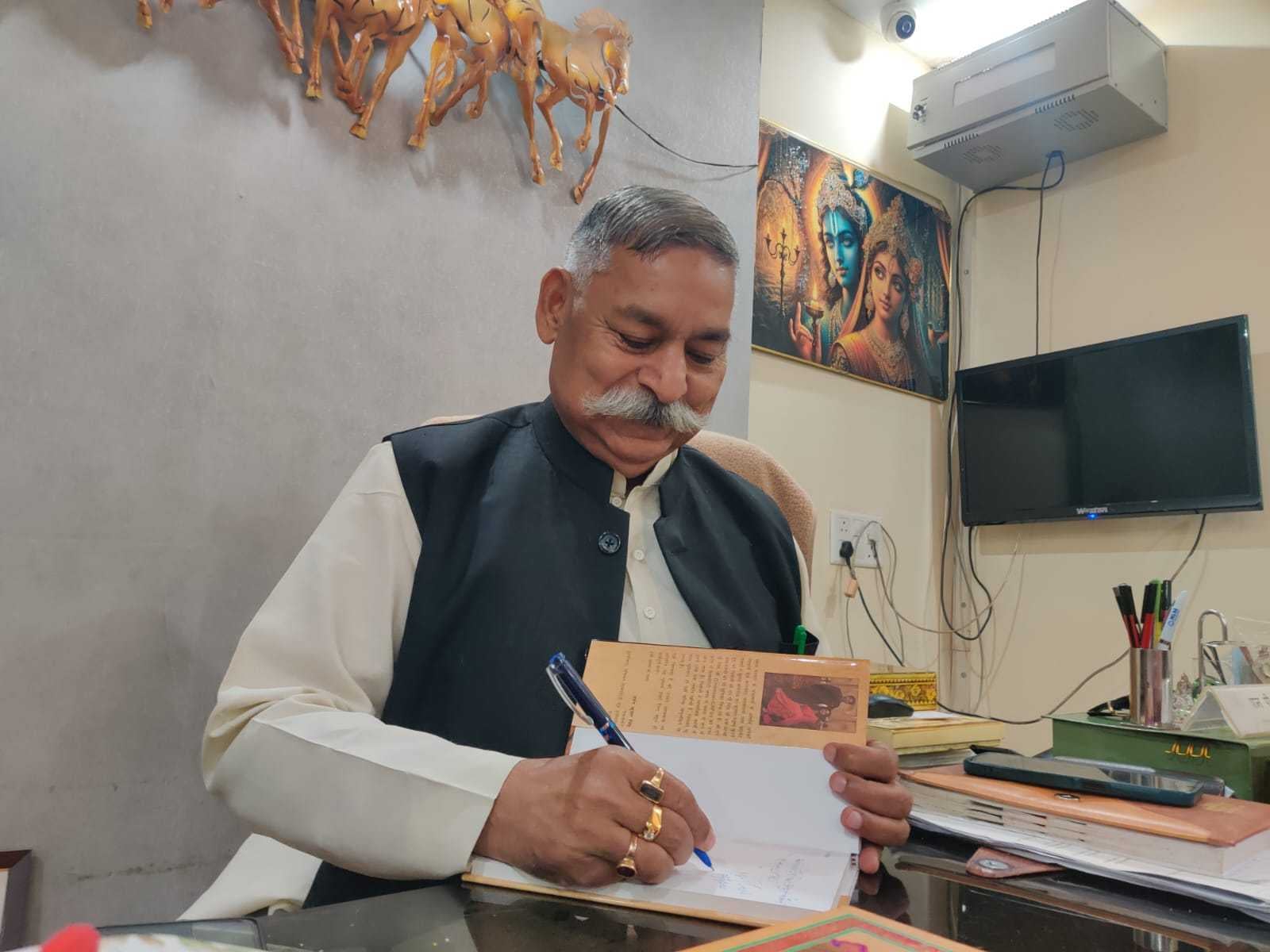
On one side, a woman in a yellow suit, an RWA president from a Noida society, has dropped by to extend her Diwali wishes. Across the room, another visitor is requesting Singh to arrange a meeting with the sitting Noida MLA, hoping to join the BJP as a party member.
“I am a people’s person. Whether I am working with RWAs or with a political party, it is ultimately about listening to people’s problems and finding solutions for them,” Singh said. “There are several issues and situations that political parties sometimes fail to address. That is where people like us, who represent residents and understand their needs, step in and raise their voices.”
A postgraduate student in Moradabad, Singh found limited employment opportunities after completing his MA. In 1980, he moved to Delhi in search of a job and began working as a supervisor with a security agency. After spending more than three years there, he visited Noida in 1983, when the city was still taking shape as a developing urban centre in the National Capital Region.
What he saw was a city with considerable room to grow. At first, he started by working at a security agency and then Lal opened his own security agency with his brother and a relative in 1984-85. In 1996, he built his house in Sector 36 and gradually became involved in the neighbourhood’s residential affairs. With the need for better coordination and management of local issues becoming increasingly apparent, he became part of the effort to form a Residents’ Welfare Association (RWA) in his sector.
His involvement soon extended beyond his own neighbourhood. In 2000, the Federation of Noida Residents Welfare Associations (FONRWA) was formed, bringing together Singh and more than 15 other members in an effort to provide a collective platform for Noida’s RWAs. By the 2006 federation elections, Singh had risen to the position of president.
His proximity to political circles, therefore, did not emerge overnight. Over the years, he has witnessed different political dispensations govern Uttar Pradesh, from the Bahujan Samaj Party (BSP) and the Samajwadi Party (SP) to the BJP.
Throughout these changing political phases, Singh said his engagement with party offices and local MLAs remained largely driven by the need to get residents’ concerns heard.
“For me, it has never mattered who is in power or which party is ruling. I have always visited party offices and approached MLAs because that was one of the most direct and accessible ways of getting residents’ work done,” he said.
Singh has seen Noida evolve under successive governments. He draws comparisons between their approaches to the city’s development and administration. Recalling the Samajwadi Party government led by Mulayam Singh Yadav, he said several promises concerning better roads, schools and civic infrastructure did not translate into the expected improvements on the ground.
He also recalled approaching Mayawati, during her tenure as chief minister, on several occasions, pointing to the rising crime in Noida, but her intervention did not result in a visit to the city. In contrast, Singh credits the BJP government with bringing improvements in governance and development.
He said direct approvals and intervention from Chief Minister Yogi Adityanath helped strengthen administration, while crime in Noida also declined during this period.
“We have to maintain a connection with the political system because that is where decisions are made and people’s problems can find a solution,” Singh added.
His own political journey has included associations with more than one party. Before joining the BJP, Singh was actively associated with the Congress, where he served as the Sangathan Mantri (Organisation Secretary) until 2017. He was also associated with the party’s handloom wing and served as the Congress Seva Dal Adhyaksh (President of the Congress Seva Dal) during 2016–17.
At one point, Singh had considered contesting an election on a Congress ticket. However, he said he eventually stepped back when the party favoured an alliance with the Samajwadi Party, with whose political ideology he did not feel aligned.
Singh recalled receiving an invitation from Samajwadi Party founder Mulayam Singh Yadav to join the party, along with an offer of an election ticket.
“Mulayam Singh had invited me to join his party and even offered me a ticket, but I refused. I did not want to work with them because I did not connect with their ideology,” he said.
In 2017, Singh joined the BJP and has since been associated with the party as a Karyakarini Sadasya in Noida. For Singh, he said the relationship between residents’ welfare and politics is ultimately rooted in access and accountability. The RWA provides the platform to understand people’s everyday concerns, while political connections offer a route to take those concerns to the authorities who have the power to address them.
“We are first members of our RWAs and representatives of our societies. The party comes later. We work for residents, and the party in power matters only as long as it listens to us and works for us. If we can join a party, we can also leave it when it stops addressing our concerns,” he said.
Also read: Can a restaurant save Bengal’s disappearing rice diversity? Amar Khamar is trying
Caught between two responsibilities
The dual responsibility of a BJP office-bearer and an RWA general secretary has often placed Kanchan Kumar, 53, in an uncomfortable position. As the vice-president of the BJP’s CR Park Mandal and president of Rishi Apartments in Alaknanda, New Delhi, Kumar occupies two roles. At times, the overlap has drawn questions and criticism from the very residents she represents.
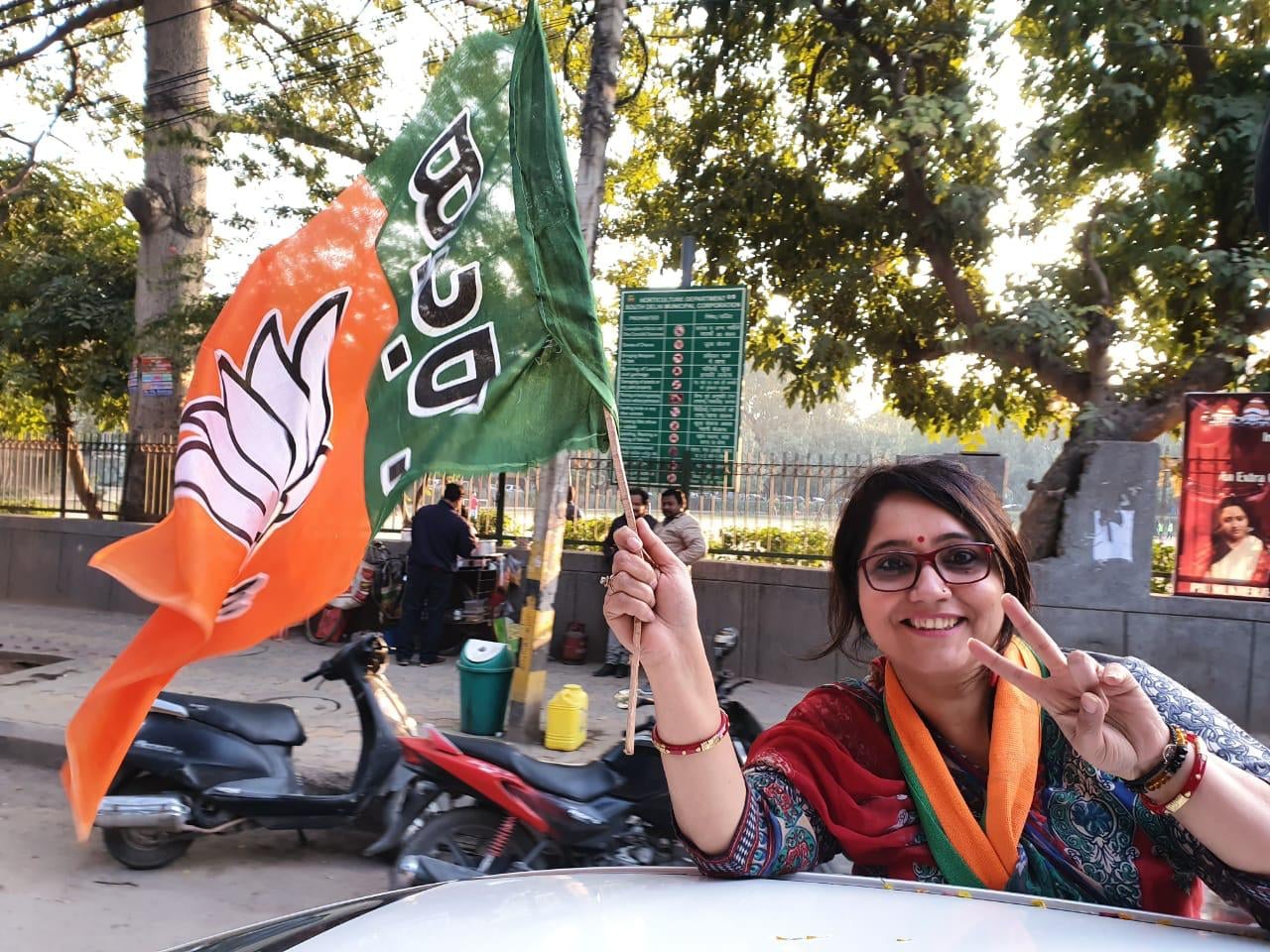
Unlike party politics, where people may come together around a shared ideology, an RWA brings together residents with different political beliefs and affiliations, all expecting their concerns to be represented equally. Kumar said her association with the BJP has, on several occasions, become a reason for residents to question her intentions and the fairness of her decisions.
“There are residents with different political ideologies and political loyalties within the same society. When they see me actively associated with a particular party, some begin to assume that I will work only for people who share my political views. But my responsibility as an RWA president is to represent every resident, irrespective of which party they support or what their beliefs are,” said Kumar.
The challenge, however, extends beyond residents’ perceptions and society boundaries. Political affiliations often affect an RWA representative’s access to government departments and local authorities, especially when the political leadership changes.
“Parties may change, governments may change, but the residents and their problems remain the same. Unfortunately, when the political equation changes, your past association with a particular party can come in the way of getting work done. People who were willing to help earlier may become reluctant once they realise that you belonged to a different political party,” she added.
Kumar visited Municipal Corporation of Delhi (MCD) offices seeking assistance with civic concerns, ranging from garbage collection and water-related problems to road maintenance, but struggled to get the necessary response. There were also incidents when officials did not send staff to address complaints, while representatives associated with other political parties were reluctant to meet her or extend support.
However, within Rishi Apartments, Kumar’s work as an RWA president continues to be visible in the everyday details of community life. As she sits in the society park, residents frequently stop by to greet her. Her work is reflected in the upkeep of common areas, the repair of children’s swings and the organisation of community celebrations, including the society’s Diwali festivities.
“An RWA has its own set of challenges and internal dynamics. It takes considerable time and effort to understand residents’ concerns, coordinate with authorities and get even basic civic work done. Active party politics comes with its own commitments, responsibilities and expectations. Balancing the two is not always easy, particularly when the interests of the party and the expectations of residents do not necessarily align,” she said.
Kumar said she recognises the importance of political engagement in getting civic issues addressed, but RWA must remain above party affiliations if it is to represent an entire neighbourhood.
“One has to choose between being an active RWA representative and an active political party member. While limited participation in both may be manageable, holding an active position in both roles makes it difficult to do justice to either,” Kumar added.
(Edited by Ratan Priya)