




Narnaul/Chandigarh: For decades, the forgotten 17th-century monuments of Narnaul had only two kinds of visitors: drunkards looking for shade, and village elders blowing smoke from their hookahs into crumbling arches. There were no tourists. Now, the Haryana archaeology department wants to correct this by reclaiming Narnaul’s history and getting others to discover it too.
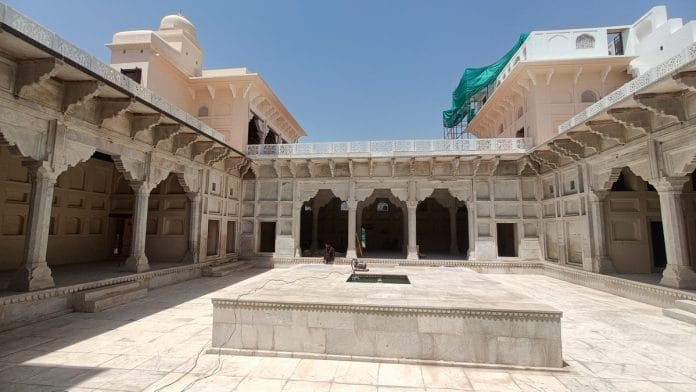
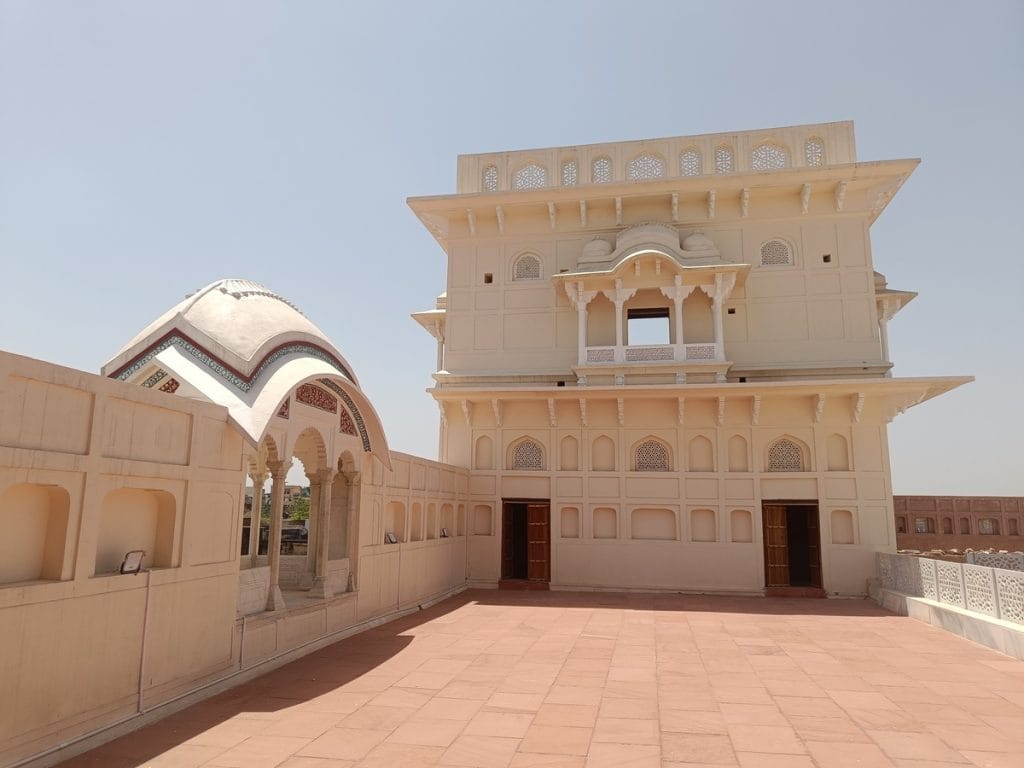
At Chhatta Rai Bal Mukand Das — a majestic palace once home to Emperor Shah Jahan’s Dewan — artisans are now giving the final touches to a restoration project that began in 2022. Perched on a wooden ladder in the scorching April heat, an artisan painstakingly brushes the stone at the top of the five-storey building. His biggest challenge is to restore without renewing.
“Workers are being told not to do anything from their own expertise, but just to follow instructions based on the earlier construction of this site. The idea is to not recreate something new but to restore the old one,” said Danish, who is supervising the restoration work.
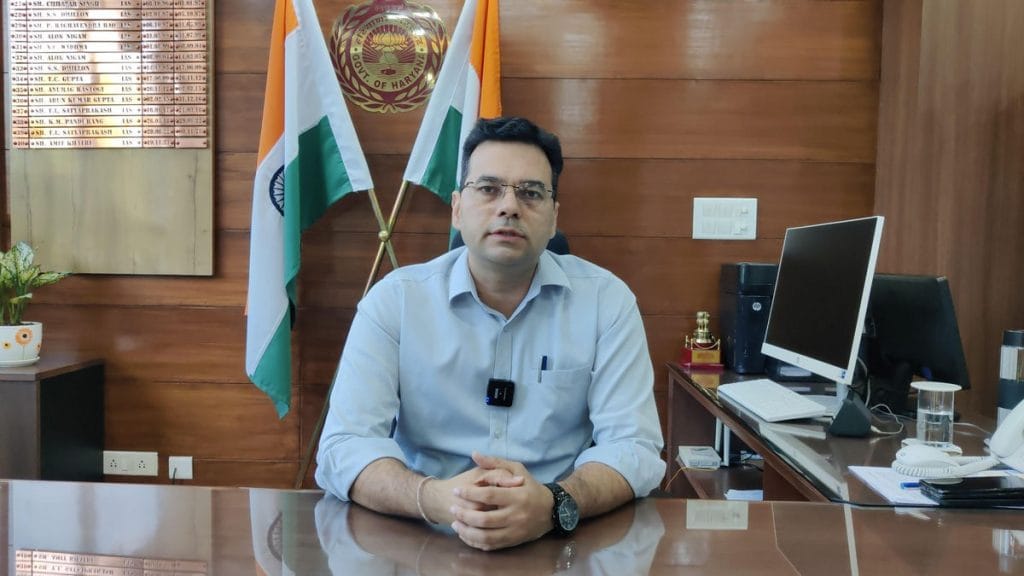
This drive to supercharge Haryana’s heritage isn’t limited to Narnaul. While the political appetite has existed for a decade, the execution has gathered a new momentum under Amit Khatri, a 2011-batch IAS officer and director of the Haryana Archaeology and Museums Department.
He is trying to put Haryana on the tourist map by unearthing and polishing its forgotten history. He wants to show that Haryana’s history does not begin and end with the battlefield of Kurukshetra, but spans a lesser-known wealth of palaces, forts, baolis, and Harappan mounds.
Twenty-five trolleys of poop were removed from the site [Chhatta Rai Bal Mukand Das]. Haryana archaeology has seen drastic changes in the last few years. The monuments neglected for centuries are now turned into places that are worth seeing. It’s a golden era
-Banani Bhattacharya, former deputy director, Haryana Archaeology Department
From restoring bat-infested ruins and dilapidated arches to curating heritage walks and comic books, the department is repackaging Haryana’s neglected past. The goal is to turn sites such as Narnaul’s Mughal-era structures and Rakhigarhi’s ancient remains into public-facing heritage hubs.
“When I joined, the department was as bad as the ruins and lacked excitement,” said Khatri, who took charge in January 2023, at his office in Chandigarh.
A posting to the archaeology department is often considered shunting and punishment, but Khatri has treated it like a flagship project. Even while juggling additional charges as CEO of the Haryana Kaushal Rozgar Nigam and director of Town & Country Planning, he has helped rebrand the state’s archaeology with a cooler look and a level of engagement it has never seen.
“Heritage and history are not side topics but a field of opportunity to engage the present with the past,” said Khatri, whose office shelf is full of booklets with before-and-after photographs of the monuments, brief histories, and the details of the heritage agencies hired for restoration.
Also Read: ASI’s ghost campus in Noida—grand new Rs 289-cr facility, 15 students, no faculty
PPP-style heritage
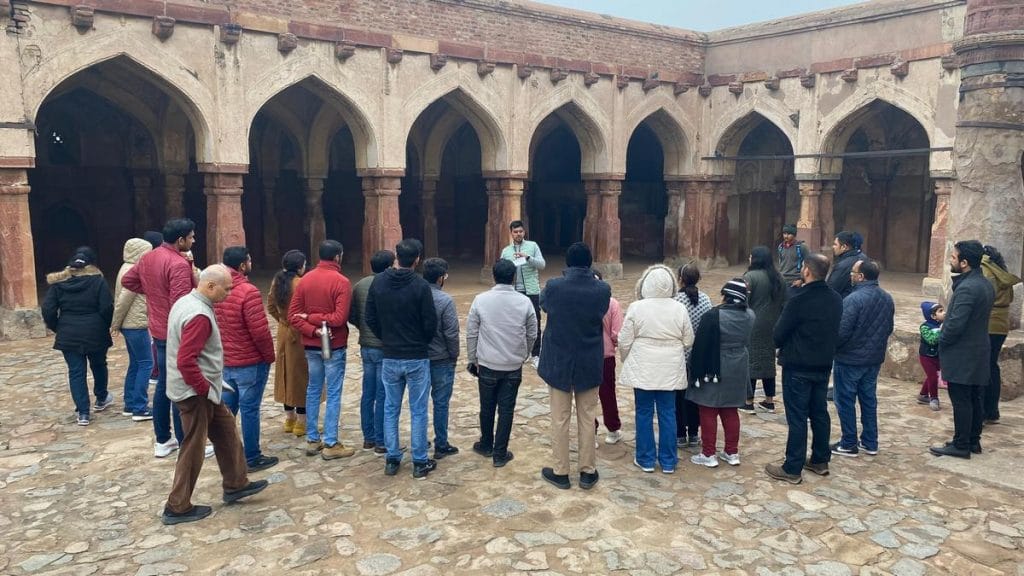
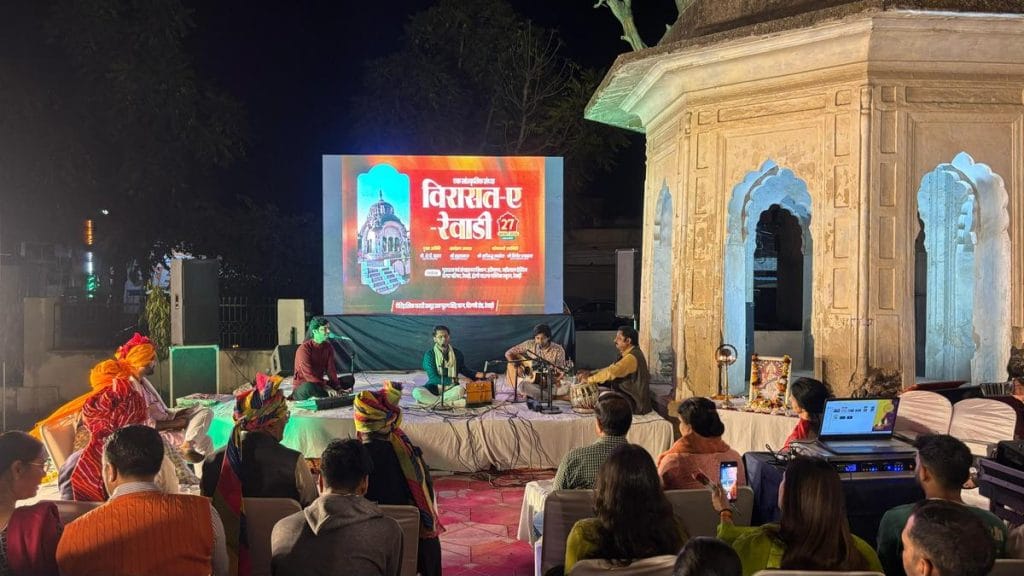
The archaeology department is hunting for partnerships in every district, with the explicit aim of taking heritage out of the sarkari system and into the hands of citizens, NGOs, and local enthusiasts. In the last 27 months, 117 heritage walks, baithaks and musical nights have been organised across 18 districts. At least 5,000 people have participated.
To lead the heritage walks, the department has roped in local experts such as researcher and conservationist Sunil Harsana in Faridabad and PhD scholar Sumit Jamwal in Kurukshetra. It has also partnered with organisations, including the INTACH Hisar chapter in Agroha, Mewat Kal Aaj Kal in Nuh, and Delhi Roots in Rakhigarhi.
In March, Harsana led a nature and heritage trek through the Aravallis of Faridabad, exploring prehistoric petroglyphs and stone tools.
“Step into the living landscape of history and nature,” read the department’s Instagram post about the walk.
Another part of the strategy is corporate money. For the first time since the department’s inception in 1972, CSR funds are being tapped to conserve and promote heritage. Khatri said that corporate partners are eager to sign on, with funds already being channelled into amenities at sites such as the Badshahpur Baoli in Gurugram and the Group of Tombs in Tauru.
When I joined, the department was as bad as the ruins and lacked excitement
-Amit Khatri, director, Haryana Archaeology Department
The work has not gone unnoticed inside the Haryana government.
“Khatri is a no-nonsense, tech-savvy bureaucrat with a clear vision,” said a former commissioner and secretary of Heritage and Tourism, who has since moved to another department. “Within a few years, he turned a boring department into an interesting one with his ideas and initiatives. Now, his department is one of the important ones in the government.”
His work aligns with the new priorities of Haryana’s Nayab Singh Saini government too.
“This is the new India, where we draw inspiration from the past and look toward the future,” said Chief Minister Saini at the second Rakhigarhi Mahotsava last December, where he also announced an allocation of Rs 500 crore for the 5,000-year-old Harappan site.
Social media, comics, campaigns
In the last three years, the department’s social media handle has also been stirred awake. Within weeks of taking over, Khatri brought in a young, contractual team to overhaul promotional campaigns.
Kush Dhebar, a graphic novelist who also has a PhD in Ancient Indian History, Culture and Archaeology from Pune’s Deccan College, was given charge of publications. Vineet Bhanwala, 29, who has a master’s in Heritage Management from the Delhi Institute of Heritage Research and Management, was tasked with social media outreach.
Khatri ‘discovered’ Bhanwala through his Instagram page ‘Heritage Haryana’, on which he’d posted about his visits to nearly 300 sites in the state. Without delay, the IAS officer got in touch with him.
“I needed creative people in my team who can engage people and be able to translate our vision into reality on the ground,” said Khatri. “The department has no dearth of budget.”
The strategy is working. The department’s Instagram account now has 13,000 followers, the second highest in the state after Haryana Police. The handle runs recurring series to engage people, such as Facts of Haryana, Sculptures of Haryana, and regular quizzes. An April post on the 6th-century king Harshavardhana declared: “Under his rule, Haryana flourished as a land of prosperity, culture and learning.”
We have rebranded the department’s visibility through well-planned micro-interventions and quality content. We are focusing on illustration-based books rather than academic publications
-Kush Dhebar, consultant and graphic novelist
Books are part of the outreach as well. Since 2023, Dhebar has authored multiple comic books on Haryana’s medieval, early historic, protohistoric and prehistoric periods. Rather than producing brochures or textbook-style guides, he uses characters and stories that people can relate to easily.
“We have rebranded the department’s visibility through well-planned micro-interventions and quality content,” said Dhebar. “We are focusing on illustration-based books rather than academic publications.” More than 1,000 copies of his comics have been sold.
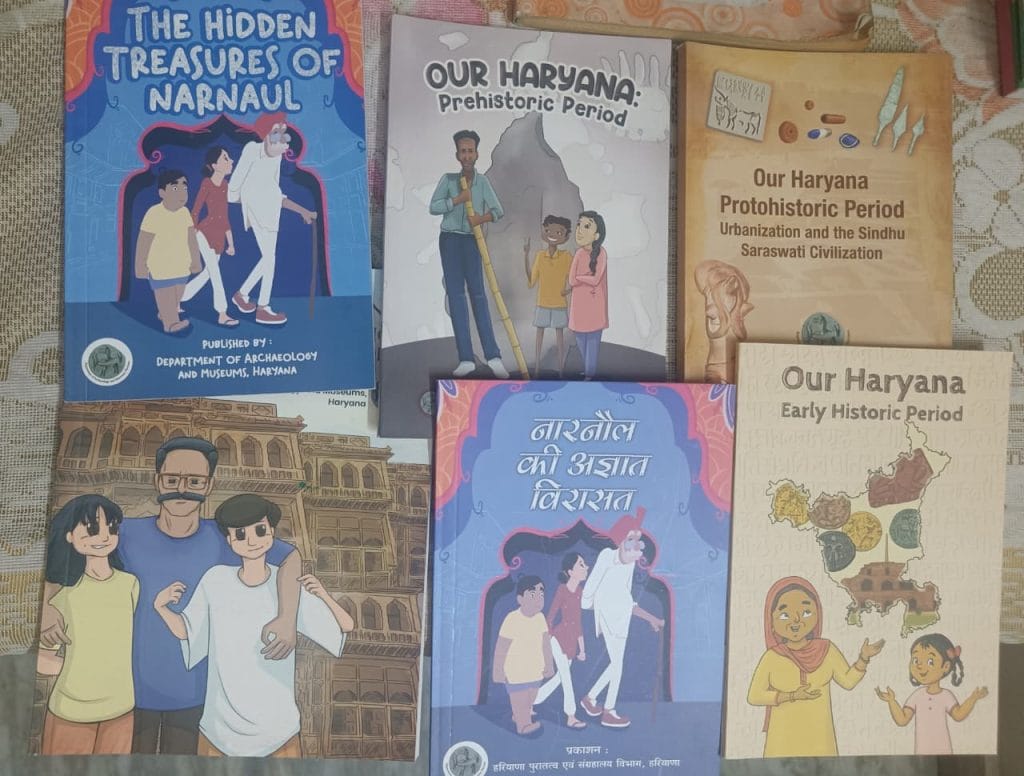
In Our Haryana: Protohistoric Period Urbanisation and the Sindhu Saraswati Civilisation, two characters named Guddu and Papa walk readers through the ancient Indus Valley and its connection with Chandigarh.
Khatri wrote the introduction for this book.
“The most unique aspect of this publication is that it makes the understanding of the Sindhu Saraswati Civilisation relevant for the present-day generations by comparing aspects like town-planning, art, architecture and social and economic stratification with the present-day city of Chandigarh,” he noted.
The department, which earlier became active only on occasions like heritage and museum days, now engages with people year-round.
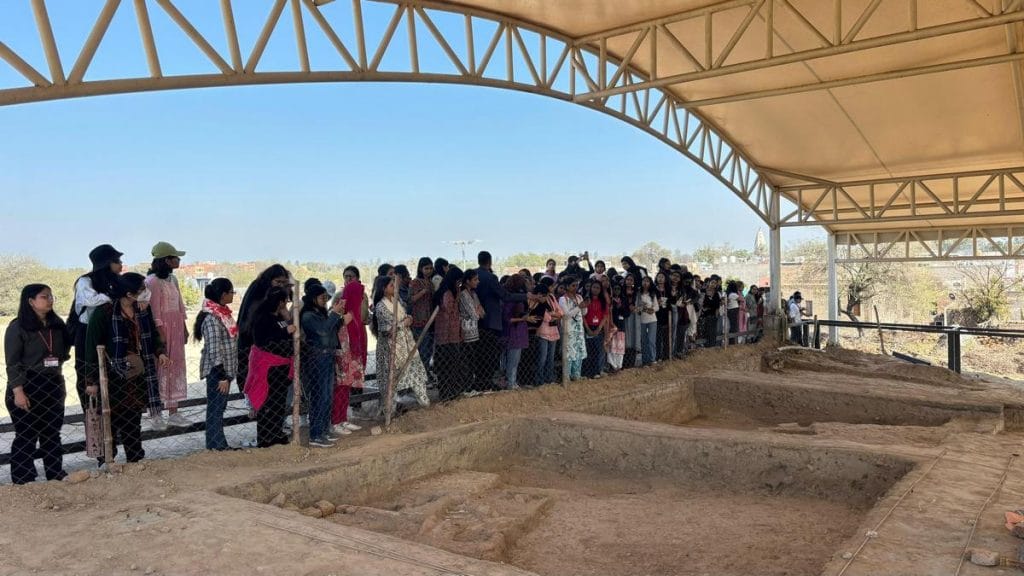
At the December 2025 Rakhigarhi Mahotsava, themed Maati se mahotsav tak (From the soil to the festival), the Harappan site was transformed into a classroom featuring a KBC-style quiz and mock digs. Stalls sold Indus Valley-themed t-shirts and replicas of Harappan seals and artefacts. “Bhuli sabhyata ki mehak apne ghar mein basayein (Bring the essence of a forgotten civilisation into your home),” read a poster at the Sindhu Smarika stall.
This merchandise, including the books, is sold on Amazon as well as during events such as the Surajkund Mela in Faridabad and the Mango Mela in Panchkula.
“Souvenirs of monuments and 3D replicas are also available on e-commerce sites. We are the only archaeology department in India that is selling on e-commerce sites,” said Dhebar.
Bat guano to ‘golden era’
Inside the Chhatta Rai Bal Mukand Das, Ashok, an employee of the state archaeology department, flips through a booklet of before-and-after photographs. Page after page shows the same monuments, first as ruins and then restored.
Ashok recalled that the palace’s roofs were broken and bats were nesting everywhere. It was so dilapidated, he said, that workers initially refused to work inside.
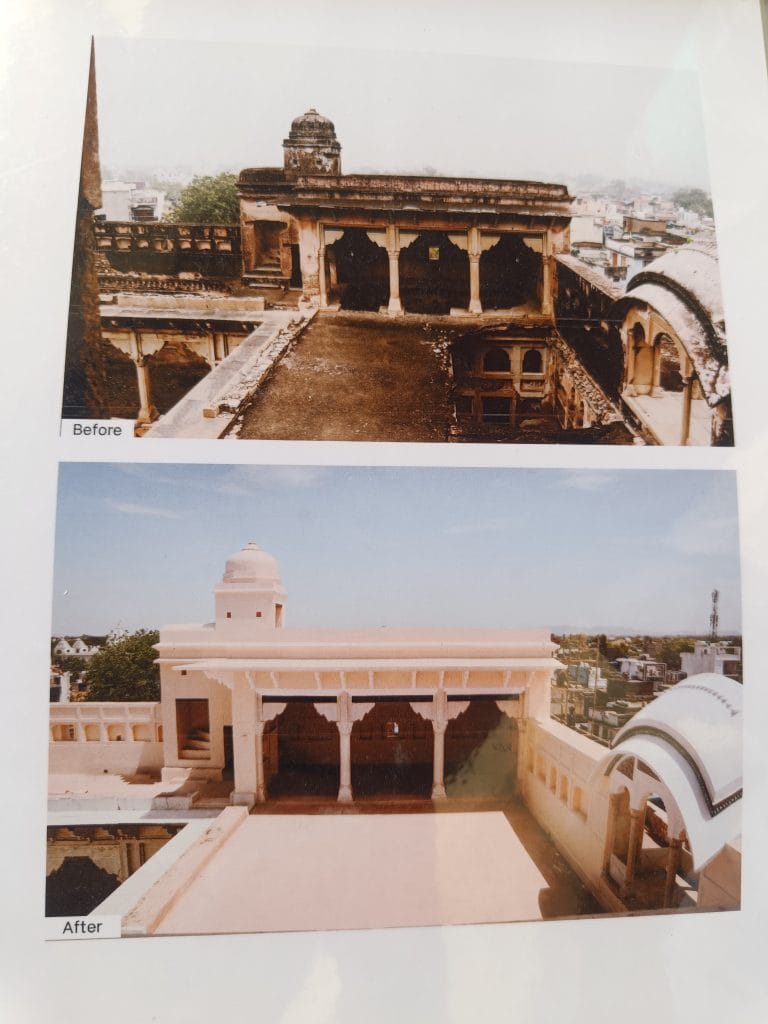
Banani Bhattacharya, the department’s former deputy director, recalls the structure in similar terms.
When conservation work began, there was such a massive pile of bat droppings there that her foot got stuck in it.
“Twenty-five trolleys of poop were removed from the site,” added Bhattacharya, who worked at the department for a decade until early this year. Today, the building’s pale facade, arches, lattices, and jharokhas look pristine.
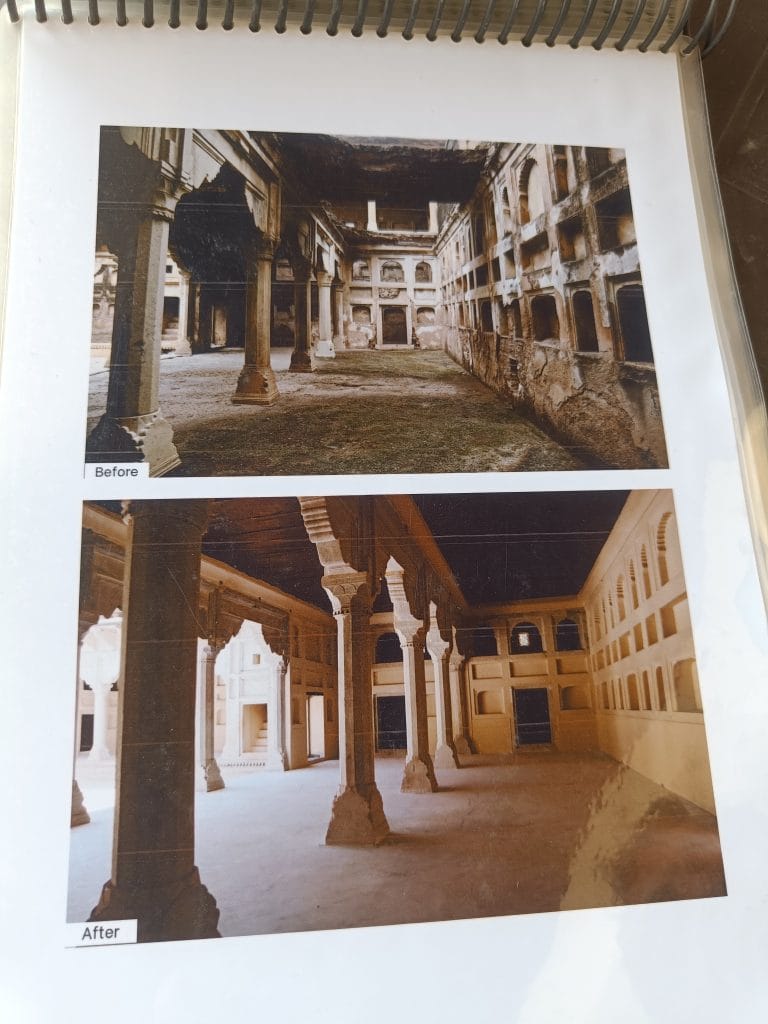
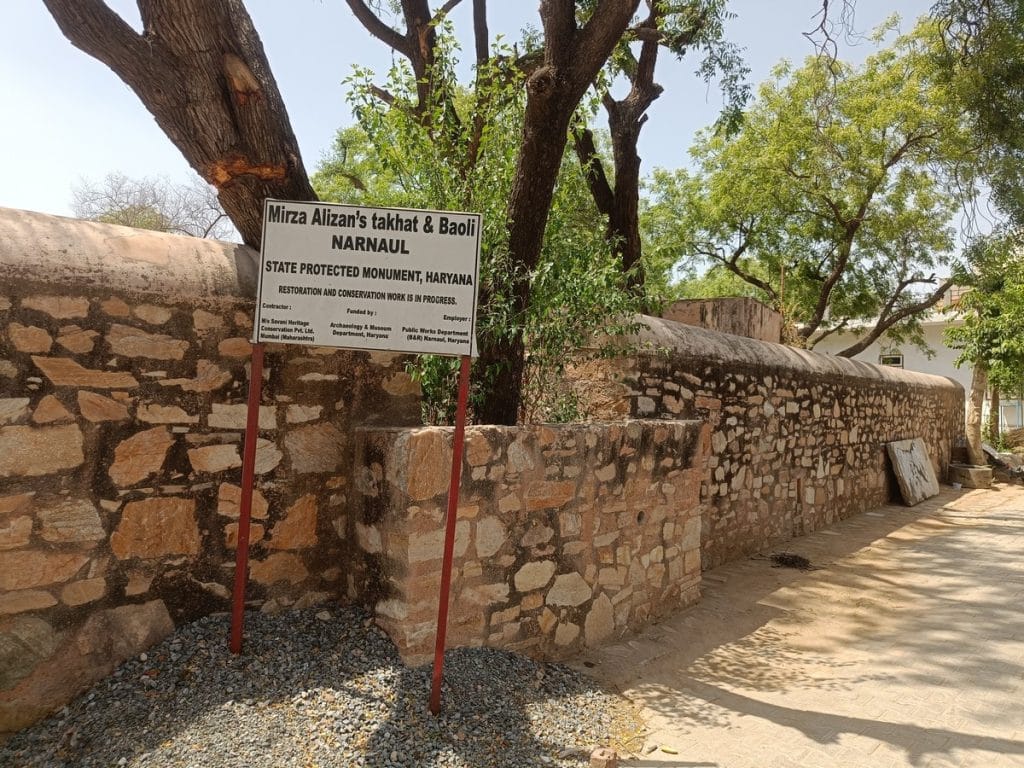
This was the first large-scale conservation push on the state’s medieval monuments. Across Haryana, conservation is currently underway at 20 sites at a cumulative cost of Rs 95.17 crore. Of that, Rs 48 crore is going to nine monuments in Narnaul alone — Heritage Minister Arvind Sharma last year said he would recommend that the chief minister formally declare it a heritage city.
Other allocations include Rs 6.7 crore for Gurugram’s Lal Gumbad, Rs 5.5 crore for Jind’s Zafargarh Fort, Rs 5.4 crore for Bhiwani’s Tosham Fort, Rs 4.5 crore for Farukhnagar’s Sheesh Mahal, Rs 4.46 crore for Kaithal’s Bhai ki Baoli, and Rs 2.16 crore for Kesuria Kheda in Palwal.
“Haryana archaeology has seen drastic changes in the last few years. The monuments neglected for centuries are now turned into places that are worth seeing. It’s a golden era for state archaeology,” said Bhattacharya.
Whenever [Haryana government] officials visit, they take a dig that the state-protected site is in better condition than the ASI-protected one
-Danish, restoration supervisor
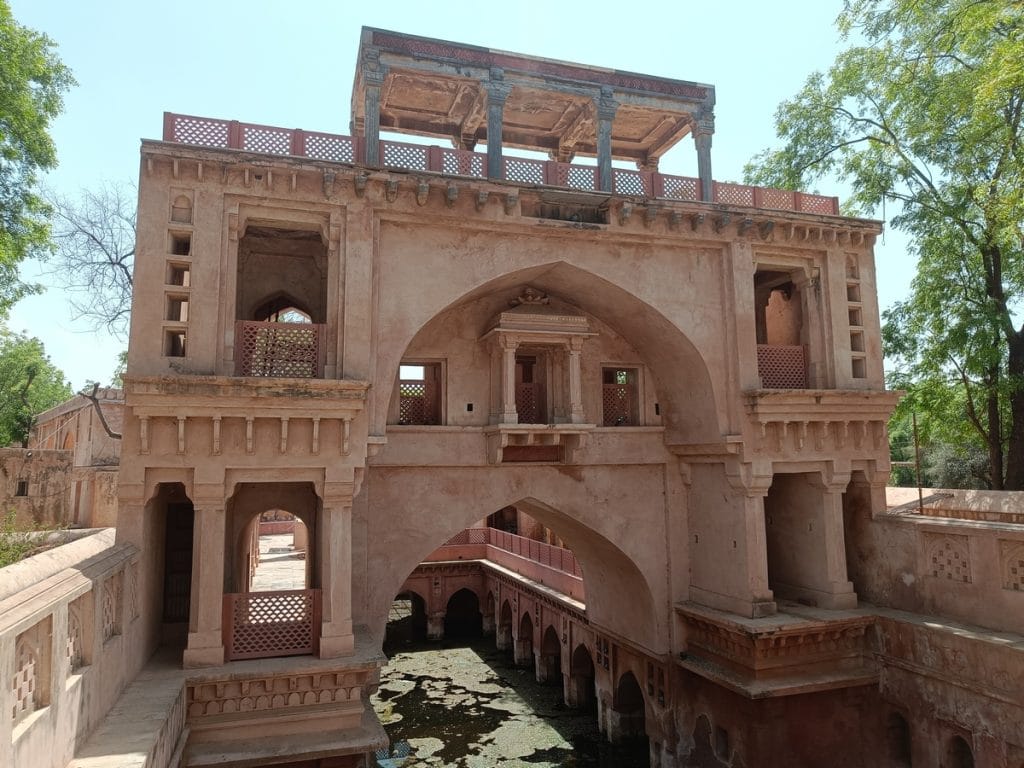
The 12th-century Pir Turkman Tomb and Mosque in Narnaul’s congested streets is another success story of reclamation. Reduced to a drinking den, here it was not bat guano but thousands of bottles that had to be cleared away before work could begin.
The complex, which features a mosque and the shrine of a Sufi saint who is believed to have arrived in the region around 1137 CE, is now undergoing a meticulous renovation. At the entrance, workers have spent days reviving the delicate mosaics.
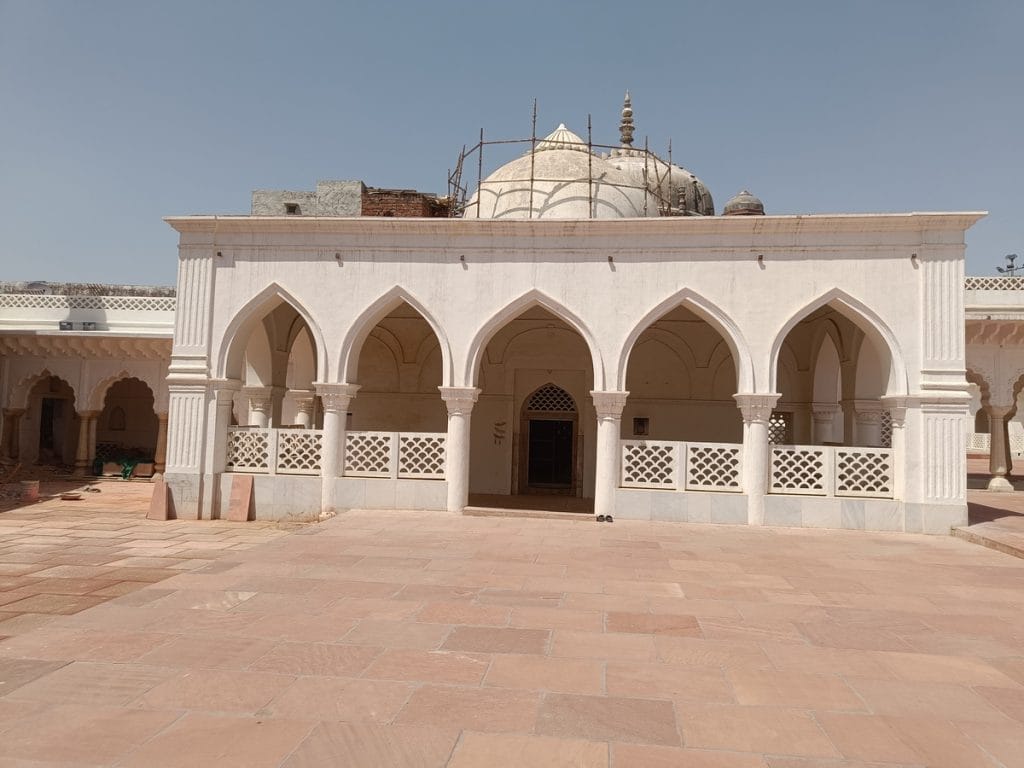
“Restoring Pir Turkman Tomb is challenging as its architecture is very fine. It takes a lot of time,” said Danish, adding that the work is so seamless that no one can tell what’s new and what’s not.
Just adjacent to this complex is the tomb of Shah Ibrahim Khan, protected by the ASI. Its dome is overrun with vegetation and the walls are in a state of decay.
“Whenever [Haryana government] officials visit, they take a dig that the state-protected site is in better condition than the ASI-protected one,” said Danish, smiling.
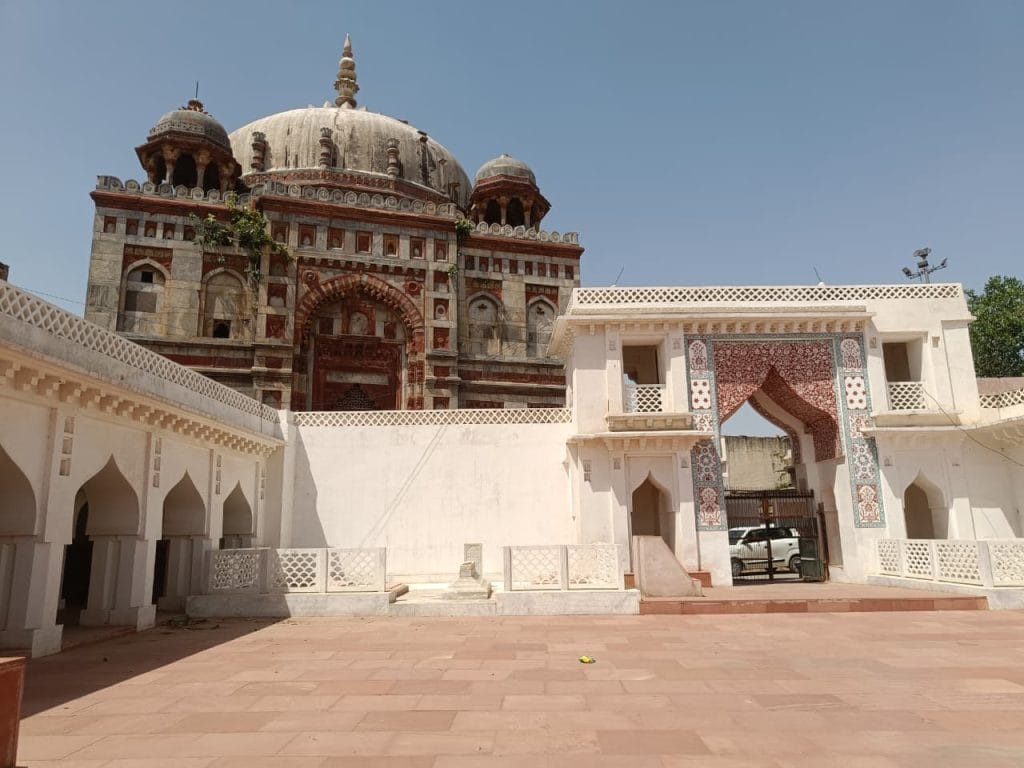
To Khatri, Narnaul has the potential to rival heritage heavyweights like Jaipur or Mysore.
“The monuments of Narnaul are a perfect blend of Afghan, Rajput and Mughal style with hints of local indigenous flavours. We are working relentlessly towards the preservation and conservation so that they can relive their past glories,” said Khatri, referring to The Splendours of Narnaul, a book written by Dhebar.
But the glitz of restoration hits a wall when it comes to tourism infrastructure. Accommodation is the biggest problem around these sites, according to Bhattacharya.
“People only come to visit these hidden gems only when facilities are available. Currently, amenities are missing and it’s the biggest hurdle to attracting visitors,” she said, adding that before leaving the department she proposed building hotels under One State One Global Destination—a scheme announced in Budget 2025-26 to develop “at least one globally benchmarked tourist destination in every State and UT.”
For now, the department is trying to lure visitors through their stomachs at some destinations. At Rakhigarhi, site visits end with a local spread of churma, bajra roti, and lassi for visitors.
“The push to make heritage cool and visible is gaining traction, but questions persist over whether the institutional backbone is strong enough to sustain and scale this revival,” said a senior ASI official.
Also Read: Meet Alok Tripathi — Modi government’s go-to archaeologist, Gyanvapi to Dwarka
Cracks in the foundation
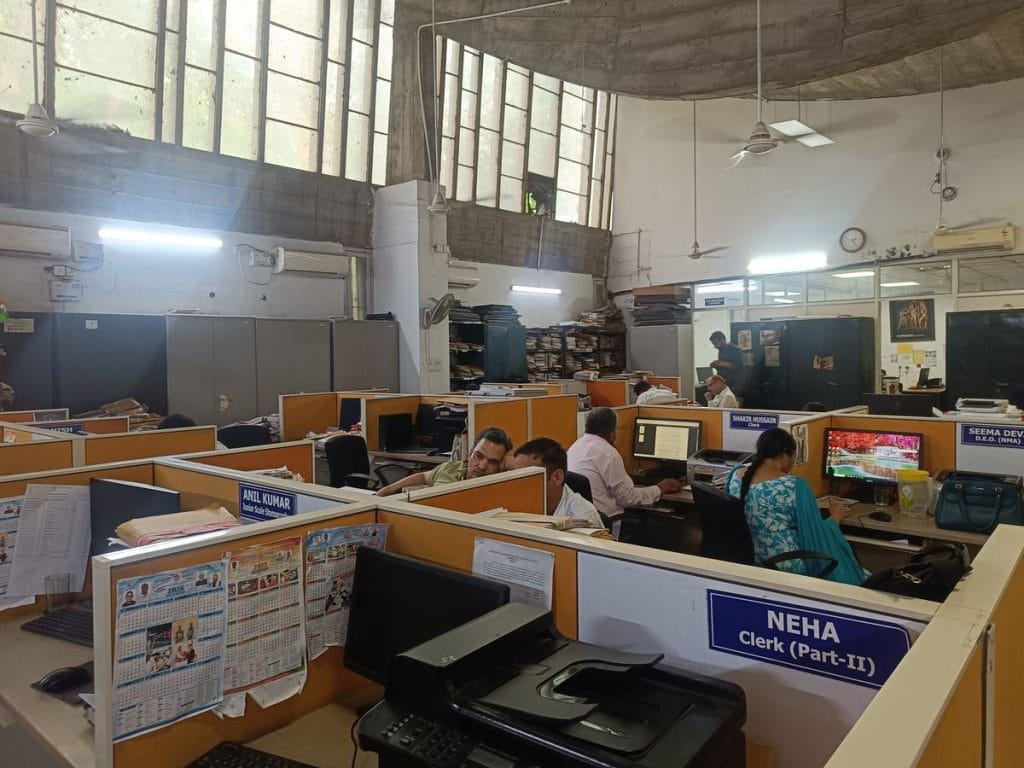
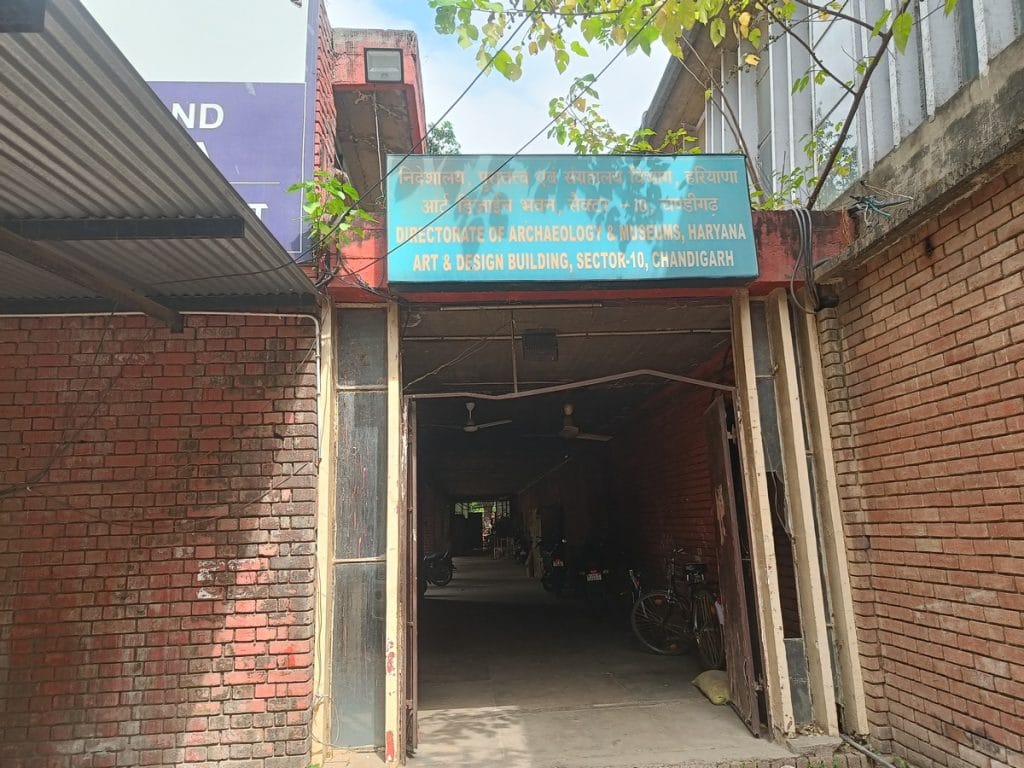
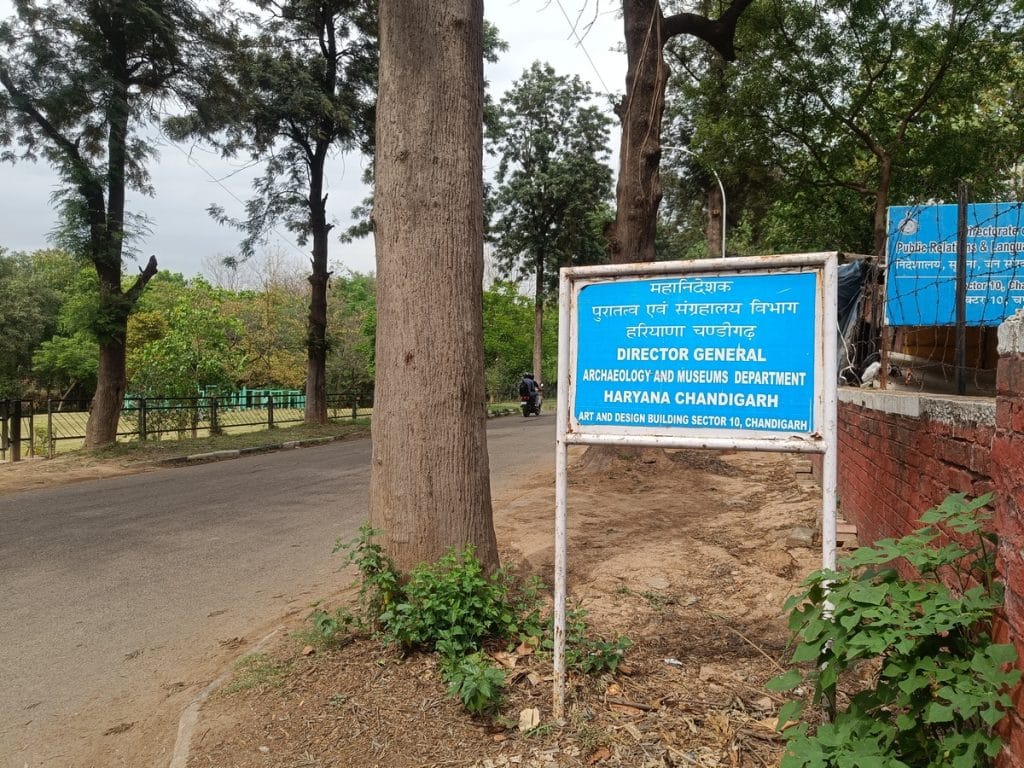
Even as the department rebrands itself, its own house is not in order. It operates out of a rented corner inside the Government College of Art in Chandigarh, with peeling walls and a skeletal staff.
The department has only around 70 employees across the state, including security guards.
“Despite the overhaul, the department is facing many challenges. We have no engineering wing and operate with a small staff,” said Khatri.
He added that the department is not spending money on its current office because a new state-of-the-art museum, on the lines of the Bihar Museum, is under construction in Panchkula, and the department will be shifted there.
But the problems go deeper than physical facilities. The Haryana archaeology department is grappling with encroached sites, fragmented ownership, and long-delayed excavation reports.
There are only two archaeologists on the rolls. In the last decade, the department has managed only two excavations—at the pre-Harappan site of Kunal and Agroha, once the capital of Maharaja Agrasen. The excavation reports for both are still pending.
When Khatri took charge, Haryana had around 35 protected sites. That number is now 100. But many of them, on the ground, are under encroachment.
In 2024, when ThePrint visited the Balu site in Kaithal, part of the mound had been converted into an agricultural field. At the top of the mound, dead animals festered near scattered pottery.
The department is only focusing on sites which are aesthetically sound, and not treating smaller sites well
-Pradeep Sheoran, who runs the Haryana Heritage Teller Instagram page
Part of the problem is that the protected sites belong to a long list of different owners — gram panchayats, the forest department, the Waqf Board, the archaeology department, the PWD, the Education Department, private entities. Of the 100 protected sites, ThePrint’s analysis found that 21 per cent are privately owned, 11 per cent belong to the archaeology department, and 7 per cent to the Waqf Board.
More than 1,500 Harappan-period sites in Haryana are “largely unprotected”, according to a 2021 NITI Aayog report titled Challenges faced in Heritage Management in India and Policy Imperatives.
“Mounds are disappearing rapidly,” the report notes, adding that excavation must be made possible without acquiring ownership of the land.
“The department is facing issues as many of the sites are under private ownership,” said Khatri.
The biggest blow to the department came in January, when corruption charges were levelled against former deputy director, Banani Bhattacharya. She was accused of misappropriating funds, violating tender norms, and giving undue financial benefits to an agency hired to conduct a Ground Penetrating Radar Survey (GPRS). A case was registered under IPC sections for cheating and criminal conspiracy, as well as under section 7 of the Prevention of Corruption Act.
Bhattacharya denies all wrongdoing.
“I have done my work honestly since my appointment. It is unfortunate that, despite that, all of this is happening,” she said.
Meanwhile, some intrepid heritage-watchers in Haryana claim the department’s makeover is skin-deep.
“The state of preservation of mounds and sites is not good. People have encroached on archaeological sites, antiquities are being destroyed, and there is a lack of infrastructure on the ground,” said Pradeep Sheoran, a UPSC teacher who runs the Haryana Heritage Teller, an Instagram page with over 5,200 followers and the tagline “No Competition – Only collaboration”.
Sheoran said the department is neglecting smaller, less marketable mounds. Mitathal in Bhiwani, Balu in Kaithal, and Bhirrana in Fatehabad are in shambles, according to him. Though the state declared Mitathal, Tigrana, and Prithviraj ki Kachheri as protected sites last year, Sheoran claimed they are still not getting the care they deserve.
“At Mitathal, people used JCB machines to cut the ancient mound,” said Sheoran. “The department is only focusing on sites which are aesthetically sound, and not treating smaller sites well.”
(Edited by Asavari Singh)