


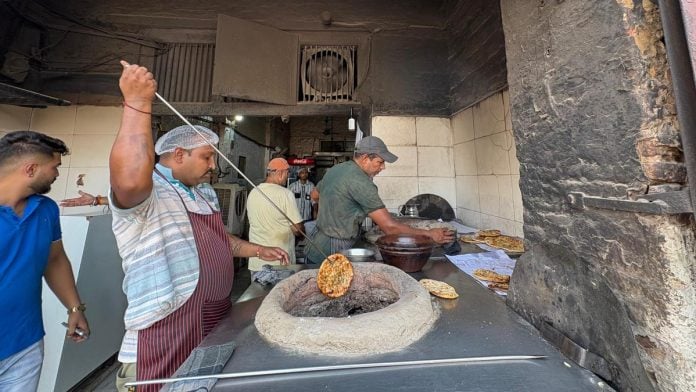
Amritsar: For Aman Khalsa, every fluffy, golden kulcha he bakes in the tandoor carries a heavy responsibility. And it isn’t just about taking the generations-old food tradition forward. This time, it is about the kulcha’s identity, its birthplace Amritsar and new global ambitions.
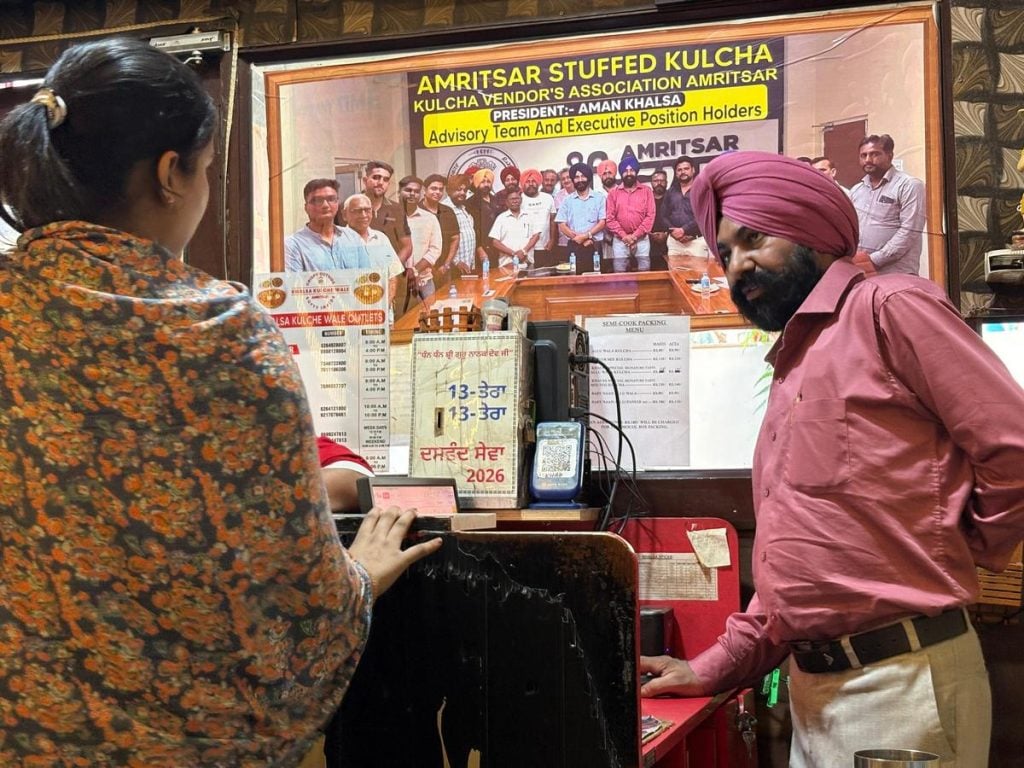
Khalsa is now ramping up his campaign for a Geographical Indication (GI) tag for the famous Amritsari stuffed kulcha. As president of the newly formed Amritsari Stuffed Kulcha Association, he is rallying kulcha makers across the city to protect the dish’s identity and standardise its preparation as it finds new markets beyond Amritsar. Formed in October, the association currently has 18 members.
“Once we get the GI tag, the first benefit will be that Amritsari kulcha is made more consistently wherever it is sold around the world. This will strengthen the kulcha trade and encourage people working in the business,” said Khalsa, owner of Khalsa Kulche Wale.
If the tag is granted, it will be Punjab’s first dish to enjoy the status. Amritsari stuffed kulcha will join the ranks of Hyderabad haleem, Bikaneri bhujia and Tirupati laddu. A GI tag legally protects a product’s name by linking it to a particular geographical region and its distinctive qualities.
Amritsar’s campaign went viral last month when a photograph of the newly formed Amritsari Stuffed Kulcha Association was posted on X. Many reacted with disbelief and jokes. Industrialist Harsh Goenka wondered whether Amritsar also had a Chole Association. Others joked about a jalebi protection front or a paratha union. But behind the jokes is a serious concern: fending off pretenders who threaten the interests of Amritsar’s kulcha makers.
The groundwork started in June, when the Punjab Food Processing Department raised the alarm over Amritsari kulcha being copied across the country without proper credit to its original makers.
“Once a GI tag is granted, legal action can be taken against those selling imitation products under the name of Amritsari kulcha or compromising its authentic taste,” Food Processing Department Special Secretary Sandeep Hans said, adding that the tag would protect consumers as well as local traders and artisans. Officials also said a GI tag would help promote Amritsari kulcha worldwide.
For the GI tag to happen, a lot of things have to align. The quality of our kulchas has to be top-notch, and we all have to work hard. It is a matter of pride that our kulchas are getting this kind of recognition
-Harish Pehlwan, owner of Pehlwan Kulcha
The same month, the state brought kulcha makers and traders together with officials and representatives of Guru Nanak Dev University and the Punjab State Council for Science and Technology to begin the GI registration process. The process of securing the GI tag is still underway.
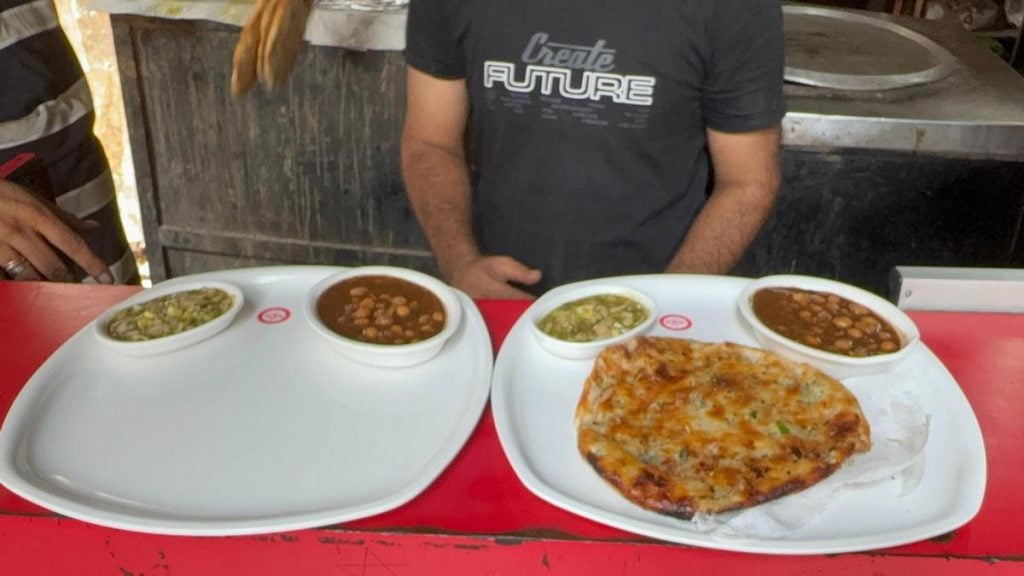
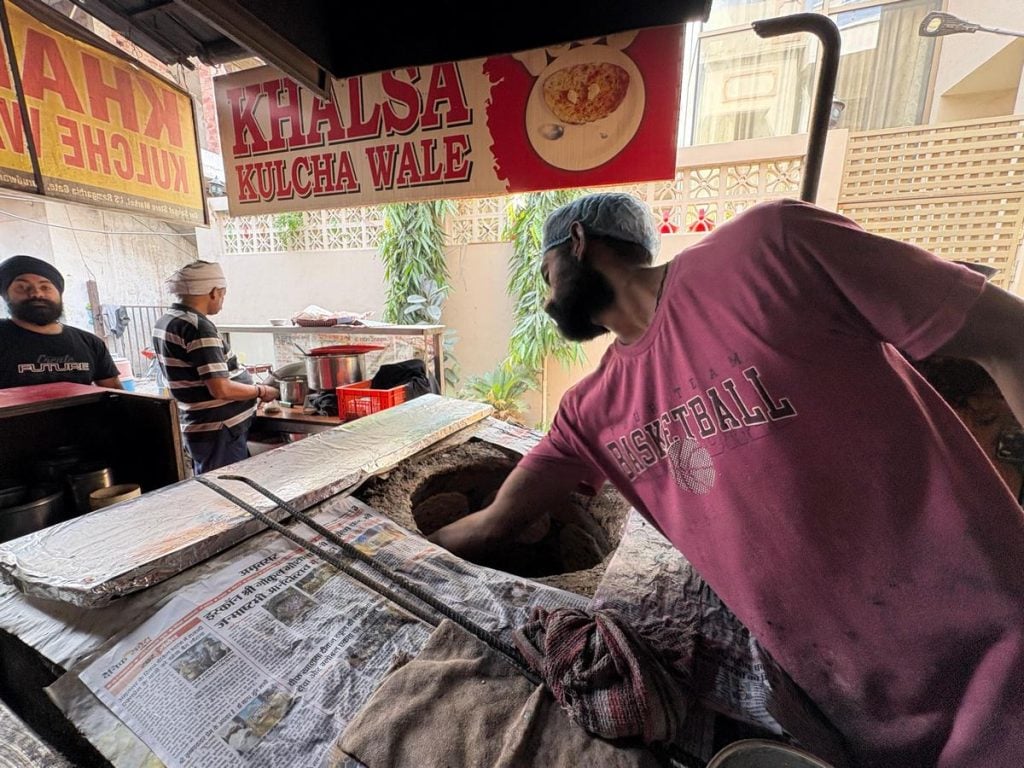
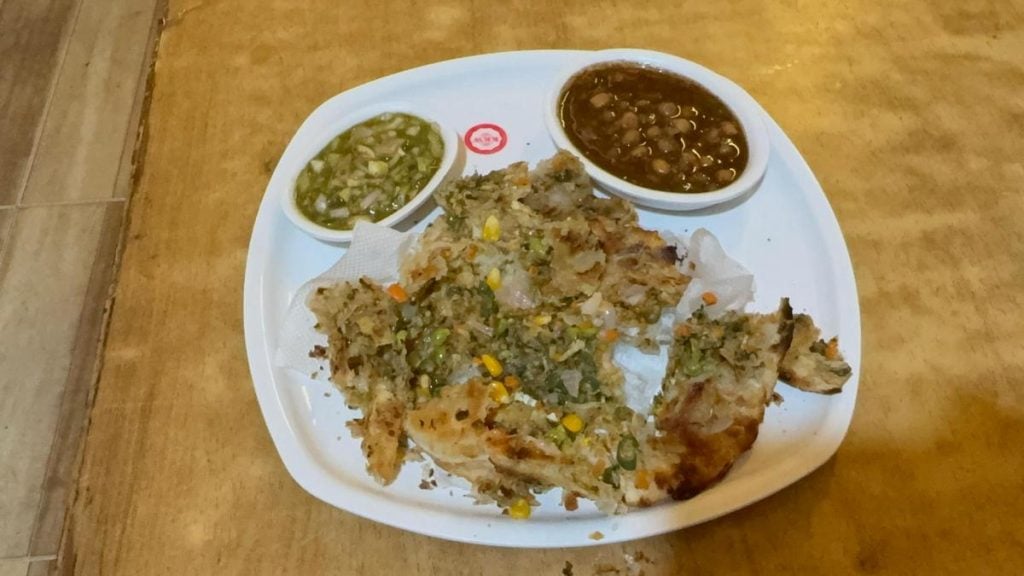
Kulcha is eaten across the Indian subcontinent, but Amritsar has made the stuffed version its own. Baked in a tandoor until its outer layers turn crisp and the filling stays soft, the kulcha is brushed with ghee and served hot with chole, chutney and onions.
For Khalsa, the ambition is to make sure people carry a little of Amritsar with every bite.
“We don’t sell kulchas; we sell experiences and memories,” he said. The stakes are personal for him.
“I come from a family that has been making kulchas for four generations. I have spent 35 years in the food industry, worked with major food chains in India and abroad, and received more than 10 national and international awards. Now, I want to bring kulcha makers together, give Amritsari kulcha its identity, and take Punjab and its youth forward,” he said.
Also Read: The GI tag man of India lives in Varanasi. He is blending culture and commerce
Pride on the plate
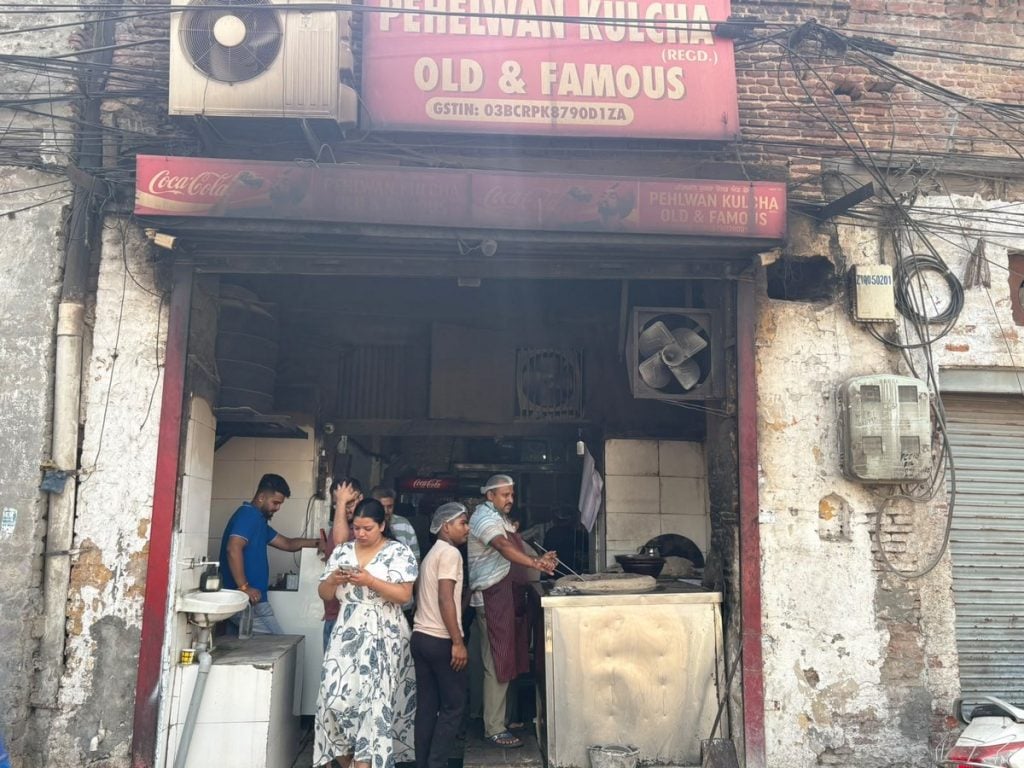
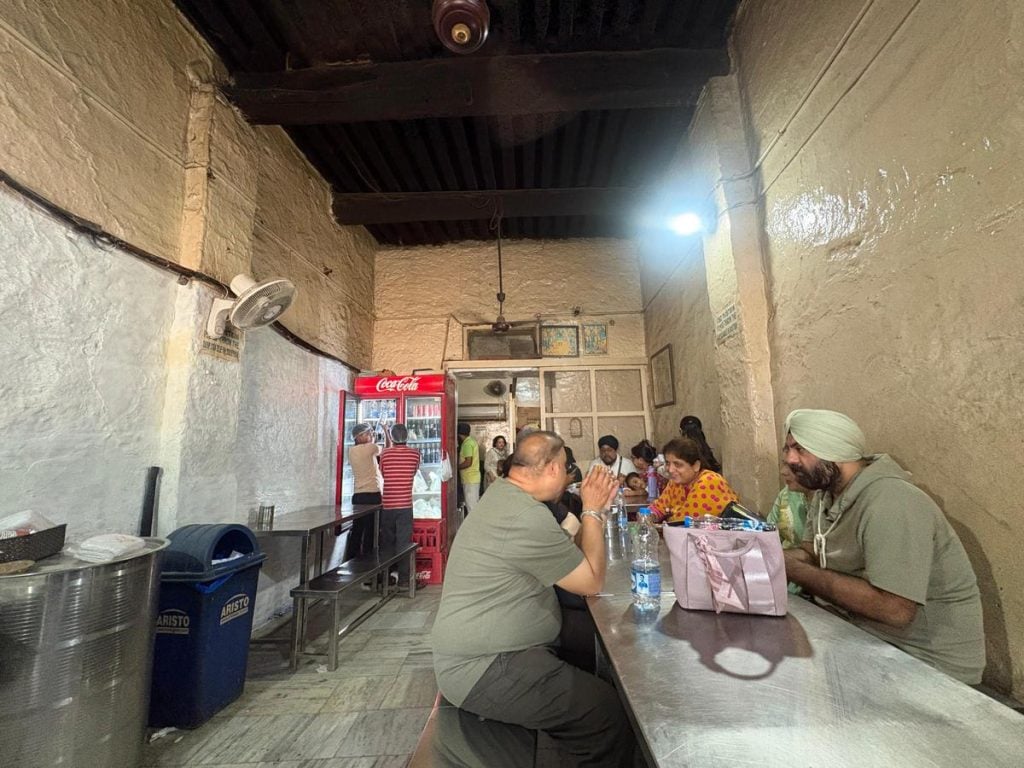
Pehelwan Kulcha proudly wears the ‘Old & Famous’ tag on its signboard. Customers keep pouring in, and the kitchen is constantly busy. Owner Harish Pehelwan oversees operations, calling out instructions in the open kitchen, while his son manages orders. Some customers have travelled from Delhi and Bengaluru just to eat here. After polishing off their kulchas, they tell him the food is as good as they had expected and click photographs outside the shop before leaving.
“Big names like Imtiaz Ali and Chef Kunal come here regularly. There are people who have been coming here for years. Whenever they come to Amritsar, they come to our shop,” said Pehelwan, the vice-president of the Amritsari Stuffed Kulcha Association.
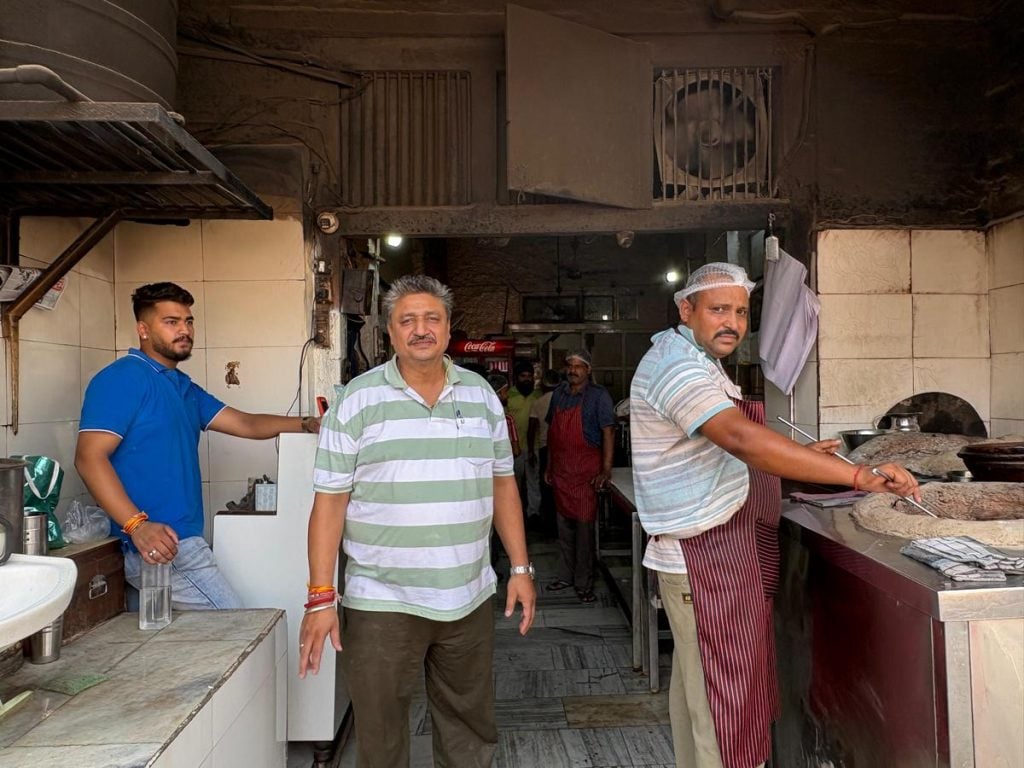
The shop, which dates back to 1952, is among those credited with popularising the Amritsari kulcha as it is known today. The story goes that Pehelwan’s grandfather, a wrestler called Atma Ram, adapted the Peshawari khameeri roti by replacing the sourdough with maida dough and stuffing it with boiled potatoes.
“For the GI tag to happen, a lot of things have to align. The quality of our kulchas has to be top-notch, and we all have to work hard. It is a matter of pride that our kulchas are getting this kind of recognition,” Pehelwan said.
GI tags have become something of a status symbol in India. Registrations, which averaged around 20-30 a year during the 2010s, hit a record 160 in 2023-24. The Modi government now wants to take the tally—which crossed 800 in 2026—to 10,000 by 2030. Uttar Pradesh is leading the race with 81 GI-tagged products as of last December, followed by Tamil Nadu (76) and Maharashtra (55). Punjab is lagging. Its only two GI-tagged products are shared with other states—phulkari with Haryana and Rajasthan, and basmati rice with six other states and Union Territories.
The application for the GI tag cannot rest on the efforts of one shop or vendor. Kulcha makers must work collectively, while the government takes the process forward
– Aman Khalsa, president of the Amritsari Stuffed Kulcha Association
However, while a GI tag offers legal protection against unauthorised use of a geographical name, it does not guarantee higher earnings for producers or stop others from making similar products. What it does bring is a sense of pride.
Khalsa sees the GI tag as a way to not only preserve traditional preparation methods but to bring more young people into the trade. For this, he says, kulcha makers must unite.
“The application for the GI tag cannot rest on the efforts of one shop or vendor. Kulcha makers must work collectively, while the government takes the process forward,” he said.
Also Read: Sirsa Kinnow gets a GI tag. How a California hybrid became Haryana’s signature fruit
Kulchas across borders
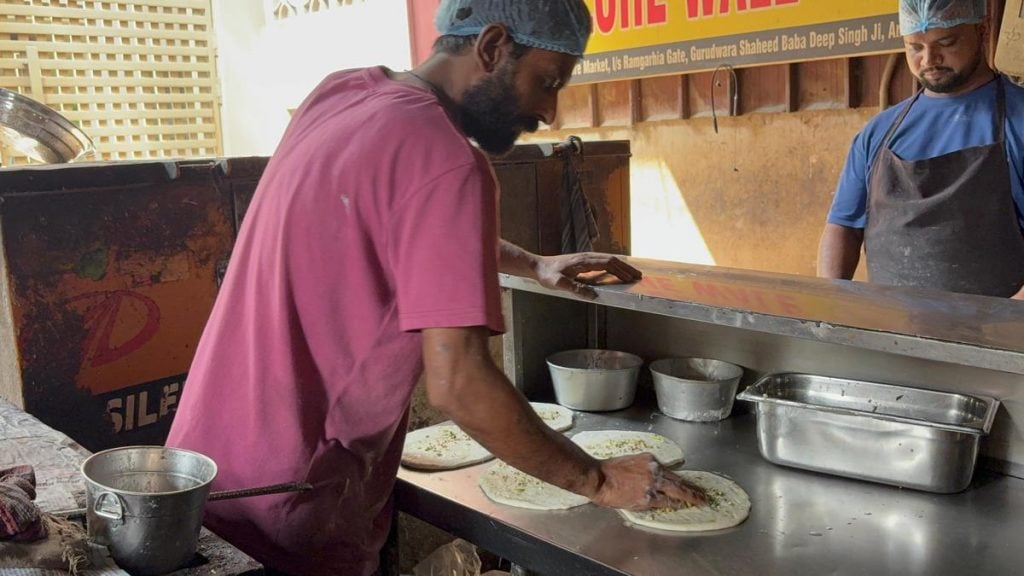
At Khalsa’s shop, the cook deftly stuffs the dough with potato filling, flattens it and slaps it against the scorching clay wall of the tandoor. When the kulcha is done, Khalsa takes over. He adds ghee, presses little dents into its crisp surface with his fingers and crushes it before serving.
The recipe has changed over generations and every maker claims to be the originator of the present version. Khalsa said his grandfather and other kulcha makers began experimenting with potato fillings as an alternative to eggs around 1960. The new version became an instant evergreen hit in the city.
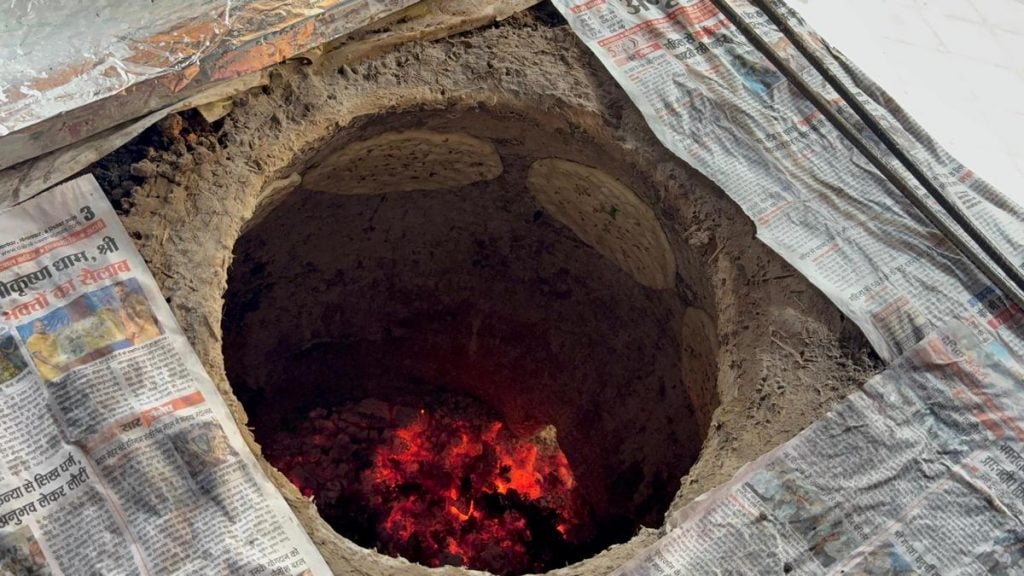
The dish belongs to the wider culinary history of undivided Punjab, where old bread-making techniques still thrive on both sides of the border. Khalsa recounted how vendors once carried kulchas in large, plate-like vessels balanced on their heads. They reheated the bread on an iron griddle over a small stove, or sigri, before cutting and serving it with chole, onions and chutney.
Many restaurants now serve the bread with various sides and even experiment with fillings like cheese and minced meat. But Khalsa is a purist when it comes to Amritsari kulcha.
“Kulcha should be served with chole, chutney and onions. That is the traditional combination, and I want to keep it that way,” he said. “In Delhi, you may get kulcha with shahi paneer, dal or dahi, but for us, it will always be chana, chutney and kulcha.”
Yet even as Khalsa wants to keep the Amritsari kulcha true to its roots, he dreams of taking it far and wide.
Today, Khalsa has six outlets—in Amritsar, Ludhiana and Kapurthala in Punjab, Connaught Place and Rajouri Garden in Delhi, and Gurugram. Another is set to open soon in GTB Nagar, Delhi. Plans are now afoot to expand into Haryana and Uttar Pradesh and take the brand overseas too.
“We will start opening our outlets abroad in 2027, in countries such as Canada, Australia, New Zealand, the UK and Dubai,” he said.
Before 2000, Amritsari stuffed kulcha was largely a neighbourhood favourite, according to Khalsa. But the internet and social media have given it a much wider reach and opened up new opportunities. Khalsa wants young people to share in the kulcha boom.
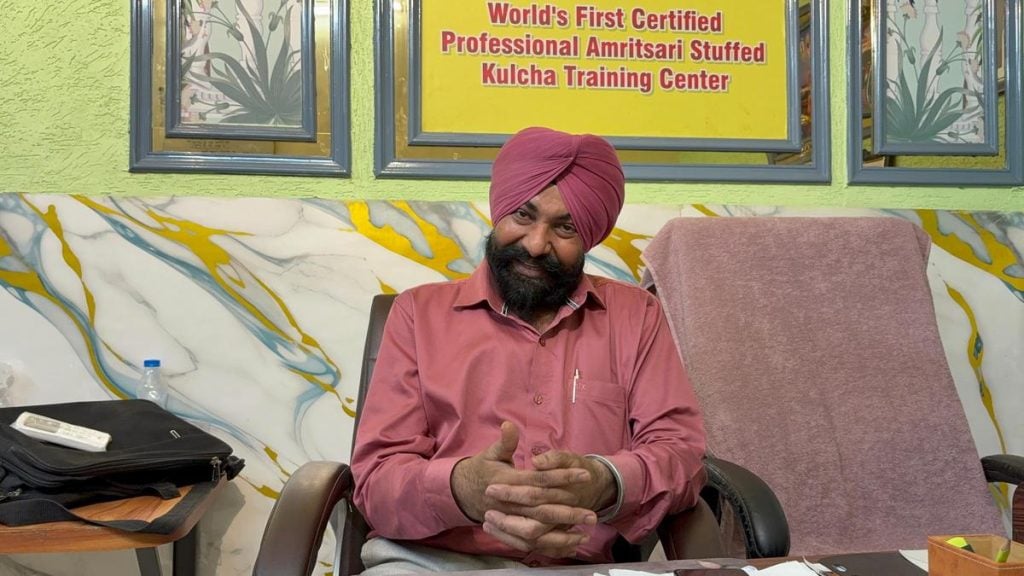
His latest initiative is the Khalsa Institute for Chefs, which he describes as the world’s first certified professional Amritsari stuffed kulcha training centre.
“I have started an institute to teach people how to make kulchas, develop their skills and help them find work in the food industry. I want to create jobs and help more people enter this business,” he said.
The institute is expected to begin classes this month with its first batch of 100 students–50 girls and 50 boys. Enrolment has already started.
“By the grace of Guru Sahib, Khalsa Kulche Wale has taken Amritsari stuffed kulcha to several countries around the world. What began as a local food tradition has grown in recognition, with kulcha now shining like gold. We aim to take Amritsar’s culinary heritage to every corner of the world,” he said.
(Edited by Asavari Singh)