



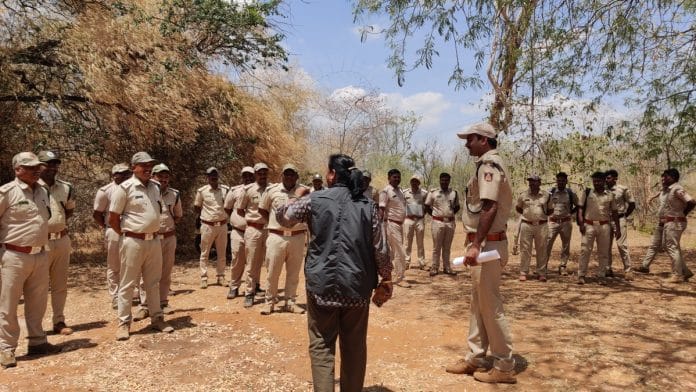

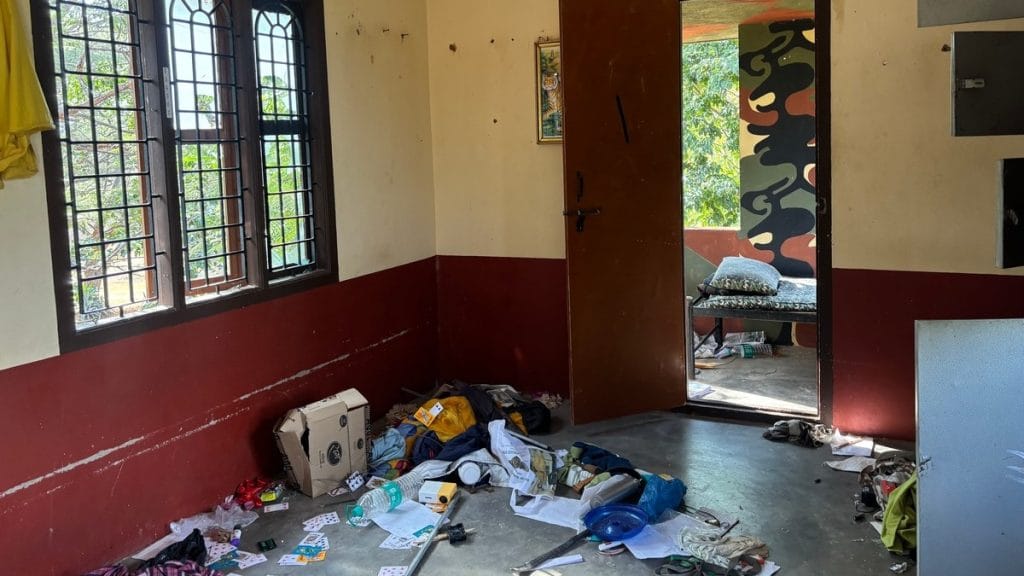
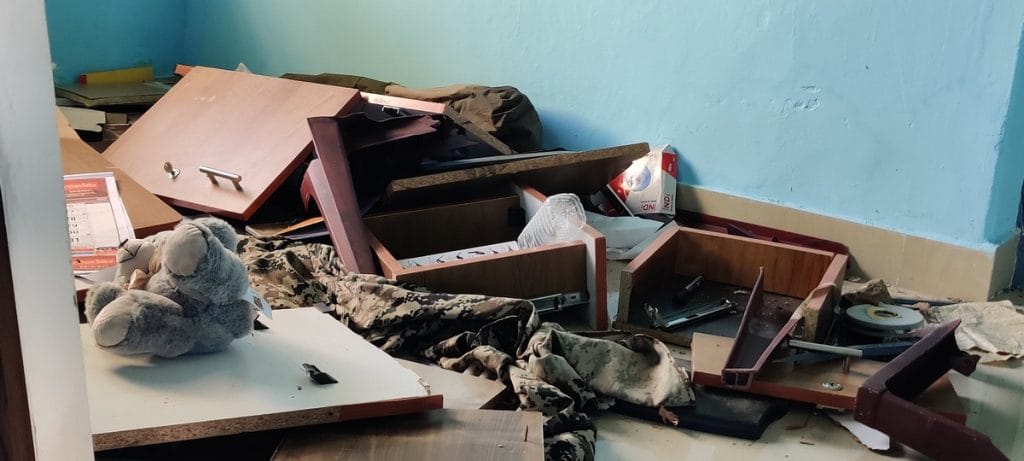
Hanur, Karnataka: The anti-poaching camp in Shagya at the Cauvery Wildlife Sanctuary is in shreds. The glass is shattered, pipes ripped out, solar panels damaged and doors smashed. A newly built accommodation for forest officials nearby has also been vandalised.
Eight anti-poaching camps were attacked on a single day last month. Three of them were bombed.
There’s a war going on inside Cauvery Wildlife Sanctuary. Forest staff are now afraid to spend the night inside the forest and are refusing patrols after dark. Villagers have allegedly been slaughtering sambar deer and leaving the carcasses in the open — a defiant dare to the Forest Department.
It is a tense revenge drama playing out in the sanctuary, bordering Karnataka and Tamil Nadu. Forest guards killed three Tamil-origin men on 15 August on suspicion that they were hunters; villagers said they were dairy farmers looking for lost cattle. In retaliation, villagers attacked anti-poaching camps on the same day, blasting three with gelatin sticks. Protesters seeking justice for the slain men have stormed the streets in Chamarajanagar and Mysuru. Tamil Nadu Chief Minister Vijay has condemned the killings, mounting political pressure around an encounter now being investigated by the Karnataka CID.
The worry now is that there is an attempt to eliminate the protection mechanisms that existed, at least nominally, in that area. The forest officers form its front line, and they now need support from the police as this is a very, very serious challenge
– Praveen Bhargav, conservationist
What is particularly alarming is that this is the same landscape where forest officials once battled notorious poacher Veerappan’s gang in and around the Cauvery and MM Hills wildlife sanctuaries. Once India’s most-wanted bandit, kidnapper and smuggler, Veerappan killed 120 people over three decades, including police and forest officers, before his reign of terror ended in a 2004 shootout. He was also seen as a Robin Hood-like figure who protected villagers. Today, the threat is different, but the fault lines are familiar. Hunting, illegal guns, aggrieved local communities and an increasingly vulnerable forest protection force are colliding in jungles that include a tiger reserve and some of Karnataka’s most important wildlife habitats.
The killings and the reprisals that followed have blown open a bigger question: what happens to conservation when the communities around a forest come to see the department protecting it as the enemy? A fear now looms over the department: if this is not handled carefully, these forests could slide back into the kind of organised, guerrilla‑style violence they last saw in the Veerappan era.
“The worry now is that there is an attempt to eliminate the protection mechanisms that existed, at least nominally, in that area. The forest officers form its front line, and they now need support from the police as this is a very, very serious challenge. The situation can get out of hand if these elements are not dealt with strongly,” said Praveen Bhargav, a Karnataka-based conservationist with over four decades of experience and a former member of the National Board for Wildlife.
Also Read: Assam went to war on Kaziranga poachers. Rhinos are winning
The men who went into the forest
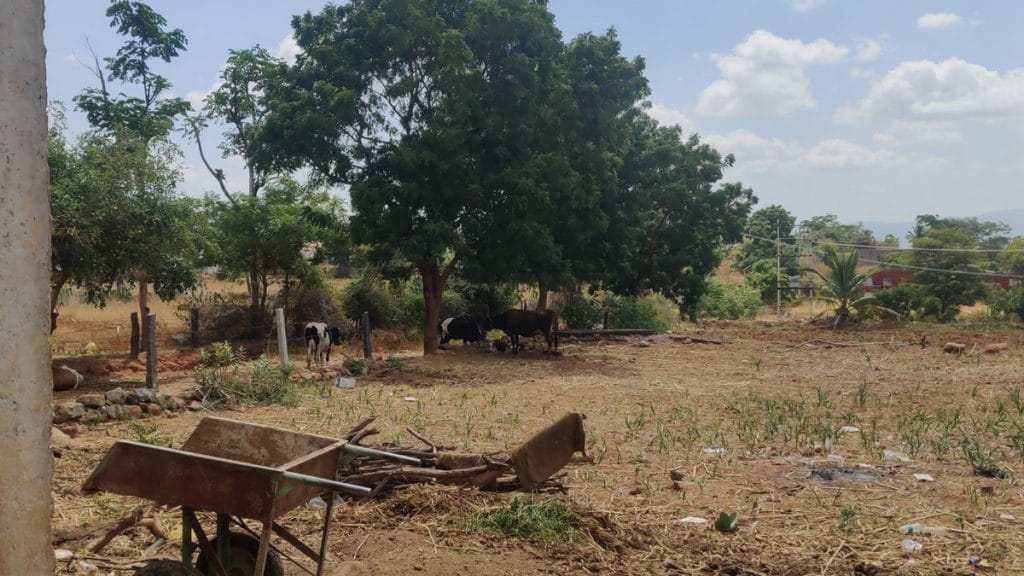
On the outskirts of the sanctuary, Mariamangala is a sparse settlement surrounded by dry farmland. Cows are tied outside houses and a tall church rises at the centre of the village. Dairy farming is one of the few dependable livelihoods, and many farmers sell milk to Nandini Dairy.
Anthony Swamy, 50, was one of them.
On 14 August, Swamy finished milking his cows at around 4 pm. His family owned 18 cattle, and when he counted them, two were missing.
Their grazing land borders the sanctuary, and villagers say cattle sometimes wander into the forest, where leopards and other wildlife also move.
They didn’t carry any gun. They went to search for the cows. This is the first time something like this has happened. Three families have been ruined.”
– John Paul, Anthony Swamy’s brother
Villagers say Swamy and three others went looking for the missing animals. The search would end with Swamy and two others dead inside the sanctuary. That was the immediate flashpoint that widened the undercurrent of mistrust between forest rangers and local villagers.
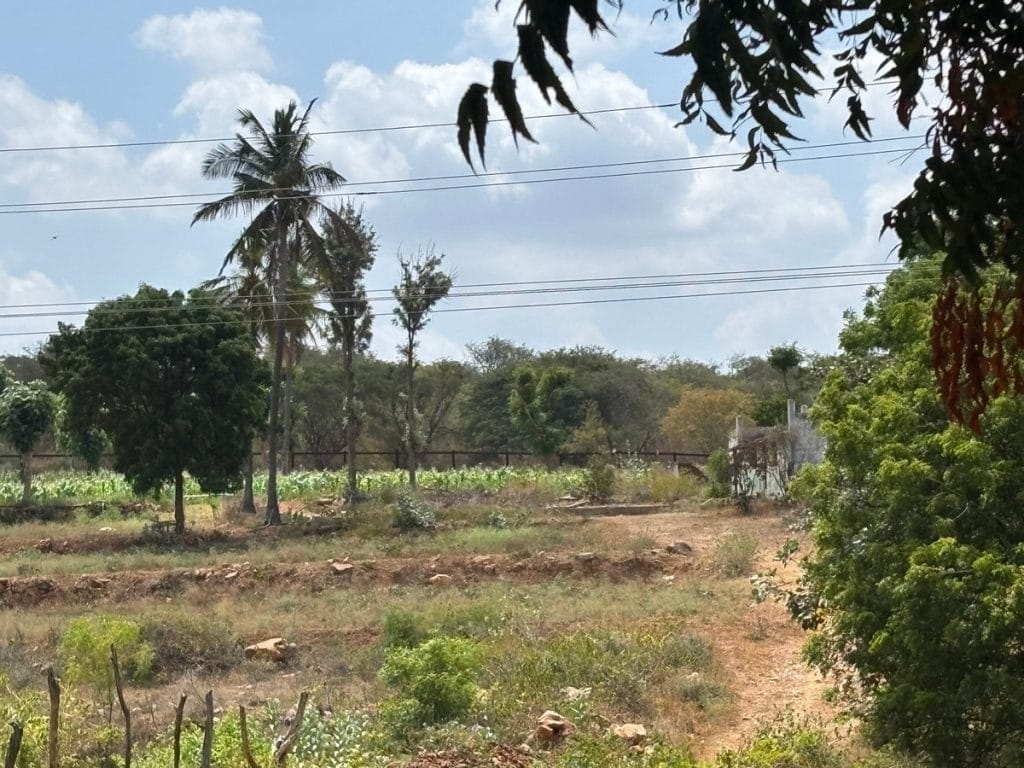
At some point during the early hours of 15 August, Swamy and two of the men accompanying him, John Rose Peter and Sebastian David Kumar, were shot dead. A fourth, Joseph Mahima Das, escaped with minor injuries.
“They didn’t carry any gun. They went to search for the cows. This is the first time something like this has happened. Three families have been ruined,” said Swamy’s brother John Paul.
But the Forest Department says the four men were not cattle grazers looking for livestock but hunters who had entered the sanctuary armed with country-made guns.
What happened inside the sanctuary?
The department’s version of the night begins around 8 pm on 14 August, when forest staff received information that a group had entered the sanctuary and was suspected of hunting.
There was little visibility in the darkness, but staff had two indications of movement: a camera had captured activity and forest personnel had heard gunshots.
Two teams, one from Hanur and another from Shagya, were sent out on night patrol.
Two staff members took position in a watchtower while the others waited below, according to Mariswamy, the in-charge Deputy Conservator of Forests of the Cauvery Wildlife Sanctuary.
Around 4.30 am, five forest personnel then got out of their vehicle. Two stayed on the road while three moved toward a nearby hilltop to look for movement, Mariswamy said.
If they came for cattle search, there is no need to bring weapons and go eight kilometres inside the forest
– Mariswamy, in-charge DCF, Cauvery Wildlife Sanctuary
Shortly before daybreak, one of the forest watchers encountered the group.
According to Mariswamy, the men fired first and the forest personnel returned fire.
“Three rounds were fired from our side in self-defence,” he said.
When Mariswamy received information at about 5.24 am, one of the men was conscious, he said. He instructed the staff to take them to hospital.
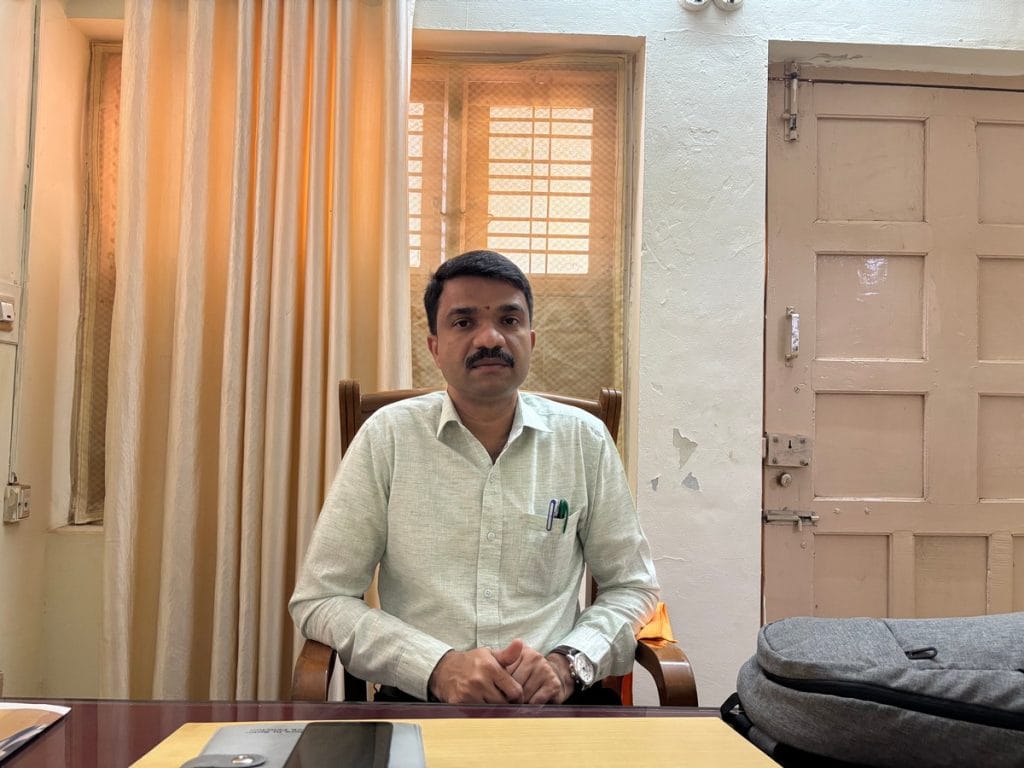
All three later died. Their bodies were taken to Mysuru for forensic examination, according to the department.
The Forest Department says two country-made muzzle-loading guns were recovered from the men. Their bags contained utensils, food, gunpowder, lead pellets, ball bearings, torches, bullets and knives.
It also says more than 34 kg of wild meat was recovered from two bags. One contained about 22 kg and the other about 11 kg, Mariswamy said.
To the department, the guns, ammunition and meat pointed to a hunting expedition.
“If they came for cattle search, there is no need to bring weapons and go eight kilometres inside the forest,” Mariswamy said.
He also questioned why people searching for cattle would enter the forest at night instead of approaching the Forest Department during the day.
‘Veerappan has passed on his art’
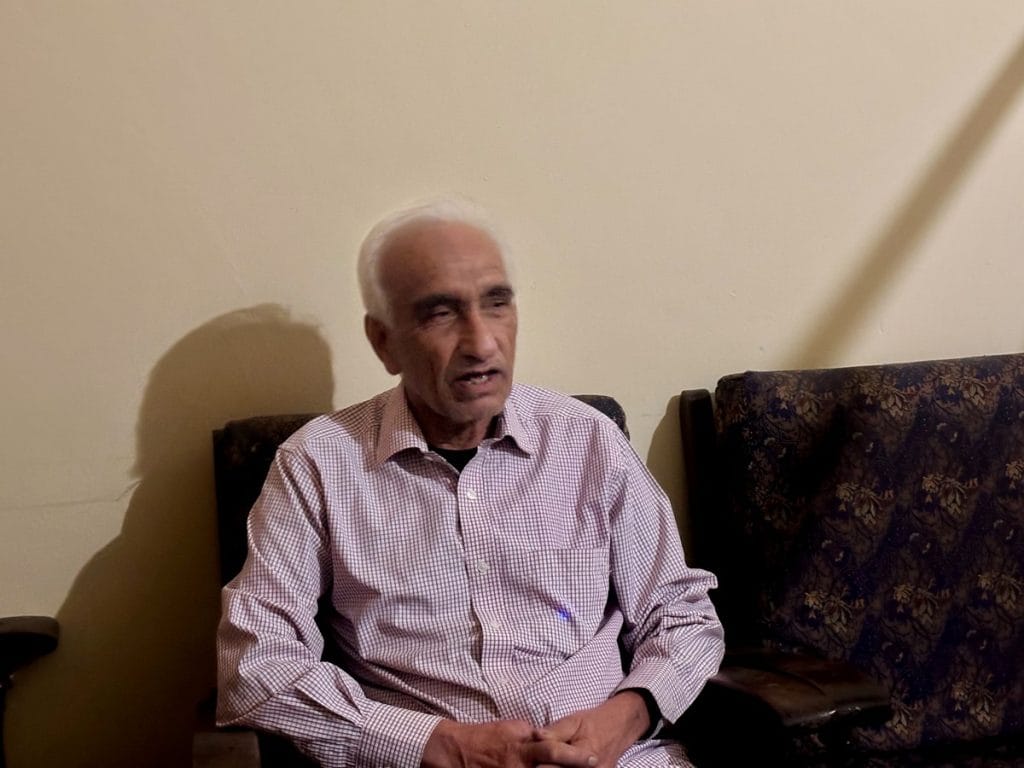
The conflict inside Cauvery Wildlife Sanctuary cannot be separated from the region’s troubled history of clashes between poachers and forest officers. For retired forest officer BK Singh, any discussion of these border forests begins with Veerappan.
The sandalwood smuggler and poacher operated across the Karnataka-Tamil Nadu border in these very forests for decades, leaving behind an undercurrent of fear and suspicion that still runs through how the department views security and forest protection.
Singh served as Deputy Conservator of Forests in Kollegal in the Cauvery forest belt during the Veerappan era.
Veerappan has passed on his art. What is the art? Kill wild animals, kill, make money out of it, and make a life from that money.”
– BK Singh, retired forest officer
“This area has that background. Veerappan was active there in the 1980s and 1990s, till he was killed in 2004,” he said, adding that a “legacy of crime” had been left behind.
“Veerappan has passed on his art,” he said. “What is the art? Kill wild animals, kill, make money out of it, and make a life from that money.”
Yet since Veerappan’s death, the region has not seen an encounter at this scale.
“One smuggler, one poacher has been killed at a time. I don’t remember a case of even two getting killed together,” Singh said.
To him, the various items seized from the shootout site — vegetables, biscuit packets, cooking utensils, guns, knives and two gunny bags containing meat — suggest that the group had been prepared to stay in the forest and had already killed animals.
Singh argued that wildlife is not only being hunted for consumption but for the illegal trade in wild meat in Mysuru and Bengaluru.
“This has been happening,” he said. “I would say that the forest staff have been quite weak. They have failed to counter it.”
The fear among forest staff, however, is shaped by memories of Veerappan’s years, when forest and police personnel were attacked.
Yet Singh cautions against reducing the present conflict to a simple “villagers versus forest department” story. The department has built longstanding ties with tribal communities over decades, including employing local people as forest watchers.
“The Forest Department has done quite a bit of work for the villagers, from water supply to employment. In fact, a lot of forest areas which were degraded were given to tribals for cultivating fruit orchards,” he said.
The urgent need for local support
All the fears about a Veerappan-like spectre aside, the problem is bigger than the legacy of one man.
The 15 August encounter cannot be separated from the longer history of hunting in the region, according to Chief Conservator of Forests (Chamarajanagar Circle) Malathi Priya.
The Chamarajanagar forest belt spans about 2 lakh hectares, with roughly 51 percent of the district under forest cover. Department records over the last decade show around 66 incidents involving arms and ammunition in these forests.
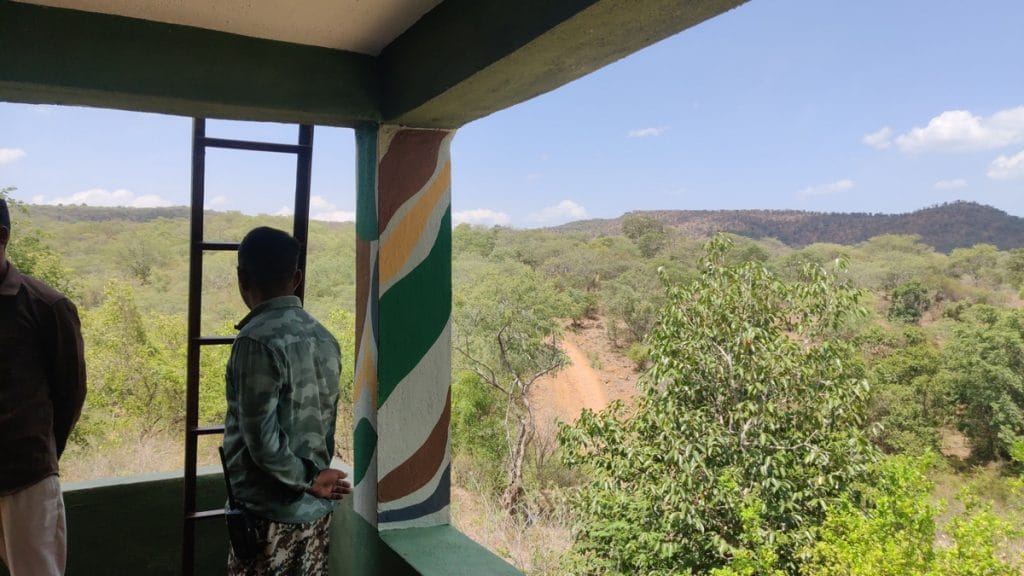
“I will not say this is an isolated incident. It is a trend which is happening,” Malathi Priya said.
The problem, conservationist Bhargav said, is also about commercial networks that can continue to operate even when local access to forests is restricted.
Our landscape is very porous. I cannot guard at every 10-metre distance. Actually it is impossible. We are struggling now with a lack of staff
– Malathi Priya, Chief Conservator of Forests, Chamarajanagar Circle
The fear among forest guards in the Cauvery Wildlife Sanctuary is real. Their needs must be addressed, many say.
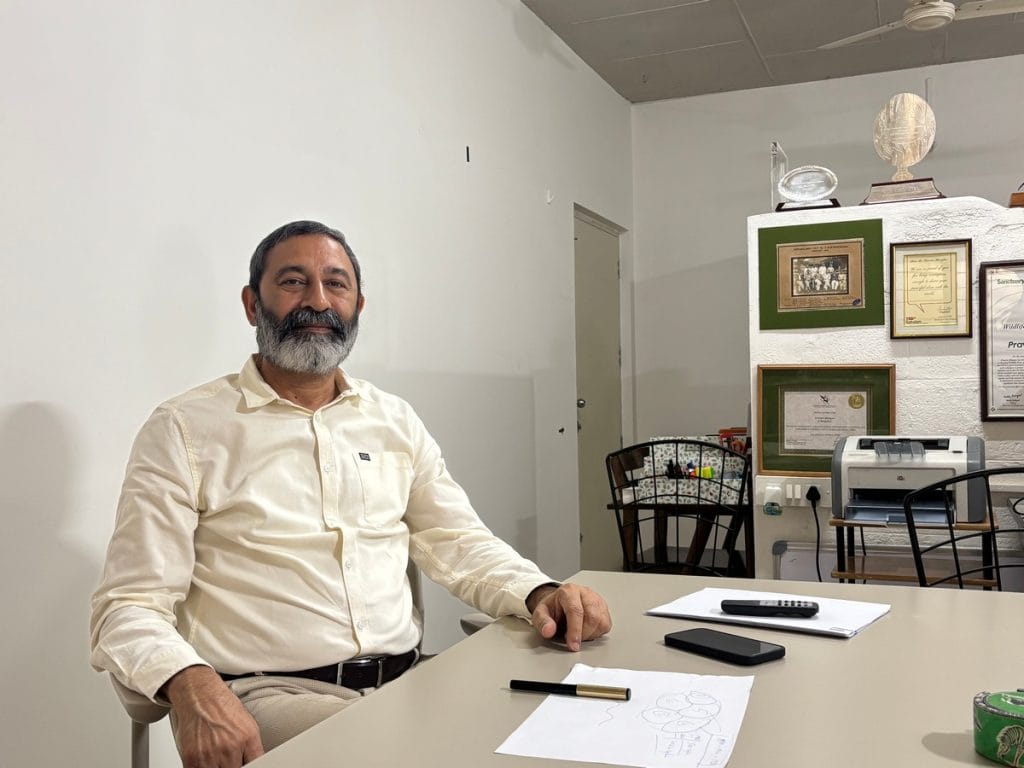
Wildlife protection cannot depend entirely on technology or community outreach, Bhargav said. Drones and sensors cannot replace the time-tested multi-tiered mechanism of ground-level foot patrols, mobile patrols and anti-poaching camps.
“We need boots on the ground,” he added. “Wildlife are the most disenfranchised entity. They neither have a voice nor a vote. In order to protect them, Eternal vigilance is the only mantra.”
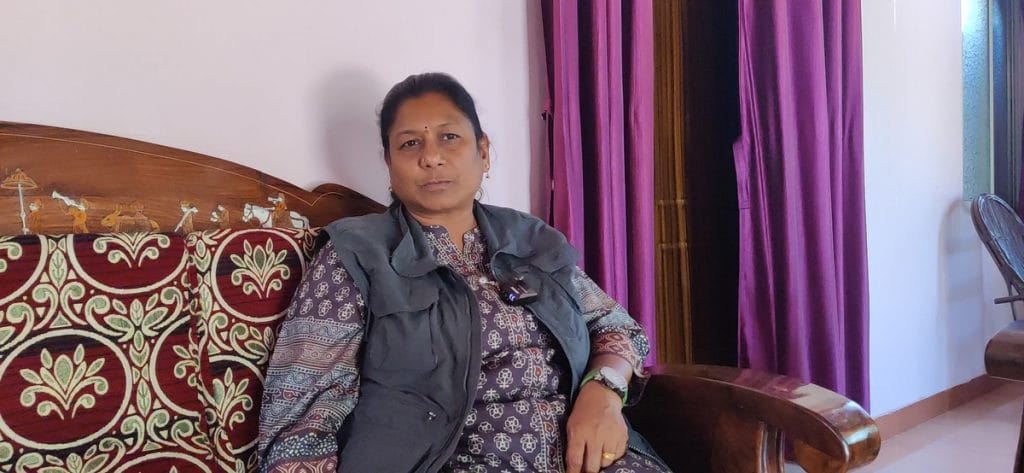
The Forest Department needs more informers to identify who is entering the forest, where weapons are coming from and where hunted meat is being taken. For this, the department has to work with local people.
“Our landscape is very porous. I cannot guard at every 10-metre distance. Actually it is impossible,” Malathi Priya said. “We are struggling now with a lack of staff.”
The Forest Department has now requested additional personnel and a special force to strengthen patrolling and prevent illegal entry into the forest while also calling for closer coordination between forest, police and revenue officials, including across the Karnataka-Tamil Nadu border.
Grief and anger
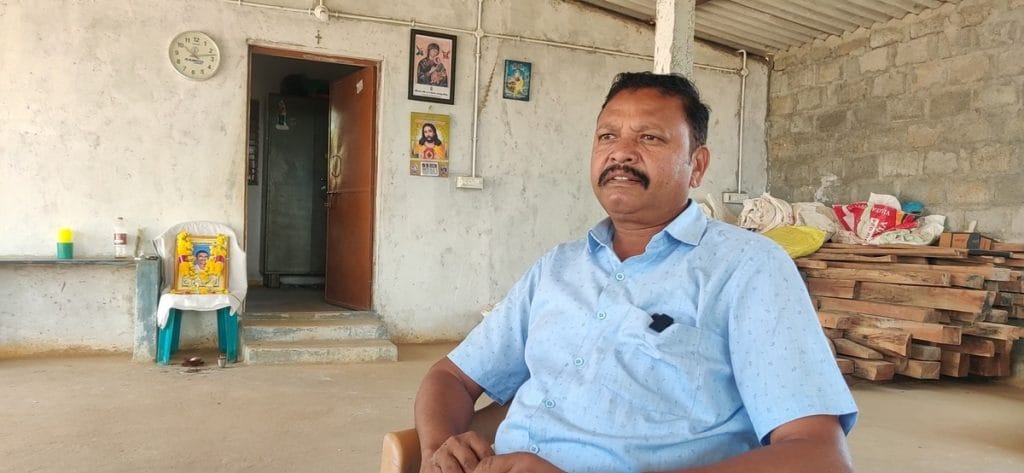
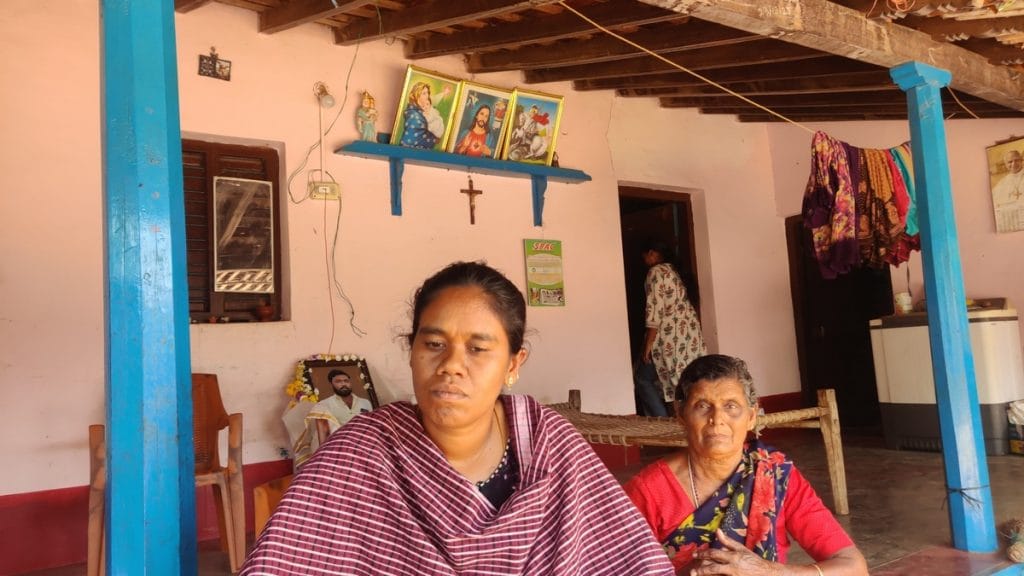
Three homes in Mariamangala are in mourning. Newly framed photographs of Anthony Swamy, John Rose Peter and Sebastian David Kumar are propped against the walls, garlanded with fresh flowers and with diyas burning beneath them. But anger is simmering too.
The killings of 15 August have also deepened long-running grievances against the Forest Department. Residents say cattle sometimes stray into the forest, while leopards and other wild animals enter their fields and kill livestock. They say compensation is often inadequate and the department does little to address the problem.
For Lourde Mary, Anthony Swamy’s wife, the loss has been doubly devastating. She lost her husband and her brother, Sebastian David Kumar, in the same incident.
Residents say the three men earned their livelihood in ordinary ways. Swamy and Peter were farmers. Kumar worked as a driver in Kerala and had returned home for a housewarming ceremony. All were the primary earners in their families.
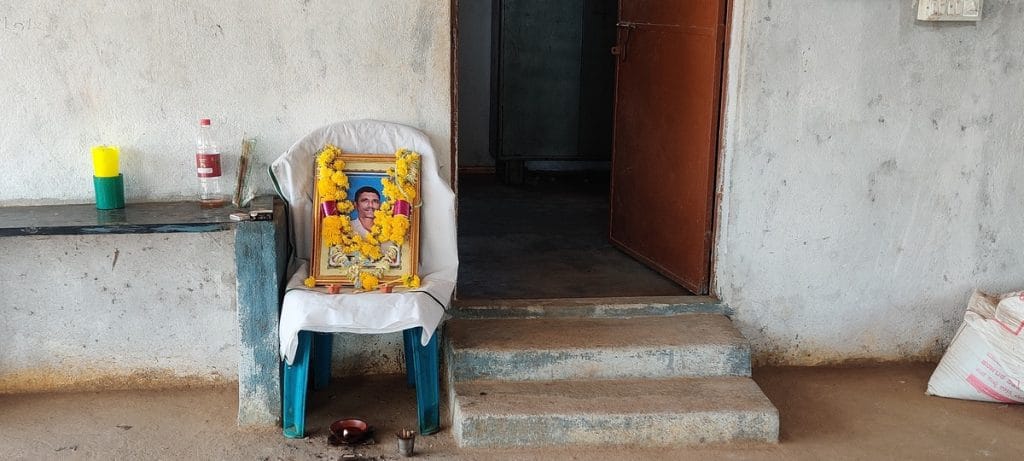
The families keep returning to one detail in trying to understand what happened inside the forest: the post-mortem reports.
The autopsy findings for Swamy and Kumar state that the fatal shots were fired from “close range”, with preliminary wound-ballistics suggesting the shots were fired from less than a foot to about two feet away.Those details have raised questions about the Forest Department’s assertion that the men were shot in self-defence.
Swamy’s brother, John Paul, claimed the injuries on his brother’s body contradicted the official account.
“We saw that he was shot in the back,” he said. “They were carrying only torches to find their way in the dark, not guns.”
Paul said the fourth man who survived the encounter, Joseph Mahima Das, remains deeply traumatised, and the family has not yet been able to speak with him directly. In a viral video that emerged after the incident, Das purportedly said he was asleep when the firing began and that he now lives in fear.
Protests, ‘Mini Veerappan’ & FIRs
Hours after villagers learned of the men’s deaths, protests broke out in Hanur on 15 August. Demonstrators gathered outside the Hanur police station and the Forest Department office. By the next day, several local organisations joined in, with protesters attempting to block the road toward MM Hills and demanding action against the Forest Department.
Local media reports claimed that known poachers were among those attending the protest, including Ganganadoddi Govinda, also known locally as ‘Shikari Govinda’ or ‘Mini Veerappan’.
Govinda’s presence caused alarm among forest officials. He is currently out on bail in connection with a tiger poaching case, and his appearance at the protests has heightened fears within the department about hunting networks and the possibility of the agitation being exploited by poachers.
The incidents have also split the state police and Forest Department.
Police have cautioned against portraying everyone who joined the protests as an instigator.
Anand Murthy, inspector at Hanur police station, said people had come to the area because they belonged to the same community as the men who were killed, but said he did not consider them leaders or instigators of the protests.
“They are not instigators. They do not have any leadership. They are just villagers,” Murthy said, adding that the region does have an underlying problem of illegal arms.
The protests also delayed the post-mortem examinations. The families initially refused consent for the autopsies, demanding written assurances on compensation and action against the Forest Department officials involved in the encounter.
Hanur MLA MR Manjunath held discussions with the families and eventually persuaded them to withdraw their objection. The government announced compensation of Rs 5 lakh for each family, while the MLA also assured an additional Rs 10 lakh from his personal funds, according to those involved in the discussions. The protesters also sought a government job for a family member and government support for the children’s education.
As the protests grew, Karnataka Chief Minister DK Shivakumar ordered a magisterial inquiry into the encounter. The report was scheduled to be submitted on 22 August, but has not been made public.
Meanwhile, multiple FIRs have been registered in connection with the events, Murthy said.
While a 1991 state order shields forest officers from arrest or prosecution over operational firings until a magisterial inquiry wraps up, Hanur police filed a murder case against unnamed forest personnel under Section 103(1) of the BNS on a complaint by Anthony Swamy’s family.
Other FIRs, registered at Ramapura, Hanur and Kollegala Rural police stations, are in connection with the attacks on Forest Department property, use of weapons and obstruction of officials.
Separately, the Forest Department registered Wildlife Offence Report No. 01/2026-27 under Sections 2(16)(A), 9, 27 and 31 of the Wildlife (Protection) Act over the alleged hunting.
As protests mounted, the state government handed the investigation into both the encounter and the subsequent attacks on forest posts over to the Karnataka CID. No forest official has been arrested so far.
Then came the explosions
Street protests were not the end of it. Some went on a rampage in the forests, where they smashed, torched and blew up anti-poaching camps.
Several Forest Department properties were destroyed in and around Shagya, a village of about 5,000 people. This is the same forest beat where gunshots were heard in the early hours of 15 August.
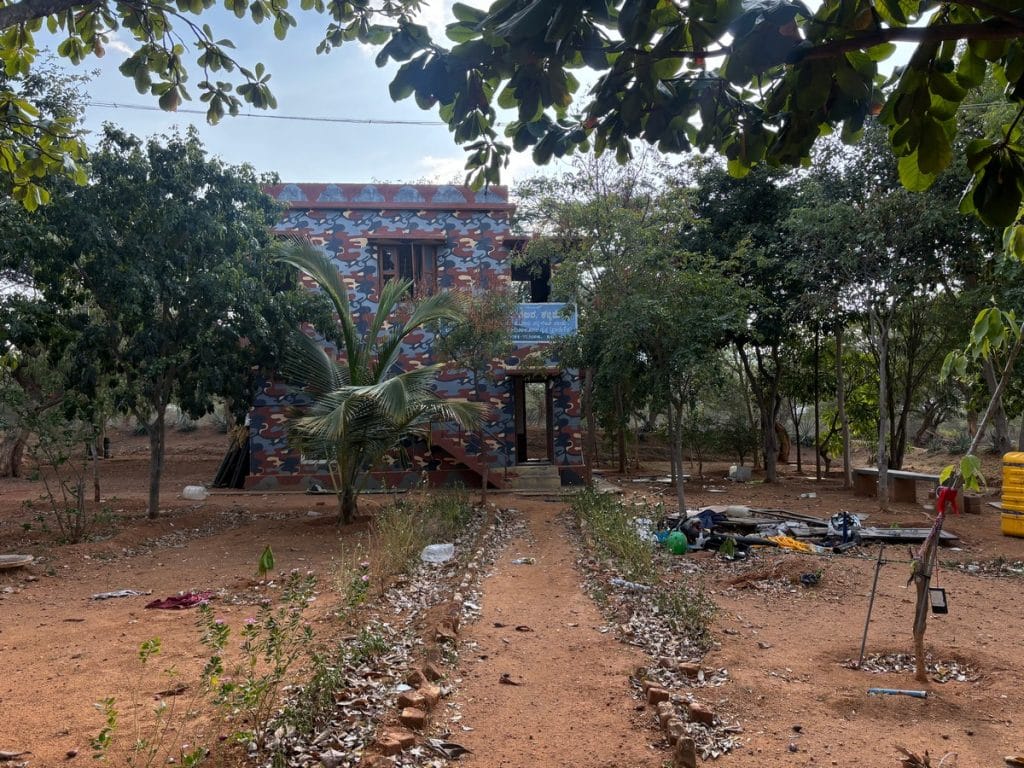
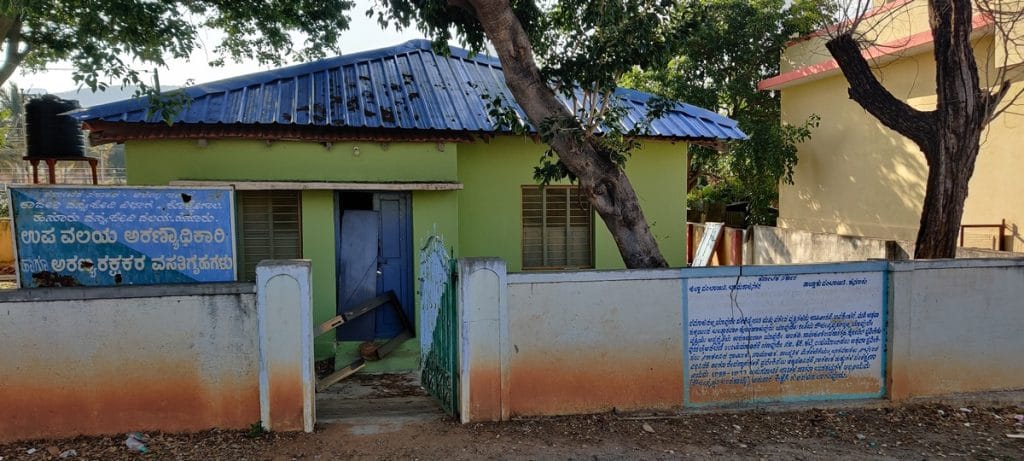
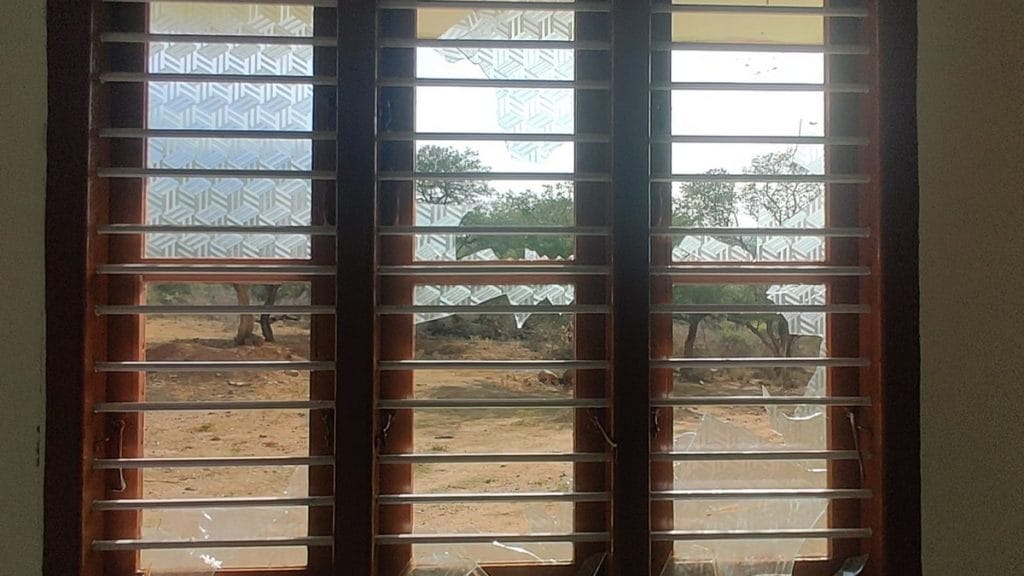
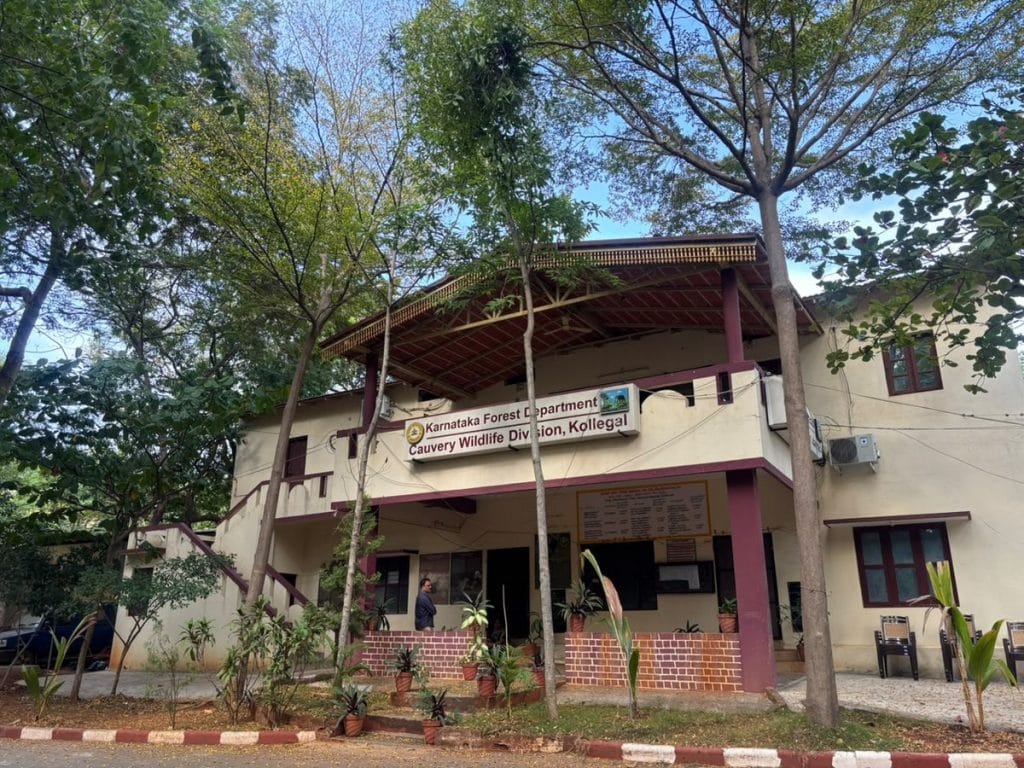
When ThePrint visited, the anti-poaching camp at the edge of the village was barely recognisable as a functioning outpost. Two other Forest Department accommodations and an office in Shagya were broken into. The door of the forest office had been tied together and locked. Through the gaps, the destruction inside was visible.
They were agitated, very angry with what had happened the night before. They came and destroyed these offices and rooms saying, ‘They killed our people, now we have to do this’
— Tailor in Shagya who said he witnessed the attack
A tailor who said he witnessed the attack told ThePrint that those responsible had come from Mariamangala, about 2 km away.
“They were agitated, very angry with what had happened the night before. They came and destroyed these offices and rooms saying, ‘They killed our people, now we have to do this.’ They were not local people, they were all Tamils,” he said.
Later that night, forest personnel guarding the spot where the bags of meat had been found said they heard explosions nearby. They were waiting for forensic and dog squads when they saw people approaching and fled the area.
Mariswamy said around eight anti-poaching camps were attacked on 15 August, with solar panels, lights, generators, pipelines, doors and windows damaged. Three of the camps, he said, were attacked using gelatin sticks. Among the camps targeted were Minchinahalli, Bheemeshwari, Ollemarada Hatti, Budikere, Bandahalli and Kalidoddi.
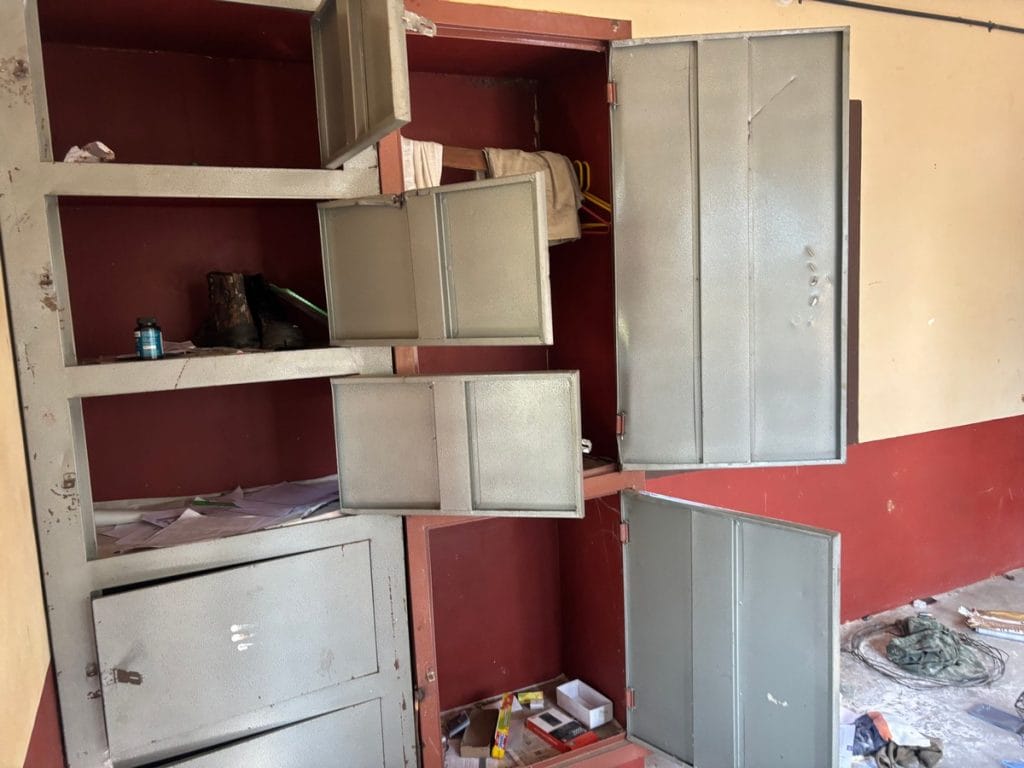
Police protection was subsequently sought for the camps and forest personnel. The attacks did not stop at the camps. A Forest Department vehicle in Cowdalli was attacked and staff quarters there were also targeted. Police were called in to protect the premises.
These anti-poaching camps are vital to wildlife conservation—what Malathi Priya called “the lifeline of entire sanctuaries.” They are positioned across the forest to allow staff and anti-poaching watchers to patrol areas where there is little or no mobile connectivity. Wireless communication and daily registers help track movement.
A typical camp has a forest guard and anti-poaching watchers, with permanent forest staff overseeing operations. There are around 28 such camps in the Cauvery sanctuary and another 36 in MM Hills.
Many of the watchers are local residents. That creates a complicated relationship with the communities around the forest, Malathi Priya said. Some workers may even have relatives who are involved in hunting because they come from the same villages, she said, but the department continues to rely on them for protection work.
A forest guard posted at an anti-poaching camp deep inside MM Hills told ThePrint that these watchers are afraid to go out in the night, leaving some parts of the forest unguarded.
“The watchers are among the lowest-paid workers in the department, but they are also the people who spend the most time inside the forest,” the guard said, adding that they come from villages around the sanctuary and know the terrain intimately.
Also Read: What is the legal future for orangutans found in Odisha? Two apes have been waiting for 4 yrs
A new question of identity
The forest does not end neatly at the state border. The villages around the Cauvery Wildlife Sanctuary sit along the Karnataka-Tamil Nadu boundary, where language, family ties and livelihoods flow back and forth. Many residents are Tamil-speaking Christians whose lives are tied to the surrounding forest.
“In forest-adjacent villages, going and coming across the border is very common,” said T Yashwantha, Karnataka state secretary of the All India Kisan Sabha, who was present at the protests and later visited the families.
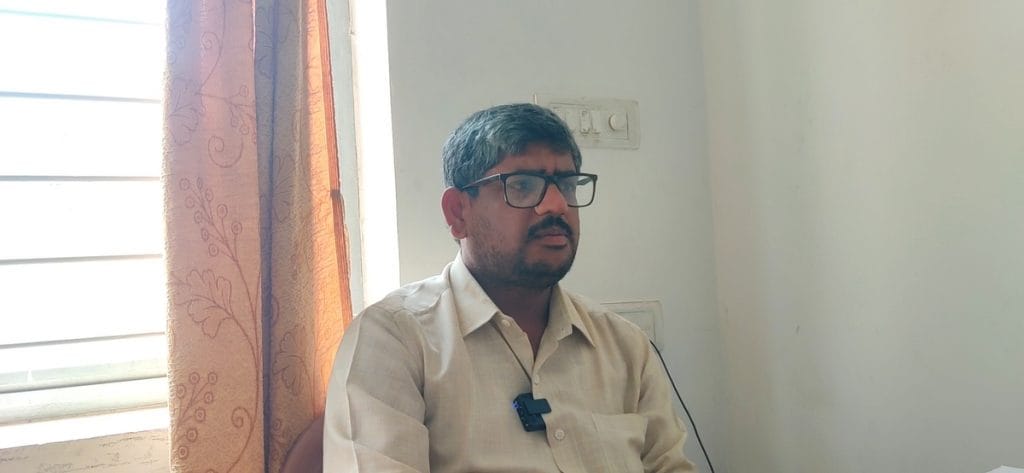
But after the firing, the Tamil origins of the three Karnataka residents have become part of the dispute. Tamil Nadu parties such as TVK, DMK and PMK have also demanded a probe. A more fluid identity has become hardened along political lines.
On the ground, residents repeatedly pointed to the region’s history as part of Tamil Nadu, but their day-to-day grievances are centred on grazing, access to the forest and restrictions on livelihoods.
Yashwantha said the families’ Tamil identity should not be read as evidence that they were outsiders to Karnataka. The families had lived and farmed in the border villages for decades, with children born and raised there.
He also disputed the Forest Department’s portrayal of the three men as poachers. He said none had previous police or forest cases.
“They were farmers and workers who were respected in their villages,” he said, adding that Swamy had worked with an NGO that helped build toilets in village homes.
Politics crosses the border
On 16 August, Tamil Nadu Chief Minister Vijay condemned the killings of the three Tamil men as “shocking and condemnable”. He alleged that the incident had taken place with no regard for human life, accused the Karnataka Forest Department of attempting to protect those responsible and demanded that a murder case be registered along with a transparent and impartial investigation.
Opposition leader and former CM MK Stalin also urged the Tamil Nadu government to take up the matter with Karnataka and to not stay “silent” as it had during the Mekedatu water-sharing controversy.
The exhortations from Tamil Nadu leaders for a CBI probe have not been taken kindly by Karnataka CM DK Shivakumar.
“This is a federal structure. No state should interfere with any state’s administration,” Shivakumar said on 18 August.
The controversy also acquired a religious dimension. On 17 August, the Archbishop of Bangalore condemned the killings and called for a judicial inquiry. While the church statement said it did not condone trespassing, poaching, hunting or unlawful activity in protected forests, it said such allegations could not by themselves justify lethal force.
The Karnataka Assembly witnessed a heated debate over the firing as well. The Leader of Opposition, BJP MLA R Ashoka, alleged on 17 August that forest officials had shot the men from close range and questioned why they had been fired at in the chest and neck.
“Forest officials have the right to self-defence and so do common people. They could have been shot in the leg, but they were shot in the chest and neck,” Ashoka said.
Ecology and Environment Minister Ramalinga Reddy defended the Forest Department’s version in the Assembly, saying officials had first asked the alleged poachers to surrender before they tried to attack them. He said three rounds had been fired from a slide-action gun and that the pellets scattered, causing injuries to different parts of the body.
In Hanur, meanwhile, Yashwantha said the All India Kisan Sabha was demanding Rs 1 crore in compensation for each family.
Sebastian David Kumar was one of those killed that fateful night by the forest guards. His wife, Domina, and their two daughters, aged 11 and eight, now wait for justice and compensation. She joined the protests, also demanding support for the girls’ education and a government job for herself.
In her small home, Domina is surrounded by Kumar’s family, but the question of what comes next remains unanswered.
“If they had done something wrong, they should have been punished. But killing them is wrong,” Domina said.
(Edited by Asavari Singh)