



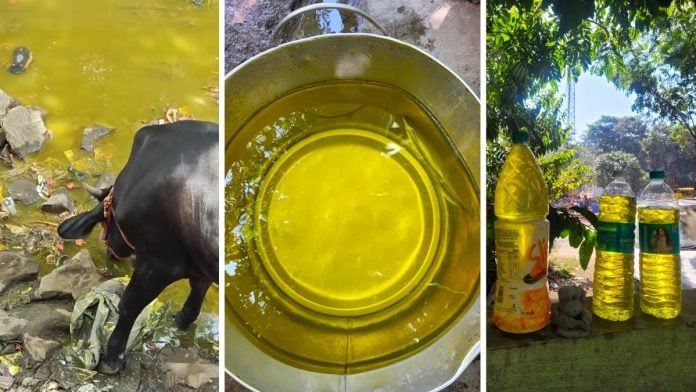
New Delhi: Groundwater in Nashik’s Ambad region has been found to contain high levels of hexavalent chromium, a toxic industrial pollutant, according to analysis by the Maharashtra Pollution Control Board. The MPCB has sent closure notices to 17 industrial units in the region.
After reports from citizens about ‘yellow water’ found in borewells and handpumps on 20 September surfaced online, the MPCB arrived to collect samples from one borewell in Ambad, which is famous for being an MIDC (Maharashtra Industrial Development Corporation) region. The South Asian Network of Dams, Rivers and People (SANDRP) also arrived in the area and took its own samples for conducting a laboratory analysis of the water, which was being used by people for washing, cleaning, and bathing.
Nashik is set to host the Kumbh Mela on the banks of the Godavari River in 2027, less than 10 km away from the contamination site.
The MPCB’s lab report, released on 11 October, found 45 mg/l of chromium in the water, as well as high levels of sulphate and chlorides.
Meanwhile, SANDRP’s samples were sent to a lab in Nashik, which found 50.3 mg/l of hexavalent chromium among 50.5 mg/l of total chromium in the water.
This is more than 1,000 times the safe limit of 0.05 mg/l allowed by the Bureau of Indian Standards, raising questions about industrial pollution in the borewells, handpumps, and streams in the area, posing a serious threat to the residents.
“We already got the result from one borewell, and have sent samples from three other borewells for further testing,” said Vidyasagar Killedar, regional officer for MPCB, Nashik. “In the meantime, we’ve already taken action against the polluting units, which are releasing untreated wastewater into streams and nalas.”
However, according to independent environmental activist Roshan Kedar, who first flagged the issue and complained to the MPCB, this pollution is a regular feature in the Ambad MIDC, home to around 80 electroplating industries.
“The earliest records of groundwater pollution in Ambad date back to 2009, and locals have complained many times. In 2016 too, there was a spree of shutting industries, but they reopened later,” said Kedar. “There needs to be a more permanent solution.”
Also read: India-France satellite TRISHNA to take flight by 2027. How it will improve Earth observation
Why hexavalent chromium is dangerous
According to SANDRP’s 8 October report on this issue, the hexavalent chromium levels in Ambad’s groundwater are equal to one of the world’s worst contamination cases, exceeding even the levels in the infamous 1996 Erin Broncovich case.
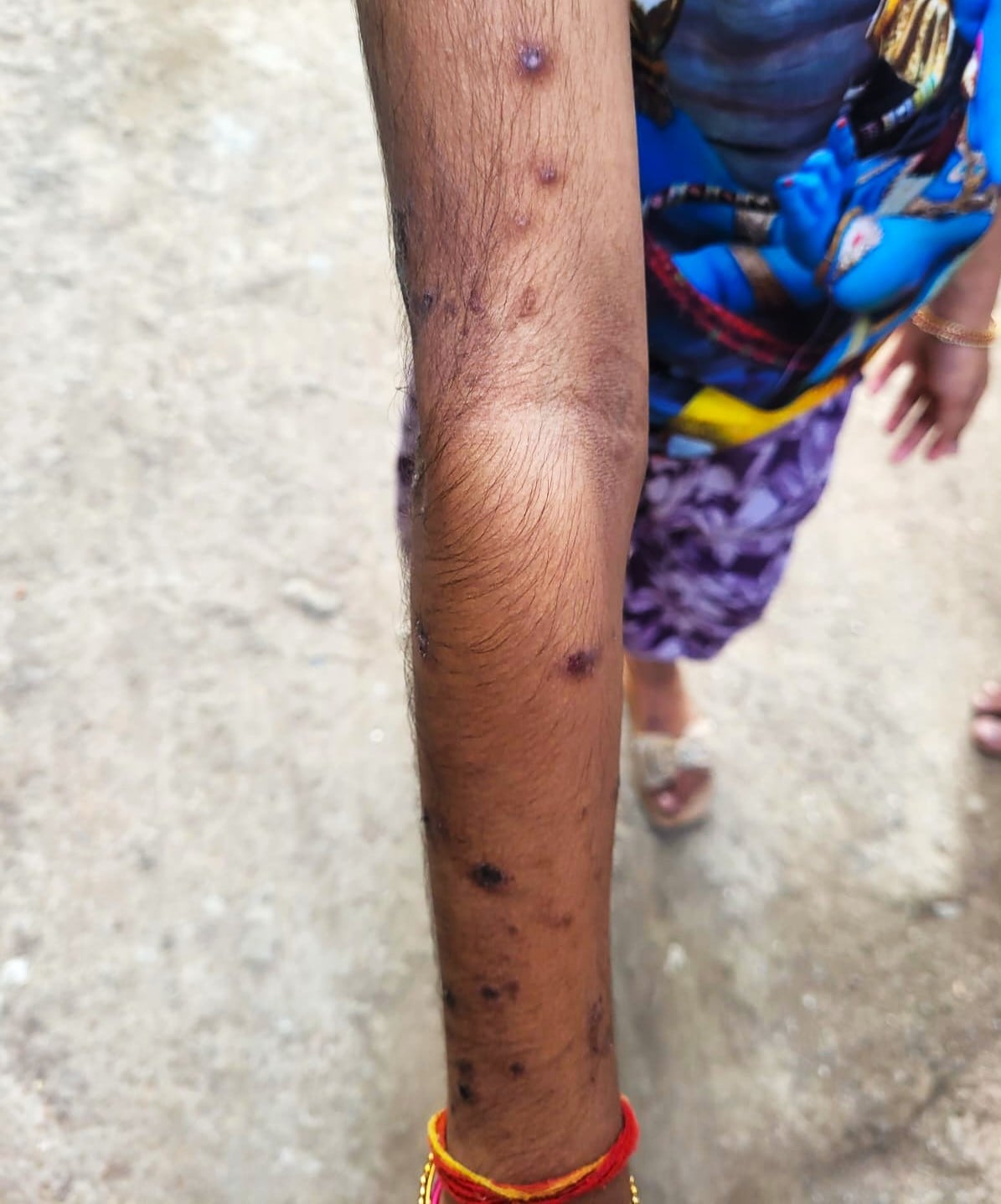
Hexavalent chromium is a Group 1 carcinogen, increasing the risk of cancer while also causing damage to the liver and kidneys. Repeated exposure to such high concentrations of chromium has already impacted the health of citizens, with many displaying signs of chemical ulcers, rashes, and blisters on their bodies.
The Nashik MIDC is home to 80 chrome-plating, zinc-plating, and powder-coating industries, which are factories that release chromium through discharge. According to a map prepared by SANDRP, the discharge is released into nalas in Ambad, which then join the Nandini River, a tributary of the Godavari.
“This is a public health emergency, and it’s not just one company—there are many industries responsible for this pollution,” said Parineeta Dandekar, an associate coordinator with SANDRP. “Around 20,000 people live here, exposed to this groundwater, and millions more will arrive for the Kumbh Mela too.”
Killedar said that the MPCB closed 17 units in the MIDC on 6 and 7 October, and is awaiting results of the other borewells before taking further action. The Nashik Municipal Corporation, according to Kedar, also sealed a few borewells in Ambad’s Dattanagar residential area so people would not use the contaminated water.
However, SANDRP’s report also demanded that the municipal authorities should deploy health camps, conduct forensic inspections of all MIDC units, and test the Nandini and Godavari Rivers for contamination.
(Edited by Prasanna Bachchhav)