







At a time when Diljit Dosanjh-starrer Satluj was pulled from Indian screens, watching Gulzar’s 1996 film Maachis feels dissonant. The wounds it showcased were barely a decade old at the time of release, and yet it managed to slip past the censors of its time and reach the audiences. It is something Satluj has been denied.
Maachis is now a reminder of a time when Indian cinema was allowed to sit with an uncomfortable history.
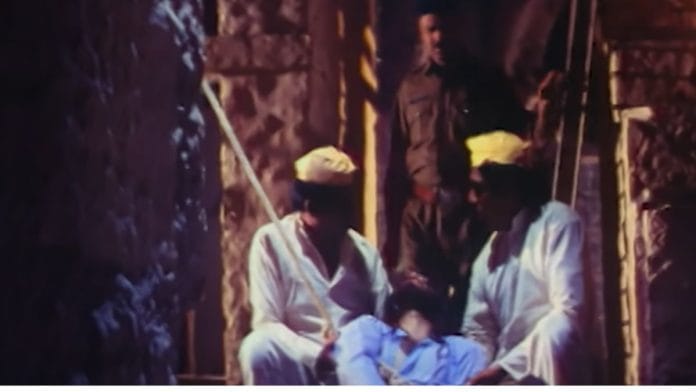
The film follows Kripal Singh Pali (Chandrachur Singh), a hockey player and his fiancée Virender Kaur (Tabu). Their world collapses when Veeran’s brother Jaswant (Rajendranath Zutshi) is picked up, tortured, and framed by the state police.
Satluj also opens on a similar note, but that is where the resemblance between the two ends. Where the Honey Tehran-directorial tells its story through the lens of human rights activist Jaswant Singh Khalra and his peaceful fight for justice. The search for justice in Satluj ultimately leads to Khalra’s own disappearance and death. In Maachis, however, that same search leads the protagonist to militancy.
Kripal joins hands with Sanatan (Om Puri), a strategist who runs an underground cell. Maachis doesn’t narrate a hero’s journey. Gulzar’s lens instead captures a slow erosion of innocence, choices, and any clean distinction between victim and perpetrator.
Why Maachis became a cult film
Part of what cemented Maachis‘ cult status is the fact that Gulzar refused to make it a film about villains and heroes. His story isn’t black or white.
In one of its most quoted moments, Sanatan explains that someone subjected to repeated injustice eventually looks for others like himself, and that whichever side he ends up fighting on is really just a response to that injustice and helplessness.
It’s a line that doesn’t excuse violence so much as explain its machinery. It has stayed with movie buffs and political commentators for nearly 30 years because Gulzar refuses to let either side walk away clean.
Maachis is also difficult to shake off because there isn’t a moment of violence, contrary to Trehan’s film. In fact, Gulzar deliberately moves away from it. When Veeran’s brother gets picked up and tortured, the film doesn’t dwell on the brutality itself so much as its aftermath.
Tabu’s portrayal of Veeran won her the National Film Award for Best Actress. It remains one of the most controlled, unshowy lead performances in Hindi cinema from the decade.
During ‘Pani Pani Re’, her expression shifts from a smile to tears within seconds; the transition entirely natural and unforced. Her face just gives way to grief.
Another reason for the memorability of Maachis is Vishal Bhardwaj’s music. The film was his debut as a composer.
The songs serve as intermissions, giving both the characters and the audience time to mourn before the plot moves on.
‘Chhod Aaye Hum’ was singer KK’s first Bollywood playback score. At first glance, the song may seem addressed to a woman, but it’s actually dedicated to Punjab, a home the film’s characters have already lost.
“Main bahut dur nikal chuka hoon Jassi… (I have come very far Jassi),” Kripal says in the film, realising he will never be able to return home.
The loss carries through into the film’s second half, as Sanatan’s underground cell starts to fall apart from the inside.
The violence against which the self-righteous fighters picked up arms starts to consume the group from within. Loyalty is put to test, trust collapses, the so-called family they have built falls under the weight of fear and suspicion.
As the film ends, there is no resolution offered, no clean verdict on who was right. All that remains is the lingering ache it began with.
(Edited by Prasanna Bachchhav)
Also read: Geet Gaata Chal turns 51—the film that gave Tagore’s sad ending a happier one