





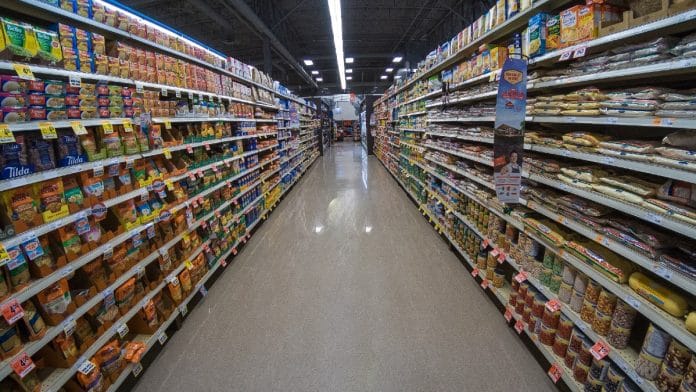


New Delhi: America’s ultra-processed food economy might be finally beginning to change and government regulations are not the reason. Weight loss drugs like Ozempic and the Make America Healthy Again movement are changing what people buy, according to several reports including a consumer survey by the Boston Consulting Group.
For years, salty chips, sugary snacks, and ultra processed meals ruled the American food industry. However, with the rise of GLP-1 drugs like Ozempic that control weight by suppressing a person’s appetite, consumers are not driven to unhealthy food in the same way that they once were. According to the BCG group, large established brands are beginning to lose their customers to smaller brands which offer healthier alternatives and probiotic products.
“High-protein foods like yoghurt or… meat seem to increase in frequency during and even more after stopping GLP-1s,” Lauren Taylor, managing director and senior partner at BCG, told Reuters.
In 2025, several million Americans used GLP-1-related medication for obesity or diabetes. Some 7 million Americans use these drugs now, and BCG projects that 12 million to 30 million people will be using them by 2030. If all adults with obesity took GLP-1s, there would be more than 100 million users in the US and more than 900 million globally.
“Patients report an all-around decline in consumption. They eat fewer meals and fewer snacks during the day. The impact does not stop there. GLP-1s affect the kinds of food users crave,” the BCG report read.
Also Read: Obesity drugs likely to improve male fertility, says UK study
People on GLP-1 drugs are moving away from processed food and consuming more protein to preserve muscle mass during weight loss. The 2025 Chicken Marketing Summit discussed this change and highlighted that the per capita chicken consumption had risen and the trend was likely to continue.
According to Reuters, the US market is yet to evolve to meet this new demand for protein rich food. The dairy industry is now embroiled in a “protein war” where major brands are trying to compete and dominate the market for high-protein yogurt products. American farmers might also benefit from this demand as consumers are looking for protein rich peas and lentils.
However, a high-protein product is not necessarily healthy. It might still contain high levels of sugar, sodium, and processed ingredients. In March this year, the Johns Hopkins School Bloomberg School of Public Health found that the sudden obsession with protein has drowned out the more important fact that there are several varieties of protein with different nutrient profiles and health implications.
(Edited by Stela Dey)