


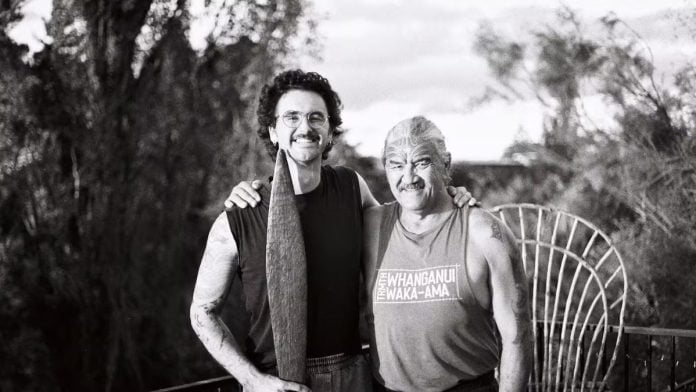
New Delhi: Raffaele Sindoni, a doctoral researcher at the Yale School of Environment is trying to understand whether a river can have the same legal status as a human being, and if that would change the way governments and communities protect it.
For his research, Sindoni is looking at the case study of New Zealand’s Whanganui river, which was recognised as a “legal person” under the Te Awa Tupua Act in 2017. The decision came after years of struggles between the government and the Whanganui Iwi, the Maori people who say they have ancestral ties to the river.
From November 2025 to April this year, Sindoni was in New Zealand, collecting archival records, writing hundreds of pages of notes, and over 40 hours of interviews with the Whanganui Iwi. They found that giving the river a legal identity had also given the Iwi a bigger role in making decisions about the river.
“We really have to take seriously and question the alternate ways that we are in relationship with nature, with money, with law, with these kinds of systems that you don’t have to scratch too far beneath the surface to understand the ways that they’ve really been weaponized,” Sindoni told Yale Daily News.
Also read: Ancient Siberian tomb reveals 2,800-year-old evidence of cannabis use
A river’s legal status
Working with indigenous leaders in the US and in New Zealand has expanded Sindoni’s understanding of environmental issues. They also observed how even people outside the Iwi community, such as engineers working on a port development project, have begun studying the legal status of the river and discussing it while planning the project.
“The deeper lesson is that legal systems should be willing to listen to Indigenous legal traditions and worldviews and, where appropriate, develop new legal institutions that reflect relationships of responsibility, reciprocity, and respect between human communities and the natural world,” David Cordero-Heredia, a visiting professor at the Yale School of the Environment wrote.
New Zealand’s Whanganui river is not the only one to have been given a legal status. In 2016, Colombia granted “personhood” to the Atrato River, and in 2019, Toledo, Ohio, also passed a Lake Erie Bill of Right, although it was soon overturned in court.
“These debates about legal personhood are essential for the next generation of students, activists, and lawyers as we grapple with changing relationships between people and nature. More importantly, though, they matter for all communities working to challenge the ways Western law has long shaped land, belonging, and political power,” Sindoni told Te Ao Maori News.