




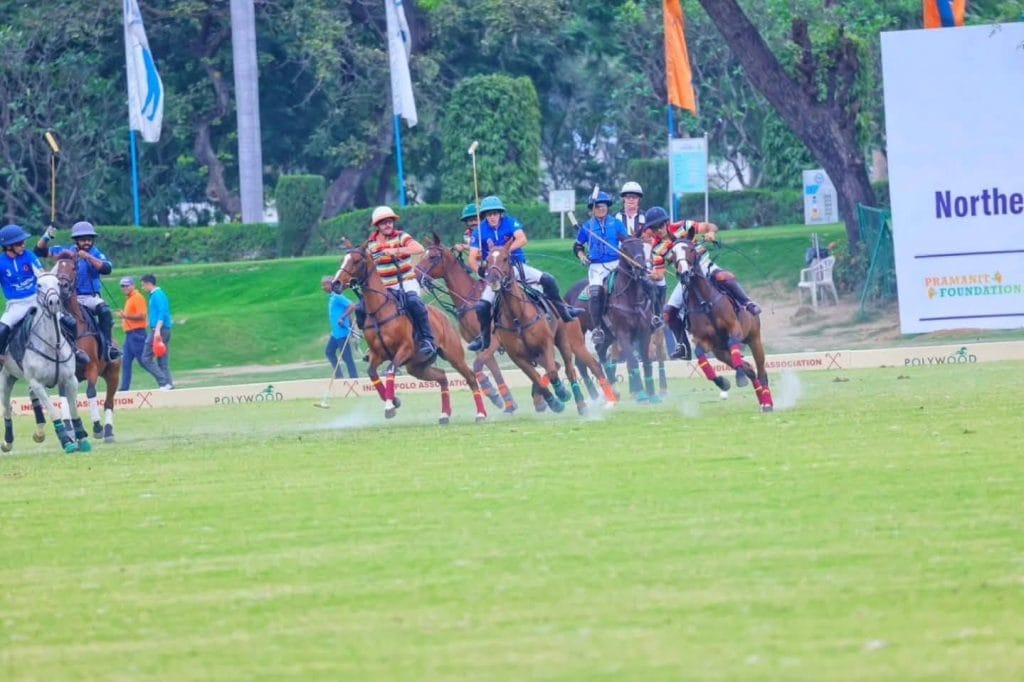
New Delhi: More than 2,000 people packed the stands at Delhi’s historic Jaipur Polo Ground this March for the Indian Open final. On the emerald turf, Maharaja Sawai Padmanabh Singh of the erstwhile Jaipur royal family faced off against industrialist and BJP MP Naveen Jindal’s team. Later, Jindal called polo “India’s gift to the world”, while Congress leader Rajeev Shukla said the sport in India depended on this ground.
Less than three months later, the government took possession of it. On 13 June, officials from the Land & Development Office sealed the 15.2-acre venue. On Monday, the Delhi High Court refused to pass any status quo order on the takeover. Many in Delhi’s polo circuit are already mourning the end of an era.
“There are a few places in the country which can be recognised as polo centres. The Jaipur Polo Ground was one such place,” said Maninder Sethi, editor-in-chief of polo magazine La Polo, who describes the turf as the heart of the capital. “For me, Delhi would hardly feel like Delhi without it. We are all shocked.”
Beyond the sport’s peak seasons in autumn and spring, he added, the ground served as a year-round fixture for the city, hosting horse shows, equestrian stunt performances, and national show jumping events.
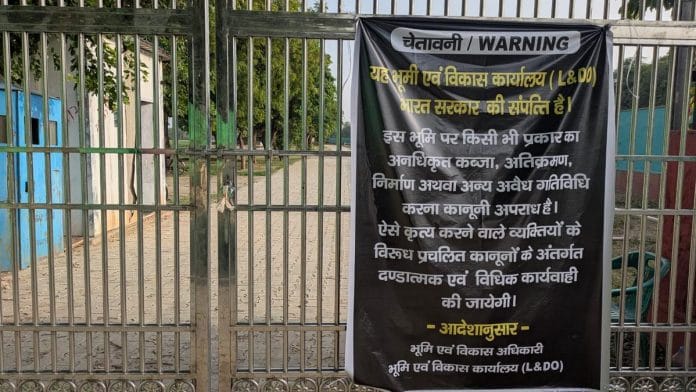
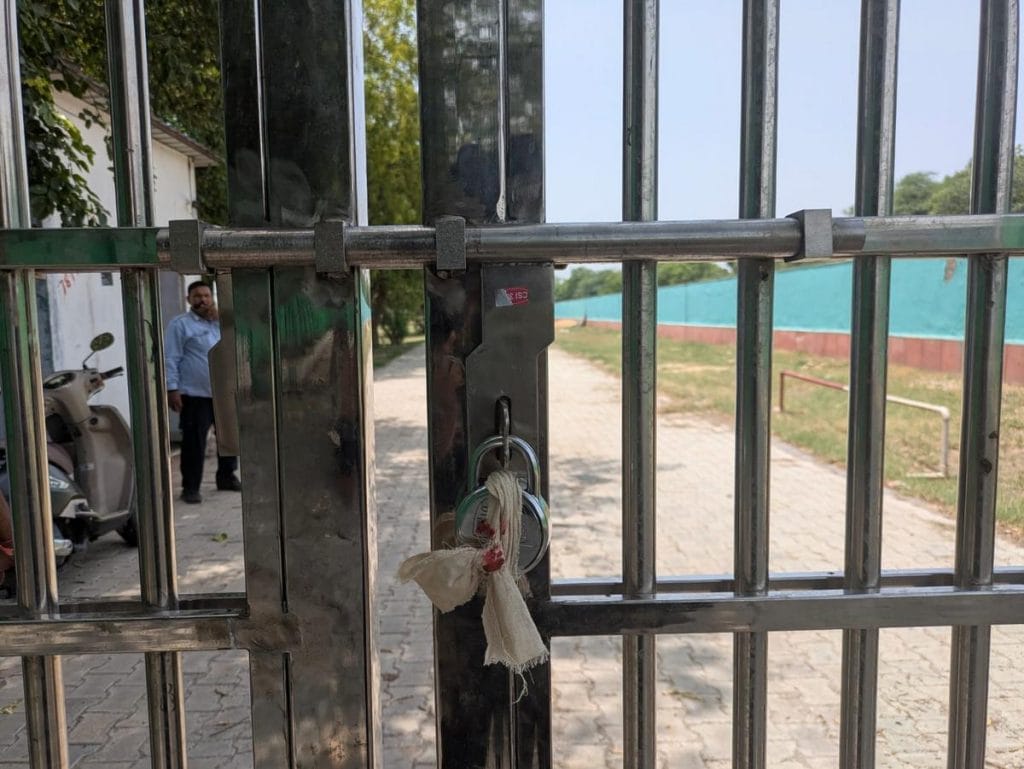
Now, notices saying that the site is government property are posted outside the sealed gate. Players and administrators have stayed out of the premises since, with only security staff present.
The action is part of a larger battle over prime land around the PM’s residence. In recent weeks, the Centre has also initiated proceedings to reclaim land held by the Delhi Race Club and the Delhi Gymkhana Club, citing a “larger public purpose” and the need to strengthen “defence infrastructure”.
Only weeks ago, lawyers for the neighbouring Delhi Race Club had told ThePrint that Jaipur Polo Ground was better placed because of its powerful office-bearers. Jindal is vice-president of the Indian Polo Association, while the body’s president is General Upendra Dwivedi, the serving Chief of Army Staff. Ironically, Jaipur Polo Ground has been sealed first.
Also Read: 600 Delhi Gymkhana Club workers aren’t elites. Their jobs depend on fighting the stereotype
‘Saddest day for Indian polo’
The Jaipur Polo Ground has hosted major tournaments, international matches, and equestrian events for nearly a century, and for the people who grew up around it, that history is personal.
Rajesh Sahgal, head of the Delhi Polo Tournament Committee and a member of the Indian Polo Association, first watched a match there in 1976.
“I started to play myself in 1977, the very next year,” he said. Nearly 50 years later, Sahgal reels off the names of the stalwarts of that era, many from the Army: Pradeep Mehra, Brig VP Singh, Billy Sodhi, Farooq Bijli.
For Sahgal, whose connection to horses began in childhood, polo is his passion and this ground is where it could flourish.
“It is perhaps the only sport in the world where two living things are in tandem and playing together,” he said.
The day it was sealed was, for him, “the saddest day for Indian polo”.
That sentimental attachment spans generations of polo players across the city.
“I attended my first polo match at the Jaipur Polo Ground when I was 15, and I’ve been attending polo matches since then,” said Shriya Misra, a lawyer who also trains at Adagio Riding Stables.
She recalls a glamorous atmosphere defined by “stunning horses, excellent dressing, an audience immersed in the game and gutsy riders adept in handling their horses.” Misra also fondly recounts the Delhi Horse Show final in 2025, where national show jumping records were broken on the field.
“It was a thrill to witness such feats up close,” she added.
Also Read: Trouble on Lok Kalyan Marg—Delhi Race Club is fighting Modi govt to save 100-yr-old track
A maharaja’s gift—free of charge
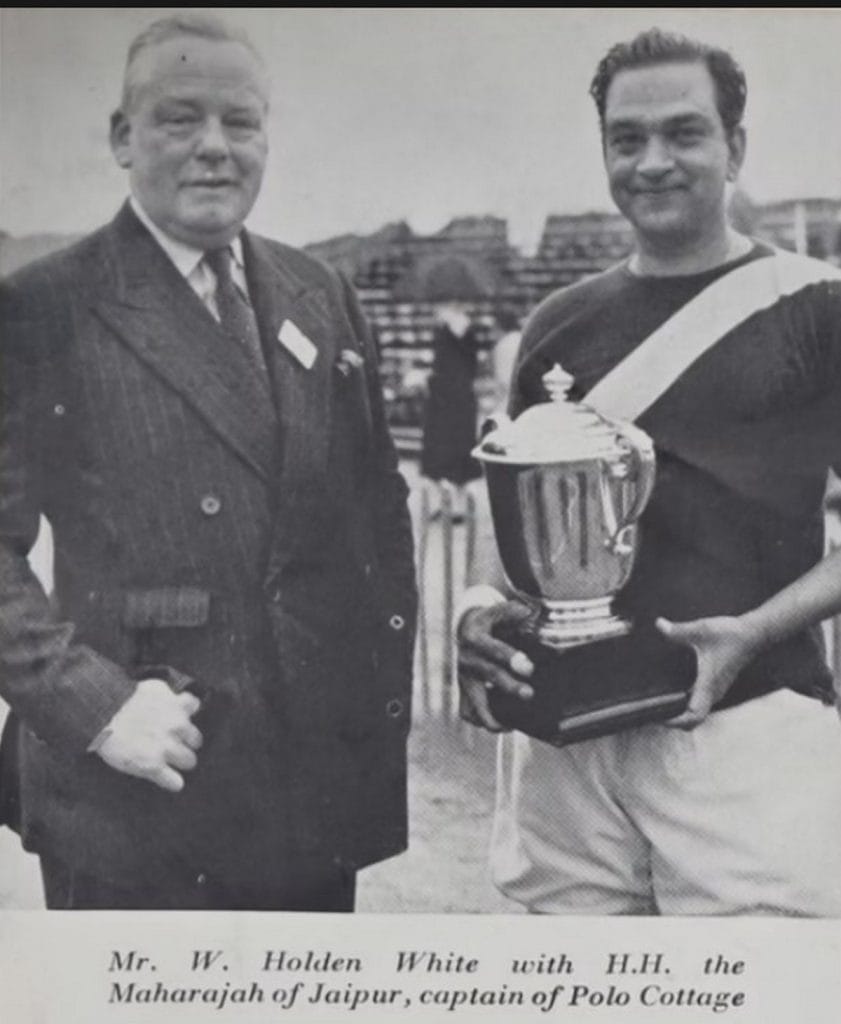
The ground’s story begins with Sawai Man Singh II, the last ruling Maharaja of Jaipur, who ultimately died doing what he loved—collapsing on a polo field in England in 1970. Around 1930, he gifted this prime slice of the Jaipur Estate to the Delhi Polo Club to ensure the capital had a dedicated home for equestrian sports.
“The ground was a gift from the Jaipur family, to carry on the legacy and continue the heritage sport,” said Sahgal.
A formal 20-year lease was signed with the Central Public Works Department in 1951, with extensions carrying it through the subsequent decades. When the Delhi Polo Club dissolved in 1983, the Indian Polo Association (IPA) assumed management, supported by the Army Polo and Riding Club and elite military units like the 61st Cavalry to maintain the international-standard field.
The association says it paid the government Rs 30,400 as ground rent in April 2025 for the period ending March 31, 2030, and that the payment was accepted. The government, however, has argued that the lease expired in March 1993 and that the association has been occupying the land without authority since then
“The Jaipur Polo Ground is one of the oldest polo grounds in India and has traditionally and historically been the most coveted venue for polo in India,” says the IPA website.
What is often seen as a colonial sport actually has deep roots in India. The modern game evolved from sagol kangjei, or pulu, in Manipur and chaugan during the Mughal era, before British officers formalised the rules in the nineteenth century. The IPA was established in 1892 to govern the sport.
During the sport’s twentieth-century golden age, princely states like Jaipur, Jodhpur, and Patiala drove Indian polo to global dominance. Man Singh II famously led the Jaipur Polo Team to a clean sweep of all open tournaments in Britain in 1933, later captaining India to a World Championship victory in France in 1957.
As royal privy purses vanished post-Independence, the sport faced an existential crisis. It was saved largely by the Indian Army’s institutional backing and the enduring prestige of the Delhi ground. The ground was one of the venues for the 1950 Argentine team tour to Jaipur, Delhi, and Bombay, which helped breathe new life into polo in India.
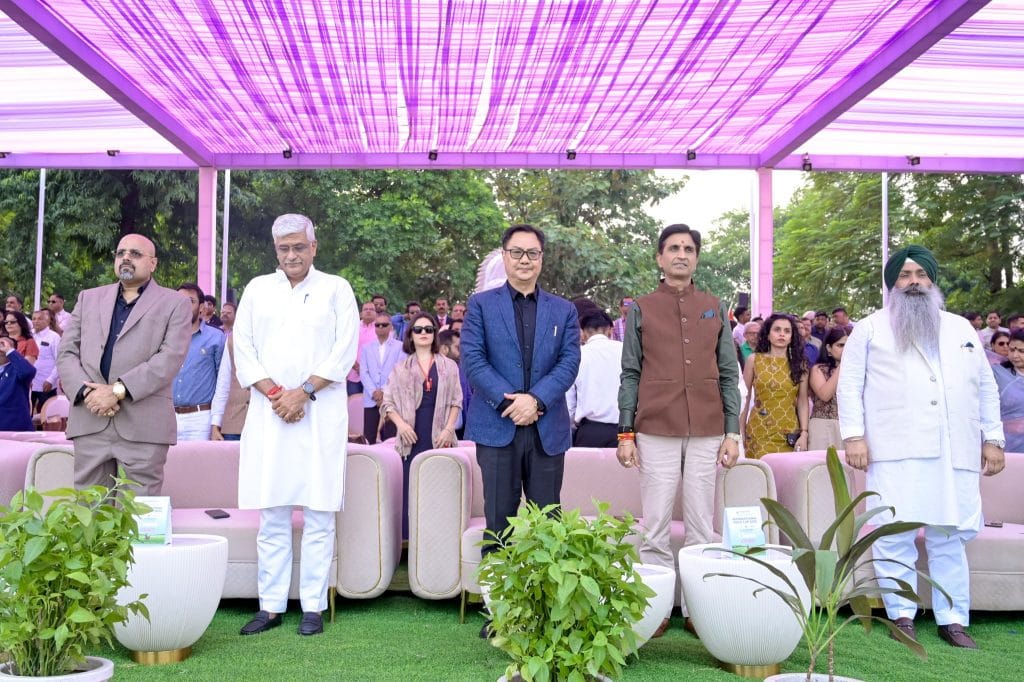
For decades, the famed ground has regularly been the stage for some of India’s most prestigious polo events, including the Indian Open and the President’s Cup, with diplomats and dignitaries among the spectators—from President Fakhruddin Ali Ahmed to Rajnath Singh. In 1980, Prince Charles participated in a tournament here. Last year, the Argentina team visited again for the KogniVera International Polo Cup, with Union minister Kiren Rijiju among those in attendance.
But this oasis of historic charm and green expanses was not just a privilege of the elite. Anyone could go watch a match during the season, and that too for free.
“What makes the ground unique is its central location in the capital, where it is surrounded by lush foliage everywhere, making it accessible to the city’s polo and equestrian enthusiasts and others curious about the sport,” said Misra.
That public access is now gone too. At the entrance, a lock wrapped in white cloth hangs from the gate, beside a black L&DO notice warning that any unauthorised entry will invite punitive and legal action.
(Edited by Asavari Singh)