



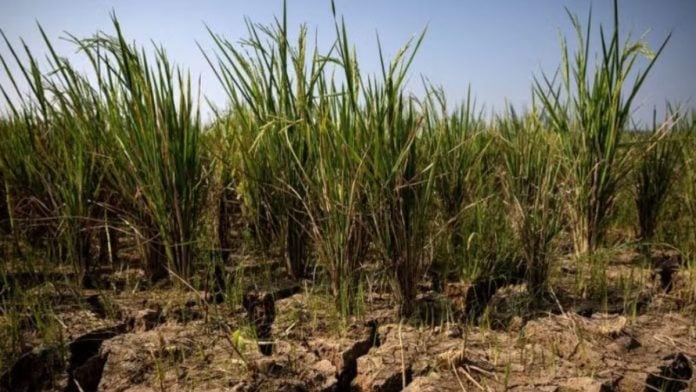
New Delhi: A group of 188 Indian ecologists, conservationists and researchers have sounded an alarm, warning their peers, government agencies, and even funding bodies to prepare for the upcoming ‘super’ El Niño.
The El Niño is expected to affect the country from November 2026 to the first few months of 2027. It is likely to bring along with it a combination of extreme heat, weaker monsoons, and marine heatwaves, which could affect coral reefs, forests, mountains and ecosystems across India in ways that scientists cannot accurately predict.
Rohan Arthur, one of the signatories of the ‘Call to Ecologists’ published on 16 September, has been witnessing the impact of several El Niños for the past 30 years. Arthur, a marine biologist with the Nature Conservation Foundation, admits that El Niño might be a natural phenomenon, but climate change has made each event more intense and reduced the time between the extreme events.
“In many (ecological) systems across the country, apart from anecdotes, we don’t really have a good sense of how El Niño will affect natural systems and the human communities that depend on these systems. The main aim of this call was to alert scientists, managers, funders, anyone concerned about the natural world — there is something big coming along, so get your act together, let us see if we can document this, and at least be prepared,” Arthur told ThePrint.
Also read: August 2026 was the world’s hottest month, tied with July 2023
What to expect?
El Niño occurs every two to seven years but it has grown more frequent in the past years. It gets triggered by warmer temperatures in the eastern Pacific Ocean, and its consequences vary across the world.
According to the ecologists who have drafted the report, sea surface temperatures in the Pacific exceeded 0.5 degrees Celsius above normal in May. They are projected to rise to 4 degrees Celsius above normal, which is higher than any such event in the past 1,000 years.
This time, El Niño’s harsh conditions could lead to marine heatwaves, loss of coral reefs, drought, fires, and even changes in the behaviour, reproduction and migration patterns of animals. While these are still predictions and not forecasts, the authors highlight that studying extreme climate events does not have to be a retrospective activity.
In the call to action, they urge people to repair and utilise weather stations, collect local temperatures, rainfall, humidity and other data, coordinate studies across different locations, and study both satellite and field data. They hope that funders and government agencies will heed their call and provide the logistical help needed to document this El Niño.
Arthur recalls that at first, when he and a group of scientists were drafting the document, they did not expect the overwhelming response they have now received.
“When we sent the initial call to the community, within four to five days nearly 188 people reached out from over 70 institutions — people from research institutes, government bodies, NGOs, even the forest department. Everyone basically told us, ‘This has been on my horizon too, and I hadn’t thought of how dramatic it could be’,” Arthur added.
It still hasn’t been long, but he hopes that their effort will create a momentum that will only grow in time. The upcoming El Niño might bring droughts, wildfires, crop failures, and disaster preparedness would be key.
(Edited by Saptak Datta)