





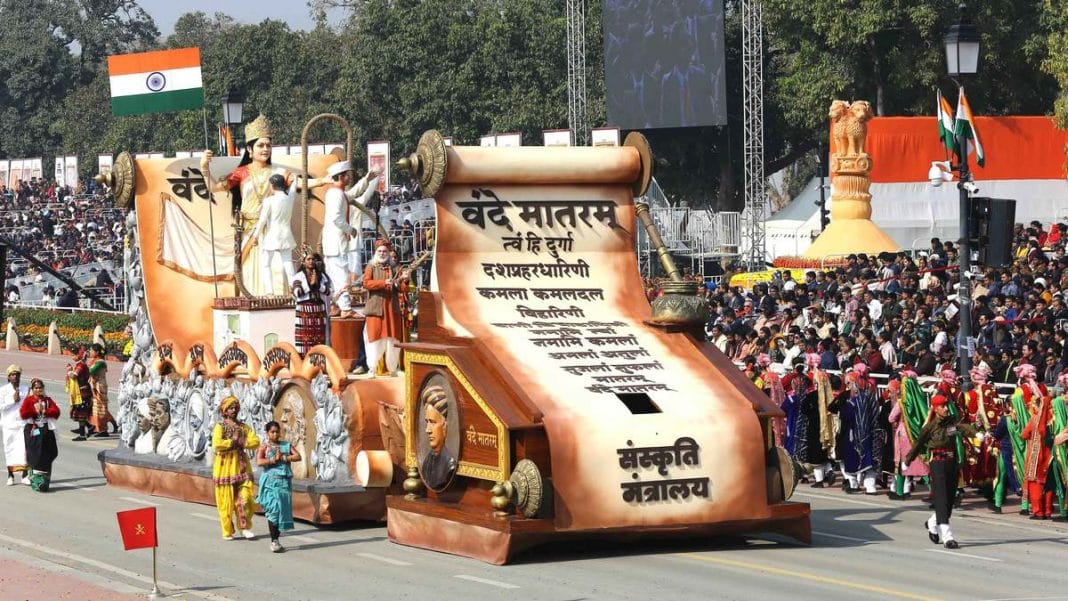


Parliament has cleared the Prevention of Insults to National Honour (Amendment) Bill, 2026. The Bill aims to protect Vande Mataram by making it a criminal offence if somebody intentionally tries to prevent its singing or if they disrupt a gathering where it is being sung. Anybody found guilty can be imprisoned for up to three years, or face a fine, or both.
This amendment raises certain constitutional issues. The current provision in the 1971 Act covers intentional obstruction or disturbance, but the new terms introduced here such as “disturbance” allows for subjective interpretation. Could a silent sit-in, chanting slogans or a peaceful protest, in a politically charged atmosphere, near a venue where Vande Mataram is being sung turn out to be an offence?
The Bill has inadequate safeguards, no more stringent “mens rea” requirements than “intentional”, and has no prior warning requirements and no real guidelines to protect against misuse by overzealous officials. If these checks are not in place, the law could be used as a weapon in local politics or be used against opposition voices.
The government has defended the amendment as a long overdue measure to accord Vande Mataram the same status as the National Anthem. Union home minister Amit Shah declared it a “mantra for the reconstruction of India” during the year-long celebrations marking the song’s 150th anniversary.
But critics see huge differences in the priorities. The government’s swift move on this Bill, despite the pressing environmental and livelihood concerns like protests against the linking of the Ken-Betwa River in Madhya Pradesh, where residents are facing displacement and deforestation, or CJP’s protest at Jantar Mantar seems to be less urgent matter in the legislative agenda. This brings up an uncomfortable question:
Is this really our nation’s true priority?
There is a degree of irony that must not be missed. Vande Mataram is an invocation of the motherland. It hails the Earth, its water, its fertility, its natural abundance and its beauty. But as the environmental fate of the same land is debated, lawmakers are devising measures to outlaw any interference with the singing of a song that praises that land.
The Supreme Court’s judgment in Bijoe Emmanuel v. State of Kerala, a valuable reminder of the Constitution where the Court safeguarded freedom of conscience, acknowledging that patriotic acts must not be mandatory, as freedom of the nation cannot solely be gauged by such acts.
This remains true today. The Constitution does not suggest that citizenship is something to be tested over and again again through displays of patriotism. Nor should the criminal law be the examiner. Is disruption of Vande Mataram becoming such a common phenomenon which demands another penal intervention?
Do there appear to be significant harms arising from a legislative vacuum? Or, is the amendment more symbolic than anything else? The examination of a law through the democratic process does not amount to an attack on the symbol that the law claims to shield. One may appreciate the importance of Vande Mataram in India’s freedom struggle while, at the same time, questioning why it should result in a penalty of three years’ imprisonment. The larger issue is not Vande Mataram. It is the growing linkage between nationalism and criminal law.
But when rivers are disputed, the woods are endangered, communities are subject to eviction, ecological movements are given a hearing in Parliament and citizens are invited to the streets to voice their concerns, what should the immediate agenda be for the Parliament?
The motherland is not merely a hymn.
Ultimately, patriotism based on the fear of going to jail is weak. National symbols continue to stand strong not because they are compulsory by law but because they are embraced by current generations. Thus, Vande Mataram existed not only during colonial times, but also acted as the basis for a freedom movement. It became part of the country’s national consciousness long before the law made any mention of protecting it legally.
Shradha Pathak is a student of National University of Study and Research in Law, Ranchi. Views are personal.
Also Read: The new Vande Mataram Bill revives a debate India settled decades ago