






Global food prices edged lower as a ceasefire between the US and Iran reduced concerns of further disruptions to supply chains.
The United Nations’ index of food-commodity prices fell 0.3% in June from the previous month, led by grains and sugar, according to a Friday report from the Food and Agriculture Organization.
The interim peace agreement, which opened a negotiating period between Washington and Tehran, has restored trade flows through the Strait of Hormuz, a critical artery for grain shipments and agricultural inputs such as fertilizer and diesel. The Iran war risk premium that swept through crop and fertilizer markets evaporated in early June, easing fears of prolonged supply disruptions.
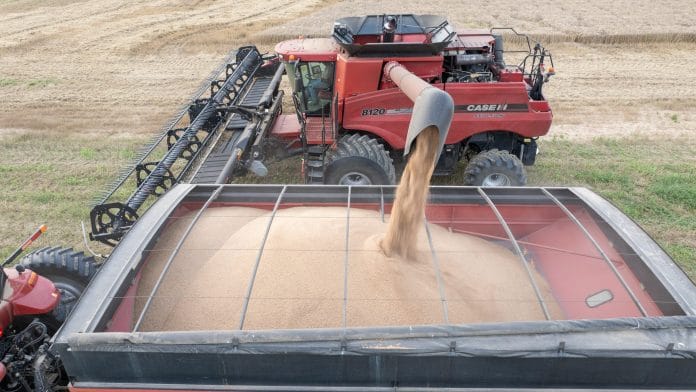
But as harvests begin across the Northern Hemisphere, attention is shifting to lower acreage, weaker yields and adverse weather after a record-breaking heat wave swept across Europe. A developing El Niño — a cyclical weather pattern that can trigger floods in one region and drought in another — threatens to further destabilize global food security by damaging crops in key producing regions.
The FAO index tracks internationally traded food commodities. The index is 1.7% higher than a year ago – but still almost 19% below the record reached in the wake of Russia’s invasion of Ukraine in March 2022.
Disclaimer: This report is auto generated from the Bloomberg news service. ThePrint holds no responsibility for its content.