



Jerusalem: For years, he branded himself as ‘Mr Security’, tried to project an image of being Israel’s protector. Benjamin Netanyahu is now facing a referendum on that very promise. National security is the centrepiece of the pivotal election underway in Israel, the first to be held after the October 7 attack by Hamas, and the multiple wars that followed.
For citizens of Israel, the memories of terror attacks and the wars are still fresh, and security is the top consideration in deciding their vote.
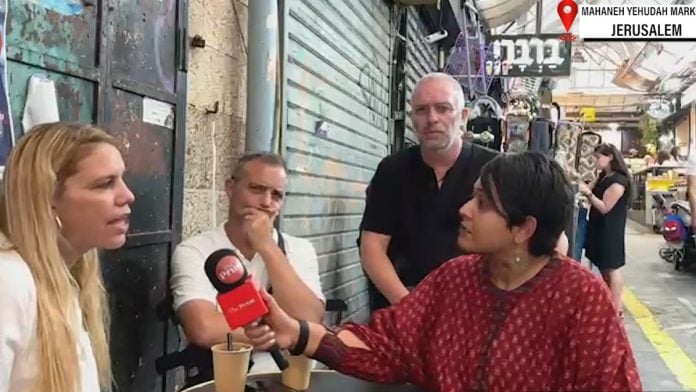
“We have had a very tough four years (since 7 October 2023). Israel is a good place, but it can be better. It needs a change,” Hila Malovany, a teacher in Jerusalem, tells ThePrint. On national security, Israel has witnessed a consensus among its people, and bickering among key politicians in the run-up to election. Netanyahu has often termed Gadi Eisenkot as someone who will undermine Israel’s security if voted to power.
Eisenkot, who heads the centrist Yashar party and is Netanyahu’s key challenger, has attacked the Israel Prime Minister and sought accountability for the 2023 terror attack.
“Many people believe that Netanyahu didn’t act to prevent 7 October, they want to make him accountable. However, the Israeli Prime Minister has succeeded in some parts in the years that followed. The security situation has improved inside Israel, and there is a chance that voters may reward him for that,” Gill Hoffman, veteran political analyst and author of The Blood Libel Machine, tells ThePrint.
National security is the central issue, but for many Israelis this election is a choice that goes beyond electoral representation.
“The one thing I’d like to change is the way how ultra-orthodox jews control the way we live. Everything is being dictated by society. I want the freedom to choose how to live my life,” says 18-year old Amya Kreinzin, a first-time voter. A section of the youth believe this election is about voting for someone who will allow them to live the life they want.
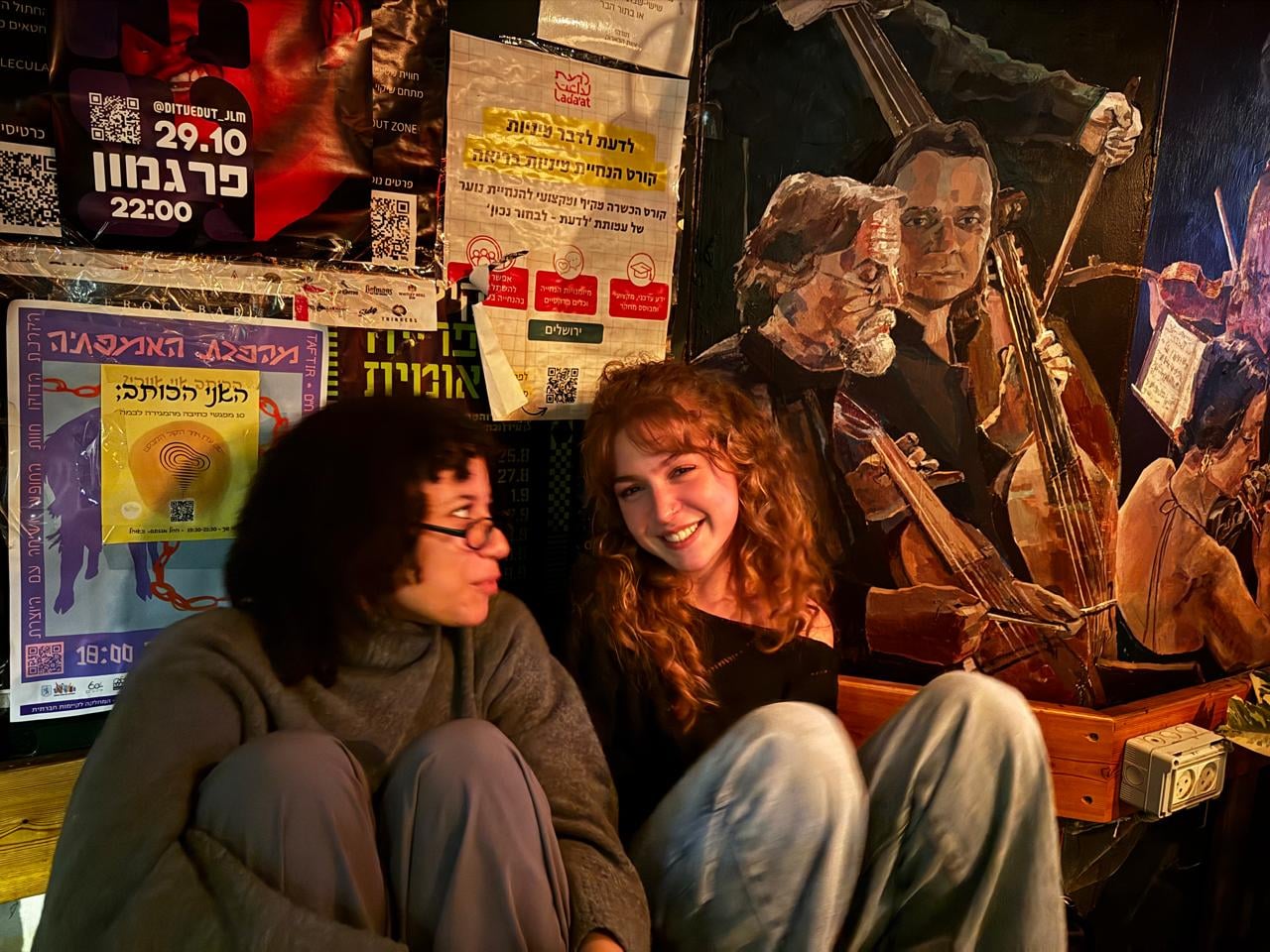
“We can’t get married to whoever we want, when we want. Radicalism is controlling the country and I want to change that,” says Tamar, another first-time voter.
According to experts, the election is about national security but not limited to it.
“This election is more about how the country will look, and what will be its trajectory. It is about deciding how much control will religion and the ultra-orthodox people have in the new government and the society. These are the real issues in the country,” says Paul Gross, author of a new book on Israeli democracy, ‘To Be a Free People in Our Land: Zionism, Liberal Democracy, and Israel’s Hinge Election’.
The results of this election will not only decide Israel’s next government, but also indicate which way the country goes from here, on security and other contentious issues.
(Edited by Amrtansh Arora)
Also Read: Netanyahu sounds alarm as Israel voter turnout hits 53-yr high, Arab parties may emerge kingmakers