



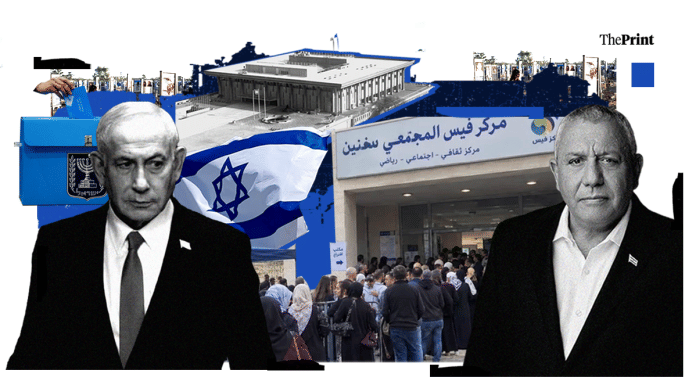
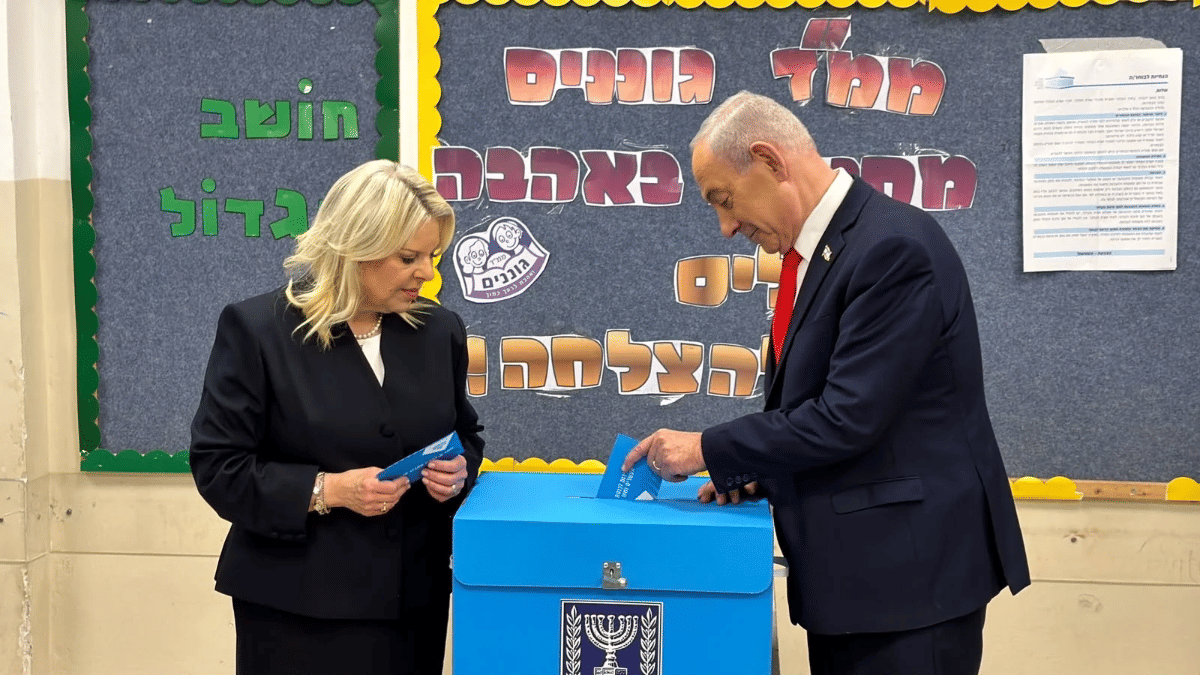
Jerusalem: Israel is witnessing an unprecedented high voting Tuesday. By 2 p.m. local time, seven hours after voting began, turnout reached 44.9 percent—the highest since the 1973 elections.
Israel Prime Minister Benjamin Netanyahu posted on X that huge lines are being reported in the Arab settlements. He also urged voters in right-wing strongholds to ‘wake up and go out to vote’ if they don’t want a government of Arab parties. In another post on X, he wrote: “We’re at war for our home. Muslim Brotherhood supporters are raiding the polling stations and stealing the elections. Go out and vote, recover it!!”
Finance Minister Bezalel Smotrich, who heads the far-right Religious Zionist Party, also attributed the high turnout to the increased participation of Arab voters. Rahat, the Israeli city with the highest Arab population, recorded a voter turnout of 36.9 percent till 12 noon.
This is the first election after the Hamas-led 7 October attacks in 2023, which was followed by years of war. It is being held at a time when the country is polarised and amid a dominant anti-Arab wave. Voting for choosing representatives for the 120-seat Knesset will continue till 10 p.m. local time (1:30 a.m. IST)
“People have no problem with Arabs being involved in non-controversial issues. But when dealing with national security, there is a lack of faith in Arab parties, which haven’t even condemned the 7 October attack and have shied away from calling it an act of terror,” Gil Hoffman, veteran political analyst and author of ‘The Blood Libel Machine’, tells ThePrint.
🚨 תורי ענק בקלפיות במגזר הערבי.
אם לא נתעורר עכשיו, אנחנו נמצא את עצמנו עם ממשלה של מנסור עבאס ואחמד טיבי.
זה הזמן להתעורר ולפעול! התקשרו עכשיו למשפחה ולחברים, צאו יחד לקלפיות והצביעו מחל 🇮🇱 pic.twitter.com/GviYZ57sK0
— Benjamin Netanyahu – בנימין נתניהו (@netanyahu) October 27, 2026
Arabs comprise around 21 percent (2.1 million) of Israeli population. The Arab parties Ra’am and Joint List may become the deciding factor, if the difference in the number of seats for the pro- and anti-Netanyahu bloc is narrow.
Both these parties have played a role in Israeli politics over the last few years. Post 2021 election, Ra’am joined the opposition leaders from across party lines, led by former Israeli PM Naftali Bennett, to form a coalition and overthrow Netanyahu. It was the first time that an Arab Islamist Party had joined a governing coalition. However, the government collapsed in a year, marking Netanyahu’s return.
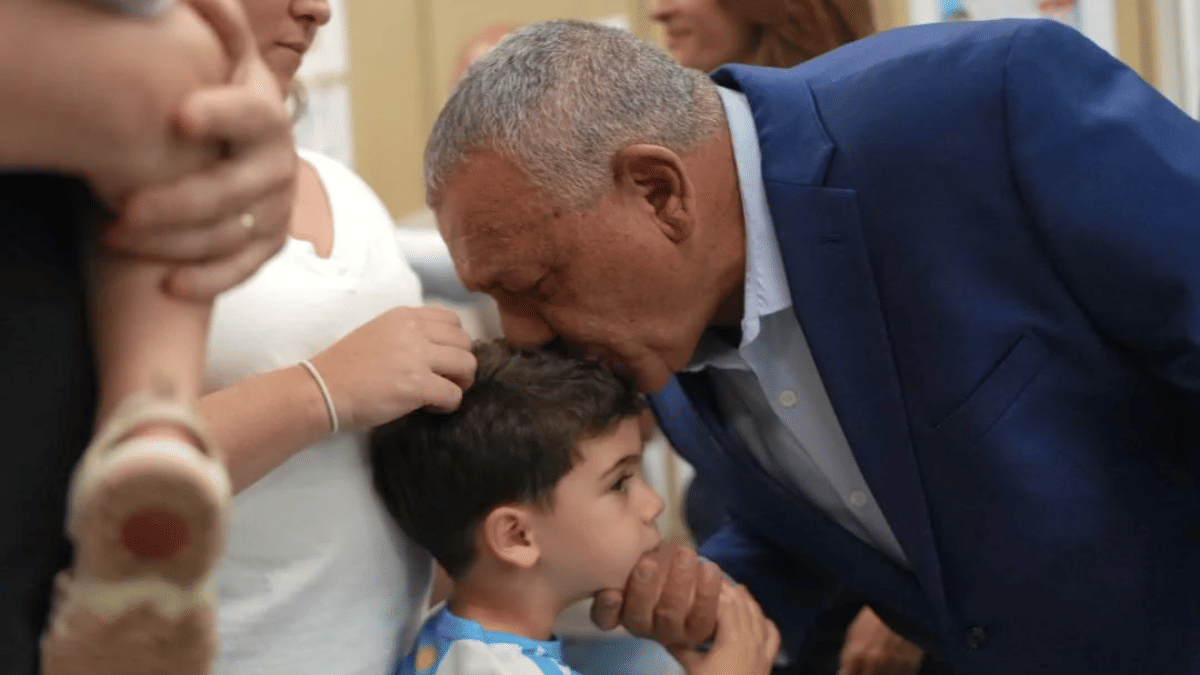
So far, both blocs, led by Netanyahu and Gadi Eisenkot, have ruled out joining hands with the Arab parties to form a coalition.
“There is a strong anti-Arab sentiment post 7 October 2023. And it does play a major role in Israeli politics,” says Israeli journalist Yaron Deckel.
But in politics, numbers dictate situations, especially in Israel which has a system of proportional representation. “Coalitions may still happen. It’s an irony that Israel has been accused of apartheid, but the Arab parties may decide this election,” says Hoffman.
(Edited by Tony Rai)
Also Read: Eisenkot led IDF, son was killed in Gaza. As Israel votes, he’s now Netanyahu’s key challenger