



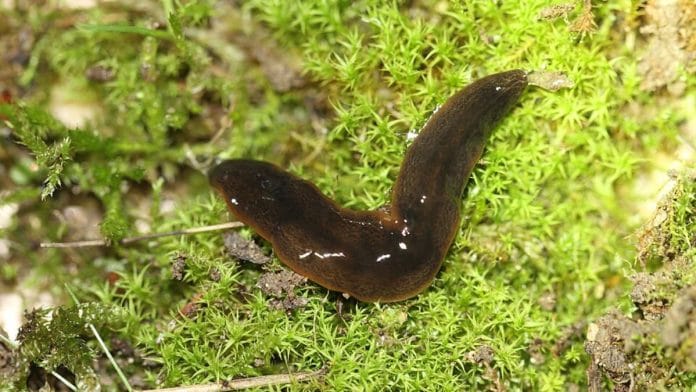
New Delhi: Stanford University scientists were studying a species of flatworm when they found that some of its cells seemed to rapidly disappear under the microscope, leaving a wake of dead cells. What seemed like an oddity at first led to the discovery of a new type of immune cell called ‘ruptoblasts’ that self-detonates when triggered by a specific hormone, says a new study.
The study titled ‘Explosive cytotoxicity of ruptoblasts bridges hormone surveillance and immune defense’ was published in the journal Cell on 2 June.
“We never expected that a cell could just explode like a bomb and kill the cells surrounding it,” Bo Wang, an organismal biologist at Stanford University in California, and the co-author of the study, said in a press release. His team observed that ruptoblasts acted like microscopic biological grenades, where one exploding cell could kill off as many as 70 other cells around it.
The discovery was made by chance as Wang’s team was looking at slices of regenerative flatworms called Schmidtea mediterranea, which have long been fascinating to scientists because of their ability to regrow entire body parts. This regenerative capacity might just be the reason these planarian flatworms can afford to have such a destructive defence mechanism.
Also read: 3 new species of Himalayan pit viper discovered in Pakistan and Nepal
A new way to die
At the core of the discovery is a new form of cell death. Scientists have earlier studied apoptosis, a kind of death where cells gradually die out, helping keep nearby tissues healthy, or ferroptosis, where cells die from an internal build-up of iron. But most of these processes take time, sometimes hours, and require contact between cells. Ruptoblasts are different. They self-destruct and release toxic substances into the area.
“It’s this huge inflammatory response. Like there’s a fire and an alarm goes off, and the cells just blow up,” Chew Chai, a postdoctoral researcher and the lead author of the study, said in the press release.
When researchers looked deeper into the explosive nature of ruptoblasts, they found that the explosions were triggered by a hormone called activin. They tested these little biological bombs against the E. coli bacteria behind several gut infections, human kidney cells, and even mouse blood cells. Ruptoblasts destroyed them all, but researchers noted that the destruction was limited to small areas and did not trigger a chain reaction.
“It demonstrates there’s lots of different immune mechanisms out there. There’s all these animals that live in an environment where there’s lots of bacteria, lots of viruses, and we know so little about their immune mechanisms,” said Wang.
Wang’s research revealed that such explosive defence mechanisms may have existed among ancient creatures. They may not have made it into vertebrate immune systems because vertebrates cannot quickly repair and regenerate cells after ruptosis.
However, since the cells tend to have a localised destructive power, Wang says it could be used to target treatments of bacterial infections or tumours.
(Edited by Saptak Datta)