



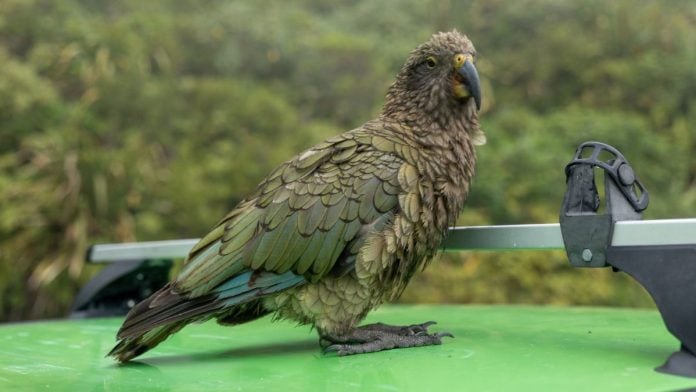
New Delhi: New Zealand’s critically endangered kākāpō population has reached 325 birds, the highest recorded number in decades. This milestone comes after a breeding season where 90 chicks survived long enough to be counted as young adults.
While much of the recovery is due to conservation efforts, technology too, is helping. In 2015, a kākāpō named Jane was the first of her kind to have her genome sequenced. Using her DNA, scientists created a “reference” genome to sequence others of her species. In a few years, with the help of local residents, they can collect genetic datasets from over 100 parrots.
Scientists used the data to understand the genetic diversity of the species. They highlighted that this was particularly important in the case of endangered species where inbreeding can lead to harmful mutations.
“Too often, the narrative surrounding the technology is mired in apocalyptic gloom. The same is true of conservation efforts. Yet many of the scientists working in these fields see something different. They are not Pollyannaish; they understand the immense challenges the world faces. But they refuse to submit to paralysis,” wrote Robert Gebelhoff, opinion writer in the Superintelligent newsletter.
Also read: Nearly 44% of reef-building coral species face extinction risk, finds IUCN study
The kākāpō’s return
The rising numbers of the bird are also significant since it breeds only once every two to four years. Among the tools helping the bird’s return is a rapid DNA test developed in New Zealand which can determine the sex of a newly hatched chick within an hour. This makes it easier for conservation teams to give it adequate care and plan for future breeding.
Scientists are also using aerial photos, later imaging, and computer models to map forests on the islands where the birds live. This helps them identify the trees linked to the bird’s breeding cycles.
“Data alone cannot save a species. But genomics can be crucial to aid populations in peril. The idea is to supercharge techniques that have successfully pulled species from the brink in previous decades,” Gebelhoff added.
The New Zealand Department of Conservation began a program in 1995 to conserve the bird. At the time, there were only about 51 birds left, including 20 females. Since then, the kākāpō has seen 13 breeding seasons.
“There is still a long road of recovery ahead, but ninety chicks in a single season is a record. In the early years of recovery, it took 16 years to produce that many chicks,” read a New Zealand press release.