


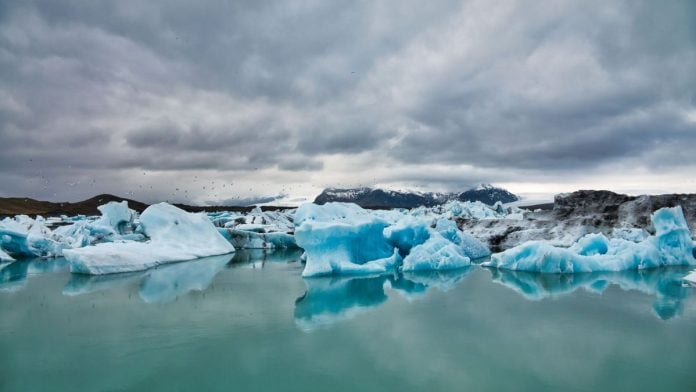
New Delhi: Even temporarily crossing the 1.5 degrees Celsius threshold of global warming could trigger ice loss that would impact the planet for centuries, says a new report by over 80 polar and mountain scientists. They warned that this temperature rise would lead to “irreversible” damage to glaciers, polar ice, and frozen ground.
The report, Overshoot and the Cryosphere: Averting Global Meltdown, was published on 2 November by the International Cryosphere Climate Initiative (ICCI) in collaboration with the United Nations Environment Programme (UNEP).
“There are no good outcomes in exceeding 1.5°C. To contain the global fallout and damage from ice loss in the world’s polar and mountain regions, overshoot needs to be kept to the absolute minimum. Temperatures must be returned to well below 1.5°C again as quickly as possible to reduce the risks. Every extra fraction of a degree and every year spent in overshoot means more devastating impacts,” lead author James Kirkham, chief scientist at ICCI, said in a statement.
Also read: Dangerous space particles snuck inside Earth’s invisible radiation barrier, finds study
The Earth’s frozen water
The cryosphere is made up of the frozen waters on Earth — the ice sheets, glaciers, sea ice, and permafrost. It plays a key role in regulating the planet’s temperature and weather patterns. When this frozen water melts, it alters the salinity and density of the ocean, and even leads to global water currents such as the Atlantic Meridional Overturning Circulation (AMOC). As the cryosphere declines, coastal communities have been facing the worst threats.
According to the report, ice sheets that once covered Greenland and Antarctica are now melting six times faster than they did in the 1990s. Switzerland has also lost nearly 20 per cent of its glacier ice since 2020. While melting ice is the most obvious consequence of global warming, as glaciers vanish, they could also lead to water shortages and irrigation issues among communities dependent on their waters.
When permafrost thaws, it also releases greenhouse gases into the atmosphere. It destabilises the ground, leading to landslides and other disasters such as the devastating ice-rock avalanche in Nepal earlier this year. Gunjal Silwal, a Nepali glacier researcher who will attend COP31, says that the tragedy in Nepal was only a “foretaste”.
“Overshoot is a problem facing us right now. Decisions made in the next few years will lock in the scale of damage, both for youth today and future generations,” Silwal said in a statement.
For scientists, the only solution is to limit impact. “When you miss an exit on the highway, you don’t abandon plans to get to where you really need to be – you take your first chance to turn back. Continuing full speed ahead just makes things worse,” said Pam Pearson, ICCI Director.