





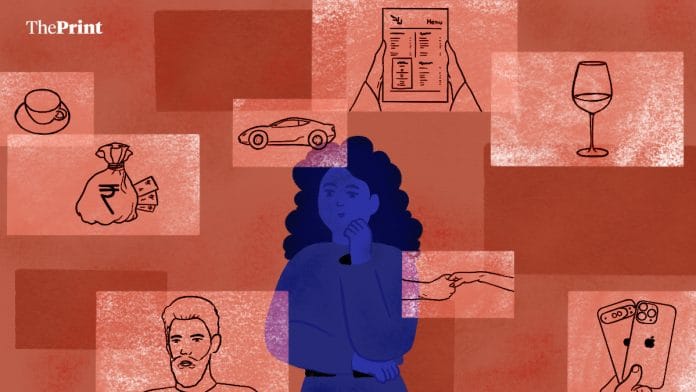


I spent most of my twenties being ‘chill’.
I was the girl who didn’t need much. I was easy. Flexible. I didn’t make a fuss about where we ate or what we watched or whether he texted back within a reasonable timeframe. I didn’t ask for clarity about where the relationship was going. I didn’t complain when plans fell through. I rolled with it. I was low maintenance.
I was also miserable.
The chill girl is a performance, and like all performances,it requires an audience. The audience is the man who might leave if you’re ‘too much’. The boss who might pass you over if you’re ‘difficult’. The family who might withdraw approval if you’re ‘demanding’. The performance exists because we’ve been taught that women with needs are a burden. That asking for things like time, attention, money, and respect is inherently needy. That the less you require, the more lovable you are.
So we shrink. We perform a version of ourselves that takes up less space, requires less care, makes fewer demands. We call it being easy-going. But the real word is erasure.The chill girl doesn’t have preferences. She has adaptations.
The chill girl doesn’t have boundaries. She has tolerance. The chill girl isn’t low maintenance; she’s under-loved and over-adapted.
I remember dating a man who never made plans. He’d text on Friday evening: ‘What are you up to tonight?’ And I’d rearrange my schedule to be available, because that’s what chill girls do. They’re flexible. They don’t need advance notice. They don’t make demands about being prioritised.
Except I did need those things. I just learnt not to ask for them. I learnt to perform a version of myself that had no needs, no preferences, no expectations, because having expectations felt dangerous. It felt like an invitation to be disappointed.
The performance protected me from rejection. But it also protected me from being seen. You can’t be loved as yourself when you’re hiding yourself. You can only beloved as your performance, and that’s the loneliest kind of love there is.
…And This Performance Had A History
Long before I understood what ‘high maintenance’ meant, I had already been handed a dossier of evidence that it applied to me. My parents, who loved me thoroughly and told me so often, also told me I was too much. Too educated, they’d say, too opinionated. My nani, who would walk through fire for me, once sat across from a family who wanted to send me a rishta and casually told them I earned half of what I actually did. She was protecting me from the market reality that a woman who earns well is perceived as a liability. My first serious boyfriend told me that I expected too much of him. Too much communication, too many emotions. And at work, where I have occasionally created what colleagues might charitably call a fuss in order to get things done correctly, I have been described,in tones ranging from affectionate to pointed, as difficult. A handful.
For a long time, I believed them. I decided I had edges that needed sanding.
Also read: The heated rivalries in Malayalam cinema—Films, feuds, and firsts
High Maintenance at Work
‘High maintenance’ isn’t just a dating label. It follows you into the office.
The woman who asks for the raise is high maintenance. The woman who pushes back on the impossible deadline is difficult. The woman who wants her name on the projects she led is aggressive. The woman who asks for flexible hours to manage her life is ‘not committed’. The woman who declines the thankless committee work is ‘not a team player’.
We use different words at work—difficult, demanding, not a culture fit—but they mean the same thing: you have needs, and needs are inconvenient.
I learnt this early. I was twenty-four, six months into my first real job, and I asked for a raise. My performance reviews were glowing. I had taken on additional responsibilities without being asked. I had done the research: I was significantly underpaid for my role. I walked into that meeting prepared, professional, confident.
My manager’s face flickered. Not anger, something worse. Surprise. Like I had broken an unspoken rule by naming what I wanted.
‘Let’s see how things develop,’ he said. ‘We don’t want to rush anything.’
A male colleague hired the same month, with the same title, asked for a raise three weeks later. He got it.
The difference wasn’t talent. The difference was that his ask was coded as ambition. Mine was coded as difficult.
That’s the trap. When a man asks for what he’s worth, he’s advocating for himself. When a woman does the same, she’s ‘high maintenance’. He’s confident. She’s pushy. He’s a leader. She’s aggressive. The same behaviour, filtered through gender, becomes a character flaw.
I’ve watched this play out across every industry. The woman who points out she’s doing three jobs and asks for appropriate compensation. The woman who refuses to smile through harassment because she’s supposed to be ‘a good sport’. The woman who says no to the 7 p.m. meeting because she has a life outside of work. They get labelled. Not officially, of course. But in the whispered assessments that determine who gets promoted, who gets opportunities, who gets to rise—‘difficult’ is a death sentence.
You will be called difficult either way. You can be difficult by having needs, or you can be difficult by burning out and becoming bitter. You can be difficult by asking for the raise, or you can be difficult by resenting every day you don’t get it. The label is coming regardless. The only question is whether you get what you want in the process.
 This excerpt from ‘The Girls are Not Fine’ by Harnidh Kaur has been published with permission from Penguin Random House India.