








India’s protein craze is built on a remarkable act of selective memory. We are suddenly obsessed with protein but strangely unwilling to talk about the people who have been eating it all along. Every supermarket today is overflowing with protein coffee, protein atta, protein chips, protein cereal, and protein water. The country has finally discovered protein. What it still hasn’t discovered is the caste politics that made some of the richest sources of protein socially unacceptable in the first place.
Some of India’s cheapest, most complete sources of protein — eggs, fish and meat — have spent generations being treated as culturally inferior because of the communities associated with them. As someone who lifts weights six days a week, I should probably celebrate India’s protein awakening. Instead, I find myself wondering why protein only became fashionable after it stopped looking like an egg.
For years, getting enough protein through an Indian diet required conscious planning. Eggs, chicken, fish, paneer, whey, dal; every meal became arithmetic. So, when India suddenly discovered protein, I genuinely welcomed it. For the first time, nutrition seemed to be replacing calories as the centre of our food conversation.
But somewhere between protein coffee and protein atta, I realised we were telling ourselves an incomplete story. India didn’t suddenly discover protein. It simply found a version of protein it could consume without confronting the politics of food. For decades, we’ve told ourselves a straightforward story about India’s protein deficiency. We eat too many carbs and our diets revolve around rice, wheat, and cereals, having historically prioritised calorie security over nutritional security. But nutrition alone cannot explain one peculiar contradiction. Some of the cheapest and most complete sources of protein available to ordinary Indians have remained culturally contested for generations. That isn’t merely economics but sociology.
A strange success story
One of the biggest myths we tell ourselves is that vegetarianism in India has always been about health. That’s not true, it has also been about hierarchy.
Upper-caste vegetarianism gradually became more than a dietary preference. It became a marker of refinement, purity, and social status. Food stopped being just food. It became an identity. What landed on your plate began to communicate something about your family, your caste, your upbringing, and your place in society. The question was never simply, “What do you eat?” It was, “What kind of person eats this?” Which communities traditionally relied on meat, fish, and eggs? Dalits. Adivasis. Many OBC communities. Muslims. Christians. Coastal and pastoral communities. The very groups whose diets were often richer in complete proteins gradually found their food habits coded as uncivilised, impure or backward.
Meanwhile, abstaining from meat acquired cultural prestige, enough to shape India’s imagination of what respectable eating looked like. Even today, eggs continue to trigger political battles that have almost nothing to do with nutrition. Whenever governments attempt to introduce eggs into school meals, the debate rarely centres on protein. It centres on purity. Whose food counts? Whose morality counts? Whose culture becomes public policy? The science was settled long ago, but the politics wasn’t.
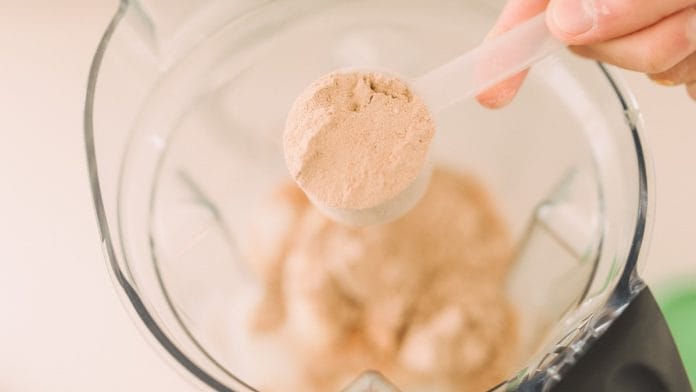
That is why I find India’s current protein obsession so fascinating. We are finally acknowledging something that nutritionists have been saying for years: protein matters. But look closely at how we have chosen to embrace it. The chicken, egg, and fish all have disappeared. Instead, protein now arrives in shiny packaging, speaking English, and it comes with smooth fonts, influencer endorsements, and glossy branding. It costs Rs 300. It is sold in air-conditioned stores and photographed next to yoga mats and smart watches.
The protein is exactly the same, but the social meaning is completely different. Capitalism has achieved something remarkable. It has made protein fashionable without making meat respectable. That may be the strangest success story in Indian wellness culture. The society that debated whether children should receive eggs in school has no problem paying premium prices for whey isolate mixed into breakfast cereal. The country that once looked suspiciously at someone carrying boiled eggs to work now happily drinks protein coffee before pilates. The same people who won’t rent or sell their flats to non-vegetarians are now consuming protein in a shaker.
We rejected protein when it looked like an egg, and we embraced it when it started looking like branding. I see this contradiction even inside urban fitness culture. Nobody questions someone spending Rs 6,000 every month on imported whey protein. The same person may quietly wrinkle their nose at someone eating fish curry, mutton or beef. Their protein is aspirational, ours still carries cultural baggage.
Also read: Fish for votes, eggs for ideology in BJP’s Bengal. Children pay the price
Favourite buzzword
To be clear, this is not an argument against protein products. If fortified foods encourage Indians to improve their nutrition, it’s undoubtedly a good thing. India genuinely needs a better conversation about protein. What worries me is our selective memory. Because somewhere underneath this wellness revolution lies an uncomfortable truth that we still refuse to examine. India’s protein deficiency was never only nutritional. It was also shaped by the way we moralised food. A society that attaches ideas of purity and pollution to what people eat can never have an honest conversation about nutrition. It first has to separate nutrients from the communities associated with them, and only then does protein become respectable.
I also find it curious that protein has now become the default language of healthy living itself. Everything is about protein. Rarely do we hear the same urgency around fibre, micronutrients, Vitamin B12, iron or calcium. Protein has become wellness culture’s favourite buzzword, not because it is the only nutrient that matters, but because it is the easiest one to package, market, and monetise.
Protein photographs well and sounds scientific & disciplined, helping it become less of a nutrient and more of an identity. Perhaps every era chooses one food to perform virtue. Once it was brown bread. Then avocado. Today, it is protein.
But India’s protein moment carries a baggage those foods never did. Because beneath every protein latte and fortified atta lies a history in which food wasn’t judged by its nutritional value but by the social position of the people who ate it. That history doesn’t disappear because whey has become fashionable. We not only have commodified protein but also removed the smell of fish, the memory of meat, and the communities behind the food. We just kept the nutrient and sold it back to us at a premium. That is why I cannot celebrate India’s protein boom without reservations. I’m genuinely happy that we are finally paying attention to protein. I just wish we were equally willing to confront the caste history that made this conversation necessary in the first place. The real irony is that we’ve discovered protein so late when it was with us all along.
Vaibhav Wankhede is a creative marketer and writer. Views are personal.
(Edited by Aamaan Alam Khan)