






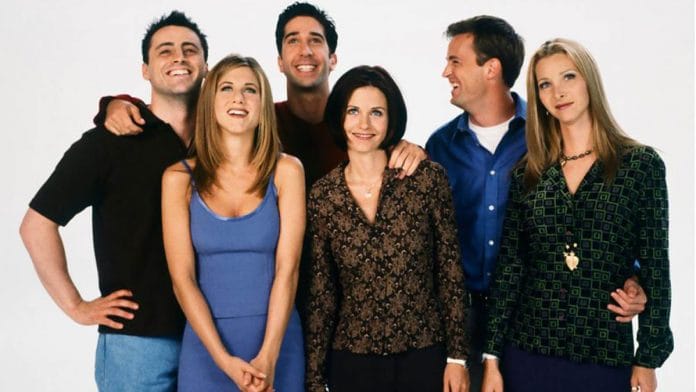


Acclaimed television director James Burrows leaves behind an unmatched legacy. With his death, the world has lost one of the architects of the modern-day sitcom. Burrows’ career was exceptional. He directed more than 1,000 television episodes including those of Cheers, Frasier, Will & Grace, The Big Bang Theory and perhaps the most memorable one across generations: Friends.
He directed about 15 episodes of the show, including the pilot that introduced us to the six friends. As they were figuring out and often failing at adulthood, we fell in love with them. It is fitting that as tributes pour in for Burrows, many are revisiting what made Friends endure long after the last episode aired in 2004.
The answer is not nostalgia alone. Created by David Crane and Marta Kauffman, Friends was never really about coffee shops, catchy one-liners or even the love stories. At its core, it was an homage to adulthood: Messy, uncertain, and often ridiculous.
From the very first episode, you understand that these characters are not role models, they are archetypes. There is Rachel Greene, who walks away from the life that was planned for her and discovers that independence is far more complicated than she imagined. Ross Geller, who is highly educated yet emotionally chaotic. Monica Geller, often seen as the emotional anchor of the group, is ambitious but insecure. Chandler Bing hides behind humour or as he likes to say “I make jokes when I am uncomfortable”. Joey Tribbiani dreams big, while struggling to make ends meet. Phoebe Buffay survives through resilience and eccentricity.
They come from different worlds: Hospitality, academia, corporate offices, creative industries, minimum-wage jobs and everything in between. What unites them is that life has not worked out according to plan. And that is why audiences, like myself, connected with them.
Also read: Matthew Perry is dead—and Chandler Bing is forever trapped on the orange couch at Central Perk
A roadmap to adulthood
For millennials especially, the show arrived at a formative moment. Many grew up watching it as teenagers, imagining adulthood as something that eventually clicks into place. Then with its return on streaming platforms, they watched it again in their twenties and thirties, only to realise that the show had been telling them something else all along. Nobody really knows what they are doing. Everybody you know is cosplaying as a grown up.
Jobs fall through. Relationships you thought were endgame fail. Apartments are lost. Your ambitions evolve and careers stall. People make terrible decisions and live with them. I feel that is where the genius of Friends lies. It found humour in these anxieties without dismissing them.
That is also why the “Friends formula” has been copied repeatedly. From sitcoms about groups of young professionals to ensembles navigating urban life, countless shows have borrowed its blueprint. The settings change, the cultural references evolve and creative liberties are taken, but the core remains the same: Adulthood is easier to survive when you have people beside you.
Perhaps that is why the show continues to resonate with people who weren’t even born when it first aired. The clothes may be dated and some of the jokes may have not aged well, but the uncertainty and absurdity of adulthood feels timeless.
In recent years, saying goodbye to the show has become an unfortunate ritual. The death of Matthew Perry in 2023 felt deeply personal to millions who had grown up with Chandler Bing’s wit, vulnerability, and how he reinvented himself completely. Now, with the passing of James Burrows, another important figure behind the show’s legacy is gone.
Yet the reason people continue returning to Friends is not because it offers solutions. It doesn’t. The characters rarely have life figured out. What it offers instead is reassurance that confusion is normal, that adulthood is often absurd, and that friendship can make the chaos bearable.
Three decades after Burrows directed six strangers gathering in a coffee shop, that message remains as relevant as ever. Adulthood is messy and absurd and it is okay as long as you have people who love you. Simple, yet timeless.
Views are personal.
(Edited by Theres Sudeep)