






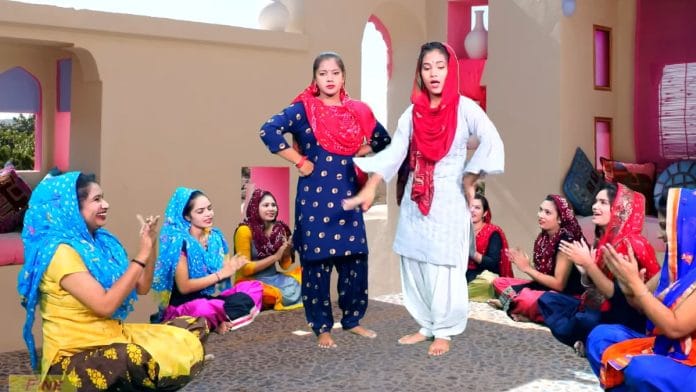


In the endless scroll of Instagram Reels and its viral trends that hardly last a week, a new chatpata Haryanvi song has taken over everyone’s feed. “Ab Tera Beta Mera Hai” is a punchy earworm that is both addictive and quietly subversive. It has become the anthem of a generation of Indian girls who are tired of the classic mama’s boy setup that continues to shape marriages.
For generations, the Indian son has been raised as the undisputed “raja beta” — the centre of the family universe. He is granted freedom and indulgence so long as he maintains an unwavering loyalty to his family. The result? A grown man who struggles to cut the emotional umbilical cord, caught between his mother and his wife. He finds it easier to appease the parent who raised him than to build an equal partnership with the woman he chose to marry. This is the saas-bahu conflict that daily soap writers have milked, and we’ve enjoyed, for decades. The mother-in-law, herself a product of patriarchal constraints of her own time, often channels her authority through the one relationship where she still holds authority.
“Ab Tera Beta Mera Hai” flips this repetitive script. “Beta beta mat kar saasu,” it teases, as the bahu claims her husband back.
In Reels across the country, women are lip-syncing to it (sometimes with the mother-in-law in the background), making Roblox dance edits to the song, and overall relaying their claim on their men. It works because it names a reality many families still refuse to discuss openly.
Also read: The Angry Young Man is gone. Bollywood now celebrates only the anger
Women against women
This virality is more than fleeting entertainment. As more Indian women step into financial independence and professional lives, the expectation that they must quietly adjust to an overbearing mother-in-law becomes increasingly outdated. Patriarchy long operated by limiting women’s agency in their youth and then restoring a version of power to them as mothers-in-law. After all, saas bhi kabhi bahu thi. The song challenges this cycle because it does not reject family bonds or respect to elders, it simply insists that marriage should create a new primary unit, not merely extend the old one. As the song suggests, once the boy switches from calling out for a ‘mother’ to calling out for a ‘darling,’ his primary belonging shifts.
Keeping adult men tethered to maternal approval is patriarchy’s way of ensuring that the power in the household remains diffused and ultimately tilted toward the older generation. This setup conveniently pits women against each other — saas guarding her influence, bahu fighting for her place — while the men float in the middle, avoiding the emotional labour of setting boundaries. The result is generations of emotionally stunted family structures where the wife is treated as an add-on rather than a true partner. “Ab Tera Beta Mera Hai” disrupts this arrangement. It exposes how “family honour” and “tradition” have long been code words for maintaining control over women’s lives.
The viral Haryanvi banger is a pushback against overbearing in-laws, as well as the manchildren who refuse to take a stand for their partners. The Indian woman has fought enough battles to liberate herself, and she refuses to comply with a man who can’t speak for himself.
Views are personal.
(Edited by Aamaan Alam Khan)