






New Delhi: The Delhi High Court Thursday quashed the government’s recognition of Yogasana Bharat as a National Sports Federation (NSF), ruling that the Ministry of Youth Affairs and Sports “abdicated” its independent authority and bypassed mandatory legal criteria to favour a three-month-old entity.
Yogasana Bharat (also known as the National Yogasana Sports Federation) is a non-governmental registered body that was granted official recognition in November 2020 despite having existed for only three months, failing the mandatory three-year existence requirement by a “yawning chasm” of 33 months.
Justice Purushaindra Kumar Kaurav found that the ministry acted as a “mere rubber stamp” for recommendations made by the Ministry of AYUSH, highlighting how the body lacked the required state affiliations and had never conducted the necessary national championships before its recognition.
The petitioner in the case was Yoga Federation of India (YFI) which had challenged the sports ministry’s recognition of Yogasana Bharat as NSF, noting that its own application—backed by nearly five decades of institutional presence and 44 consecutive national championships—had been ignored for years.
While the ministry had assured YFI in July 2020 that its application was under “active consideration”, it recognised the newly-formed Yogasana Bharat just four months later without even mentioning YFI’s competing credentials.
In a move to ensure the “remedy is not worse than the disease”, the court protected the interests of innocent third parties. Although Yogasana Bharat’s recognition and annual renewals from 2022 to 2025 were quashed, the court ruled that all medals, titles, and certificates conferred upon athletes during this period remain valid.
The ministry has been directed to issue a public notice within 60 days to invite fresh applications from all eligible bodies for recognition as the NSF for yoga/yogasana.
The court clarified that while it was repairing a “broken process”, it was not crowning YFI as the winner; the final determination of a legitimate federation remains the exclusive domain of the sports ministry through a fresh, lawful exercise.
Disputes spanning different sports
Athletes dragging governance bodies to courts over administrative failures have made regular headlines.
Top riders Anush Agarwalla and Sudipti Hajela, who were kept as reserve riders, had petitioned the Delhi High Court after the Equestrian Federation of India allegedly breached its own selection criteria for the 2026 Asian Games.
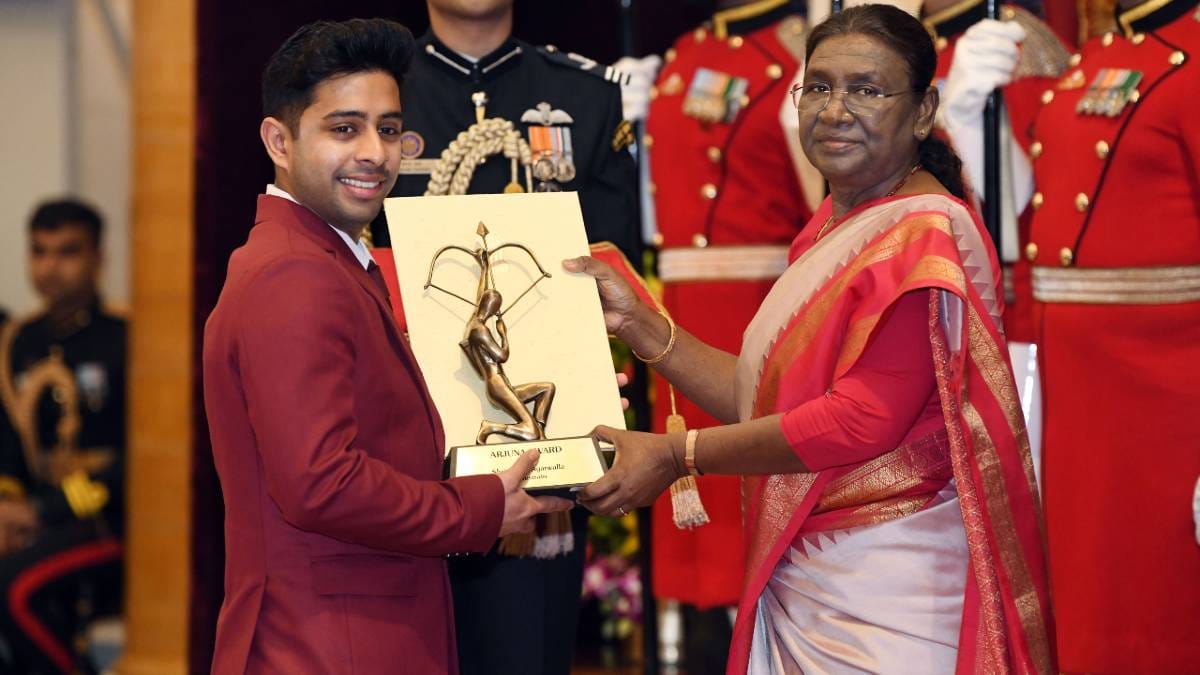
While the high court’s single-judge bench originally found no flaws in a 29 June order, the division bench later observed that the EFI failed to comply with its own guidelines regarding final-stage evaluation trials and omitted the publication of the mandatory provisional merit list under its own clauses.
Despite recognising these lapses, the court refused to order fresh selection trials, holding that interrupting the schedule could jeopardise India’s entire participation and medal prospects at the Aichi-Nagoya Asian Games. The court ruled in the larger interest of the sport, despite initially noting procedural lapses in the evaluation of minimum eligibility requirements by the EFI.
The athletes have appealed before the Supreme Court and the plea, after multiple hearings, is posted for 13 July hearing.
On the other side, the All India Tennis Association (AITA) is set for a complete overhaul, thanks to former players Somdev Devvarman and Purav Raja who took the AITA to court over concerns related to conduct of polls, “mismanagement” and alleged non-adherence to national sports codes.
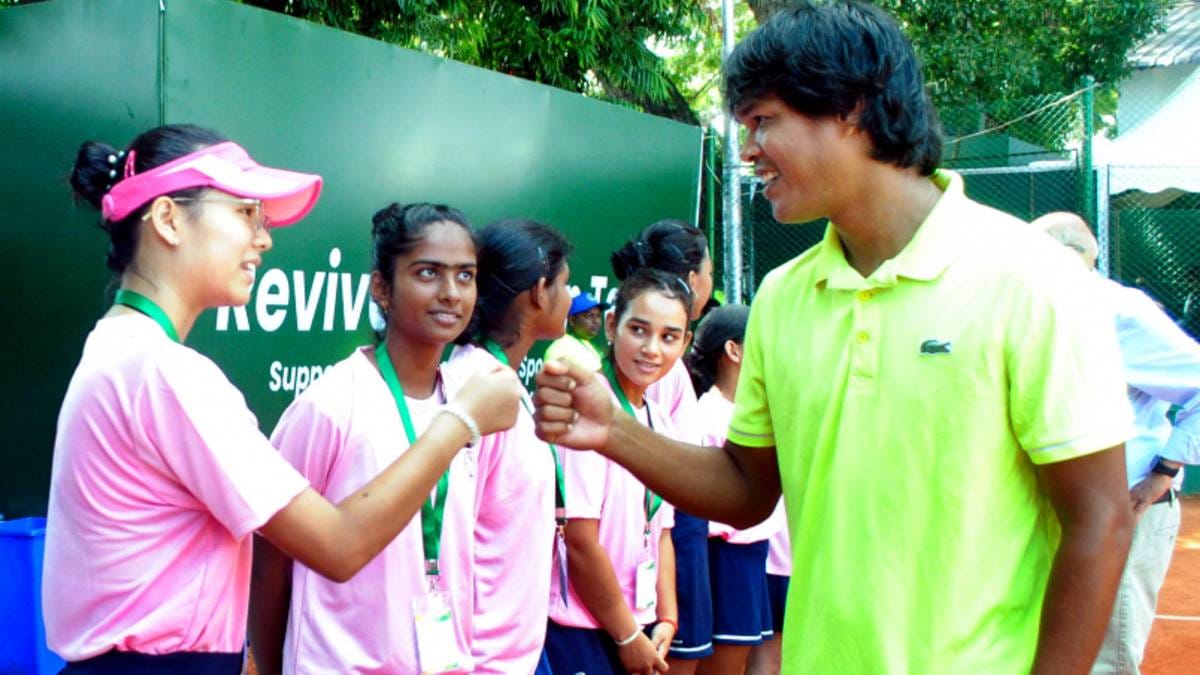
The Delhi High Court last month ordered a comprehensive amendment to the AITA’s constitution and bylaws, and conduct of fresh executive committee elections by 30 September.
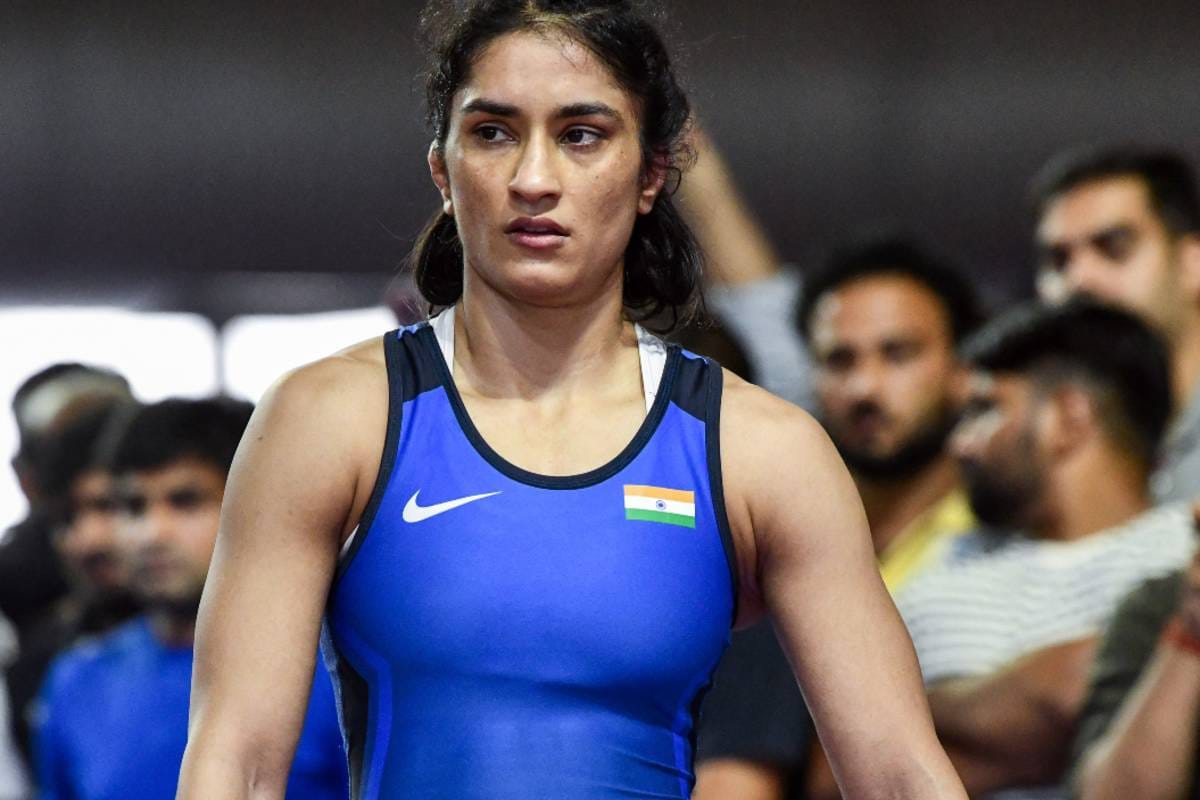
Last month, Olympic medal winning wrestler Vinesh Phogat had to approach the Delhi High Court over exclusion from national trials caused by administrative turmoil. The court ruled that the Wrestling Federation of India’s (WFI) strict trial eligibility rules (which required 2025/2026 medal-winning performances) unfairly penalised accomplished athletes returning from maternity leave—like Phogat.
The Supreme Court subsequently dismissed the WFI’s appeal against this ruling, allowing her to participate in the Asian Games selection trials.
Furthermore, Indian karate athletes were left without a clear pathway for international entries due to the prolonged absence of a recognised NSF for karate.
On the plea of Akshay Mahara—a karate player who was expected to participate in the Asian Games this year—who sought a transparent, internationally compliant selection mechanism, the Delhi High Court last month noted that the lack of an NSF severely penalises athletes.
A vacation bench of Justices Tejas Karia and Madhu Jain directed the Ministry of Youth Affairs and Sports to provide an explicit, temporary selection and entry mechanism for the Asian Games and the Asian Senior Karate Championship until an official federation is formed.
While the disputes span different sports—from yoga and wrestling to horse-riding, tennis and karate—they point to a common pattern: without transparent, merit-based selection pathways, athletes are forced to move courts and litigation is often triggered not by disagreements over sporting merit alone, but by allegations of opaque selection criteria, governance failures, delayed elections, competing federations or the absence of recognised NSFs.
Courts have repeatedly acknowledged this as well.
In the landmark All India Football Federation (AIFF) constitution case in September 2025, a Supreme Court bench of Justices P.S. Narasimha and Joymalya Bagchi established that the state has a constitutional responsibility to manage sports governance. The court declared that sporting facilities and opportunities are “material resources of the community” and must be managed for the public good.
What about National Sports Governance Act?
When the Indian government enacted the National Sports Governance Act, 2025, it sought to bring about “institutional reforms to address systematic gaps in sports administration” in the country.
Among the main reforms was the establishment of a National Sports Tribunal (NST)—with the intended objective to provide “speedy, effective, and cost-efficient disposal of sports-related disputes”. Section 23 of the Act provides exclusive jurisdiction to the NST to adjudicate sports disputes in India.
The Act also establishes the National Sports Board (NSB) as the apex authority for recognising and monitoring NSFs. The operating rules of the Act were notified by the government in May 2026.
The tricky aspect is elections. The National Sports Board shall consist of a chairperson and two members to be appointed by the Centre from a panel of names recommended by the search-cum-selection committee constituted under the National Sports Board (Search-cum-Selection Committee) Rules, 2026.
Also Read: ‘Goal Machine’ Anushka Kumari, 14, was taunted, stopped. Now she’s India’s rising football star
Significance of NSFs & ‘flawed system’
An NSF is the national sports governing body for a designated sport—an apex body responsible for managing, promoting and regulating that particular sport within India—acting as the central authority for athlete selection in international competitions and national championships.
These are voluntary bodies registered under the Societies Registration Act/Public Trusts Act/Companies Act, recognised by the sports ministry at the national level for promotion and development of sports, according to the laid down criteria in the National Sports Development Code of India, 2011.
According to the 2011 Sports Code, NSFs are fully responsible and accountable for the overall management, direction, control, regulation, promotion, development and sponsorship of the discipline for which they are recognised by the corresponding international federation.
The government recognition of NSFs is renewed on a year-to-year basis. A total of 53 NSFs are recognised by the government, it had said in a parliamentary response this February.
Counsel at AM Sports Law & Management Co., Riya Rajkumar Sharma explained to ThePrint how problems with NSFs are largely structural, not procedural.
Most disputes in Indian sports involve selections, elections or decisions taken by federation officials, where internal committees hearing grievances are often appointed by the very bodies whose actions are being challenged.
“This makes the system inherently flawed. Even if the individuals involved are well-intentioned, athletes rarely view such mechanisms as truly independent,” she said.
Citing the equestrian dispute, she noted that even though the federation was being run by a court-appointed ad hoc committee, it declined the government’s suggestion to have an independent expert review the rankings; reflecting a “broader reluctance within sports administration to subject decisions to external scrutiny”.
Practical shortcomings like grievance committees lacking fixed tenure, clear procedures, binding timelines and reasoned, published decisions were underlined by Sharma. At the same time, athletes remain dependent on federations for selections, clearances and funding, making many reluctant to pursue complaints, she said.
These concerns were echoed by sports activist and senior advocate Rahul Mehra who said that the success of any grievance redressal mechanism depends on its independence rather than its existence.
Stressing that athletes rarely approach courts by choice, Mehra notes that when federations leave athletes with no effective remedy, the courts become their only option—fearing retaliation from federation officials after challenging selection decisions, making litigation a last resort rather than a preferred course of action.
“Grievance redressal is welcome only if the grievance is examined by an independent, fair and transparent body—not by people handpicked by the government or aligned with those whose decisions are under challenge,” Mehra told ThePrint, questioning the appointment process for members of the proposed National Sports Tribunal and the National Sports Board.
Mehra regards the Act as a “regressive draconian step” taken by the government, which is “extremely status quo-ist, anti-reform, and allows the federation to have the last laugh”.
Limitations of National Sports Tribunal
On the necessity of a National Sports Tribunal, Sharma explained that because sports disputes are inherently time sensitive and selection disputes and federation elections often arise under very tight timelines and fixed deadlines that cannot be extended, by the time ordinary litigation concludes, the event has frequently passed and any remedy becomes meaningless.
Therefore, the tribunal is designed to address this very problem by offering speed, subject-matter expertise, and powers to grant urgent interim relief, she said.
However, she noted the limitations. Unlike the various international sports tribunals, the Indian model is “a statutory domestic forum with powers similar to sector specific tribunals such as the National Company Law Tribunal and the Securities Appellate Tribunal”—meaning that orders are enforceable as civil court decrees, appeals shall go to the Supreme Court and civil courts are barred from hearing matters.
Moreover, Sharma noted that these steps were necessary, but none of them by themselves change anything for an athlete with a live grievance.
“Until the chairperson and members are in place, the electronic portal contemplated under the rules is operational and the first matters are actually heard, an athlete with a selection or election dispute is exactly where he/she was two years ago—choosing between a writ petition, a civil suit and an ad hoc internal committee,” she said.
Judicial intervention & needed reforms
“The biggest problem plaguing Indian sport is the lack of good governance and a deeply conflicted administrative structure,” Mehra said, adding that “politics continues to dominate sports administration, office-bearers remain in power for decades, and elections are often neither free nor transparent”.
While courts have repeatedly said they are not equipped to function as selection committees, Mehra argued that judicial intervention has become necessary because institutional safeguards have failed.
Sharma spelled out how improving accessibility does not require radical reform but just getting the basics right.
Some suggestions include a standing grievance panel with independent members on fixed tenure rather than ad hoc committees assembled after a dispute erupts; and published procedures and timelines keyed to the sporting calendar rather than to the court calendar, because, she said, a selection dispute decided after the entry deadline has passed is a dispute decided against the athlete regardless of what the order says.
Virtual hearings should be the default, so that an athlete in a district town is not priced out by travel to Delhi; fees should be capped or waived for athletes; a panel of counsel must be available at no cost or nominal cost, and reasoned decisions published as a matter of course.
Afterall, Sharma said, the real challenge is implementation.
(Edited by Nida Fatima Siddiqui)
Also Read: Khelo India under-performing—missing athletes, limited scholarship, poor Centre-state synergy