







New Delhi: Uttar Pradesh’s Special Task Force (STF) has busted an alleged racket involved in rigging of online recruitment exams conducted by Staff Selection Commission (SSC), with the “technical brain” of the gang being a Class 12 graduate who learnt from Google and YouTube videos how to set up a proxy server for assisting cheating, officials said Saturday.
The group allegedly operated out of a digital centre in Greater Noida, where the exams were being conducted. They charged candidates an amount of Rs 4 lakh, with the guarantee that they would pass the exam. The proxy server was then used to give complete control of the candidate’s computer screen to a solver located away from the exam centre, who would then solve the test for the candidate.
Police are now investigating how the digital lab, where the exam was being conducted, passed the mandatory physical and technical security audits to become an official test centre.
Raj Kumar Mishra, Additional Superintendent of Police (STF Field Unit, Noida), said that the gang was involved in rigging the online exam for Constable-General Duty in CAPFs and SSF, and the Rifleman Examination 2026 for Assam Rifles.
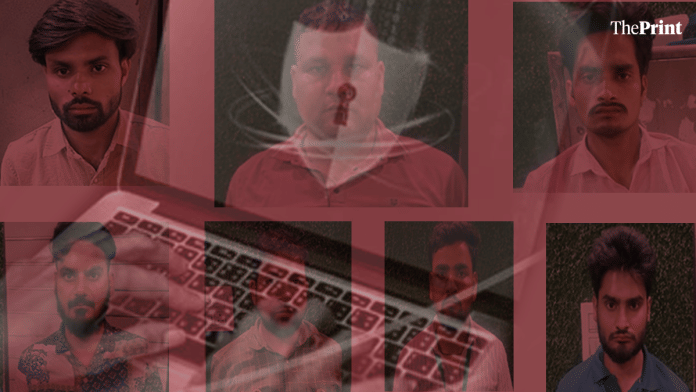
On Friday, seven people were arrested from Greater Noida. The accused have been identified as Muzaffarnagar resident Pradeep Chauhan, Arun Kumar from Mathura, Sandeep Bhati and Nishant Raghav from Bulandshahr, Amit Rana and candidate Shakir Malik from Baghpat, and Vivek Kumar—also a candidate—from Bulandshahr.
Pradeep, the main accused, ran the centre called Balaji Digital Zone near Boudhi Taru International School in Knowledge Park, Greater Noida, which was raided by the police Friday evening. Amit was the one who had set up the proxy server.
Police sources said they had received multiple tip-offs, regarding a gang involved in rigging various examinations, after which the teams began gathering information, collecting electronic evidence and financial trail.
On Friday evening, police reached the centre. Local intelligence inputs and other sources had indicated that the exam was underway at the centre and that candidates were cheating. “The alleged persons installed a proxy server and made their candidates sit in the examination. Police arrested everybody,” ASP Mishra said.
An FIR has been lodged under Sections 111(3) (organised crime), 111(4) (punishment for being a member of an organised crime syndicate), 318(2) (cheating) and 61 (criminal conspiracy) of the Bharatiya Nyaya Sanhita, and under relevant sections of the Prevention of Unfair Means in Recruitment Ordinance 2023 at Knowledge Park Police Station, Gautam Buddha Nagar. Section 66 of Information Technology (Amendment) Act has also been invoked.
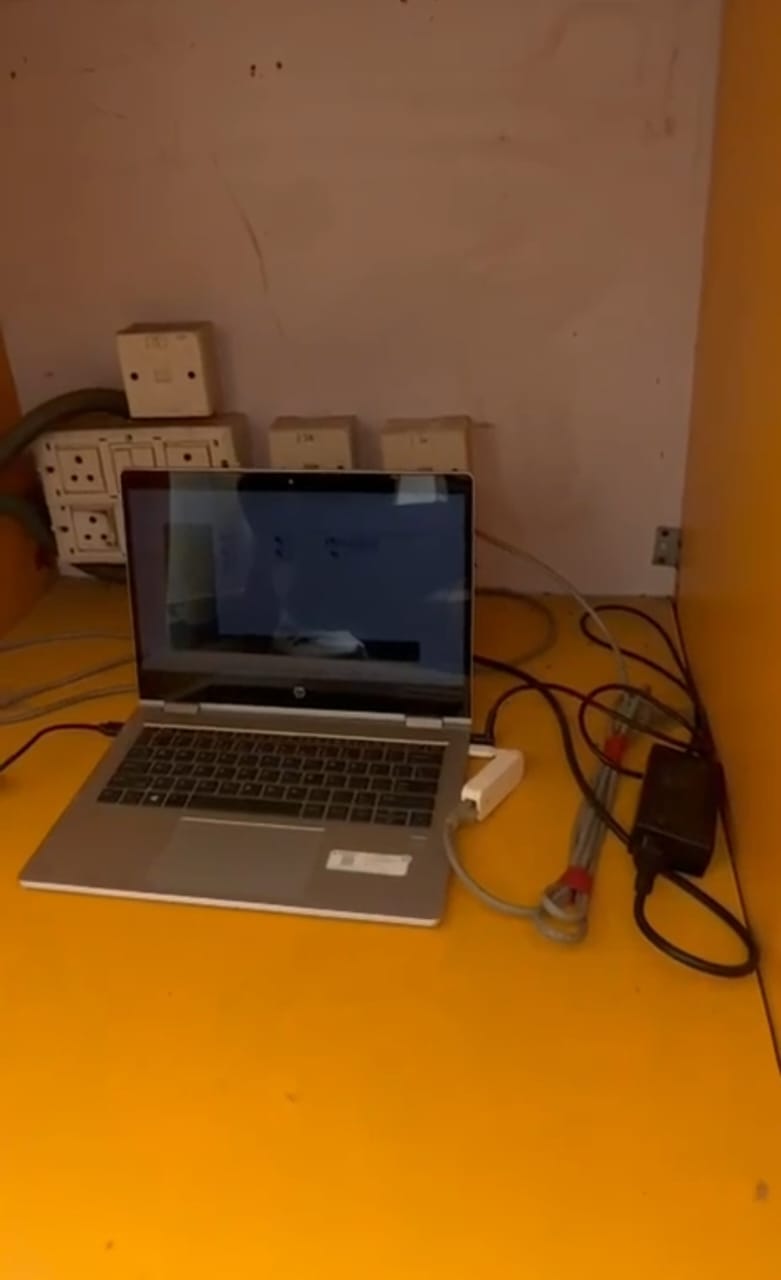
Police have recovered Rs 50 lakh in cash, mobile phones, laptops, router, a list of candidates, admit cards, and entries and identity card of Eduquity company, the vendor firm conducting the SSC exam at the centre.
Also Read: Life convict to actor, and back to jail: The many faces of Gujarat man who acted with Amitabh, Aamir
History of rigging
Upon interrogation, 36-year-old Pradeep, the main accused, revealed that he holds an M.Com degree from Meerut College, and set up the online exam centre called Balaji Digital Zone about two and a half years ago.
According to the police, Pradeep met Amit, who then devised a method to bypass Eduquity’s server installed at the centre and use a screen-sharing viewer application through proxy server to have the paper solved by a solver from outside the exam centre.
Another accused, Arun was responsible for setting up the proxy server at Pradeep’s centre. He had joined the centre about two and a half years ago as an exam invigilator, and later became the IT head there, police said. Arun is a polytechnic graduate.
The proxy system
STF officers said that many exams are being conducted online, allowing students to either carry their own laptops or appear for the exam at a digital lab. Such labs have been found to resort to proxy servers or proxy software to help candidates pass the exam.
In such a case, the student sets up a proxy software or tool, like AnyDesk, on their computer. The student merely pretends to sit in front of the computer, while the solver or hacker is made to sit at a different location, away from the exam centre, with complete control of the student’s screen.
These tools are disguised in a way that the exam software suspects no issue, until flagged, and cannot easily detect the deception.
Police said that in this case, the accused did not directly hack the SSC exam system. They allegedly installed a proxy server by bypassing Eduquity’s server. Through a screen-sharing viewer application, question papers were reportedly transmitted to solvers stationed outside the centre.
Hunt for candidates
Among the arrested persons are candidates appearing for the exam, Vivek and Shakir.
Sandeep, a longtime associate of Pradeep’s, was responsible for bringing in candidates. Bhati works as a lab supervisor for several companies, including Mary Track and Dylesis.
During interrogation, police said, Sandeep revealed that he had been employed at Balaji Digital Lab as a lab supervisor by Dylesis. “His primary job is to find and bring in candidates, through word-of-mouth advertising, who want to pay to have their papers solved. He then connects such candidates to this gang,” Mishra added.
The accused would charge Rs 4 lakh from each interested candidate, of which Rs 50,000 would be taken by the person who would bring in the candidate, and the remaining Rs. 3.5 lakh would be distributed among Pradeep, Amit and the solver.
A senior police officer said that in this case, and many such exam-rigging cases, a key pattern is that most of those involved previously used to help in cheating physically.
Over time, as security was tightened and exams came to be conducted online, they began either working for such digital labs, or set up their own.
Even Pradeep, the key accused in this case, has been involved in this crime for a long time, but managed to never get caught, the officer said. Over time, he allegedly built a team of people who looked after the technology, finance, candidate search, and other aspects.
(Edited by Mannat Chugh)