





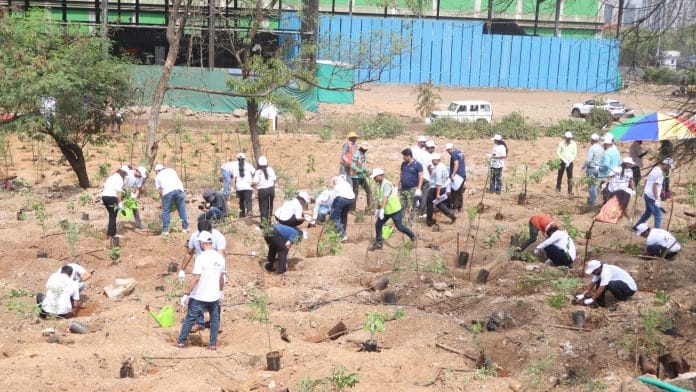


Mumbai: On World Environment Day, the Brihanmumbai Municipal Corporation (BMC) launched ‘ReRoot’, an urban forest initiative at the Kanjurmarg Waste Processing Facility aimed at creating a green buffer around Asia’s largest single-location waste-processing site.
The project, being undertaken by the BMC in collaboration with Antony Lara Enviro Solutions Private Ltd—the Special Purpose Vehicle formed by Antony Waste Handling Cell Limited and Brazil’s Lara Central de Tratamento de Residuos Ltd—will see around 15,000 trees planted at the facility. Approximately 750 trees were planted during the event launch on Friday. Mumbai Mayor Rity Tawde planted the first sapling.
The Kanjurmarg facility has long been under scrutiny. Over the years, the site has emerged as one of the city’s most important waste-management nodes, especially as Mumbai continues to struggle with limited landfill alternatives. But residents of areas around Mulund, Kanjurmarg, Vikhroli and Bhandup have repeatedly complained of stench, fumes and the health risks associated with living near the facility.
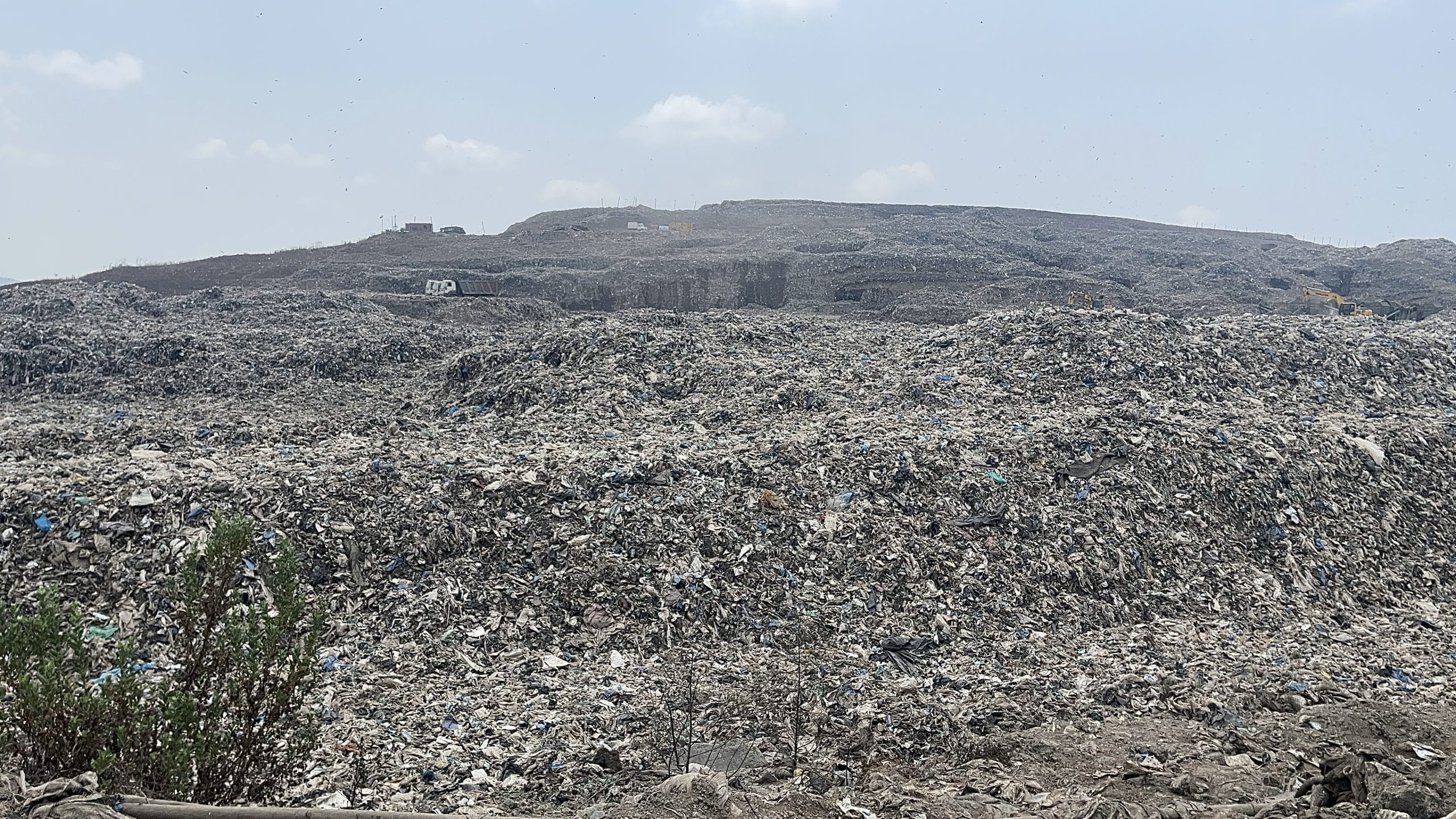
The Bombay High Court has been hearing a petition filed by residents in 2018, complaining about the foul odour that they have to live with every day. Last year, the court declared 119.91 hectares of the site’s total 141.77 hectares as protected forest, a decision that was later stayed by the Supreme Court. Since 2012, the facility has been operated by Antony Lara Enviro Solutions Pvt Ltd on a contractual basis for 25 years.
According to Antony Lara, the plantation will include more than seven native plants in addition to the 12,800 plants already growing at the site. The new forest will feature Neem, Arjun, Jamun, Banyan, Peepal, Karanj, and Bamboo trees aimed at enhancing biodiversity, improving soil health and strengthening climate resilience.
Shiju Antony, chief sustainability officer of Antony Waste Group, said at the launch of the project, “Waste management is often judged by what we remove. This forest shows what we can create. By planting 15,000 native trees we are transforming part of our own waste-processing site into a thriving ecosystem that will benefit the environment, biodiversity and local communities to come.”
The BMC has described the initiative as a step towards ecological restoration of waste-management sites and improving Mumbai’s green cover.
Speaking at the launch event, Mumbai Mayor Ritu Tawde said, “emphasis is being placed on increasing green cover in Mumbai, taking into account factors such as rapid urbanisation and high population density. While large-scale development projects and infrastructure creation have necessitated the felling of trees in some areas, such development works are equally crucial.”
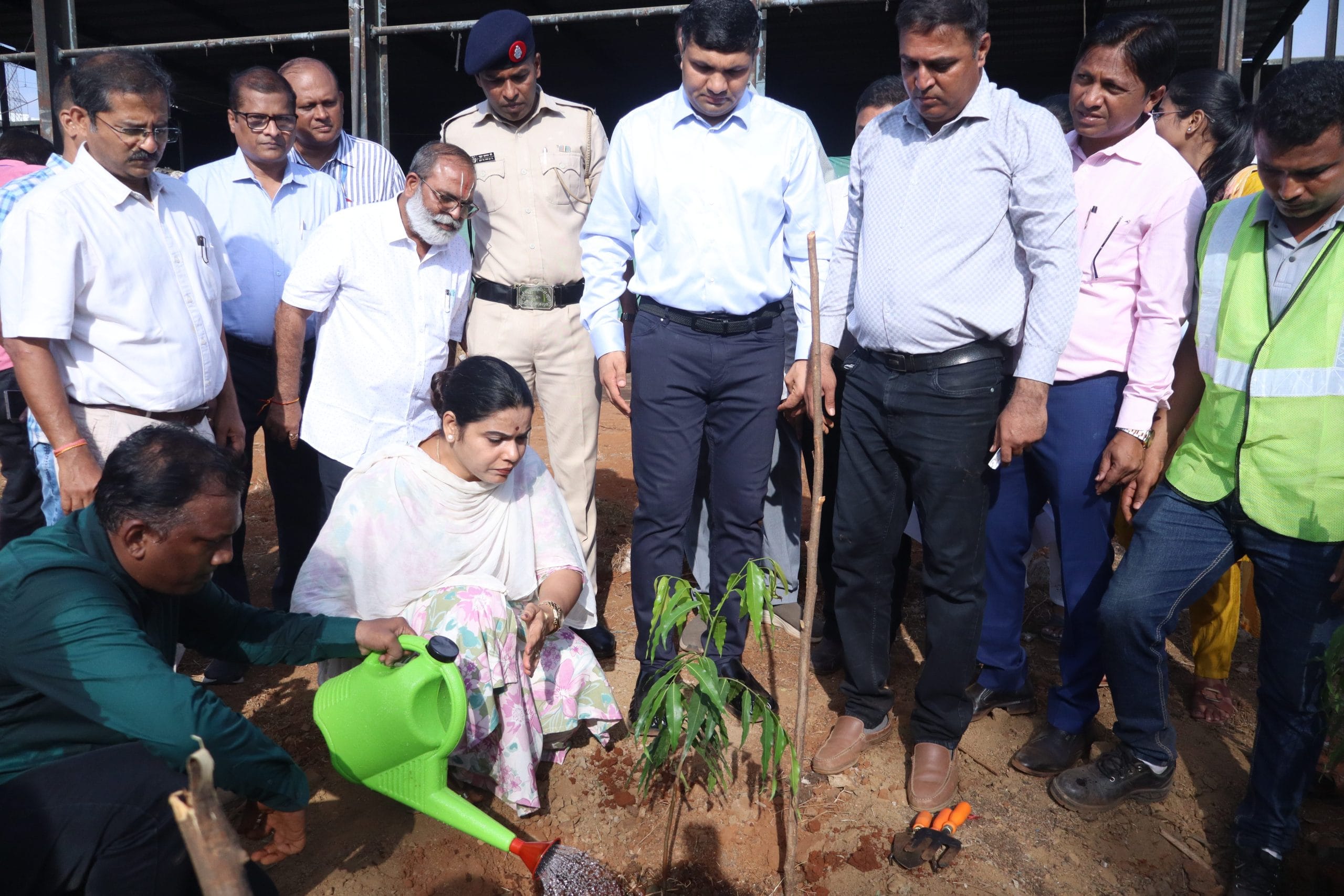
“However, initiatives are being undertaken to create forests and green spaces elsewhere to compensate for the environmental loss caused by these projects; the policy involves planting ten trees for every single tree removed. The ‘ReRoot’ urban forest restoration initiative is one such effort. Similar tree-planting drives to create forest areas will be carried out at other landfill sites and within housing society premises, mirroring the Kanjurmarg project,” she added.
Kiran Dighavkar, deputy municipal commissioner, solid waste management at the BMC said, “Turning a part of this site into a thriving urban forest shows how waste management and ecological restoration can go hand in hand. We were honoured to have the Mayor of Mumbai join us in planting the first saplings today, and on World Environment Day, ReRoot stands as our commitment to a greener Mumbai.”
The launch took place at the Kanjurmarg waste processing centre Friday morning, with citizens invited to participate in plantation activities throughout the day. The BMC has appealed to Mumbaikars to take part in the drive, positioning ReRoot as both an environmental intervention and a public-participation initiative.
(Edited by Prakhar Agrawal)
Also Read: Chennai is starting to clear the Perungudi garbage mountain. And make furniture from it