



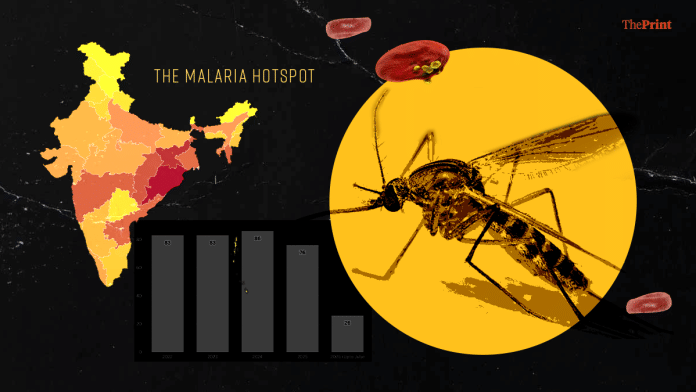
New Delhi: India has gained considerable success in its fight against malaria, with more than 160 districts now certified malaria-free. But the last mile is proving to be the hardest fight, with infections increasingly concentrated into a few high-transmission pockets that are harder to reach, detect and stamp out.
In 2025, 33 high-burden districts across nine states and Union territories, including Mizoram, Odisha, Tripura, Assam, Andhra Pradesh, Chhattisgarh, Jharkhand, Maharashtra and the Andaman and Nicobar Islands, accounted for 64 percent of the country’s malaria cases and 54 percent of malaria deaths.
India aims to bring locally transmitted malaria cases down to zero by 2027 and eliminate the disease by 2030. However, experts working on the ground say some of these areas have seen cases rise again.
The challenge is different from the one India faced when malaria was widespread. The new infections are often found in remote areas where surveillance and access to healthcare can be difficult.
Some infections may also go undetected because patients have no symptoms or carry parasite levels that routine tests fail to detect.
According to Dr Yogesh Jain, a public health physician based in rural Chhattisgarh who has worked on malaria in the state for 27 years, cases have risen in several pockets of central and eastern India since 2023.
He pointed to Chhattisgarh, Odisha and Jharkhand, along with parts of Madhya Pradesh and some north-eastern states, where transmission has increased even as India’s overall malaria burden remains far below historical levels.
Government data shows that Chhattisgarh reported more than 30,000 confirmed cases annually between 2022 and 2024. Jharkhand’s cases increased from 19,167 in 2022 to 42,352 in 2024, while Odisha saw cases rise from 23,770 to 68,693 over the same period.
In Andhra Pradesh, cases rose significantly over three years, climbing from 5,268 cases in 2022 to 7,866 cases in 2024, and ultimately reaching 7,878 cases in 2025. Till July, Andhra Pradesh has already reported 6414 cases and 5 deaths, which is the highest in the country.
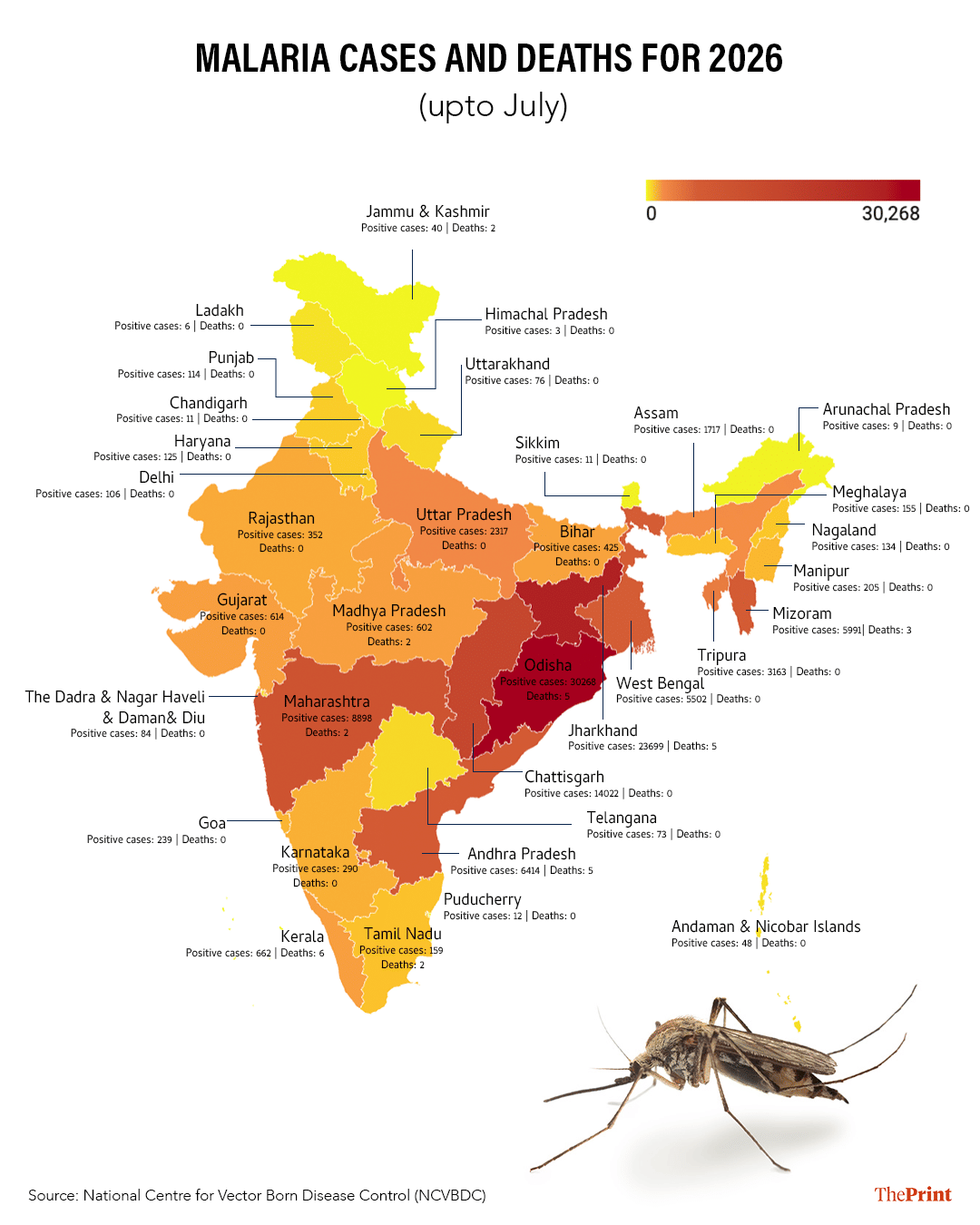
This concentration matters because as transmission falls, finding every remaining infection becomes harder, with the state machinery focusing on high-burden areas. A relatively small number of undetected infections can continue to sustain transmission within a community.
There is also a biological challenge.
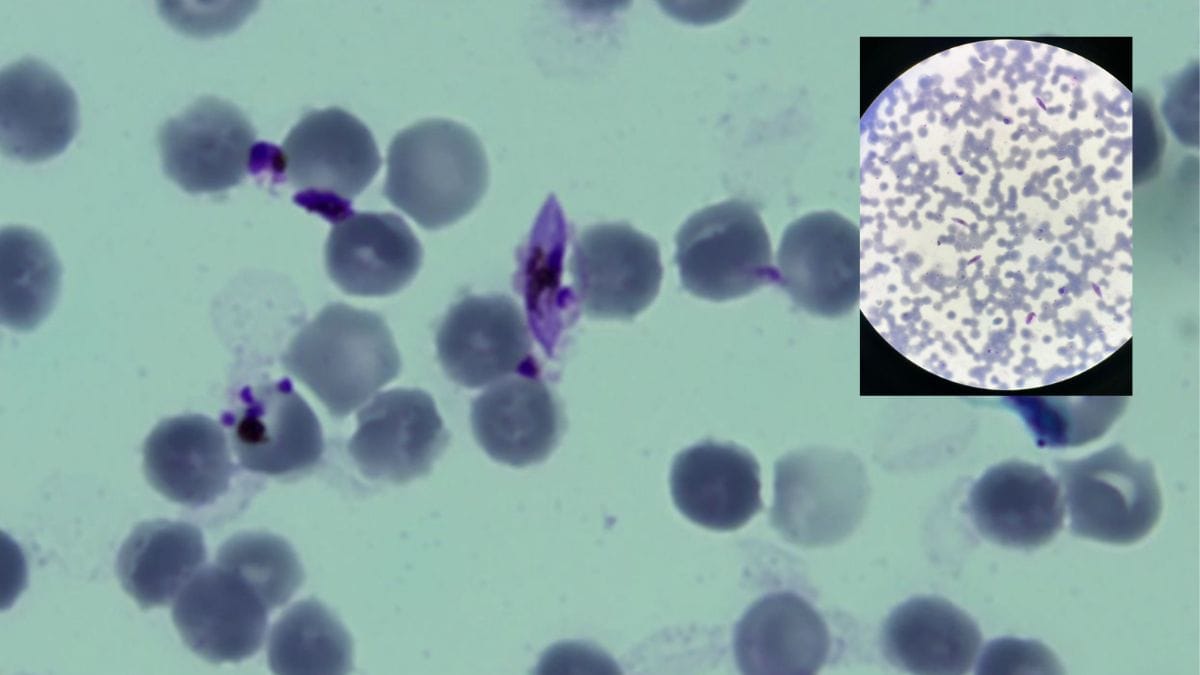
Malaria is caused by parasites transmitted through the bite of infected female Anopheles mosquitoes. India has two main malaria parasites, Plasmodium vivax and Plasmodium falciparum. P. vivax accounts for a larger share of malaria infections in India, while P. falciparum is more strongly associated with severe disease and death.
This has traditionally made P. falciparum the greater concern in efforts to prevent severe malaria and deaths. P. vivax, although more common, has generally been considered benign.
However, recent evidence, including a study from Tripura published this month, challenges the long-held view that P. vivax is less harmful, showing that it can also cause severe malaria.
P. vivax also presents a different challenge. It can remain dormant or temporarily inactive in the liver and reactivate months later, causing relapses even after the parasites in the blood have been cleared. This makes it harder to eliminate from an infected person.
“Even if it is 10 percent of the vivax which is severe, it is enough for us to change our strategy,” Jain said. He argued that malaria control, therefore, cannot focus only on P. falciparum.
India’s malaria trajectory since 1995
India’s fight against malaria has historically followed a cycle of success and resurgence. A major control programme in the 1950s and 1960s brought cases down dramatically, but when surveillance and control weakened, malaria returned.
The decline in recent decades has been far more sustained.
According to data from the National Centre for Vector Borne Diseases Control (NCVBDC), which oversees the national programme for controlling vector-borne diseases, India recorded 29.3 lakh malaria cases and 1,151 deaths in 1995.
By 2024, positive cases had fallen to about 2.56 lakh and deaths to 86. The reported P. falciparum burden alone fell from 11.4 lakh cases in 1995 to about 1.5 lakh in 2024.
The biggest gains came during the last decade. Between 2015 and 2023, malaria cases fell by roughly 80.5 per cent, while deaths declined by 78.3 per cent, according to Dr Rajni Kant, a former director of the ICMR-Regional Medical Research Centre in Gorakhpur, citing NCVBDC figures.
During the period, India also formally exited the WHO’s “High Burden to High Impact” group of countries carrying the heaviest malaria burden, Dr Rajni Kant said.
The number of high-burden districts also fell from 155 to 33 between 2015-2025, according to the Union Health Ministry. The remaining burden, however, is highly concentrated.
The 33 high-burden districts across nine states and Union Territories accounted for 64 per cent of malaria cases and 54 per cent of malaria deaths reported in 2025.
Jain said the decline between 2015 and 2020 was real. He attributed part of the improvement to a combination of measures reaching the last mile, including Accredited Social Health Activists, or ASHAs, rapid diagnostic tests, Artemisinin-based Combination Therapy (ACT) medicines, — the gold-standard treatment for uncomplicated malaria — reaching peripheral health workers and bed nets being distributed.
However, the country’s surveillance data show that the decline has not been linear.
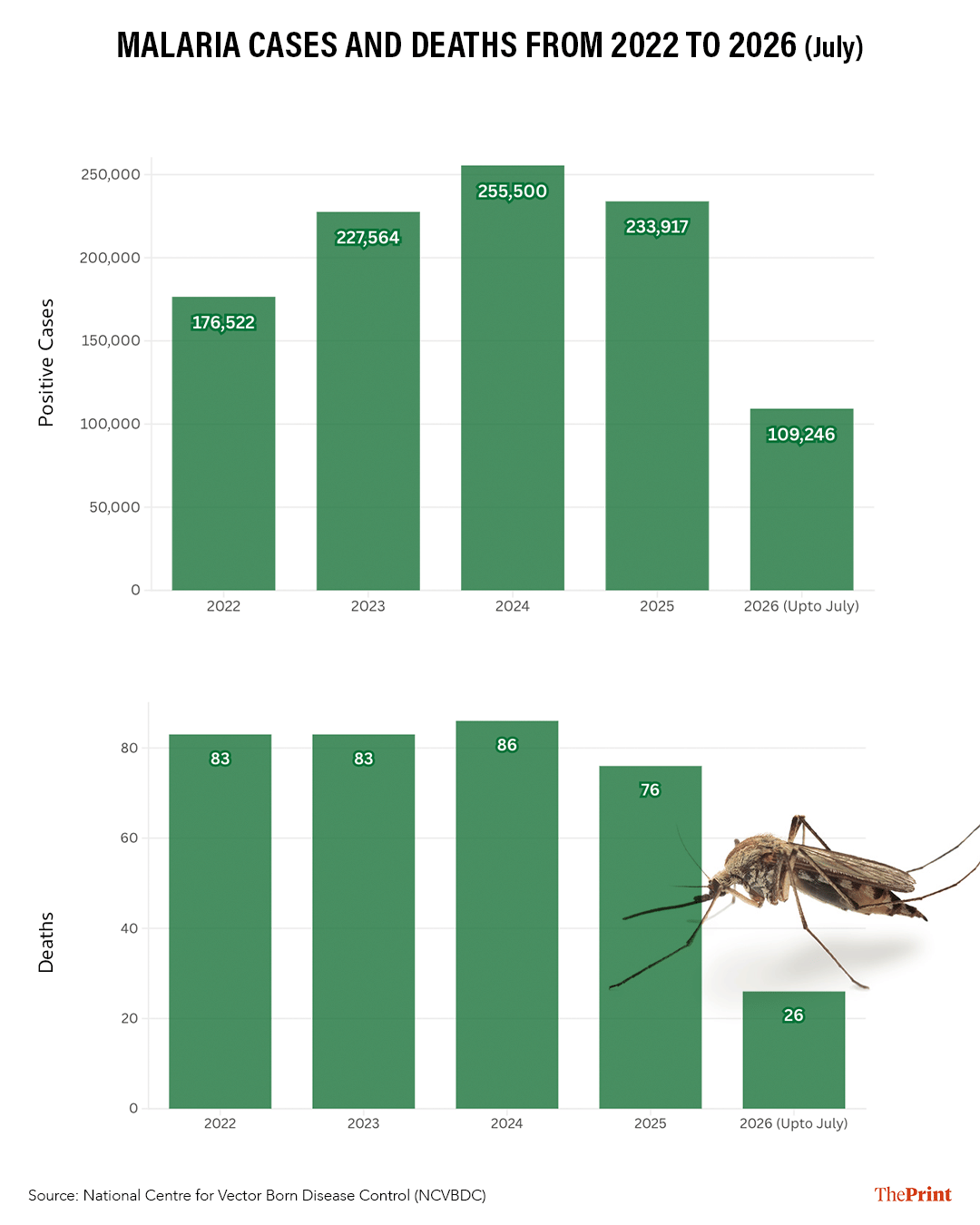
In 2022, India confirmed 1,76,522 malaria cases and 83 deaths. Cases then rose to 2,27,564 in 2023 and 2,55,500 in 2024, before falling to 2,33,917 in 2025. By July 2026, the country had already recorded 1,09,246 confirmed cases and 26 deaths.
But the WHO estimates a far higher number, as its projections include the infections and deaths that may not have been formally recorded, while India reports cases detected through its surveillance system.
The recent rise is particularly concerning because it has been concentrated in some of India’s historically high-burden states that had shown some improvements.
One major concern is Plasmodium falciparum parasites with deletions in the Histidine-Rich Protein 2 (HRP2) gene — a genetic change that can make some malaria rapid diagnostic tests miss an infection. Many commonly used RDTs detect P. falciparum by identifying the HRP2 protein. If the parasite lacks the PFHRP2 gene, an HRP2-based RDT may fail to detect the infection.
Pandey said published data suggest that the pooled prevalence of HRP2 deletions among P. falciparum infections in India is about 5 percent, although reported regional estimates range from 2.4 percent to 9.9 percent. He cautioned that the national average can mask much higher levels in particular areas.
A recent study from Odisha, for instance, reported HRP2 deletions in 61.6 percent of subpatent infections — infections with parasite levels so low that they may be difficult to detect using routine diagnostic methods.
Hence, local epidemiology matters significantly, he said.
As India moves towards elimination, RDT quality control and continued microscopy important. Jain also warned that heavy reliance on RDTs could lead to the loss of microscopy skills among frontline workers. He said RDTs remain important where microscopy is difficult, but their performance should be monitored and microscopy retained for quality assurance.
There is another major blind spot of asymptomatic malaria. People can carry parasites without fever or other obvious symptoms. If surveillance focuses mainly on people who seek care with fever, these infections can remain undetected and continue to contribute to transmission.
This matters even more as India nears elimination. When symptomatic cases become fewer, a relatively small reservoir of undetected infections can sustain transmission.
The World Malaria Report 2025 warned that India’s progress was plateauing, with localised rebounds in transmission.
Jain said those rebounds have become more visible on the ground since 2023. He described an “explosive increase” in several high-burden states this year. He said several high-burden states have reported an “explosive increase” in cases this year. In Chhattisgarh alone, according to him, more than 10,000 people had been diagnosed with malaria over roughly one-and-a-half months.
He also linked the renewed transmission to gaps in basic control measures. In many parts of Chhattisgarh and Odisha, he said, new bed nets have not been distributed since 2019, while some frontline workers have faced shortages of rapid diagnostic tests and ACT medicines.
Recently, a review conducted by the Union Health Ministry also identified delays in diagnosis and treatment as critical factors contributing to malaria deaths. The ministry called for stronger active surveillance and uninterrupted availability of diagnostic tests and antimalarial drugs, particularly in hard-to-reach and vulnerable areas.
Elimination vs control
Understanding the distinction between malaria control and elimination becomes increasingly important as India tries to bring transmission down to zero, Jain said.
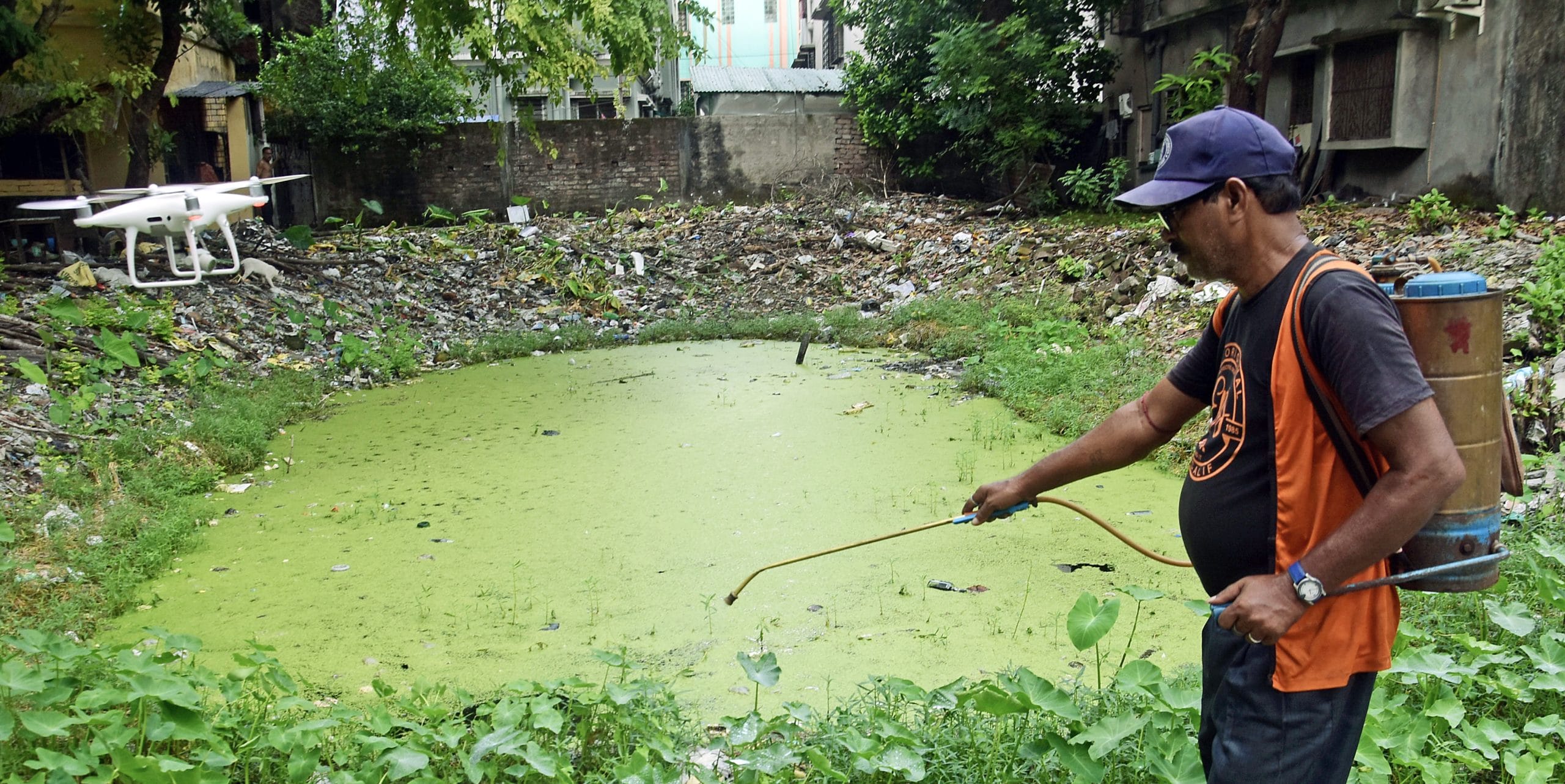
In areas where malaria remains widespread, Jain said, the immediate priority should be control. This means diagnosing infections early, treating patients promptly, distributing bed nets, controlling mosquitoes and reducing breeding sites. The aim is to bring down illness, hospitalisations and deaths.
Elimination, he said, sets a higher bar. Its goal is to stop indigenous, or locally transmitted, malaria altogether.
Explaining what happens in the elimination strategy, he said, “If a single patient of malaria comes in an area, the system goes into an overdrive. Seventy people around it have to be investigated.”
This can involve finding out where the infection came from, testing people around the patient, checking whether transmission is continuing and monitoring people moving between areas with different levels of malaria transmission. Such case-based surveillance is much more intensive than routine malaria control and requires considerable funding.
Jain said while India should not abandon its elimination goal, different parts of the country may need to operate at different stages of the strategy depending on their malaria burden.
He suggested that states where malaria transmission has already fallen to very low levels, such as Tamil Nadu and Kerala, could focus on the tighter surveillance needed for elimination.
High-burden states such as Chhattisgarh, Jharkhand and Odisha, meanwhile, need to first strengthen basic control measures.
He also gave the example of Punjab, where malaria cases are less common.“If Punjab has fewer cases, it does not make sense to continue spending a huge amount of money there on an elimination strategy. More resources should instead be directed toward control measures in states and areas where the malaria burden remains much higher,” he told ThePrint.
The diagnosis problem
As India moves closer to malaria elimination, detecting every infection becomes as important as treating known cases. This is challenging because malaria tests differ in sensitivity, and routine tests can miss low-level or asymptomatic infections.
There are three main diagnostic methods: rapid diagnostic tests (RDTs), microscopy and molecular tests such as Polymerase Chain Reaction (PCR).
RDTs are the most practical option in remote areas. They use a small blood sample, usually from a finger prick, and provide results within minutes. They do not require a laboratory or microscope, making them useful for frontline health workers.
Microscopy remains the conventional reference method. A trained microscopist examines a blood smear for parasites and can also identify the species and estimate parasite density. But it requires trained personnel, functioning equipment and regular quality control, which can be difficult to maintain in remote settings.
PCR is more sensitive because it detects the parasite’s genetic material and can identify infections with very low parasite levels. It is, therefore, useful for research and for detecting low-level or asymptomatic infections, but requires laboratory infrastructure and is not practical for routine testing in every village.
Dr Kailash Pandey, a scientist at the National Institute of Malaria Research (NIMR), Indian Council of Medical Research (ICMR), who works on malaria diagnostics, said one test cannot simply replace another.
Each test has a different role in different settings. He explained that RDT performance also depends on several factors, including parasite density, the Plasmodium species, the part of the parasite the test is designed to detect, and the quality and storage conditions of the test kit.
One major concern is Plasmodium falciparum parasites with deletions in the Histidine-Rich Protein 2 (HRP2) gene — a genetic change that can make some malaria rapid diagnostic tests miss an infection. Many commonly used RDTs detect P. falciparum by identifying the HRP2 protein. If the parasite lacks the PFHRP2 gene, an HRP2-based RDT may fail to detect the infection.
Pandey said published data suggest that the pooled prevalence of HRP2 deletions among P. falciparum infections in India is about 5 percent, although reported regional estimates range from 2.4 percent to 9.9 percent. He cautioned that the national average can mask much higher levels in particular areas.
A recent study from Odisha, for instance, reported HRP2 deletions in 61.6 percent of subpatent infections — infections with parasite levels so low that they may be difficult to detect using routine diagnostic methods.
Hence, local epidemiology matters significantly, he said.
As India moves towards elimination, RDT quality control and continued microscopy important. Jain also warned that heavy reliance on RDTs could lead to the loss of microscopy skills among frontline workers. He said RDTs remain important where microscopy is difficult, but their performance should be monitored and microscopy retained for quality assurance.
There is another major blind spot of asymptomatic malaria. People can carry parasites without fever or other obvious symptoms. If surveillance focuses mainly on people who seek care with fever, these infections can remain undetected and continue to contribute to transmission.
This matters even more as India nears elimination. When symptomatic cases become fewer, a relatively small reservoir of undetected infections can sustain transmission.
The challenge with P. vivax
Diagnosis is not the only challenge. The unique biology of Plasmodium vivax, particularly its dormant liver stage—some of the parasites can hide in the liver in an inactive, dormant form—and ability to cause repeated relapses, makes elimination difficult.
When researchers went door-to-door through the tribal villages of Dhalai district in the northeastern state of Tripura between April 2023 and December 2024, testing people with fever for malaria, they found that 465 of the 1,205 people tested had malaria. Thirty-two of those infections were severe. Eleven were caused by Plasmodium vivax alone, while four were mixed infections involving vivax and Plasmodium falciparum.
The findings came from a prospective hospital-and community-based study conducted across three districts of Tripura by researchers from the Agartala Government Medical College and Tripura University, the ICMR-National Institute for Research in Health (ICMR-NIHR), formerly ICMR-Regional Medical Research Centre for the North Eastern Region (ICMR-RMRCNE), Dibrugarh, Jawaharlal Nehru University and other institutions.
The study was published in Malaria Journal on 12 August 2026.
That is significant because severe P. vivax infections challenge the long-held assumption that vivax is generally less dangerous than P. falciparum and therefore require greater attention in malaria-control efforts.
The Tripura findings are not the first warning. Reports from Bikaner in Rajasthan documented severe vivax malaria in the mid-2000s. Studies from Delhi later found vivax responsible for a substantial share of severe malaria cases among children.
But the Tripura study adds another layer to the concern.
These were not only patients admitted to a tertiary hospital, where doctors would expect to see the sickest cases. Researchers were looking for fever in malaria-endemic communities and found severe vivax infections there.
Unlike P. falciparum, P. vivax can leave dormant forms of the parasite, called hypnozoites, in the liver after parasites have cleared from the bloodstream. These can reactivate weeks or months later, causing another episode of malaria. A patient may, therefore, appear to have recovered even though the infection has not been completely cleared.
Treatment has to address both stages of the infection. Blood-stage parasites are treated with antimalarial drugs, while primaquine, an anti-malarial medicine, is used to clear the dormant liver-stage parasites. It is generally given for 14 days, but completing the full course can be difficult once the fever and other symptoms have disappeared.
Primaquine also cannot be given safely to everyone. In people with glucose-6-phosphate dehydrogenase (G6PD) deficiency, it can cause the rapid breakdown of red blood cells. This means treatment has to take into account whether a patient can safely receive the drug.
A 2026 study by ICMR-NIMR found that a seven-day, higher daily-dose primaquine regimen could be an effective and more adherence-friendly alternative to the conventional 14-day regimen in India. The shorter regimen delivers the same total dose of primaquine over seven days instead of 14, potentially making it easier for patients to complete the full course and reducing the risk of treatment being interrupted once symptoms have subsided.
Jain described vivax as “a more difficult baby to handle”, because controlling it requires more than detecting and treating parasites circulating in the blood.
India’s vaccine hunt
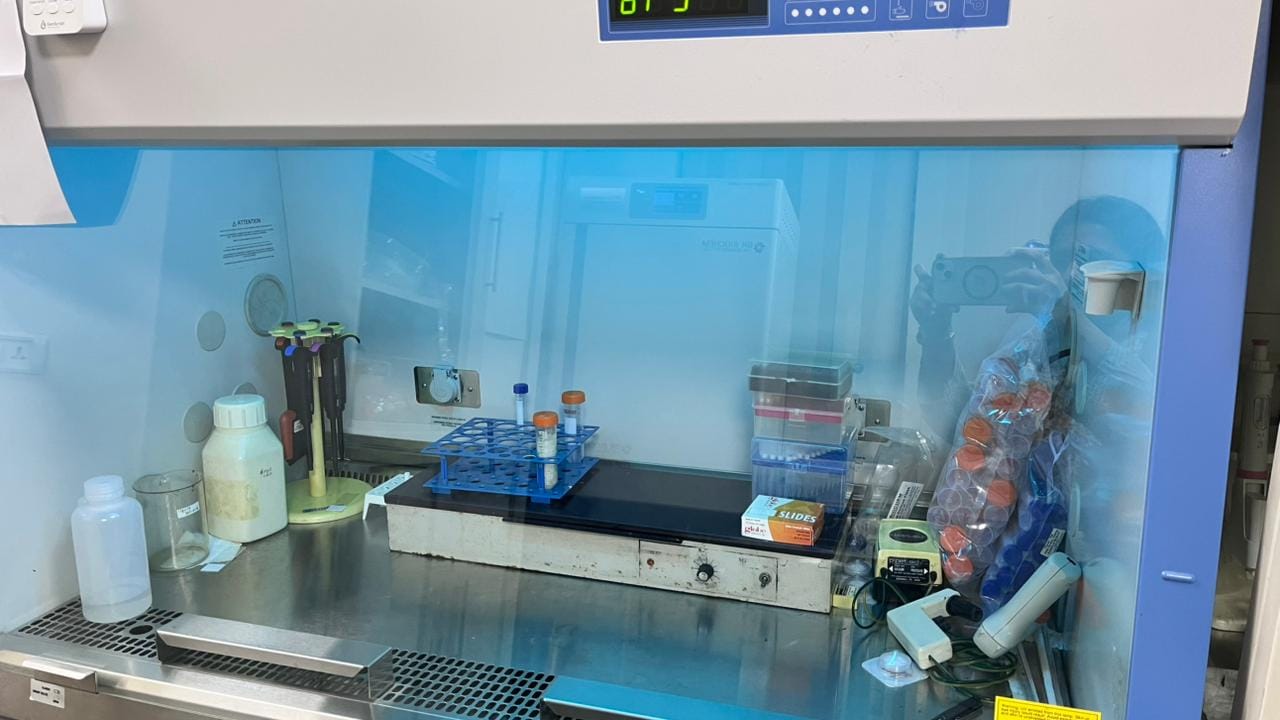
India is developing a malaria vaccine candidate called AdFalciVax (Advanced falciparum vaccine) through a collaboration involving ICMR–National Institute of Health Research (NIHR), Bhubaneswar, ICMR-National Institute of Malaria Research, New Delhi, and National Institute of Immunology, New Delhi.
ICMR-NIMR’s Pandey, who is part of the research team, said AdFalciVax is designed to target two different stages of the P. falciparum life cycle. The first component targets the parasite while it is developing in the human liver, with the aim of preventing it from progressing to the stage that causes malaria in the bloodstream.
The second targets the parasite after it is taken up by a mosquito from an infected person, with the aim of stopping it from developing inside the mosquito and being transmitted to another person.
“It is a chimeric [combination] vaccine. It covers the liver stage as well as the transmission stage,” Pandey said.
In laboratory experiments, the vaccine showed parasite-blocking rates of about 86 to 88 percent using the P. falciparum model, while protection in mice exceeded 90 percent. But these are preclinical results. Human trials are yet to establish the vaccine’s safety and effectiveness in people.
“We hope that future clinical trials will demonstrate that the vaccine is safe and effective in humans,” Pandey told ThePrint. He added that the next big step is expected to be a small controlled human study involving about 30 to 50 volunteers, followed by larger clinical trials.
He said that if everything goes according to the plan, the vaccine could still be 3-4 years away from becoming reality.
In late 2025, the ICMR granted non-exclusive licences to five companies—Indian Immunologicals, Techinvention Lifecare, Panacea Biotec, Biological E and Zydus Lifesciences — for further development and commercialisation.
But AdFalciVax has an important limitation. It targets P. falciparum and does not protect against P. vivax, which accounts for a substantial share of India’s malaria burden, but conventionally has not been considered a major threat, except in some cases.
Developing a vivax vaccine is also particularly difficult because the parasite cannot be reliably maintained in laboratory culture. But groups like ICMR–National Institute of Health Research (NIHR), Bhubaneswar, and ICMR-National Institute Malaria Research, New Delhi, and CSIR–Central Drug Research Institute (CSIR-CDRI), Lucknow, are working in this field.
“We cannot culture vivax,” Pandey said. Researchers, therefore, have to rely on blood samples from infected patients to study how antibodies act against the parasite.
This makes it harder to study P. vivax and test potential vaccines than P. falciparum, which can be grown and maintained under laboratory conditions.
Even if a vaccine becomes available, experts do not see it replacing existing malaria-control measures.
“If a vaccine is available or becomes available, definitely it will give an additional advantage,” said Dr Rajni Kant. However, Mosquito control and diagnosis would still be essential.
“You will still have to control the mosquitoes,” he said. “And if you have a fever, then again, you will have to go for a diagnosis.”
Jain was also cautious about placing a vaccine at the centre of India’s malaria strategy. He said it could have a role in particular high-burden areas, but should not be seen as a nationwide substitute for surveillance, diagnosis, treatment and mosquito control.
Climate change and drug resistance
Even as India works to eliminate malaria, two threats could make the task harder. Drug resistance can make malaria parasites less responsive to medicines, while climate change can create conditions that allow mosquitoes to survive and spread malaria for longer.
Drug resistance occurs when malaria parasites become less responsive to medicines, making treatment less effective.
Pandey of ICMR-NIMR said resistance to artemisinin, one of the most important medicines used to treat malaria, cannot be avoided indefinitely. Artemisinin is used as part of artemisinin-based combination therapies (ACT), which combine it with another anti-malaria drug.
“There is no way we can escape drug resistance,” he said. The focus, he added, should be on using better combinations of medicines to slow the development of resistance and keep treatments effective for longer.
He said there is considerable hope in malaria drug discovery across the globe, with several promising new drug candidates in the developmental stage. “If clinical trials and regulatory processes proceed as planned, some new and more effective antimalarial treatments could become available in the coming years,” Pandey told ThePrint.
India has not yet seen the artemisinin resistance on the scale reported in parts of Southeast Asia.
“Fortunately, there is not much resistance against the ACT,” Dr Rajni Kant said. “In some cases, some places have reported resistance, but still the ACT is effective against the malaria parasite.”
Climate change could make malaria harder to eliminate by creating conditions that allow mosquitoes and the malaria parasite to survive and spread for longer. Dr Rajni Kant said malaria transmission is influenced by temperature, rainfall and humidity. “When there is excess rainfall, breeding sites for mosquitoes increase. And when the temperature rises, the survival of mosquitoes also increases,” he said.
The impact could be greater in hilly and high-altitude areas, where cooler temperatures have traditionally limited the period during which malaria can spread.
“Earlier, the transmission window in some of these areas could be around three months, but with changes in temperature it could extend to five or six months,” he said.
A longer transmission window would give mosquitoes and the parasite more time to spread malaria during the year, potentially allowing transmission to return to areas where it had previously been interrupted, he added.
(Edited by Ajeet Tiwari)
Also read: Why mosquitoes have invaded cold Himalayan foothills